Quick answer
For family bonding, jigsaw puzzles beat screens because they force shared attention, turn-taking, and real conversation. Screens are fine for solo downtime, but they don't create the same cooperative dynamic. If you want a screen-free family activity that works across ages, start with a puzzle that matches your group's patience and skill.
Myth: Screens are always bad for family time
Screens aren't the enemy. Watching a movie together can be a shared experience, and video calls keep far-flung families close. The problem is passive screen time, where everyone is in the same room but tuned into different feeds. That's not bonding; it's parallel scrolling. Jigsaw puzzles, by contrast, demand a shared physical goal. You can't finish a puzzle alone while everyone else stares at a phone. The table pulls you in.
Myth: Puzzles are a solo activity
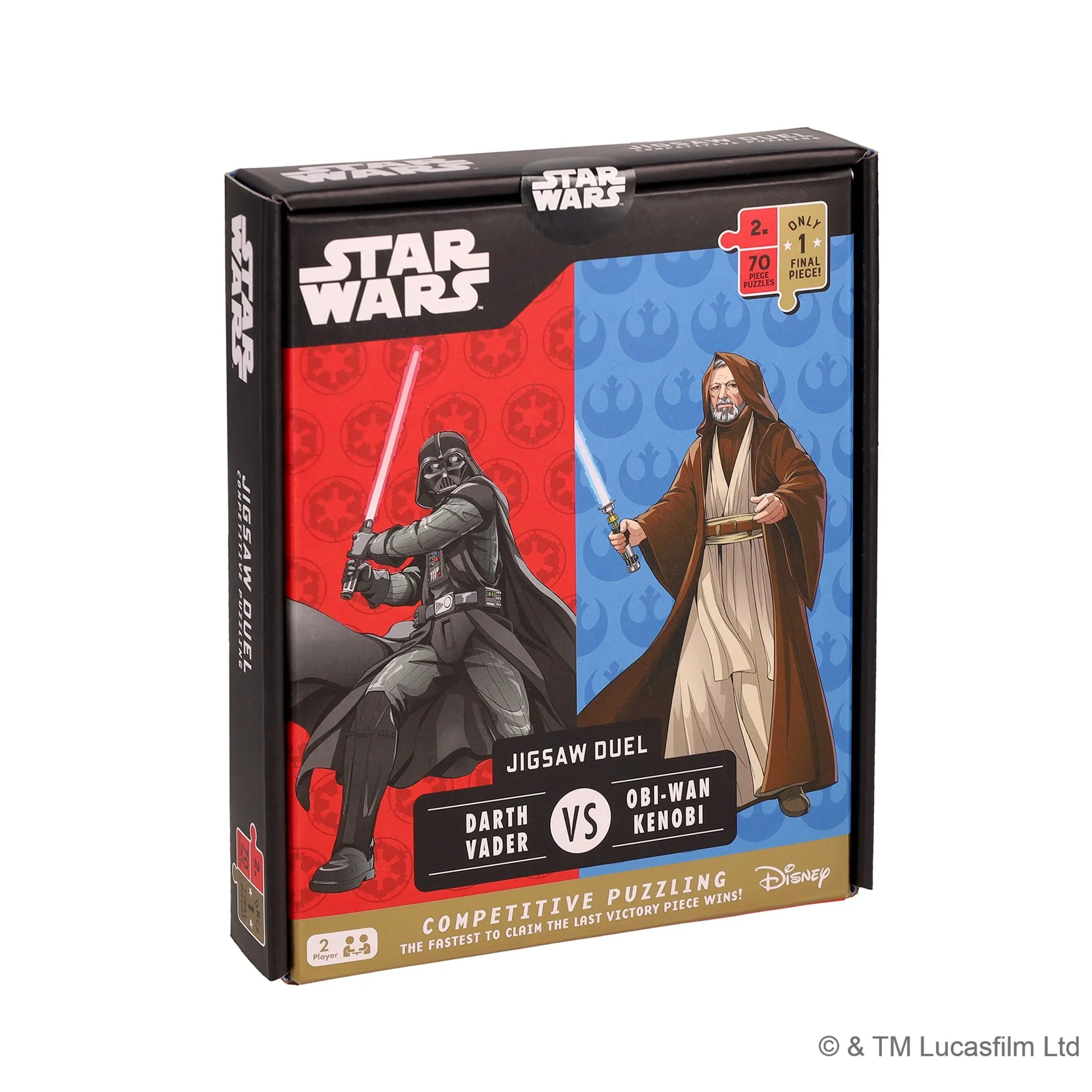
Many people picture a lone puzzler hunched over a card table. But puzzles are naturally social when you choose the right format. A 1000-piece puzzle gives a group a long-term project with rotating roles: edge-finders, color-sorters, and the person who insists on trying every piece in the same spot. Competitive formats exist too. In Jigsaw Duel Houseplants, two players each assemble a 70-piece plant-themed jigsaw, but only one final double-sided piece completes both puzzles. The first to finish and grab that piece wins. That's not solo; that's a face-off.
Myth: You need a big time commitment
A 1000-piece puzzle can take hours, which sounds like a lot until you compare it to a typical family movie night. The difference is that puzzle time is flexible. You can work for 20 minutes, leave it out, and come back. Screens tend to demand full attention for a fixed runtime. Puzzles let family members drift in and out, which suits real households with different attention spans and bedtimes.
Myth: Puzzles are only for quiet kids
Puzzles can be calm, but they don't have to be silent. The best family puzzle time includes chatter, teasing, and the occasional victory dance when someone finds a tricky piece. The shared focus gives shy kids a natural way to participate without needing to perform. And for kids who need movement, a competitive puzzle like Jigsaw Duel Houseplants adds urgency and a clear win condition, which can hold attention better than a slow, open-ended build.
Myth: Any puzzle works for any family
Not quite. Age range, patience, and theme matter. A 1000-piece Christmas scene with 50 movie titles might delight film buffs but overwhelm younger kids. A 70-piece duel is fast and competitive, better for siblings who need a quick result. If you want a puzzle that doubles as a conversation starter, look for one with an educational extra, like a poster guide. The right puzzle is the one your family will actually finish together.
Verdicts on common screen vs. puzzle claims
- Claim: Screens are always bad for family time.: Screens can be shared (movie night) or isolating (separate feeds). Puzzles are inherently shared because the goal is physical and collective. The issue isn't the screen; it's whether the activity connects people. Verdict: False. Screens aren't the problem; passive, separate use is.
- Claim: Puzzles are too quiet and slow for lively families.: Competitive puzzles like Jigsaw Duel Houseplants add speed, rivalry, and a clear winner. Cooperative 1000-piece puzzles allow for ongoing banter and flexible participation. Verdict: False. Format matters more than the puzzle itself.
- Claim: You need hours of free time to puzzle together.: Puzzles can be paused and resumed. Even 20 minutes of shared focus beats an hour of parallel scrolling. The key is leaving the puzzle out and inviting drop-in participation. Verdict: False. Short, repeated sessions work fine.
- Claim: Any puzzle will do for family bonding.: Age range, piece count, and theme determine whether a puzzle brings people together or frustrates them. Match the puzzle to your group's patience and interests. Verdict: False. Choose deliberately, not randomly.
Puzzles that make screen-free time easier
- Jigsaw Duel Houseplants: In this innovative competitive puzzling game, you and your fellow puzzler each have a 70-piece plant-themed jigsaw to assemble—but there's only one final piece that completes both puzzles! The first person to put their jigsaw pieces together and then grab the final, double-sided piece to finish is the winner. Suitable for ages 8+. Fast, competitive format that suits siblings or friends who want a clear winner and a short play time. Great for ages 8+.
- 50 Must-Watch Christmas Movies Bucket List 1000-piece Jigsaw Puzzle: Connect 1000 pieces to reveal a gingerbread house of 50 must-watch classics, blockbusters, and cult favorites to curl up with. A long-form project that doubles as a movie bucket list, giving your family conversation starters while you build.
- Christmas Celebrations 1000-piece Jigsaw Puzzle: Connect 1000 pieces to reveal 24 festivities and oddities, which you can learn more about with the included poster guide. The included poster guide turns puzzle time into a mini geography and culture lesson, adding educational value beyond the build.