Quick answer
Most kids don't quit a craft kit because they dislike crafting; they quit because the kit asks for more patience, setup, or cleanup than they can handle at that moment. Fix the friction first: lower the effort to start, store pieces so the next session takes seconds to begin, and rotate kits instead of leaving everything out. If a kit still flops after two honest tries, switch the format rather than pushing the same one.
The real reasons a kit gets abandoned
Interest fades for predictable reasons. A kit may need fine motor control a child hasn't built yet, or it may front-load too much prep before any visible reward. Sometimes the child finishes the main picture in one sitting and there's no obvious next step, so the kit feels done. Other times the pieces get scattered, a sticker sheet dries out, or a canvas gets bent, and the child reads the kit as broken.
Age mismatch is the most common cause. A kit labeled for ages 4-9 will feel slow to a 9-year-old and fiddly to a 4-year-old, even though both are technically in range. Watch what your child does in the first ten minutes: if they ask you to do most of it, the kit is above their current level; if they finish in five minutes and walk away, it's below it.
Lower the effort to start
A kit that takes two minutes to set up gets used; one that takes ten gets avoided. Keep one active kit on a tray or shallow bin with only the pieces needed for the current picture. Put the rest of the stickers, foil sheets, or fabric squares in a labeled bag so your child isn't sorting through everything to find one item.
If your child stalls at the start, do the first step together. Place one sticker or poke one shape, then hand it back. The goal is to remove the blank-page feeling, not to finish the project for them.
Storage and care that keep kits usable
Craft kit storage tips that actually work are boring and specific. Store flat items like canvases and picture boards upright in a magazine file or under a bed in a shallow box, not stacked under heavier toys. Keep small pieces in a zip bag taped inside the kit lid so they don't migrate to the bottom of a toy bin.
Reusable activity mats care is simpler than most parents expect: wipe them with a dry or barely damp cloth after use, let them air-dry fully before stacking, and keep them out of direct sun. Don't soak them or use harsh cleaners, and don't fold them along the printed lines, since creases make the surface harder to write on next time. If a mat comes with a dry-erase marker, store it cap-down in the kit so it doesn't dry out.
Rotate instead of replacing
Keeping craft supplies organized doesn't mean keeping everything visible. Put out two kits at a time and store the rest. When interest drops, swap one out rather than buying a new kit, which resets novelty without adding clutter. A simple shelf with three labeled bins (flat items, small pieces, tools) is enough for most families.
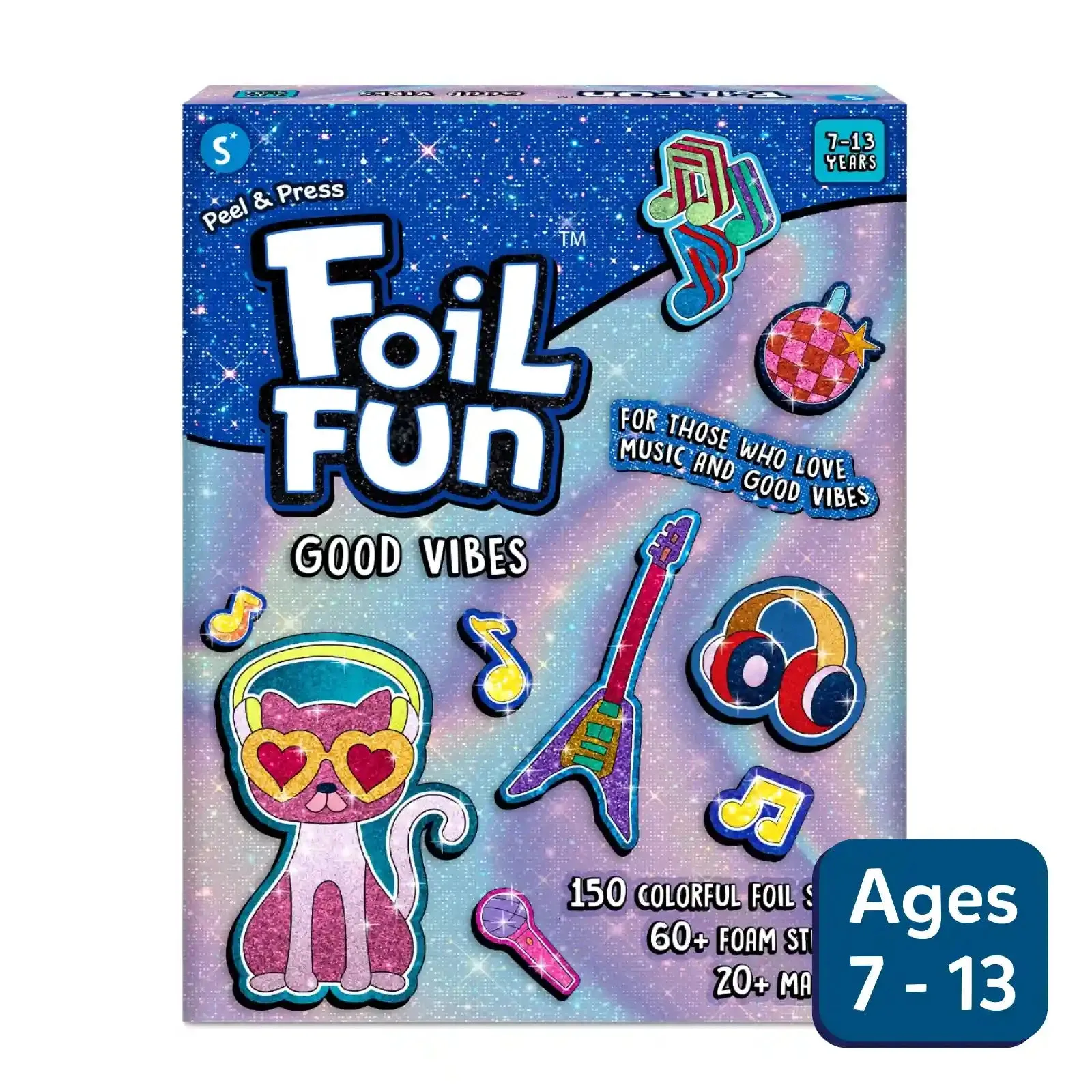
For bored kids, the fastest reset is often a format change rather than a new theme. Moving from a sticker-and-foil activity to a poke-and-build activity uses different muscles and a different reward cycle, which is why it can revive a child who says they're bored with crafts.
When to stop and choose another kit
Give a kit two real sessions on different days. If your child still needs you to do most of the steps, or if they finish in under five minutes and don't return, stop. That's a mismatch, not a discipline problem. Choose a kit one age band lower for more independence, or one band higher for more challenge, and check whether the kit has a clear end product your child can show someone.
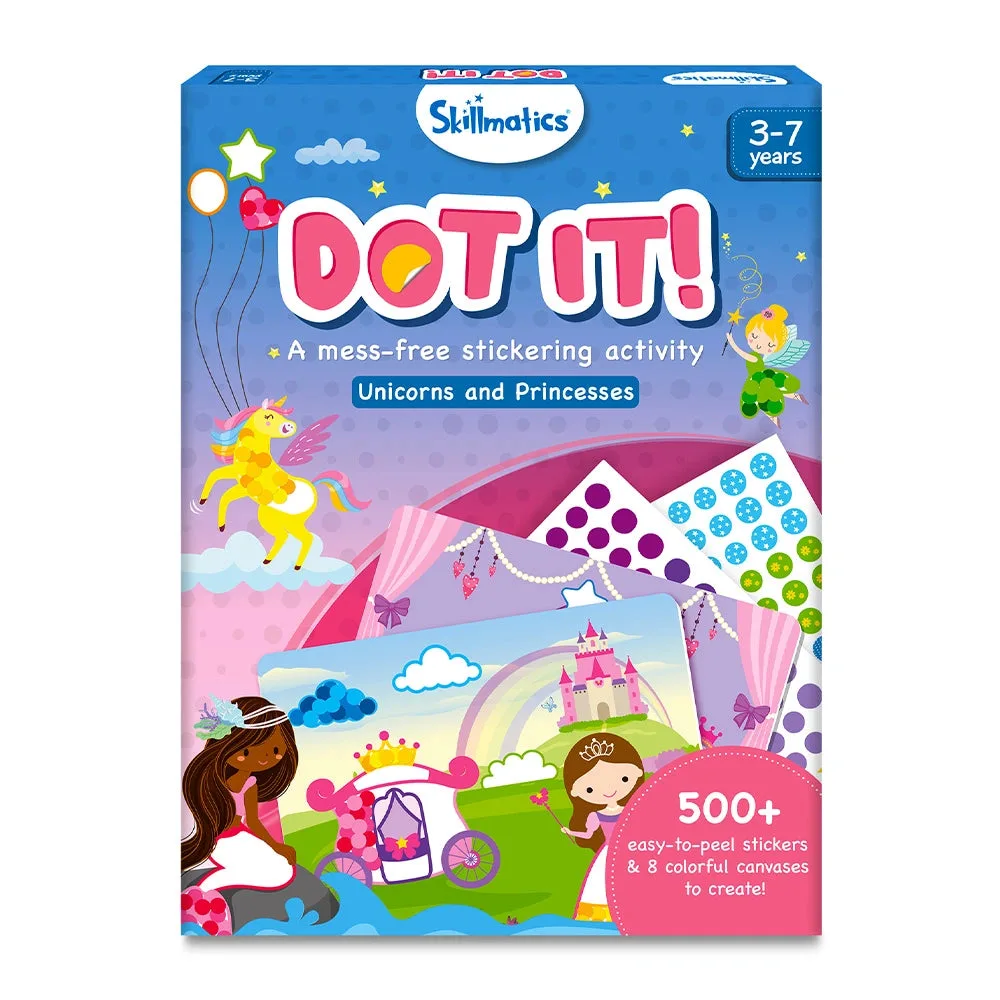
If the problem is mess, not difficulty, switch to a no-mess format. If the problem is repetition, switch to a reusable format where the same surface can be used again with different content.
Diagnose why the kit stalled
- Symptom: child asks you to do every step: The kit is above their current fine motor or attention level. Do the first step together, then hand it back. If they still hand it over after two sessions, move down one age band. Stop after two honest tries; switch kits rather than pushing.
- Symptom: child finishes in minutes and never returns: The kit is below their level or has no repeat play. Choose a format with more steps or a reusable surface, such as a repeatable activity set. One sitting is a signal to change format, not to buy more of the same.
- Symptom: pieces are lost, bent, or dried out: This is a storage problem, not an interest problem. Bag small pieces inside the lid, store flat items upright, and wipe reusable mats dry before stacking. Fix storage before judging whether the kit is a good fit.
Kits that solve common quitting points
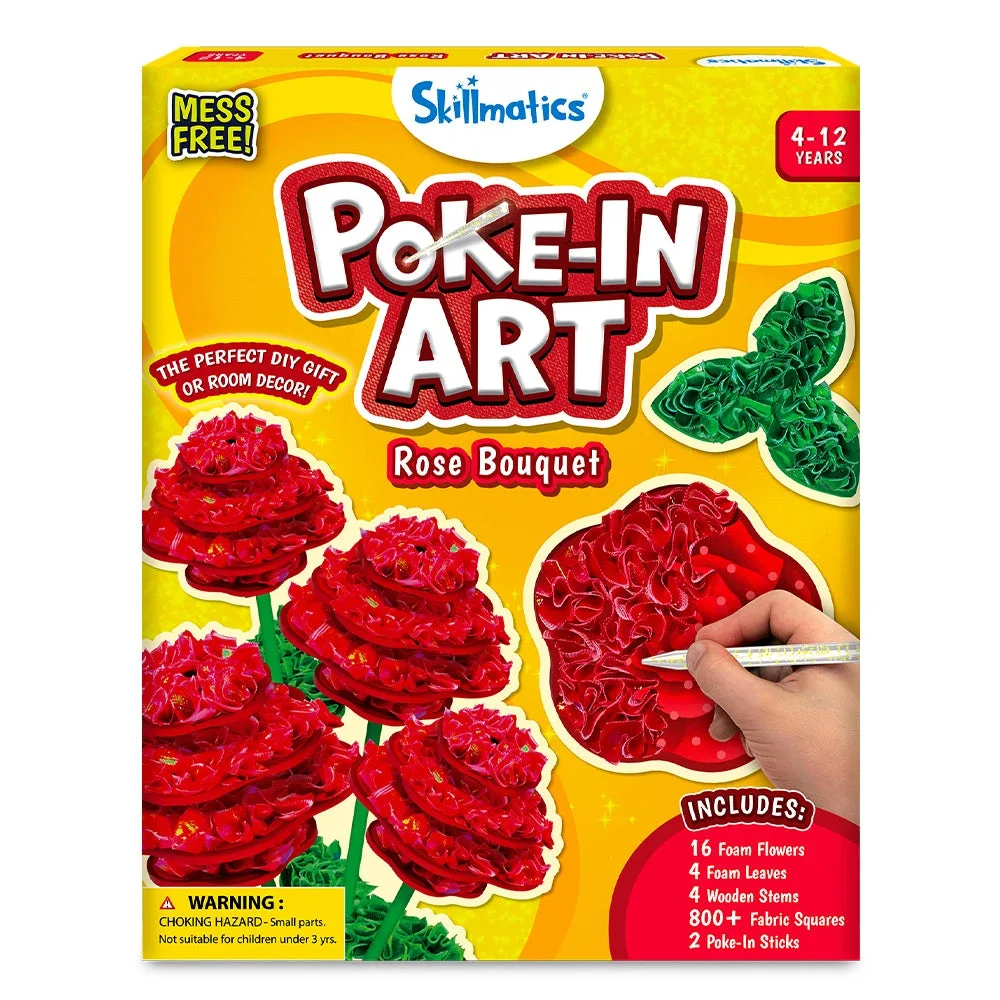
- Skillmatics Poke-in Art - Rose Bouquet, Mess-Free Fun for Kids, DIY Wood Craft Kits: Skillmatics Poke-in Art - Rose Bouquet is a mess-free activity set where kids use fabric squares, foam flowers, and wooden stems to build a DIY rose bouquet that can be given as a gift or used as decoration. The finished bouquet gives kids a visible end product to show or gift, which addresses the 'no next step' reason many kits get abandoned.
- Search and Find Megapack | Reusable Activity Mats (ages 3-6): Search and Find Megapack includes 20 repeatable activities designed to build vocabulary while enhancing observation and logical reasoning skills. Repeatable activities mean the kit can be reused across many short sessions instead of being finished in one sitting, which suits kids who lose interest after the first pass.