Quick Answer
Kids need sunglasses because their eyes are still developing and their pupils are wider, so they let in more UV than adult eyes do. A pair that blocks 100% of UVA and UVB, fits snugly, and actually stays on is the simplest way to protect them. Start the habit early — even babies can wear well-fitted sunglasses.
Why Children's Eyes Are More Vulnerable to UV
A child's lens is clearer than an adult's, so more UV reaches the retina. That matters because UV exposure adds up over a lifetime, and most of it happens before age 18. Kids also spend more time outside, often without shade or a hat.
Sunglasses aren't just a cute accessory — they're a layer of sun safety for kids' eyes, alongside a hat and sunscreen. The goal is to reduce the daily dose, not to keep kids indoors.
What to Look For in Kids' Sunglasses
Check the label for 100% UVA and UVB protection. A snug, flexible frame that stays on during play matters more than a fancy shape. Lightweight materials and a strap or curved temples help them stay put.
Polarized lenses cut glare from water, sand, and pavement, which can make bright days more comfortable. They don't replace UV protection — look for both. If a pair doesn't list UV blocking, treat it as a toy, not eye protection.
How to Get Your Child to Actually Wear Them
Let your child pick the color or style — ownership makes a difference. Put sunglasses on before you leave the house, not after, so it becomes part of the routine like shoes. For babies, distract with a toy or snack while you slide them on.
If they pull them off, try a strap or a smaller size. Keep the pair in the car or by the door so you don't forget. Praise them when they keep them on, and model the habit yourself.
Your Step-by-Step Sun Safety Routine
- Step 1: Check the UV label: Look for 100% UVA and UVB protection on the tag or product page. If it's not listed, don't assume it's there. Checkpoint: No UV claim means no real eye protection.
- Step 2: Get the fit right: The frame should sit close to the face without pinching, and stay on when your child looks down or runs. A strap helps for babies and toddlers. Common mistake: Buying a size up to 'grow into' — loose frames fall off and let UV in around the edges.
- Step 3: Make it a habit: Put sunglasses on before you go outside, every time. Keep a pair in the diaper bag, car, and by the front door. Checkpoint: If you're reaching for your own sunglasses, reach for theirs too.
- Step 4: Pair with a hat and shade: A wide-brim hat and stroller shade reduce UV from above and the sides. Sunglasses cover the eyes; the hat covers the rest. Common mistake: Relying on sunglasses alone during peak sun (10 a.m. to 4 p.m.).
- Step 5: Keep lenses clean and check for wear: Use the microfiber bag to wipe lenses. Check for scratches or loose screws; a damaged lens can distort vision and reduce protection. Next step: Replace scratched or ill-fitting sunglasses rather than letting your child wear them.
Product Facts
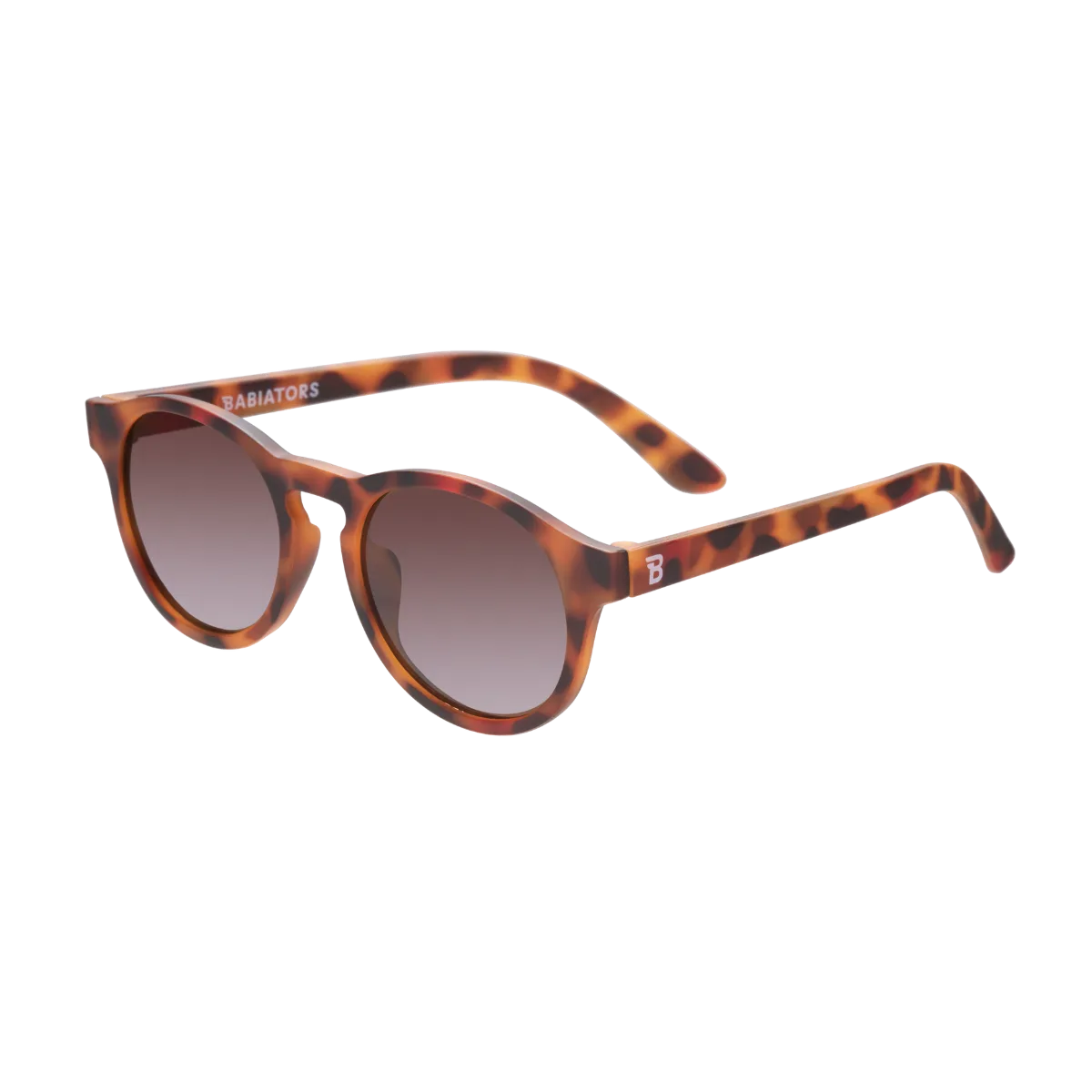
- Classic Tortoise Keyhole | Polarized Gradient Amber Lenses: Classic Tortoise Keyhole with polarized gradient amber lenses, round frame, includes a microfiber storage bag that doubles as a cleaning cloth. Polarized lenses reduce glare on bright days, and the included bag makes it easy to keep lenses clean and scratch-free between outings.
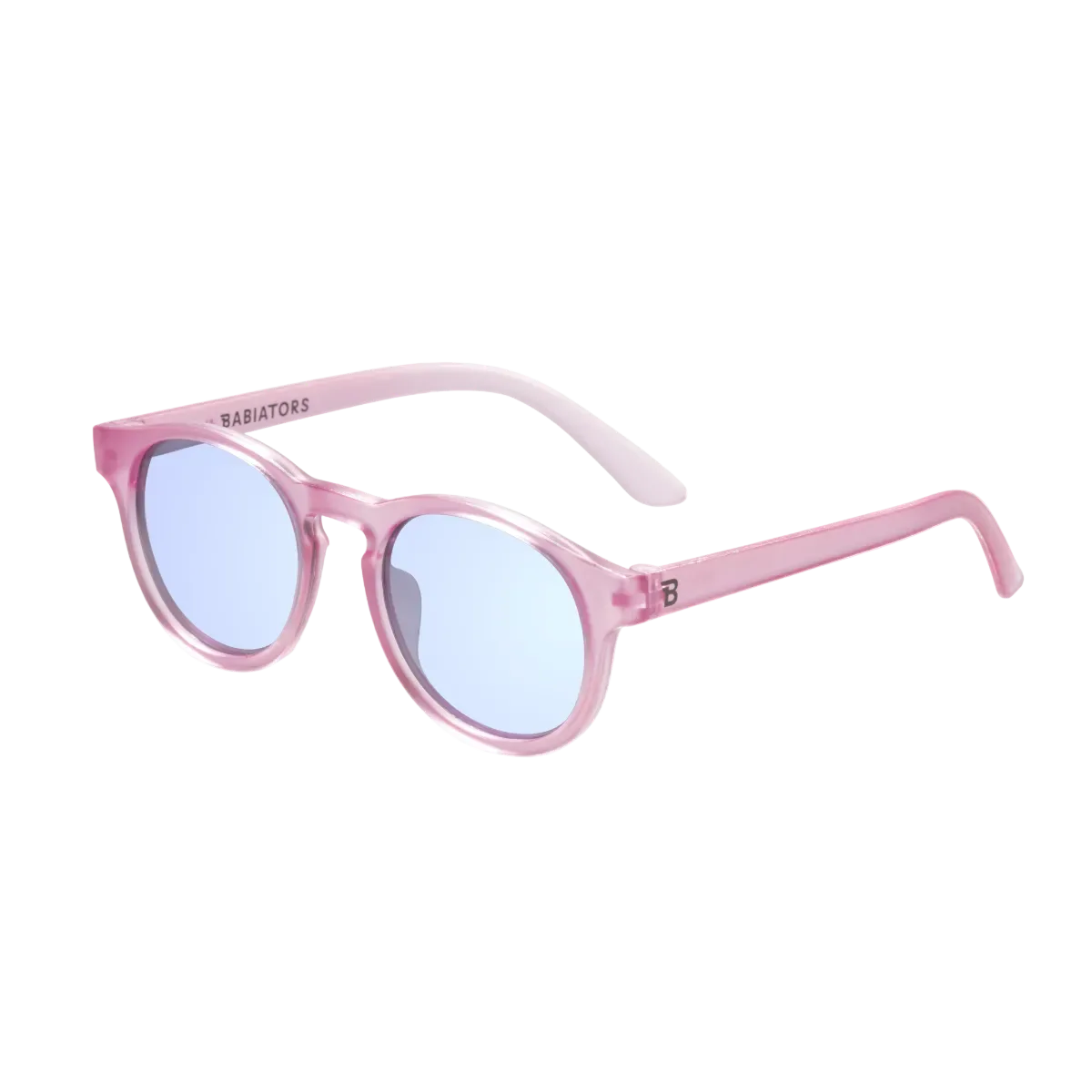
- Fuchsia Haze Keyhole I Purple Mirrored Lenses: Fuchsia Haze Keyhole with purple mirrored lenses, translucent fuchsia frame, includes a microfiber storage bag that doubles as a cleaning cloth. A bold color and mirrored lens can make kids more willing to wear them, which is half the battle with toddler eye health.
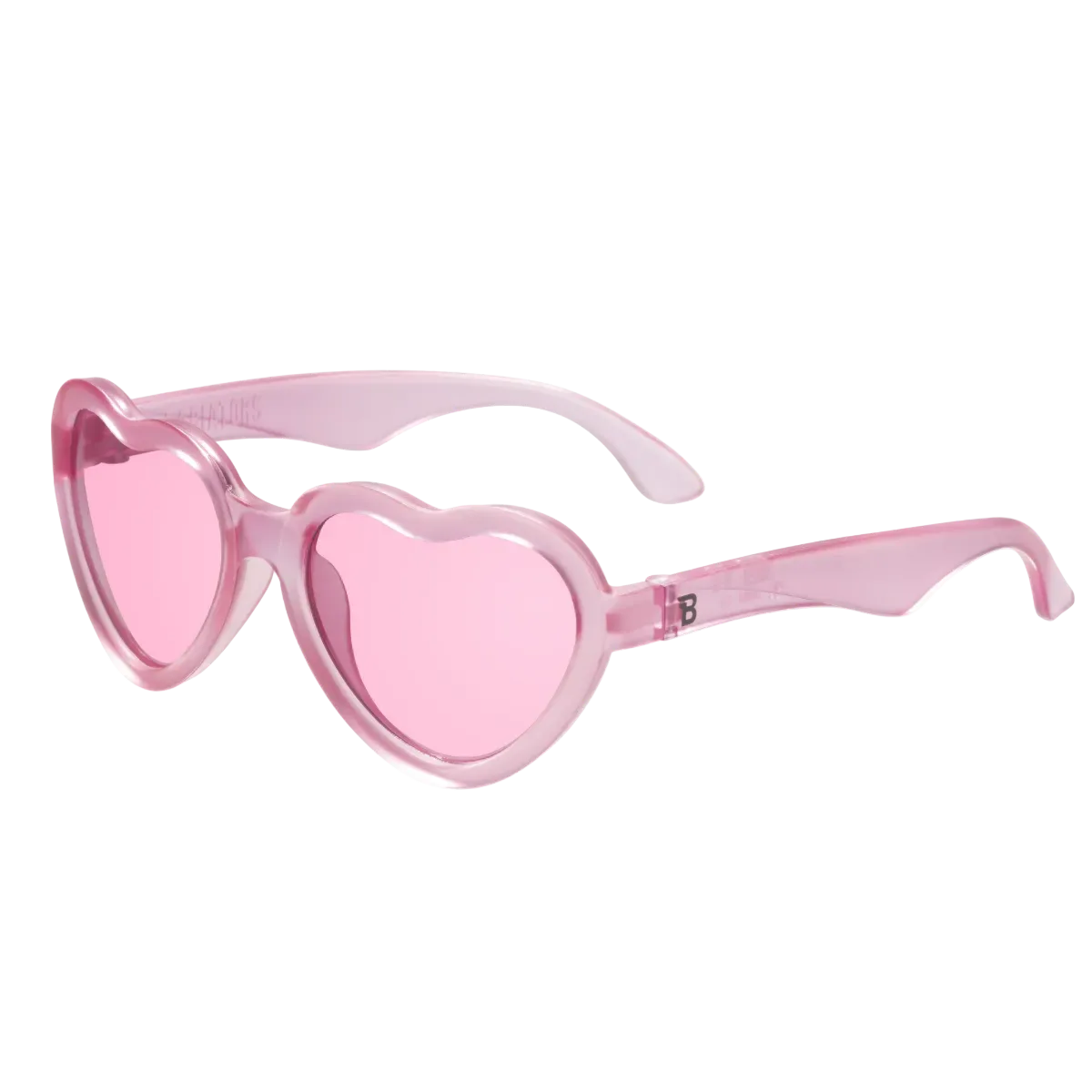
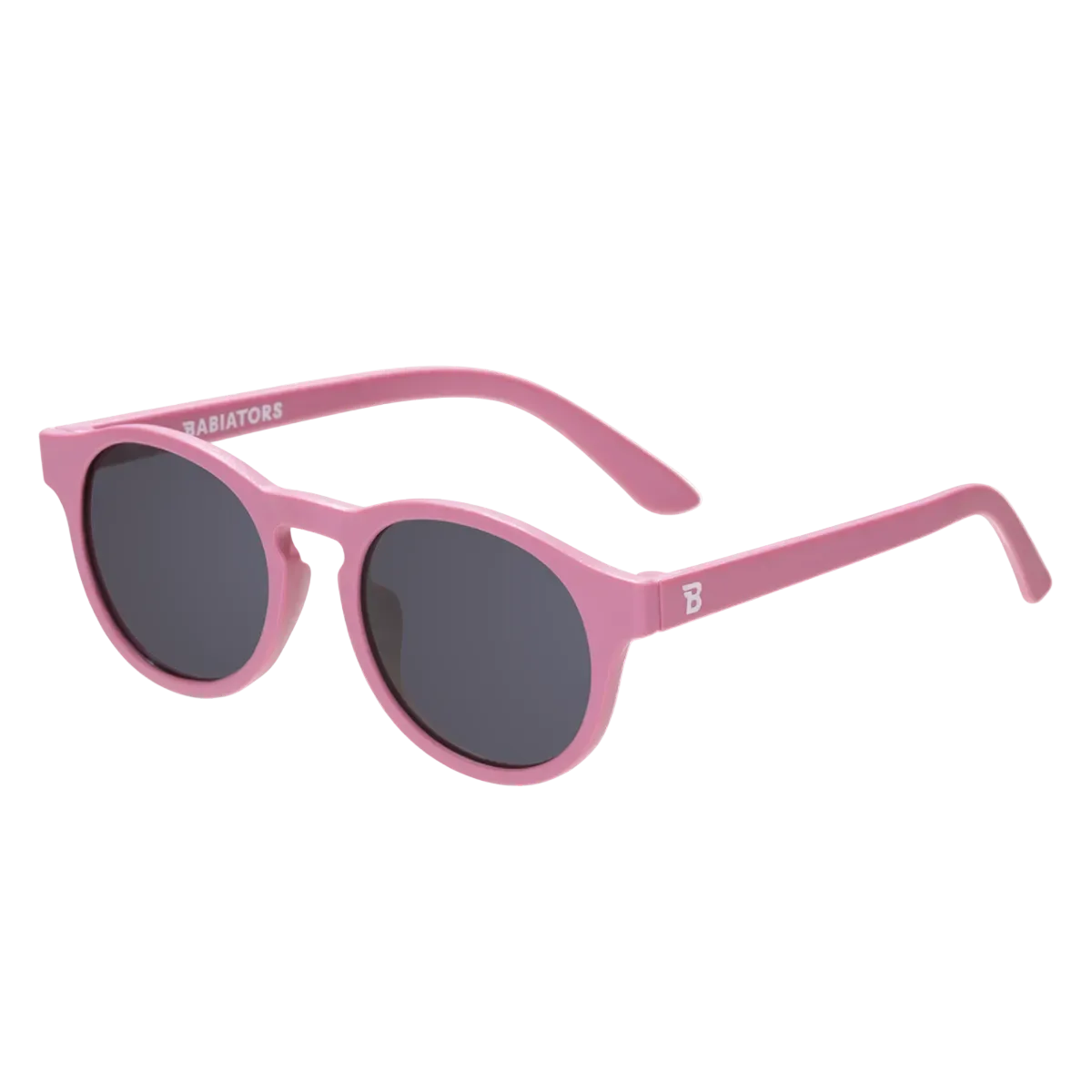
- Moon Cherry Keyhole I Smoke Lenses: Moon Cherry Keyhole with smoke lenses, cherry-pink frame, includes a microfiber storage bag that doubles as a cleaning cloth. Smoke lenses are a good everyday choice for variable light, and the playful color helps kids treat sunglasses as their own.