Quick answer
Leggings go sheer because the knit stretches thin over high-stress areas, fibers weaken with abrasion and harsh washing, and the fabric loses its ability to snap back. The fix depends on the cause: wash cooler and gentler, rotate pairs, size up if the fabric is over-stretched, and replace leggings once the yarn has thinned permanently.
Symptom check: is it the fabric or the fit?
Before you blame the leggings, work out where the sheerness appears. If you can see through the fabric only when you bend, squat, or pull the waistband, the knit is being stretched beyond what it can recover. If the fabric looks thin all over, including on the legs where there is little tension, the fibers themselves have worn down. These are different problems with different fixes, so check in daylight rather than indoor lighting, which hides thin spots.
The everyday causes of thinning leggings
Friction is the quietest cause. Thigh rub, car seats, rough upholstery, and repeated squatting all abrade the surface fibers. Over time the knit loses density and light passes through more easily. Heat is the second cause: hot washes and tumble drying relax elastic fibers so the leggings no longer spring back into shape, leaving the fabric stretched thin. The third cause is simply stretch. A pair that fits snugly when new can become over-extended if you gain weight, if the leggings shrink slightly in the wash, or if you choose a size that is too small to begin with.
How to stop leggings from going sheer
Wash leggings inside out in cold or lukewarm water on a gentle cycle, and skip fabric softener, which coats elastic fibers and reduces their recovery. Air dry them flat or hang them; the dryer is the fastest way to turn a good pair sheer. Give leggings a rest day between wears so the knit can recover its shape. If the sheerness is only at the seams or waistband, check whether the leggings are simply too small, and consider sizing up. Buying a slightly thicker knit for high-movement activities also helps, because denser fabric resists light penetration better than a thin, high-stretch knit.
Squat-proof leggings: what to look for
A squat-proof legging is not a specific brand or fabric; it is a combination of opacity, recovery, and fit. When shopping, stretch the fabric over your hand in daylight. If you can clearly see your skin through it when stretched, it will likely go sheer when you move. Look for a dense knit with good recovery, and choose a size that fits without pulling the fabric tight across the hips and thighs. Remember that even a good pair will thin over time with heavy use, so rotate between two or three pairs to extend their life.
Diagnose your sheer leggings
- Sheer only when stretched: The knit is being pulled too tight. Check your size and consider sizing up, or choose a denser fabric for high-movement days. If a larger size still goes sheer when you squat, the fabric is too thin for your needs.
- Thin all over, including low-stress areas: Fiber wear from washing, drying, and friction has reduced the fabric density. Switch to cold gentle washes and air drying to slow further thinning. Once the fabric is uniformly thin, no wash routine will restore opacity.
- Sheer at seams or waistband only: The leggings are likely too small or the seams are strained. Check the fit and avoid pulling them up by the waistband. If the seams look stretched even when you are standing still, replace the pair.
- New leggings go sheer after one wash: Heat or harsh detergent has damaged the elastic fibers. Wash inside out in cold water and never tumble dry. If one wash ruined them, the fabric may be too delicate for your routine; choose a thicker knit next time.
Everyday basics that support legging care
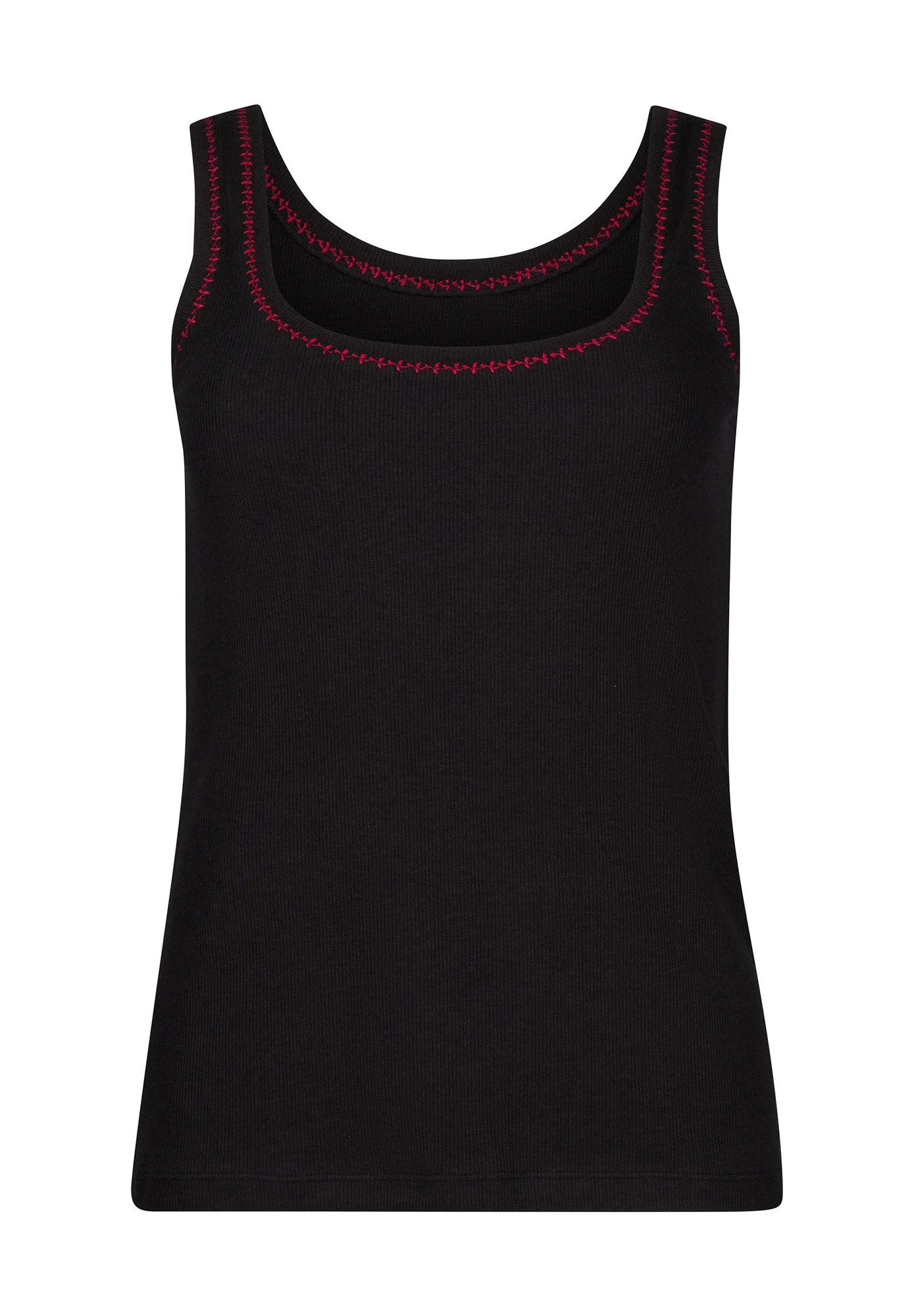
- Rib Tops Tank top | blackred 087526-08A394: Rib Tops Tank top in fine rib fabric made from viscose, cotton and elastane. A soft layering tank under leggings adds coverage without bulk, and the rib knit is easy to wash gently alongside your leggings.
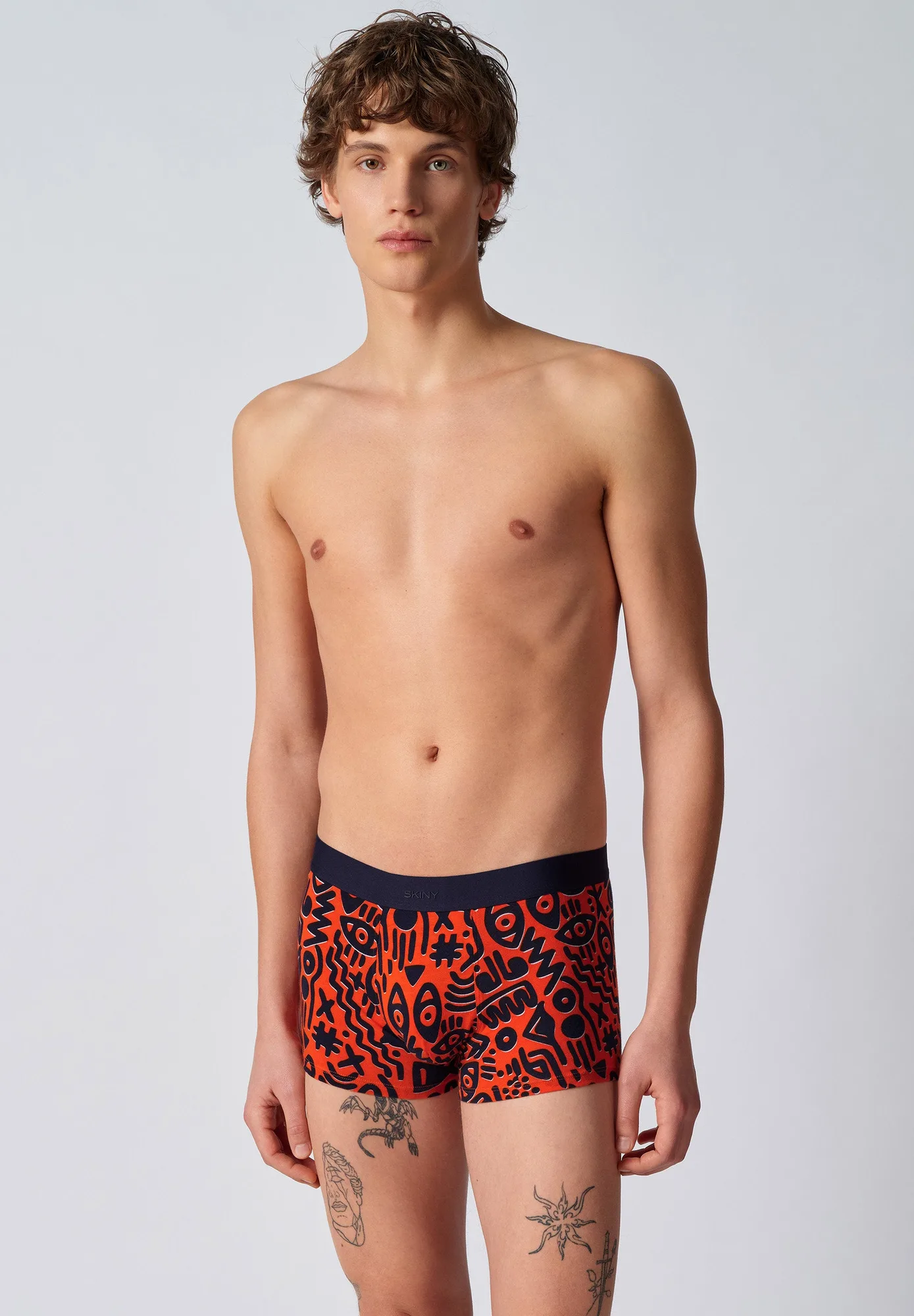
- Cotton Multipack Trunks 2 pack | 085132-08A190: Cotton Multipack Trunks 2 pack in soft cotton-elastane with no side seams. Seam-free underwear reduces friction under leggings, which helps slow the abrasion that makes fabric go sheer.