Quick answer
Most morale patches fall off because the hook-and-loop field is worn, contaminated with lint or dirt, or barely making contact on a curved surface. Clean both sides, press firmly for several seconds, and if the loop side no longer grips, replace it. If the patch itself is peeling apart or its backing is shot, stop resewing and retire it.
Symptom: The Patch Slides or Peels at One Corner
A patch that shifts sideways or lifts at a single corner is usually fighting a curved or flexible mounting surface rather than a failed fastener. Hook-and-loop needs flat, overlapping contact to hold. On a rounded backpack lid, a sloped shoulder strap, or a soft cap panel, only part of the patch touches the loop field, so the unsupported edge catches on sleeves, branches, and seatbelts and peels free.
Test the surface before blaming the patch: press the patch on, then run your thumb along each edge. If any edge lifts with light pressure, the mount is the problem. Move the patch to a flatter panel, or add a stiffener behind the fabric so the loop field stays planar.
Cause: Contaminated Hook-and-Loop
Lint, pet hair, sand, and dried mud pack into the loop side and clog the hooks. The patch still feels attached when you press it, but holding strength drops sharply. This is the most common reason a patch that used to stay put suddenly starts falling off, and it is also the easiest to fix.
Brush the loop field with a stiff nylon brush, then pick out embedded fibers with tweezers. Rinse with lukewarm water only if the manufacturer allows it, and let both sides air-dry completely before reattaching. Never use fabric softener or dryer sheets on hook-and-loop; the residue lubricates the hooks and permanently weakens grip.
Cause: The Adhesive Backing Failed
Peel-and-stick patch backings are pressure-sensitive adhesives, not permanent bonds. They release when the surface is dusty, oily, or textured, when the gear flexes, or when the item sits in a hot vehicle. If the patch adhesive is not sticking, the adhesive has usually already transferred to the fabric and will not re-bond reliably.
For a permanent fix, remove the old adhesive with isopropyl alcohol, let the surface dry, and sew the patch or a fresh loop panel in place. If you must use adhesive, apply it to a clean, flat, rigid surface and press hard for 30 seconds. Treat it as temporary.
Cause: Stitching or Edge Wear on the Patch Itself
When the embroidered border frays or the backing separates from the embroidered face, no amount of velcro adjustment will help. This happens on patches that snag repeatedly on rough surfaces or that have been washed and dried aggressively. Once the structural stitching is compromised, the patch will keep shedding threads and losing shape.
Inspect the perimeter under good light. Loose threads at the edge can sometimes be secured with a few hand stitches, but a separated backing means the patch has reached the end of its service life.
How to Attach Morale Patches So They Stay Put
Start with a clean loop field and a clean patch back. Align the patch, then press from the center outward to push air out and seat the hooks. Hold firm pressure for at least ten seconds; a quick tap is not enough for the hooks to engage fully.
Match patch size to the loop panel. A patch that overhangs the loop field has unsupported edges that catch and peel. If you swap patches often, keep the loop field brushed and avoid stacking patches, which doubles the leverage on the outermost one.
When to Replace the Backing or Retire the Patch
Replace the loop side when brushing no longer restores grip, when the loops look flattened and shiny, or when the panel has lost more than a small fraction of its pile. Replacement loop panels are inexpensive and restore full holding strength.
Retire the patch when the embroidered face is separating from its backing, when the edge is fraying beyond a few threads, or when repeated repairs have made it visibly unstable. At that point, a replacement patch costs less than the time spent chasing it off the trail.
Diagnose Your Loose Patch in Four Checks
- Check the loop field for contamination: Brush the loop side with a stiff nylon brush and remove lint, hair, and grit. If grip returns, the patch was fine and the mount was dirty. If brushing does not restore grip, the loop field is worn and should be replaced.
- Check the adhesive bond: If the patch was peel-and-stick, look for adhesive residue on the fabric. Residue means the bond already failed and will not re-form reliably. Clean the surface with isopropyl alcohol and sew the patch or a loop panel instead of re-gluing.
- Check patch-to-panel fit: Press the patch on and run a thumb along each edge. Any edge that lifts means the loop field is too small or the surface is too curved. Move the patch to a flat panel or add a larger loop field; do not keep pressing a patch that overhangs.
- Check the patch structure: Inspect the embroidered border and backing. Fraying edges or a separated backing cannot be fixed by adjusting the fastener. Stop repairing and replace the patch once the backing separates.
Patches Built to Stay Attached
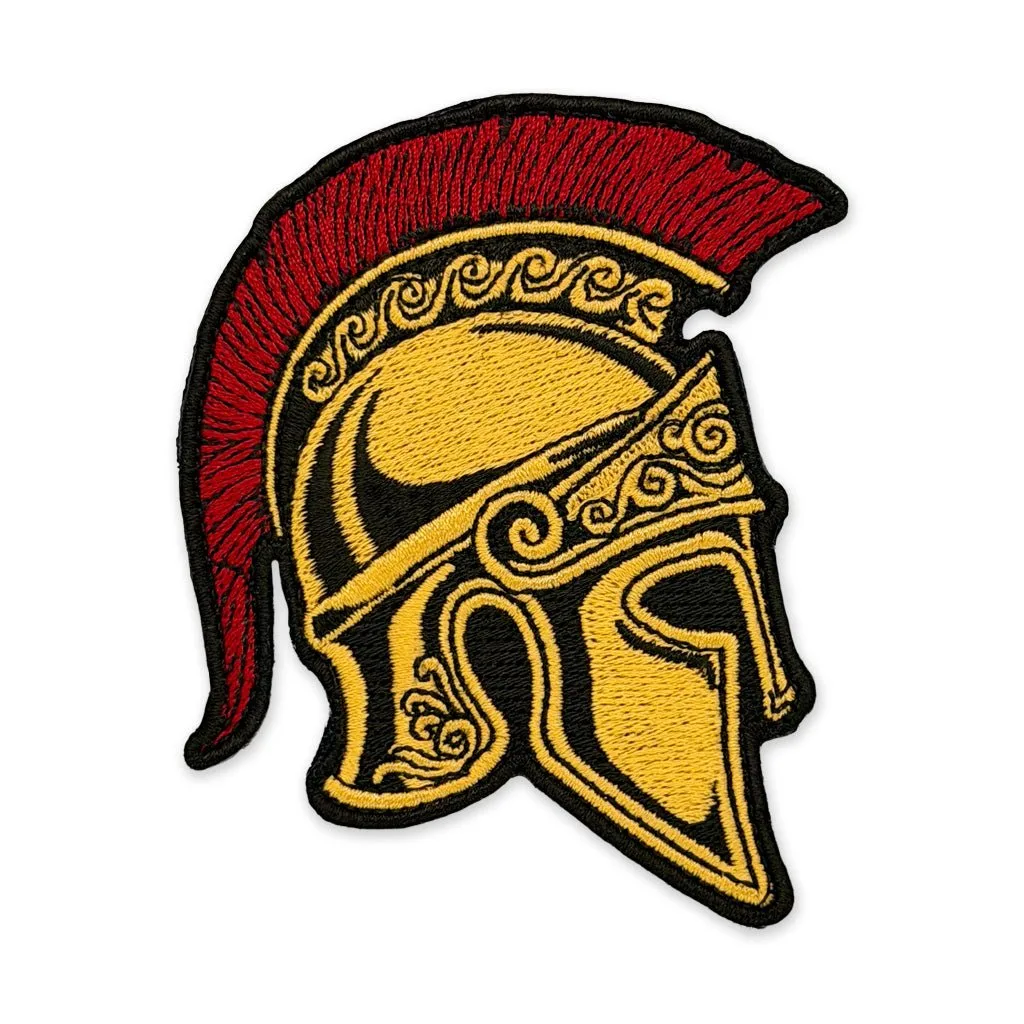
- PDW Odysseus v2 Morale Patch: PDW Odysseus v2 Morale Patch uses a hook-and-loop backing and is priced at USD 5.76. A fresh, correctly sized hook-and-loop patch removes the worn-backing variable, so you can isolate whether the problem is the patch or the loop field on your gear.
- PDW Memento Mori Cat Eye: PDW Memento Mori Cat Eye is a hook-and-loop patch in the Cat Eye/Ranger Eye format that PDW has produced for roughly 24 years. The long-running format means replacement loop panels and compatible mounts are easy to find, which matters if you swap patches often and wear out the loop side.
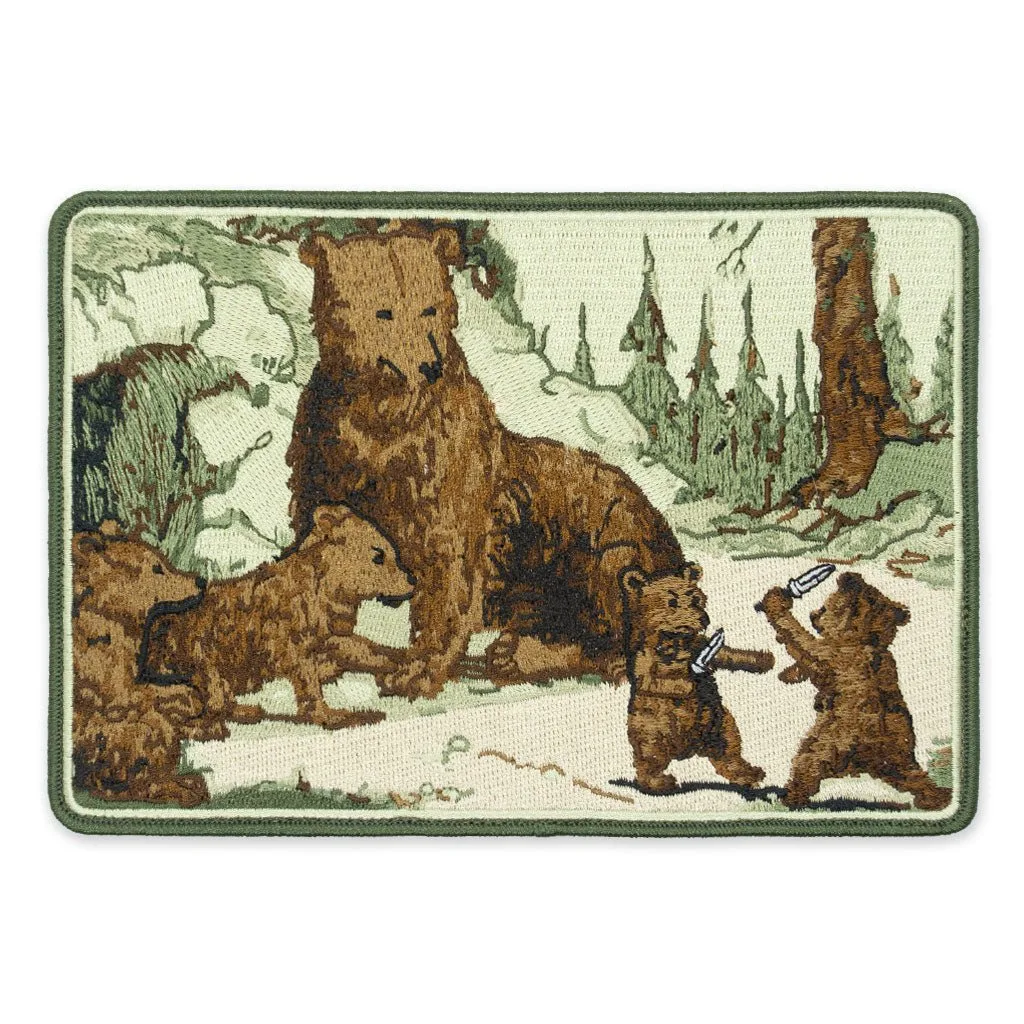
- PDW Bear Cubs Knife Fight Morale Patch: PDW Bear Cubs Knife Fight Morale Patch is a large 7" x 5" fully embroidered polyester-on-canvas patch. Large patches need a loop field at least as big as the patch; an undersized panel leaves overhanging edges that catch and peel, so measure before you mount it.