Quick answer
Your paint sample jar looks different on the wall because lighting, surface texture, and surrounding colors affect how the pigment reads—not because the color is wrong.
Lighting changes everything
Natural daylight, warm bulbs, and cool LEDs each cast a different tint on your walls. The same limewash color can appear brighter, grayer, or more saturated depending on the light source and the time of day.
Surface texture and undertones
A smooth sample jar shows the color in its purest form, but your wall has its own texture and existing undertones. Porous plaster or old paint underneath can subtly shift the final look.
Surrounding colors play a role
Colors next to your sample—furniture, trim, or adjacent walls—create an optical illusion that makes the sample appear different than it does in the jar.
Verdicts on common sample jar myths
- Myth: The jar color is the final wall color: Verdict: False. The jar shows the color in ideal lighting; your wall's lighting and texture will change it. Always test on the wall before deciding. Paint a large swatch and view it at different times of day.
- Myth: A sample jar is only for testing: Verdict: False. Sample jars are also great for small craft projects, decor items, and touch-ups on previously finished surfaces. Keep leftover sample for future touch-ups.
- Myth: If it looks different, the color is wrong: Verdict: False. The color is correct; the environment changes the perception. Adjust lighting or surrounding colors before rejecting the shade. Compare the sample under multiple light sources.
Sample jars that help you test
-
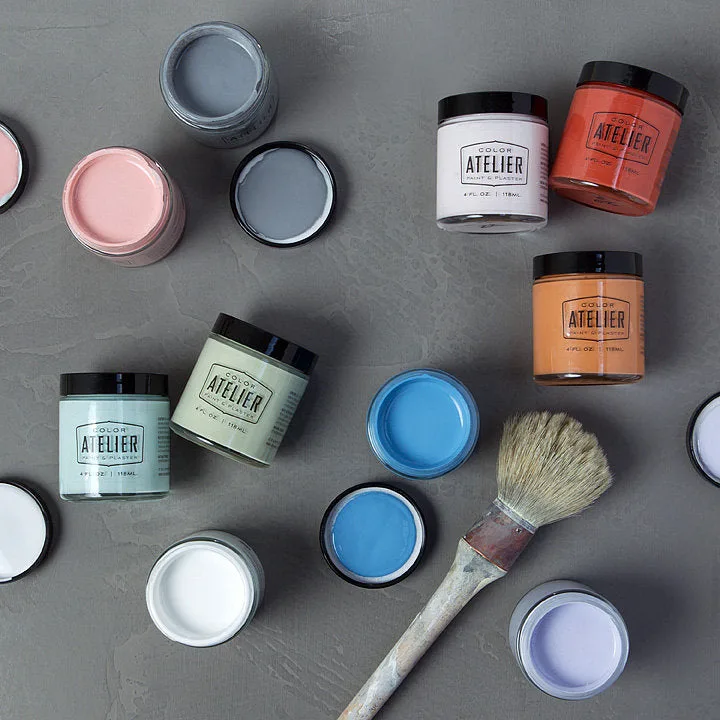
Sarah Sherman Samuel x Color Atelier Sample Jar: Sarah Sherman Samuel x Color Atelier Sample Jar comes in a 4-ounce Limewash sample jar and is available in standard 100% color strength. Because it's the same strength as the full-size product, you can paint a swatch on your wall and see exactly how the color will look before committing.
Sarah Sherman Samuel x Color Atelier Sample Jar