Quick answer
Most damaged customized card orders and broken pencil shipments are caused by packaging that let the item shift and bend in transit, not by a printing defect. Photograph the damage before you open anything further, then decide: minor bends on a blank-inside letterpress card can often be flattened, but creased artwork, cracked pencil cores, or torn envelopes warrant a replacement request. If the card was personalized or printed to order, check the store's policy before trying to fix it yourself.
Symptom: what the damage actually looks like
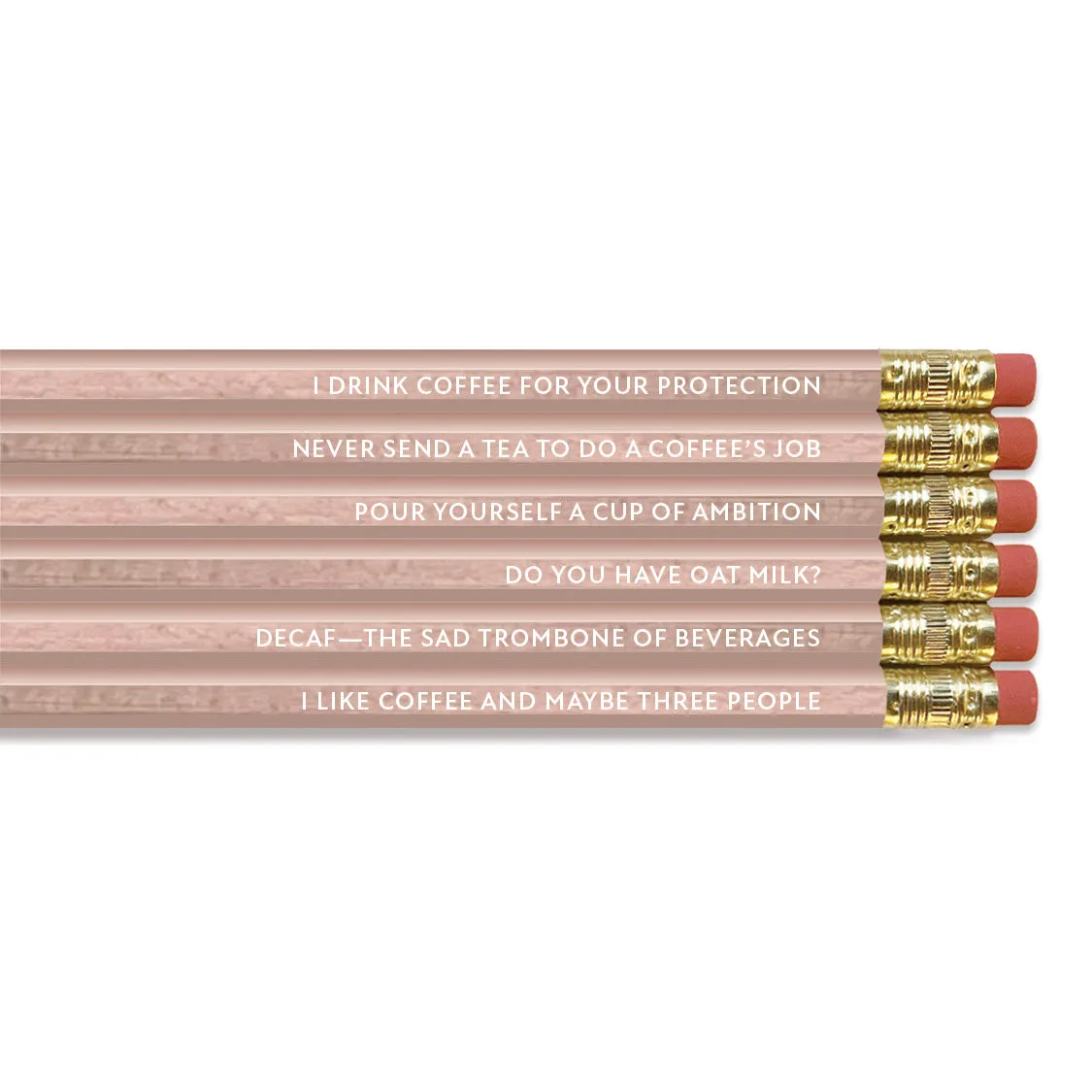
Damage shows up in a few predictable forms. A bent card in shipping usually has a soft bow across the middle or a crease near one corner, often with a faint line where the paper fibers stretched. A pencil order arrived broken typically means a snapped shaft, a split barrel, or a cracked core that crumbles when you sharpen it. Envelopes can arrive with crushed corners or torn flaps even when the card inside looks fine.
Before you decide anything, photograph the item on a flat surface in daylight, including the packaging it arrived in. That photo is the single most useful thing you can have when you contact the store, and it also tells you whether the damage happened in transit or was already present.
Likely cause: why paper and pencils break in transit
Paper bends when it has room to move. A card that isn't held snug against a rigid backing can flex with every bump in the mail stream, and once cotton paper creases, the fibers are permanently weakened at that line. Pencils break for a related reason: a shaft that can rattle sideways inside a box takes the full force of any impact, and wood plus graphite doesn't flex back.
This is why card packaging protection matters more than box thickness. A stiff mailer with the card loose inside protects less than a thinner mailer with the card secured against a backing board. If your order arrived in a soft envelope with no rigid insert, that alone explains most bending. If it arrived in a rigid mailer and still bent, the cause is more likely handling pressure severe enough to crease the whole package.
Corrective action: what you can fix at home
A gentle bow with no visible crease is sometimes recoverable. Place the card between two clean sheets of blank paper, put it under a flat weight like a stack of books, and leave it for a day or two. Skip the iron and skip anything wet. Heat and moisture can warp cotton paper further and can smear or lift letterpress ink.
If the card has a blank inside, minor damage is less of a problem because you aren't covering printed text. A card with a printed message and a crease running through the words is a different situation: flattening won't remove the crease line, and it will still be visible when the card is opened. For pencils, there is no reliable home fix for a snapped shaft or a cracked core. A split barrel can sometimes be stabilized with a thin wrap of tape, but it will feel wrong in the hand and may still crumble when sharpened.
- Do photograph the damage and the packaging before you flatten, tape, or discard anything.
- Do store the card flat under weight if you plan to send it soon.
- Don't iron, steam, or dampen the paper.
- Don't try to glue a snapped pencil shaft back into alignment.
- Don't write on a creased card until you've decided whether to request a replacement.
When to stop and ask for a replacement instead
Stop trying to fix it when the damage affects anything the recipient will read or hold. A crease through printed text, a torn envelope flap, a cracked pencil core, or a bent card that won't sit flat after a day under weight are all replacement cases, not repair cases. The same applies if the order was customized or personalized, because a home repair can't restore a one-off print run and may complicate your claim.
Contact the store with your photos, your order number, and a one-line description of what's wrong. Ask specifically whether they want the damaged item returned or whether a photo is sufficient. If the store can't tell you how the replacement will be packaged differently, that's worth asking about directly, because a replacement sent the same way may arrive with the same problem.
How to reduce the odds next time
When you order cards or stationery, check whether the listing mentions a rigid mailer or backing board. If it doesn't, it's reasonable to ask before ordering, especially for a personalized card you can't easily reorder. For multi-item orders, grouping flat paper goods together in one rigid package usually protects them better than shipping each item separately in soft envelopes.
If you're buying a card that has to arrive in good shape for a specific date, build in a buffer. Order earlier than you think you need to, and open the package the day it arrives rather than the day you plan to write in it. Damage discovered a week before the event is a replacement request; damage discovered the morning of is a problem you have to solve with whatever you have on hand.
Damage diagnosis: match the symptom to the right next step
- Soft bow, no visible crease line: The card flexed in transit but the paper fibers aren't broken. Press it flat under a weight for a day or two and check whether it sits level. If it lies flat afterward, use it. If the bow returns, treat it as a replacement case.
- Crease through printed text or artwork: The fibers are permanently stretched at the fold line. No amount of weighting will remove it, and it will be obvious when the card is opened. Stop here and request a replacement with photos of the card and the packaging.
- Snapped or cracked pencil: A broken shaft or crumbling core can't be realigned or re-cored at home, and tape won't restore the feel or function. Request a replacement rather than repairing it.
- Crushed or torn envelope, card intact: The card survived but the envelope took the impact. This is common with brown bag envelopes, which crease easily. Ask whether a replacement envelope can be sent on its own; it's usually the fastest fix.
- Damage on a personalized or customized card: A one-off print run can't be repaired, and attempting a fix may affect how the store handles your claim. Don't modify it. Contact the store first with photos and your order number.
Product facts that matter for damage claims
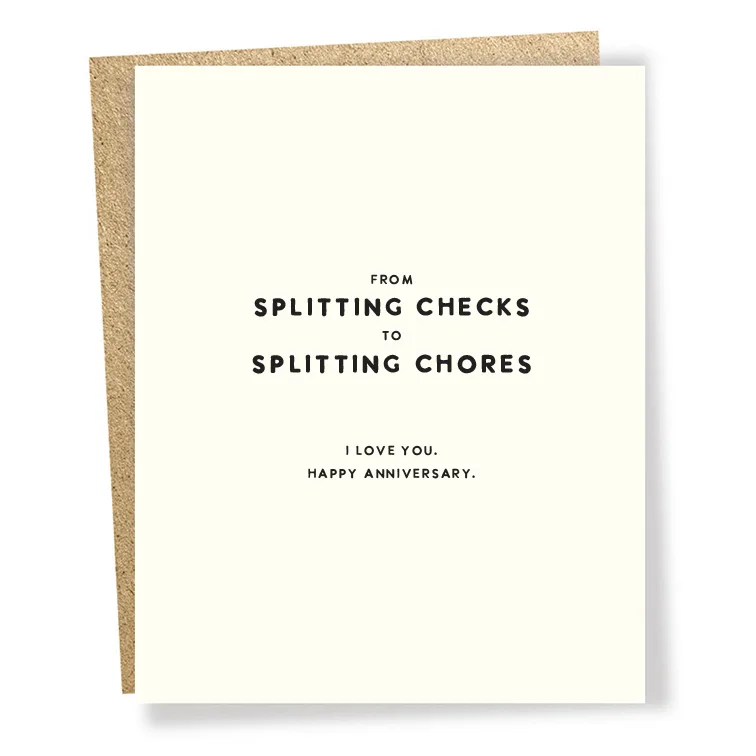
- Splitting Chores Anniversary Card: 5.5 x 4.25 inch card on soft white cotton paper with a brown bag envelope, letterpress printed in black. Cotton paper holds a crease once it bends, so inspect this card flat before writing in it; the brown bag envelope also crushes more visibly than a stiff envelope.
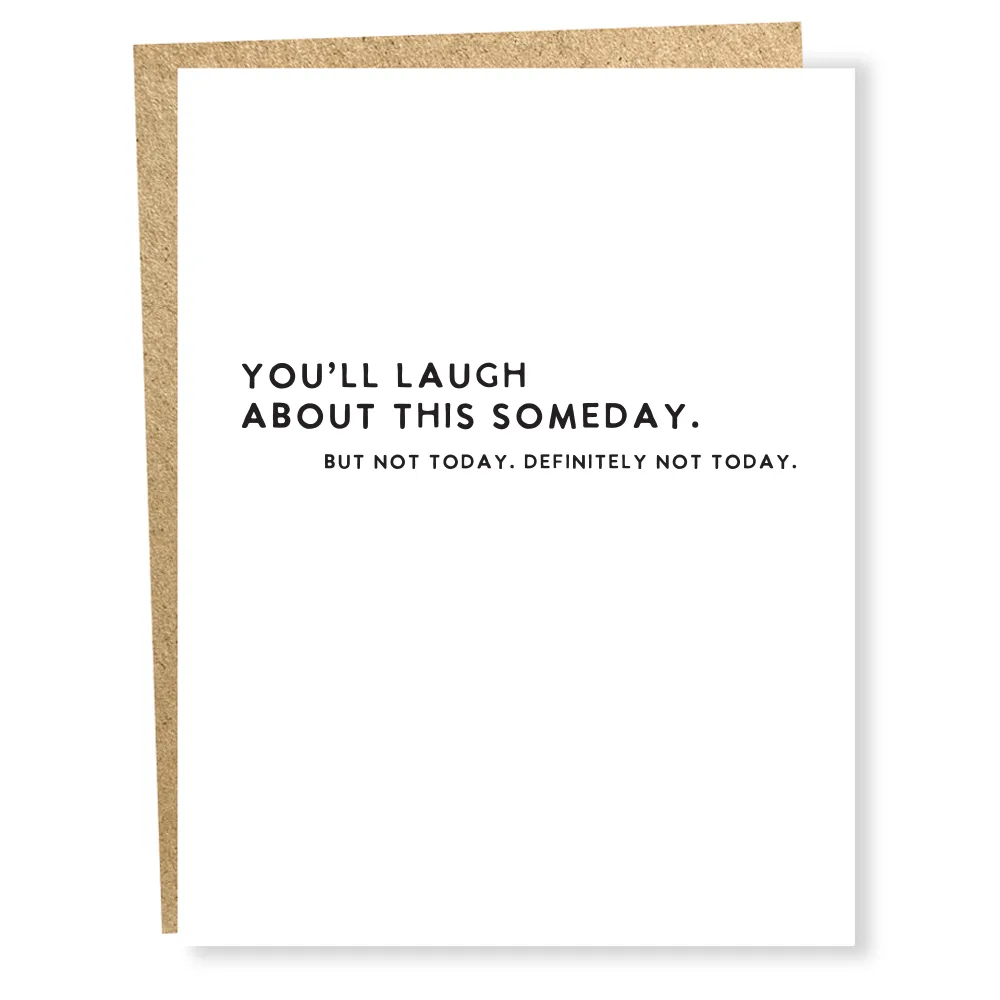
- not today card: 5.5 x 4.25 inch card on white cotton paper with a blank inside and a brown bag envelope, letterpress printed in black. The blank inside means a minor bow won't obscure a printed message, so this is one of the few cases where flattening under weight is worth trying before requesting a replacement.
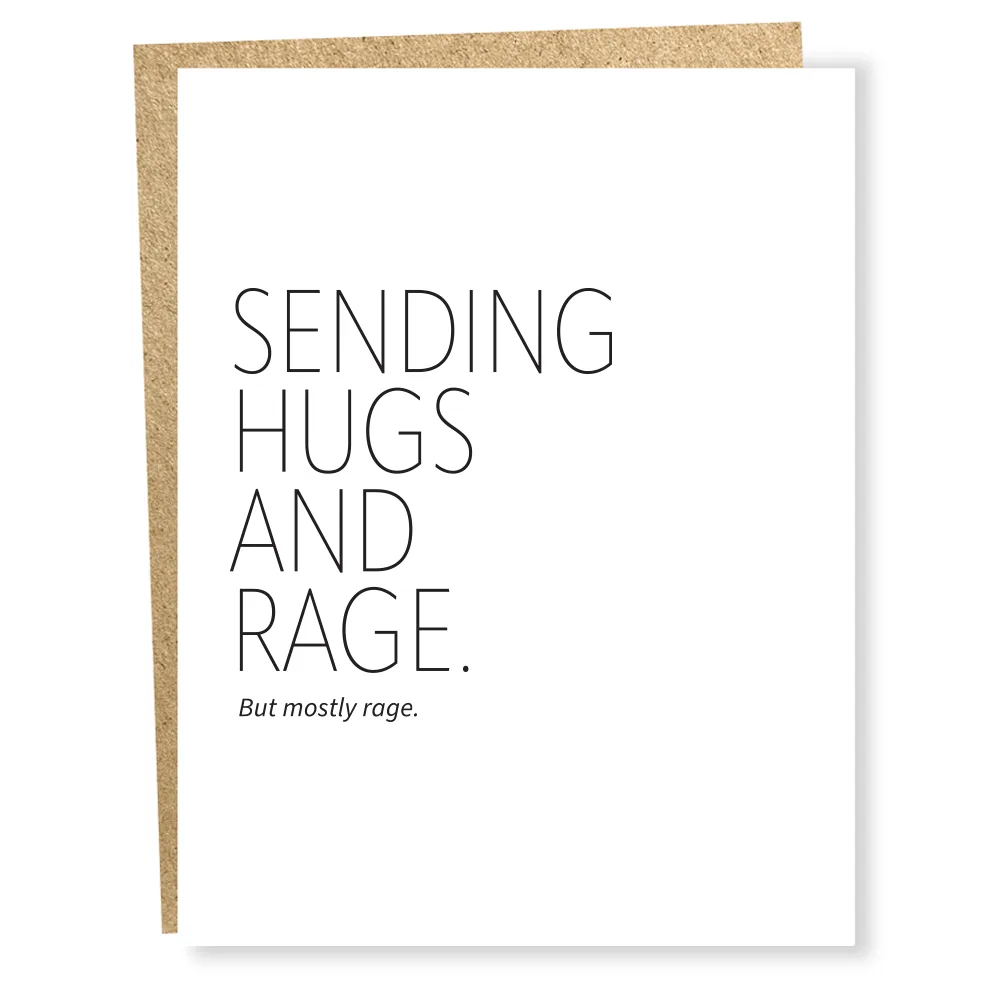
- Rage card: 5.5 x 4.25 inch card on white cotton paper with a blank inside and a brown bag envelope, letterpress printed in black. Same blank-inside advantage as the other cards, but any crease through the printed front line is still a replacement case because flattening won't remove it.