Quick answer
Perfume oil smells different on skin vs clothes because skin's warmth and natural oils alter the fragrance's evolution, while fabric absorbs and holds scent differently. To enjoy the full scent profile, apply to skin for the true experience, and use clothes for a longer-lasting but less nuanced scent.
Have you ever spritzed your favorite perfume oil on your wrist and then on your shirt, only to notice that they smell completely different? You're not alone. This is a common phenomenon that confuses many fragrance lovers. The way a perfume oil interacts with your skin versus fabric can dramatically change how it smells and how long it lasts.
In this article, we'll break down the science behind this difference, explain why it happens, and give you practical tips on how to use perfume oil on both skin and clothes to get the best results. Whether you're a fragrance newbie or a seasoned enthusiast, understanding this can elevate your scent game.
The Science of Skin vs. Fabric
Your skin is a living, breathing surface. It has a natural pH level, produces oils (sebum), and radiates heat. These factors interact with the perfume oil's molecules, causing them to evaporate at different rates and blend with your body's chemistry. This is why a fragrance can smell one way on you and completely different on someone else. The top notes, which are the first impression, may fade quickly as the heat of your skin accelerates their evaporation, revealing the heart and base notes sooner.
Fabric, on the other hand, is inert. It doesn't have the same chemical reactions or heat. Perfume oil applied to fabric sits on the surface and is absorbed into the fibers. The scent molecules evaporate much more slowly, so the fragrance lasts longer but doesn't evolve as much. The top notes may linger, but the overall scent profile is more static. Additionally, different fabrics—cotton, wool, silk—can affect how the oil is absorbed and how the scent projects.
- Skin: warm, oily, and pH-sensitive, causing the fragrance to evolve quickly.
- Clothes: absorbent and inert, preserving the scent but limiting its development.
- The same perfume oil can smell 'brighter' on skin and 'deeper' on fabric.
How to Use Perfume Oil on Skin
For the most authentic experience, apply perfume oil directly to your skin, focusing on pulse points like your wrists, neck, and behind your ears. These areas emit heat, which helps to diffuse the fragrance throughout the day. The warmth helps the top notes bloom and the heart notes to develop, giving you the full olfactory experience.
One tip is to apply the oil immediately after a shower when your pores are open and your skin is slightly damp. This helps the oil absorb better and can extend its longevity. However, be careful not to rub your wrists together, as this can crush the fragrance molecules and make the scent fade faster. Instead, gently dab or let it air dry.
- Apply to pulse points for a stronger, evolving scent.
- Use right after a shower for better absorption.
- Avoid rubbing wrists together to preserve the fragrance.
How to Use Perfume Oil on Clothes
If you want your perfume oil to last all day with minimal fuss, applying it to your clothes is a great option. The fabric holds onto the scent molecules, releasing them slowly over time. This is perfect for long workdays or special occasions when you can't reapply. However, be aware that the scent won't evolve as much, so you'll miss out on the full journey of the fragrance.
When applying to clothes, it's best to spray or dab the oil on areas that don't rub against your skin, like the collar, cuffs, or hem. This prevents the scent from mixing with your skin's oils and keeps it cleaner. Also, be cautious with delicate fabrics like silk or light-colored clothing, as some oils can leave stains. Always test on a small, inconspicuous area first.
- Apply to collars, cuffs, or hems for a longer-lasting scent.
- Test on delicate fabrics to avoid staining.
- Remember the scent won't evolve as much on fabric.
Diagnosis: Why Your Perfume Oil Smells Different
- Symptom: You notice that the perfume oil smells different when applied to your skin compared to your clothes. This is normal and expected due to the different interactions.
- Likely Cause: Skin's warmth, oils, and pH alter the fragrance's evaporation and development, while fabric absorbs and holds the scent without much evolution. Understanding this helps you choose where to apply based on your preference.
- Corrective Action: If you want the full scent experience, apply to skin. If you want longer-lasting scent with less development, apply to clothes. You can also layer by applying to both. Layering on skin and clothes can give you the best of both worlds.
- When to Stop or Choose Another Option: If the scent on clothes becomes too faint or doesn't project, or if you notice staining on delicate fabrics, stop applying to that fabric and switch to skin application or use a different fragrance. Always test on a small area first and adjust based on your experience.
Perfume Oils That Work Well on Both Skin and Clothes
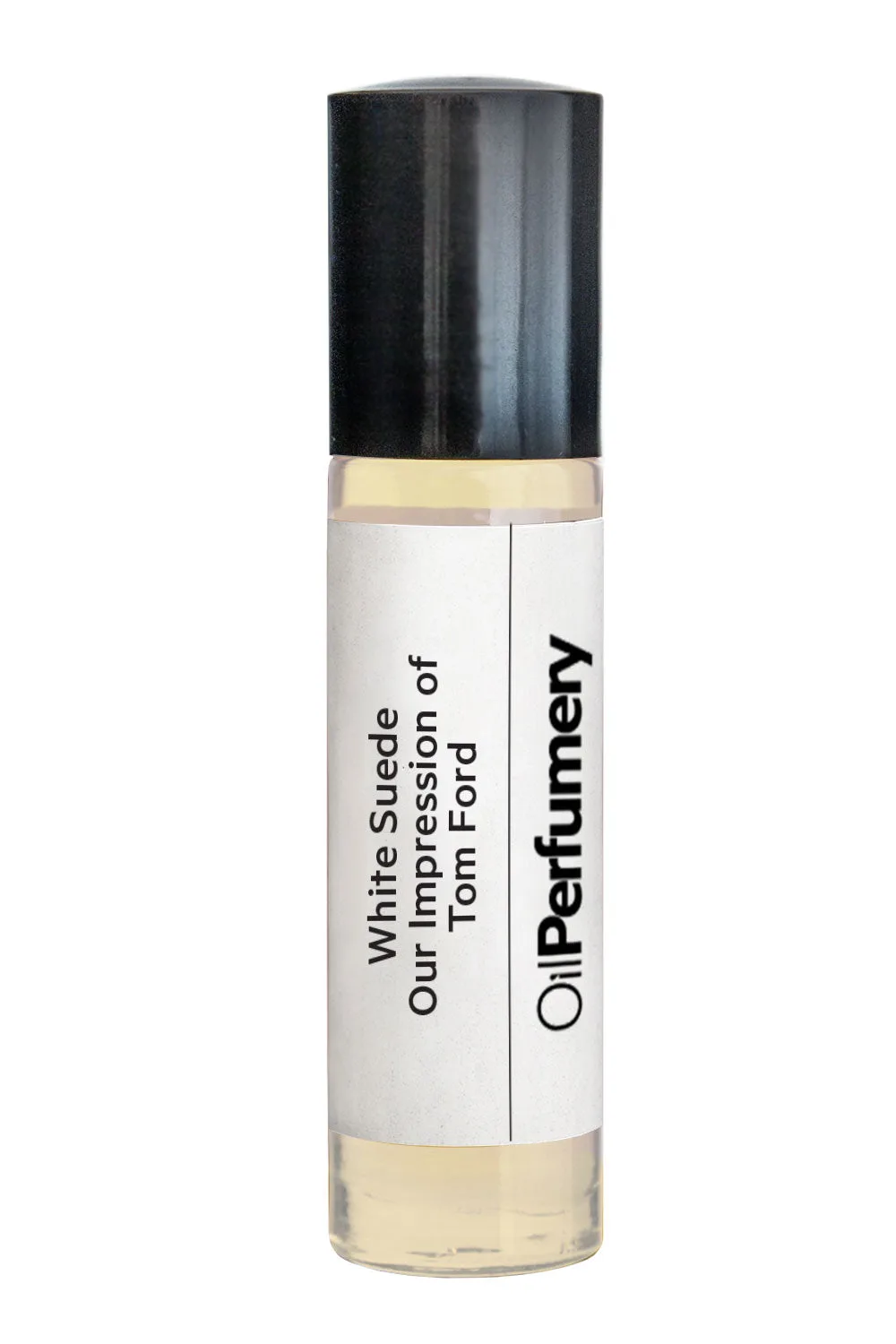
- Oil Perfumery impression of Amouage - Guidance: Our 10 ml glass bottle has a stainless steel roller ball for your smoothest application. It's the perfect size for your gym bag, purse, car, or wherever you need to freshen up! The roller ball makes it easy to apply directly to skin or clothes without waste, and the compact size is perfect for on-the-go touch-ups.
- https://oilperfumerysm.com/products/oil-perfumery-impression-of-christian-dior-dior-homme-intense-255475Oil Perfumery Impression of Christian Dior - Dior Homme Intense: Our 10 ml glass bottle has a stainless steel roller ball for your smoothest application. It's the perfect size for your gym bag, purse, car, or wherever you need to freshen up! With its iris and lavender notes, this oil is versatile enough to be enjoyed on skin for a sophisticated scent or on clothes for a subtle, long-lasting aura.
Understanding how perfume oil behaves on skin versus clothes empowers you to use your fragrances more effectively. Whether you prefer the evolving scent on your skin or the lasting power on your clothes, there's no wrong way—just different experiences. For a versatile option that works well on both, try the Oil Perfumery impression of Amouage - Guidance and enjoy its beautiful blend wherever you apply it.