Quick Answer
Playing cards go out of print when a limited print run sells out and the creator or brand decides not to reprint. For collectors, scarcity can increase value, but not every out-of-print deck appreciates. Focus on decks you genuinely like and understand the factors that drive rarity.
If you've been collecting for a while, you've likely seen a deck you passed on suddenly become hard to find. Out-of-print playing cards can command high prices on the secondary market, but the reasons behind scarcity are often misunderstood. Knowing why decks disappear helps you make smarter purchases and avoid overpaying.
This article explains the typical lifecycle of a limited edition deck, the role of print runs and collaborations, and what to consider before you invest in a deck that may never be reprinted.
The Typical Lifecycle of a Limited Edition Deck
Most playing cards that go out of print start as limited releases. A brand like 1ST Playing Cards partners with a manufacturer—often the United States Playing Card Company (USPCC)—to produce a set number of decks. Once that run sells out, the creator may choose not to reprint, especially if the collaboration was a one-time project.
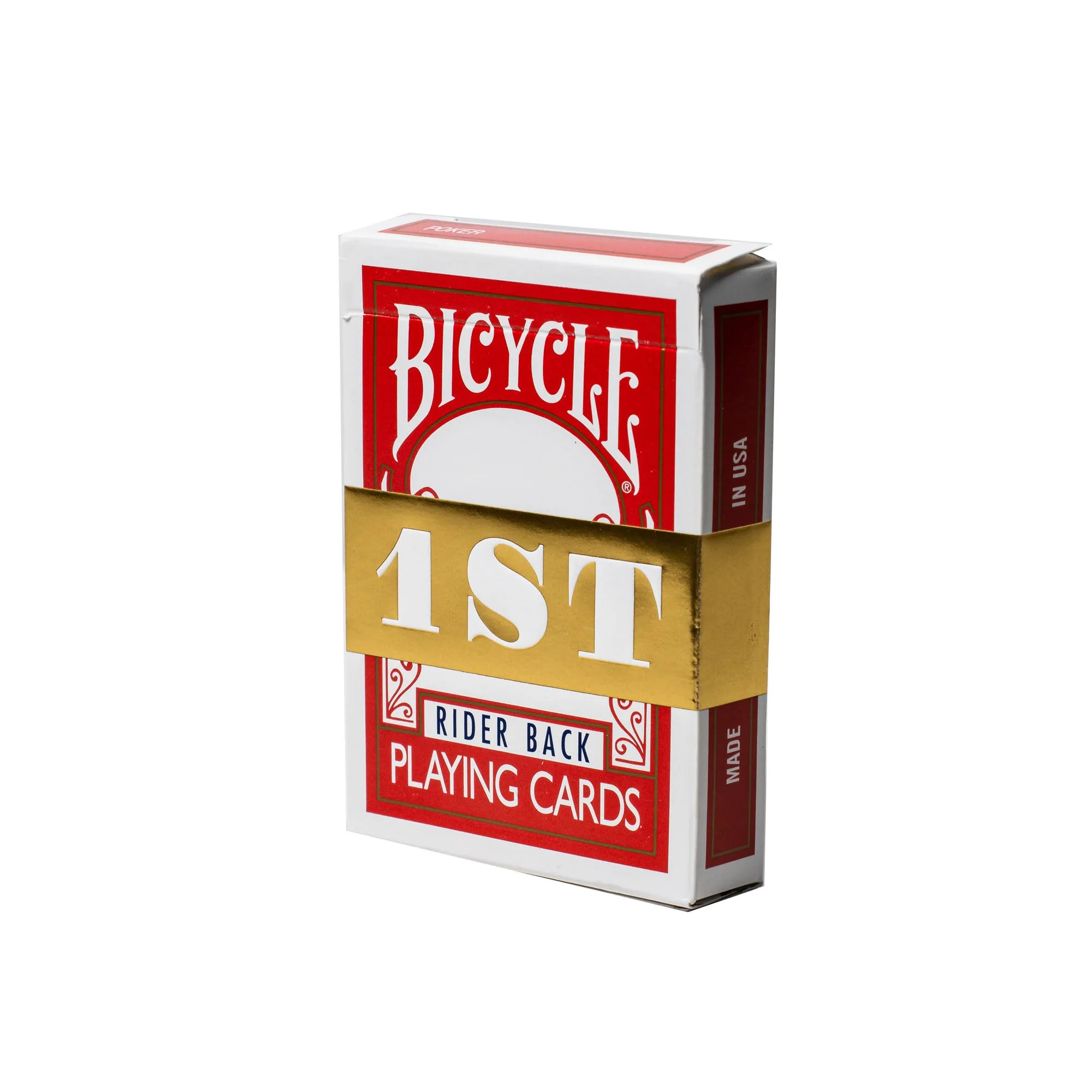
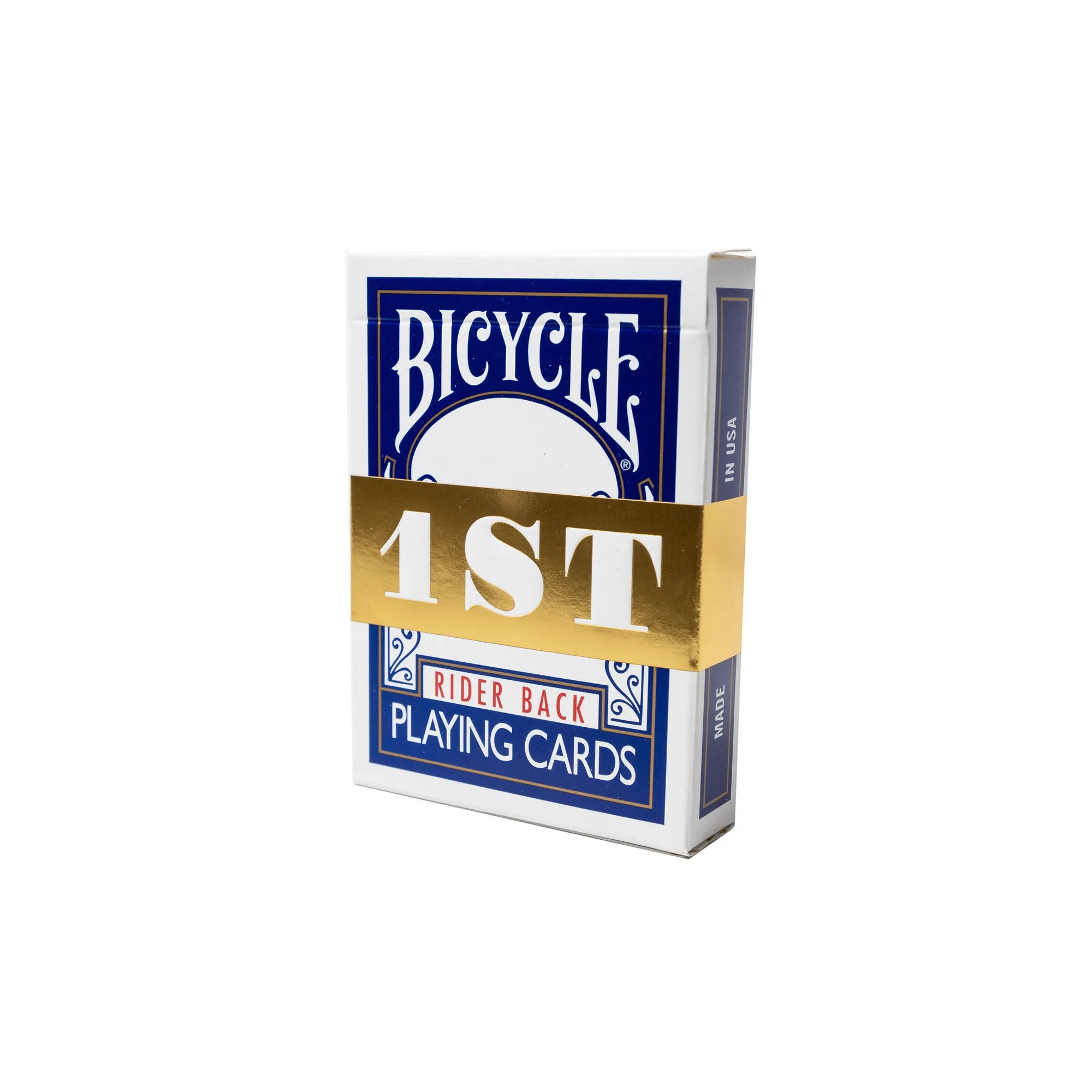
For example, the 1ST Edition Bicycle Rider Backs was a first collaboration between 1ST and Bicycle. Because the Rider Back design is heavily protected, the partnership itself was exceptional. Such collaborations often remain single runs, making them naturally scarce.
- Check the print run size if available; smaller runs typically become scarce faster.
- Follow the brand's announcements to know if a reprint is planned.
Why Scarcity Doesn't Always Equal Value
Scarcity alone doesn't guarantee a deck will increase in value. Demand matters just as much. A deck that was unpopular when released may stay cheap even after going out of print. Conversely, a deck with strong demand—like a unique collaboration or a special finish—can rise in price quickly.
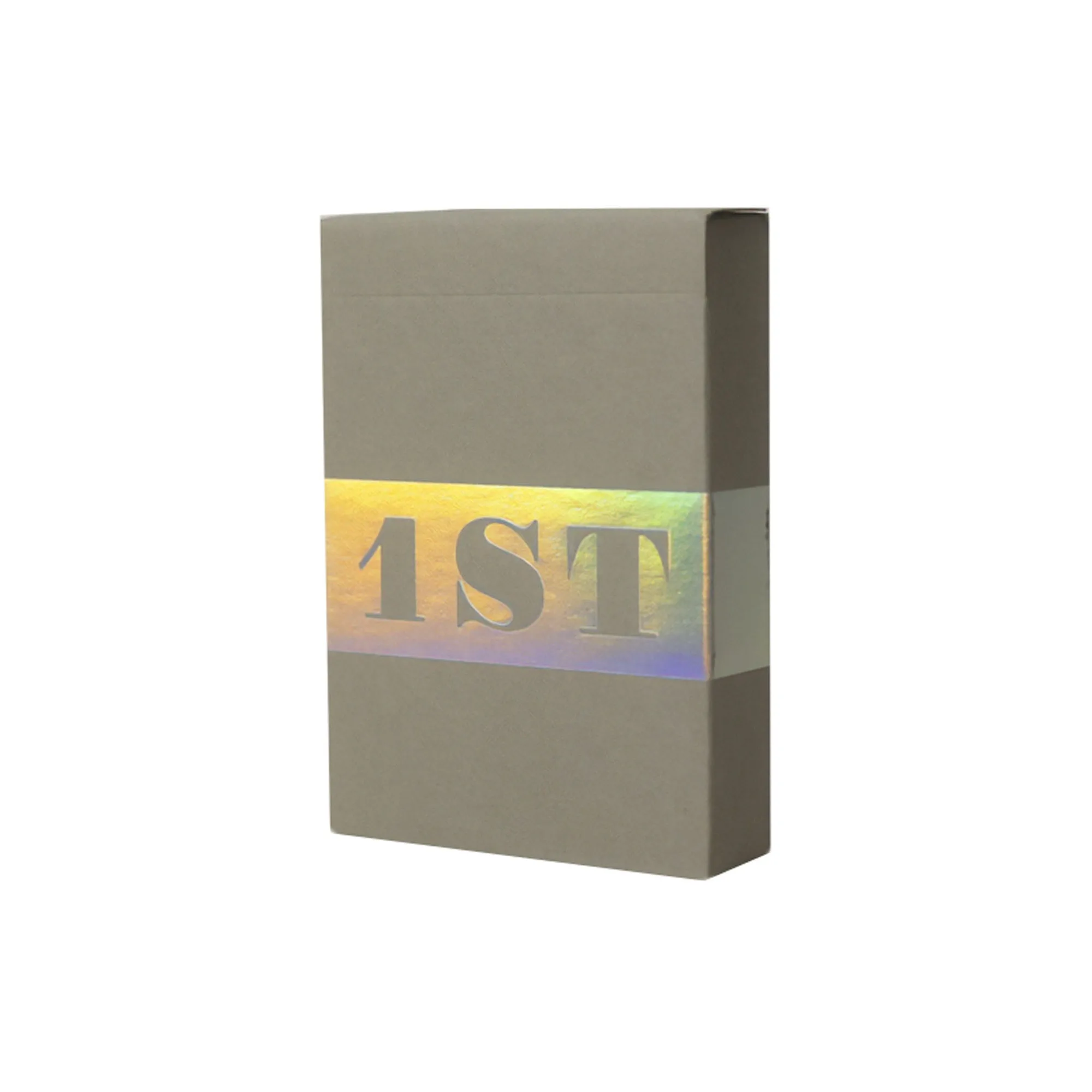
For instance, the 1ST Playing Cards Holo Edition features holographic foil and a MetalLuxe crushed stock, making it visually distinct. Such features can attract collectors, but the market ultimately decides. Always research recent sales before paying a premium.
- Look at sold listings on auction sites to gauge current market value.
- Consider the deck's design, finish, and brand reputation—not just its rarity.
How to Decide What to Collect
The best advice for collectors is to buy what you love. If a deck appeals to you visually or historically, it's worth owning regardless of future value. However, if you're investing, focus on decks from reputable brands with a track record of limited releases and a strong following.
Also, consider practical factors like condition and storage. A sealed deck in mint condition will always be more desirable than a worn one. If you plan to use the cards for magic or cardistry, remember that opening a deck reduces its collector value.
- Decide upfront whether you're collecting to use or to hold.
- Store decks in a cool, dry place away from sunlight to preserve condition.
Diagnosing an Out-of-Print Deck
- Symptom: You notice a deck you want is sold out everywhere or only available at inflated prices on secondary markets. This is a clear sign the deck is out of print or between print runs.
- Likely cause: The deck was a limited release with a fixed print run, and the creator chose not to reprint due to licensing, cost, or a one-time collaboration. Understand the specific reason—some decks may return, while others never will.
- Corrective action: Decide if you want to pay the current market price, wait for a potential reprint (if the brand hints at one), or move on to a similar deck that's still available. Set a budget and don't chase hype; there are always new releases.
- Stop or choose another option: If the price exceeds your comfort or the deck doesn't truly excite you, stop. Consider alternatives like the 1ST Edition Bicycle Rider Backs in Blue or Red, which are still accessible at retail. A satisfying collection is built on personal taste, not just scarcity.
Related Products from 1ST Playing Cards
- 1ST Edition Bicycle Rider Backs In Red: This is the first collaboration for 1ST Playing cards. We've teamed up with the Legendary Bicycle Rider Backs for this limited release. The Rider Backs are simply the most iconic deck of cards in history and heavily protected, in fact, the only other entity to ever manipulate the back design in almost 150 years is NASA, a collaboration which happened over 50 years ago. Because the Rider Back design is so protected, this collaboration is unlikely to be repeated, making the deck a likely out-of-print collectible.
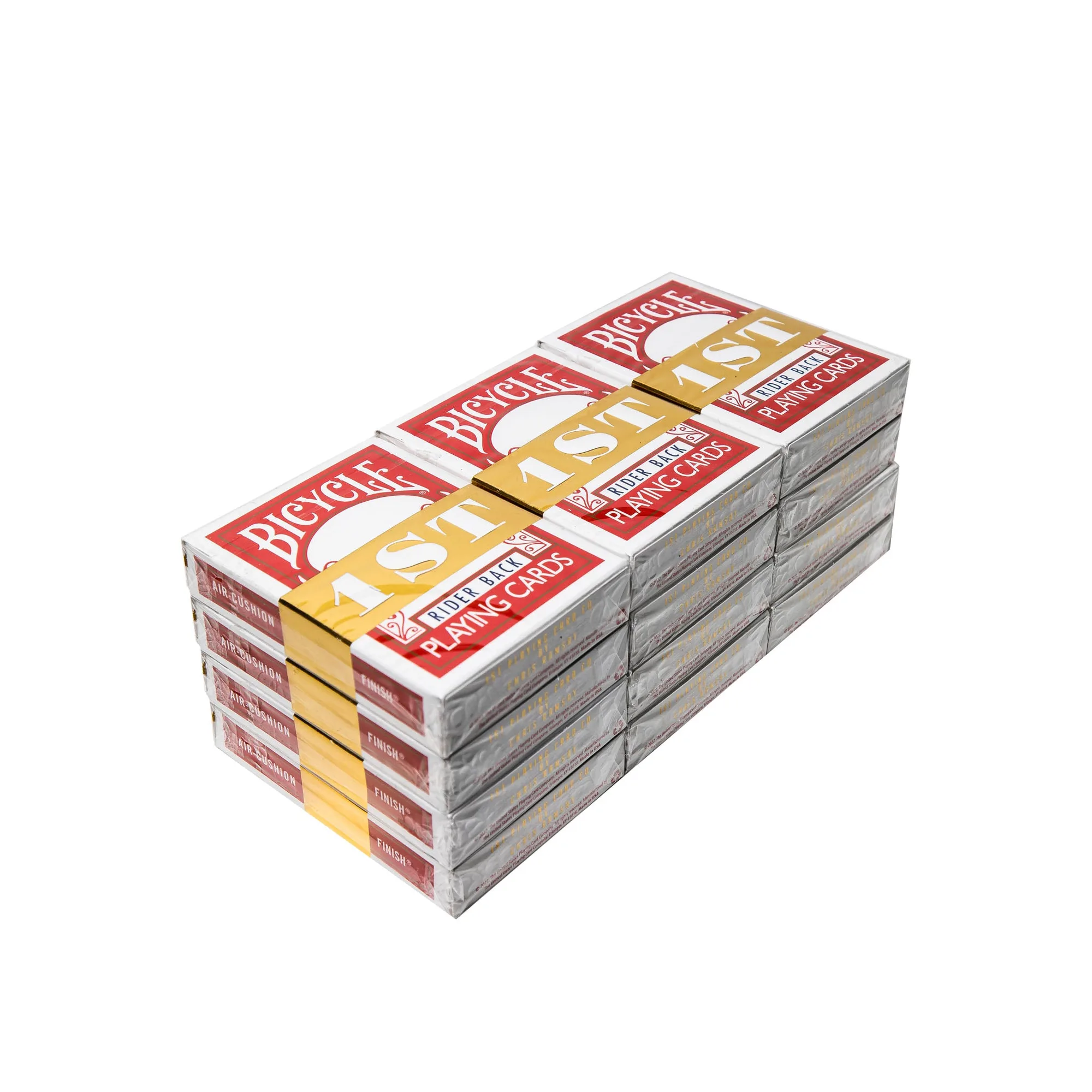
- 1ST Edition Bicycle Rider Backs Brick Box In Red: 1ST Edition Bicycle Rider Backs Brick BoxBox of 12 decks.This is the first collaboration for 1ST Playing cards. We've teamed up with the Legendary Bicycle Rider Backs for this limited release. The Rider Backs are simply the most iconic deck of cards in history and heavily protected, in fact, the only other entity to ever manipulate the back design in almost 150 years is NASA, a collaboration which happened over 50... A brick box offers a complete set for collectors who want to keep one sealed and possibly use another, but it also represents a larger upfront investment.
- 1ST Playing Cards Holo Edition *NOT GILDED*: 1ST Playing Cards Holo edition by USPCC. This is not the gilded version. Holographic Foil/MetalLuxe Crushed stock Magic Finish 56 playing cards Identical Jokers Blank Card included Duplicate 4 of Spades Standard Faces. The unique holographic finish and special stock make this deck stand out, and since it's a specific edition, it may become scarce once sold out.
Out-of-print playing cards are part of the collecting thrill, but they shouldn't drive every decision. Understand why decks disappear, research before you buy, and focus on what you enjoy. Whether you're chasing a rare Rider Backs collaboration or a holo edition, a thoughtful approach keeps collecting fun—and financially sane.