Quick answer
A protein flapjack works well as a pre-workout snack when you eat it 60–90 minutes before training and keep the portion moderate. Its mix of oats, protein and fibre provides sustained energy for steady sessions. If you train within 30 minutes or do high-intensity intervals, choose a lighter, faster-digesting snack instead.
The symptom: you feel heavy or sluggish at the start of a session
You ate a flapjack 20 minutes before the gym and now your stomach feels full and your warm-up feels flat. This is not a sign that flapjacks are bad pre-workout food. It usually means the timing or portion size did not match your session. A flapjack is a dense, oat-based snack, so it needs more time to leave the stomach than a banana or a gel.
The cause: density, fibre and timing
Oats and added fibre slow digestion, which is exactly what you want for sustained energy on a long run or a steady gym session. But the same slow digestion can cause discomfort if you eat too close to exercise. Protein also takes longer to digest than simple carbohydrates. The fix is not to avoid flapjacks but to treat them as a timed snack rather than a last-minute bite.
The corrective action: match the snack to your session
For a moderate gym session or a long walk, eat a flapjack 60–90 minutes before you start. Drink water alongside it. If you train first thing in the morning, have half a flapjack with a few sips of water 45 minutes before, then eat the rest after your workout. For a run lasting under an hour, a smaller portion or a lighter snack is usually enough. For longer endurance efforts, a flapjack can work as solid fuel, but many runners prefer to use it in the hours before a run rather than during it.
- 60–90 minutes before: full flapjack for steady sessions
- 45 minutes before: half a flapjack if you are hungry but short on time
- Under 30 minutes before: choose a banana, dates or an energy gel instead
When to stop and choose another option
If you experience cramping, nausea or heavy fullness during warm-up, stop eating flapjacks that close to training. Switch to a lighter carbohydrate snack and save the flapjack for after your workout or as a mid-afternoon snack. People with sensitive stomachs or those doing high-intensity interval training may also find that a flapjack sits too heavy. In those cases, a small banana or a few dates will digest faster and still give you quick energy.
Diagnose your pre-workout snack problem
- You feel heavy or bloated during warm-up: You likely ate too close to training or chose a portion that was too large. A full flapjack needs 60–90 minutes to digest. Try half a flapjack 45 minutes before, or switch to a lighter snack. If discomfort continues, stop using flapjacks before workouts.
- You feel hungry again 30 minutes into a long session: A flapjack alone may not be enough for sessions over 90 minutes. Pair it with a banana or a sports drink, or eat a larger meal 2–3 hours before. For endurance events, use a flapjack as part of a bigger fuelling plan.
- You need quick energy right before a sprint or interval session: A flapjack is too slow-digesting for immediate energy. Choose a fast carbohydrate source like an energy gel, chews or a small banana instead. Save the flapjack for after the session or for a steady training day.
TRIBE options that fit a pre-workout routine
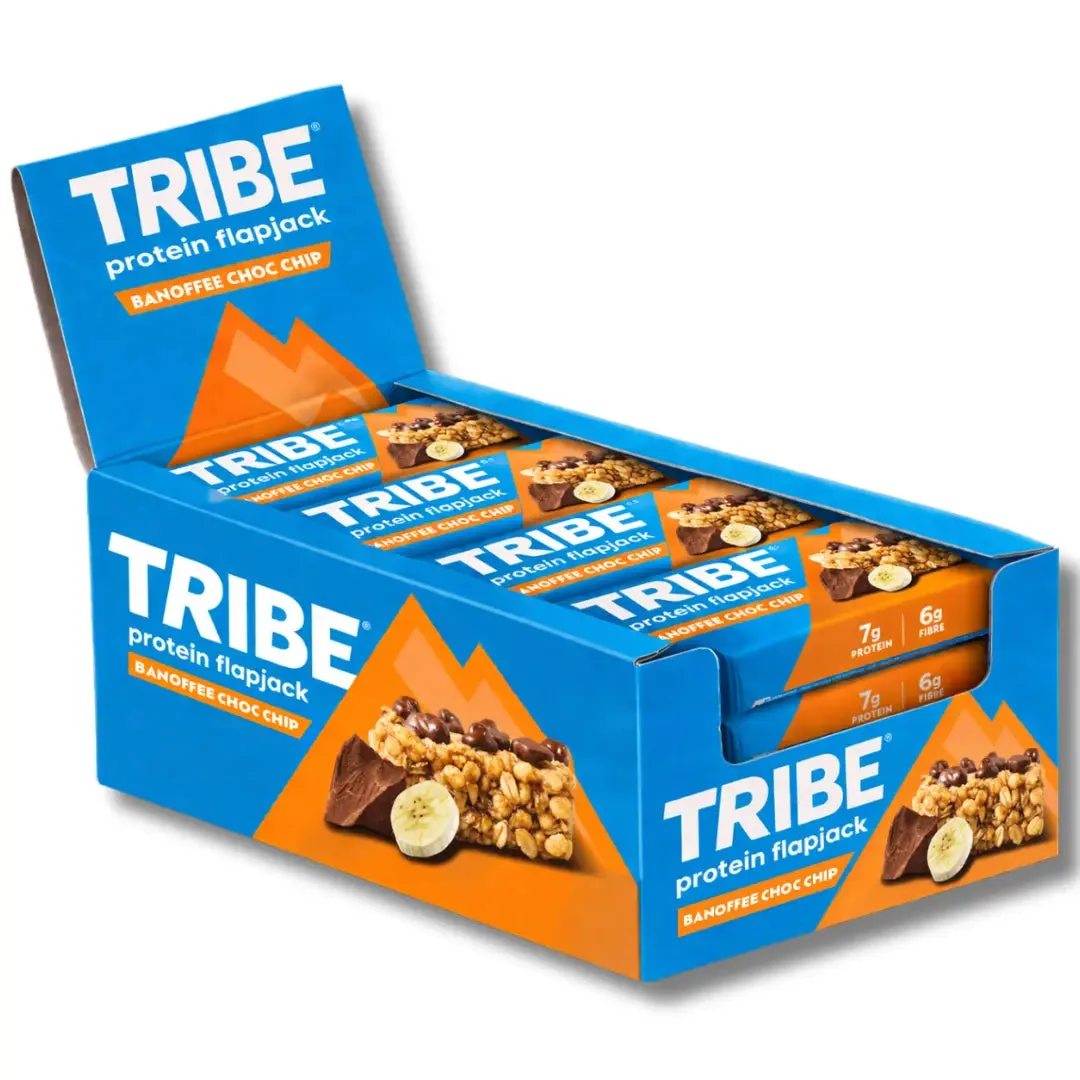
- TRIBE 12 x 50g Protein Energy Bars | Sustained Energy, High In Fibre & Protein: TRIBE 12 x 50g Protein Energy Bars provide 7g of protein and 6g of fibre per bar, with a soft, chewy texture and choc chips. The fibre and protein make this a solid choice for sustained energy on longer sessions, but the density means you should eat it at least an hour before training.
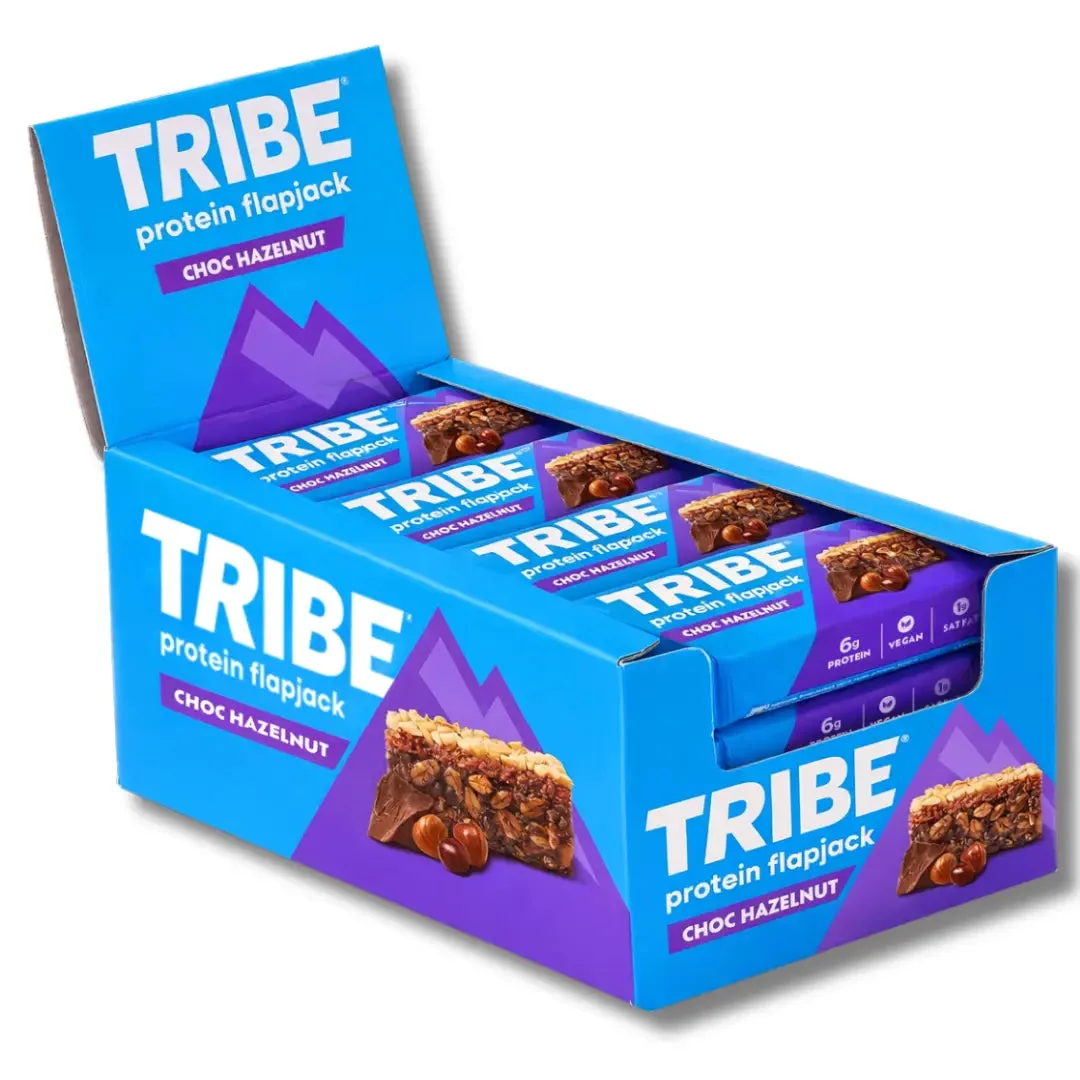
- TRIBE Protein Flapjack | Natural Energy, High Protein & Fibre: TRIBE Protein Flapjacks also contain 7g of protein and 6g of fibre per bar, with a soft, chewy flapjack texture. If you prefer a flapjack over a bar, this offers similar pre-workout fuel. Treat it the same way: eat it 60–90 minutes before exercise for best comfort.
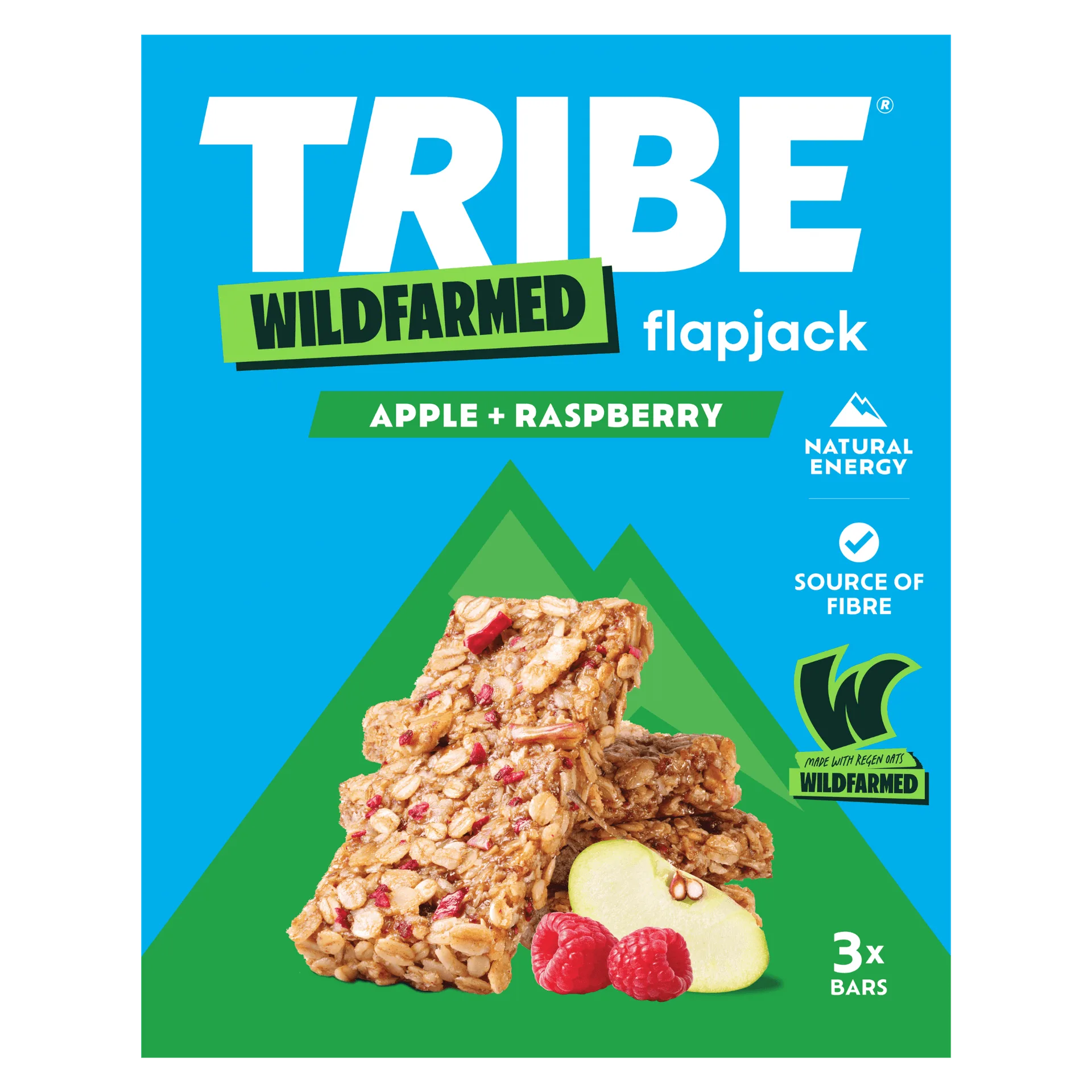
- TRIBE x Wildfarmed 3x50g Multipack | Delicious Tasting Flapjack | Made with Regen Oats | Sustained Energy: The TRIBE x Wildfarmed 3x50g Multipack is made with regeneratively farmed Wildfarmed oats and comes in a smaller pack size. The 3-pack is useful if you want to test how a flapjack sits before a workout without committing to a full box. The smaller pack also makes it easy to carry one as a backup snack.