As women enter their 40s, hormonal shifts—particularly the decline in estrogen—trigger changes in body composition, metabolism, and overall health. One of the most impactful nutritional adjustments you can make during this phase is increasing your protein intake. While protein is essential at every age, after 40 it becomes a cornerstone for preserving muscle mass, supporting bone density, managing weight, and promoting healthy aging.
Yet many women over 40 consume far less protein than they need, often relying on carb-heavy breakfasts and light lunches. This guide will explain why protein matters more now than ever, how much you actually need, and simple strategies to incorporate high-quality protein into your daily routine—without complicated meal prep.
The Science Behind Protein and Healthy Aging
Protein is made up of amino acids, the building blocks for nearly every cell in your body. After 40, the body becomes less efficient at using dietary protein to build and repair muscle—a phenomenon known as anabolic resistance. This means you need to consume more protein just to maintain the muscle you have. Muscle loss, or sarcopenia, accelerates during perimenopause and menopause, which can slow metabolism, weaken bones, and reduce strength.
Adequate protein intake also supports collagen production, which is vital for skin elasticity, joint health, and connective tissue. As collagen synthesis declines with age, eating enough protein—especially collagen-rich sources—can help maintain a youthful appearance and reduce joint discomfort. Additionally, protein has a higher thermic effect than carbs or fats, meaning your body burns more calories digesting it, which can aid weight management during a time when metabolism naturally slows.
- Tip: Aim to include a source of protein at every meal, especially breakfast, to overcome anabolic resistance and support muscle repair throughout the day.
How Much Protein Do Women Over 40 Really Need?
The standard Recommended Dietary Allowance (RDA) for protein is 0.8 grams per kilogram of body weight, but this is the minimum to prevent deficiency—not the optimal amount for women over 40. Research suggests that active women in this age group benefit from 1.2 to 1.6 grams per kilogram. For a 68 kg (150 lb) woman, that translates to roughly 82 to 109 grams of protein daily.
Distributing protein evenly across meals—about 25 to 35 grams per meal—maximizes muscle protein synthesis. A typical breakfast of toast and fruit may provide only 10 grams, leaving you short. Adding a high-quality protein shake or a portion of eggs, Greek yogurt, or a convenient supplement can help bridge the gap. Many women find that using a clean protein powder makes it easy to hit their targets without extra cooking.
- Quick calculation: Multiply your weight in kg by 1.2 to 1.6 to find your daily protein goal, then divide by 3 or 4 meals.
Best Protein Sources for Women Over 40
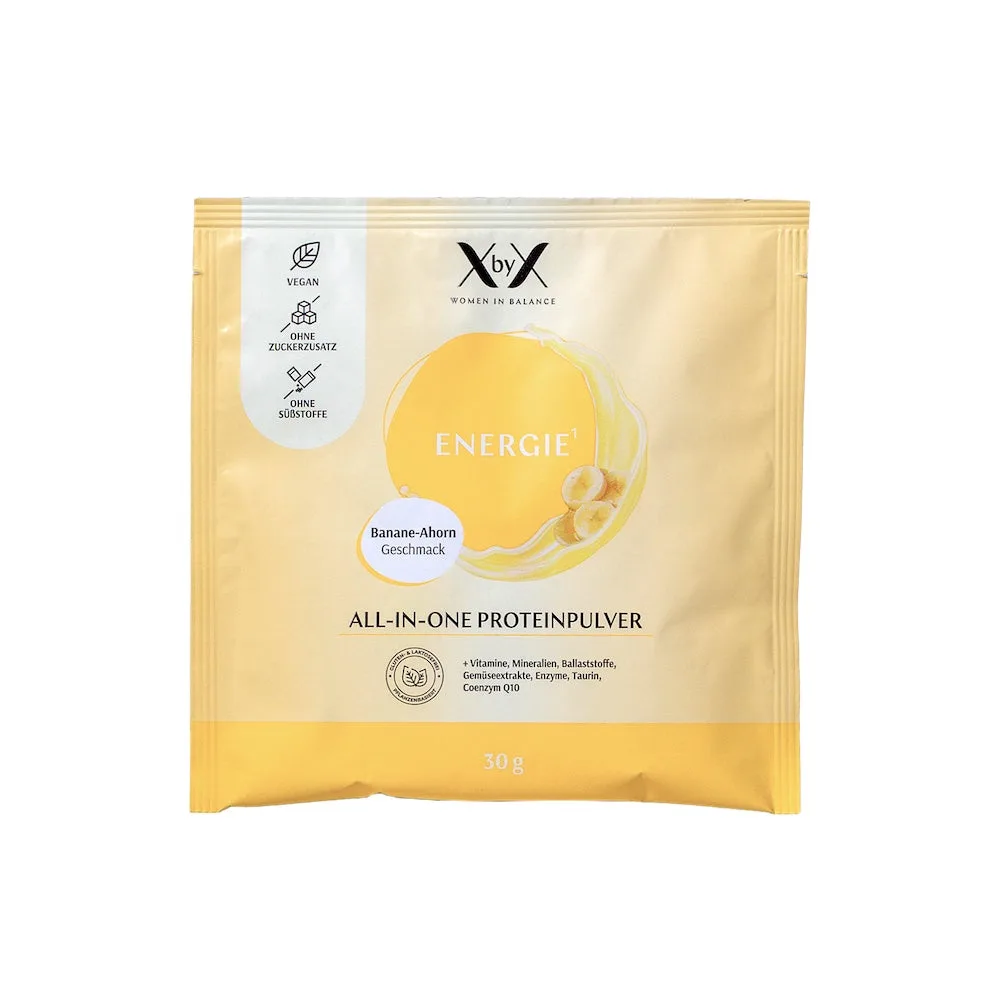
Whole food sources like lean meats, fish, eggs, dairy, legumes, and tofu are excellent, but convenience matters. For busy women juggling work, family, and self-care, having a reliable protein supplement on hand can be a game-changer. The Protein Quelle Neutral Sachet offers a versatile, unflavored option that blends seamlessly into smoothies, oatmeal, or even savory soups, providing a clean protein boost without artificial additives.
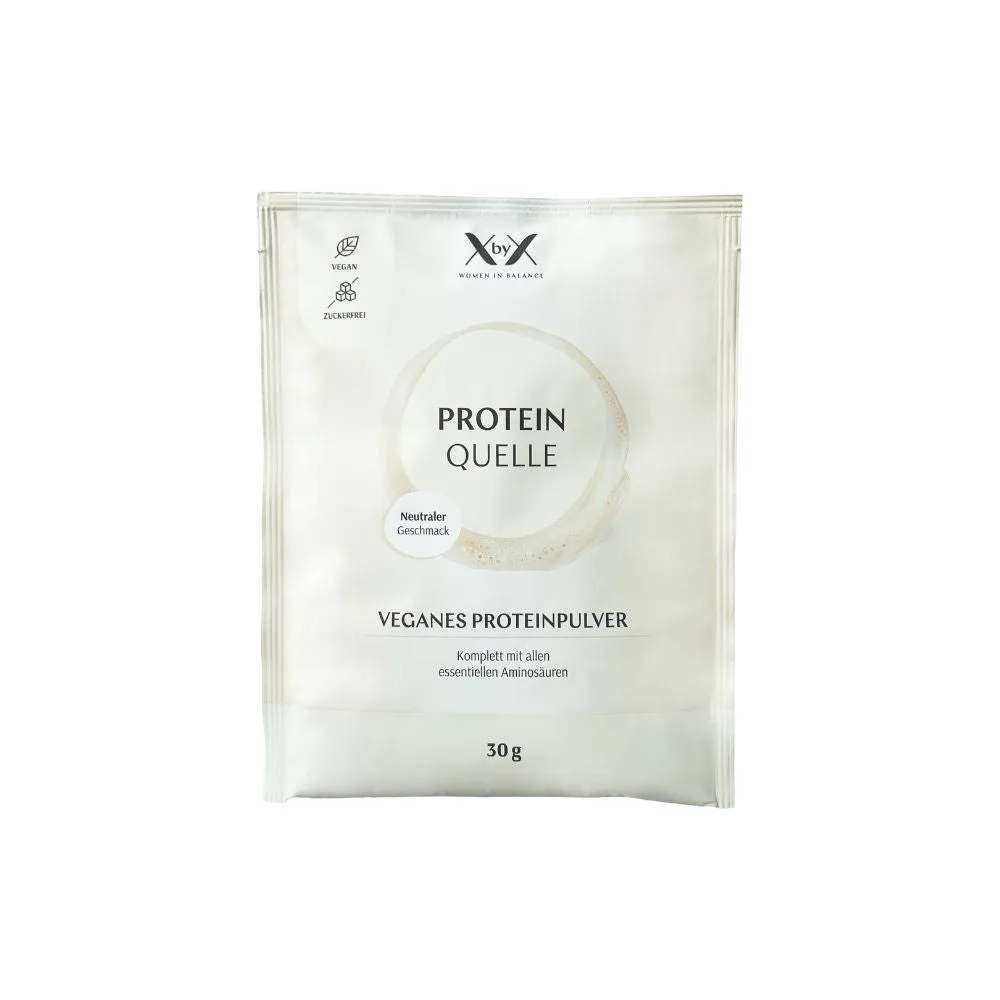
Protein Quelle Neutral Sachet
Collagen protein deserves special attention for women over 40. Unlike whey or plant proteins, collagen is rich in glycine and proline, which support skin, hair, nails, and joints. The Kollagen Kick Angebot delivers hydrolyzed collagen peptides that are easily absorbed and can be added to coffee, tea, or water. Pairing a collagen supplement with a complete protein source ensures you get both structural support and muscle-building amino acids.
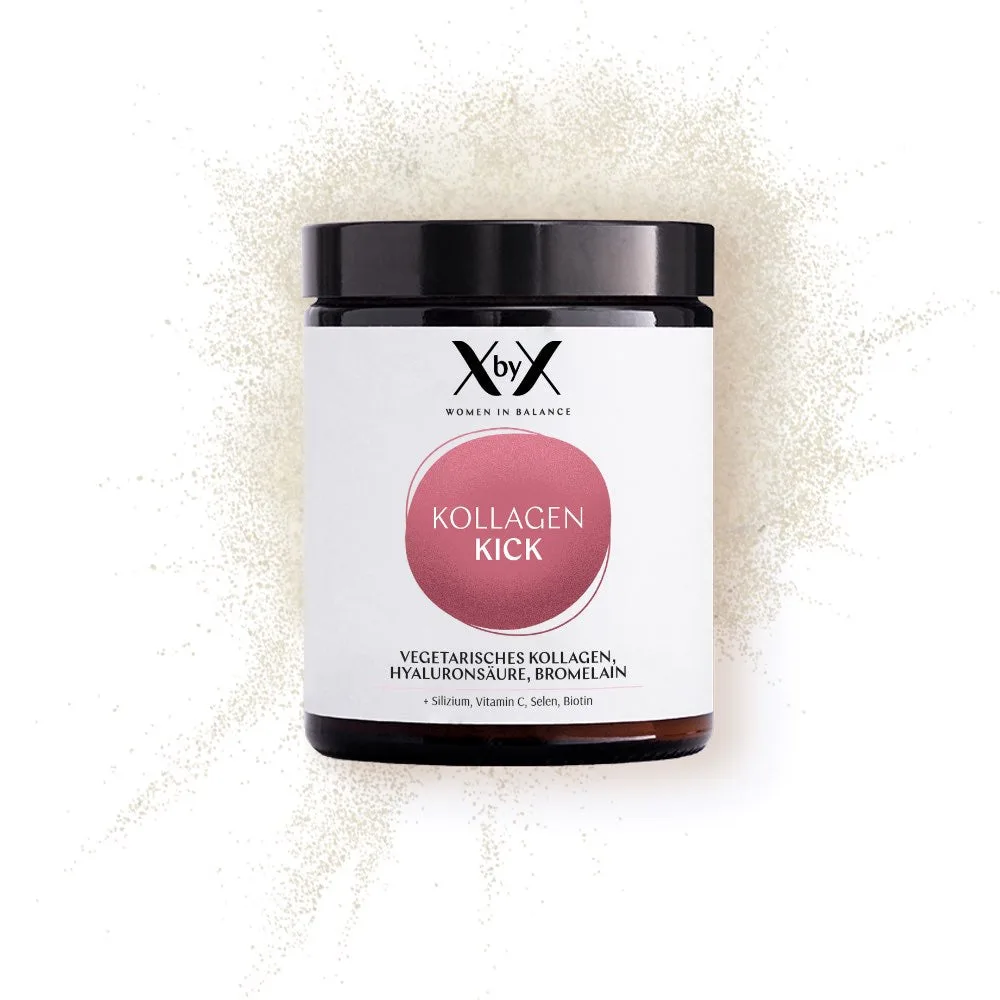
Kollagen Kick Angebot
- Tip: Rotate between different protein types—whey, plant, and collagen—to cover all your amino acid needs and keep meals interesting.
Practical Tips to Boost Your Protein Intake
Start with breakfast: swap sugary cereals for eggs, Greek yogurt, or a protein smoothie. Keep single-serve protein sachets in your bag for on-the-go use. Snack on protein-rich options like nuts, cheese, or edamame. At dinner, fill half your plate with vegetables and a quarter with a palm-sized portion of lean protein. Plan ahead by prepping protein-packed meals on weekends.
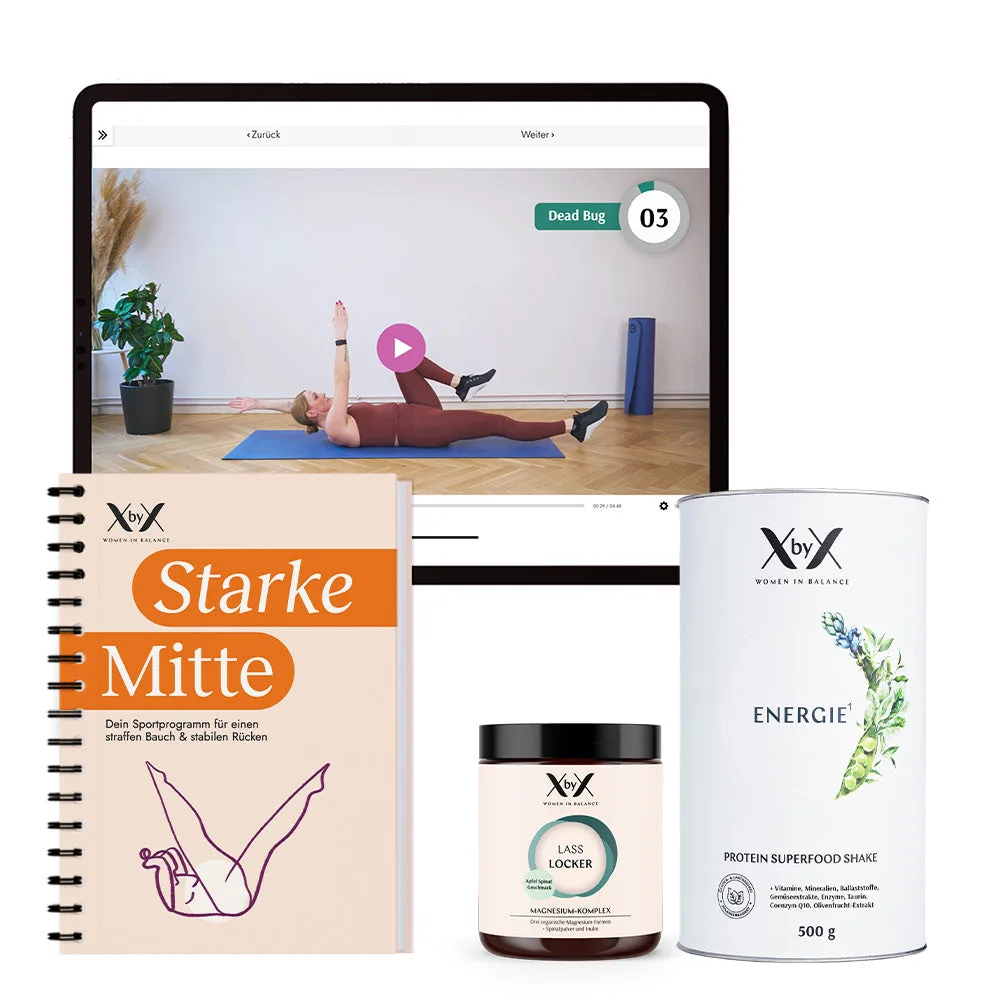
Hydration matters too—protein metabolism requires adequate water. If you exercise, consume protein within two hours post-workout to optimize recovery. Tracking your intake for a few days using an app can reveal gaps. Remember, consistency trumps perfection; even small increases add up over time. The Wunsch Set: Energie & Basics combines targeted supplements to support energy and protein needs, making it easier to stay on track.
- Simple swap: Replace a carb-heavy snack with a protein shake or a handful of almonds to keep blood sugar stable and cravings at bay.
Common Myths About Protein After 40
Myth 1: 'Too much protein is bad for your kidneys.' In healthy women, higher protein intake is safe and even beneficial. Only those with pre-existing kidney disease need to limit it. Myth 2: 'Protein powders are artificial and unnecessary.' High-quality supplements use clean ingredients and can fill nutritional gaps naturally. Myth 3: 'You can get enough protein from plants alone.' While possible, it requires careful planning; many plant proteins are incomplete, so combining sources like rice and beans is key.
Myth 4: 'Eating protein will make you bulky.' Women lack the testosterone to build large muscles without intense training. Protein actually supports lean, toned muscle and a faster metabolism. Myth 5: 'You only need protein after exercise.' Your body uses protein continuously for repair, hormone production, and immune function, so spread it throughout the day.
- Fact: A balanced protein intake supports bone density, which is especially important as estrogen declines during menopause.
Prioritizing protein after 40 is one of the most effective strategies for maintaining strength, energy, and vitality as you age. By understanding your needs, choosing quality sources, and making small adjustments to your daily routine, you can support your body through perimenopause and beyond. For a convenient start, explore the Protein Quelle Neutral Sachet to easily boost your protein intake and take charge of your healthy aging journey.