Quick Answer
Protein powder bloating usually comes from lactose, artificial sweeteners, additives, eating too fast, or a low-quality protein base. Switch to a single-ingredient or lactose-free protein powder, mix it properly, and start with a smaller serving to see what your gut tolerates.
You finish your shake, and within 20 minutes your stomach feels tight and uncomfortable. If this happens regularly, you're not imagining it—protein powder bloating is one of the most common reasons people give up on shakes. The good news is that the cause is usually identifiable and fixable.
This guide walks through the five most common triggers for bloating after a protein shake, plus practical fixes you can try today. We'll also point out when it's time to switch to a different product rather than push through the discomfort.
1. Lactose Intolerance: The Most Common Culprit
Many protein powders, especially whey and casein, are dairy-based. If you're lactose intolerant or sensitive, your body can't break down lactose properly, leading to gas, bloating, and stomach cramps. Symptoms often appear within 30 minutes to two hours after drinking the shake.
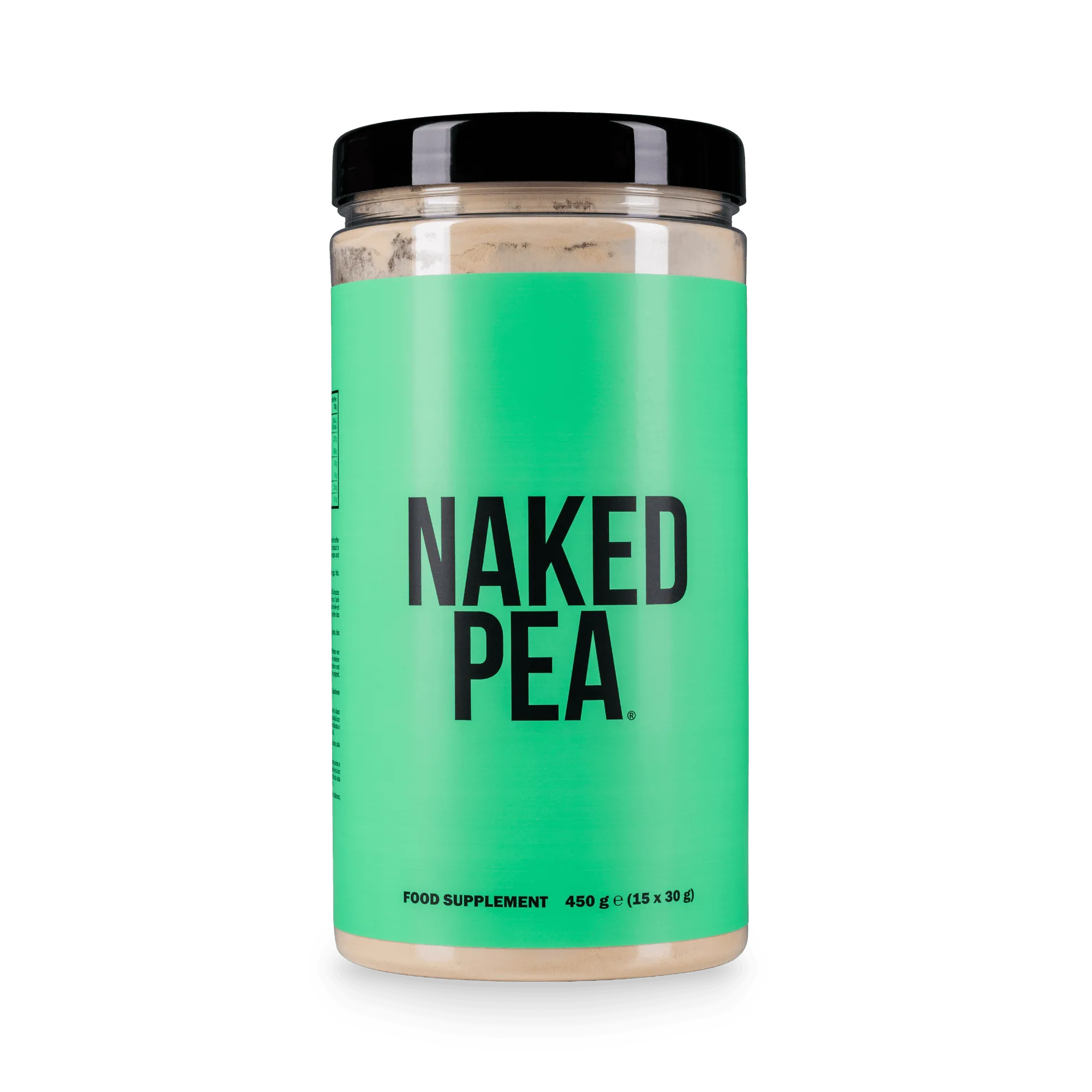
If you suspect lactose is the issue, try a lactose-free or plant-based protein powder. Pea protein is a popular choice because it's naturally dairy-free and easy to digest. Naked Pea, for example, is made from a single ingredient—yellow split peas—and contains no lactose or artificial additives.
- Check the label for 'whey protein concentrate'—it contains more lactose than whey isolate.
2. Artificial Sweeteners and Additives
Many protein powders contain artificial sweeteners like sucralose, aspartame, or sugar alcohols such as sorbitol and xylitol. These can ferment in the gut, causing gas and bloating, especially in sensitive individuals. Additives like thickeners and fillers can also slow digestion and contribute to discomfort.
The fix is to choose a protein powder with minimal ingredients. Look for products with just one or two ingredients. For example, Naked Pea contains only pea protein, and Naked Vanilla Pea adds just vanilla and coconut sugar. Fewer ingredients means fewer chances for your gut to react.
- Read the ingredient list—if you can't pronounce it, your stomach might not like it either.
3. Drinking Too Fast or Not Mixing Enough
Gulping a shake down quickly can cause you to swallow air, which leads to bloating. Also, if the powder isn't fully dissolved, clumps can sit in your stomach and cause gas as they break down. Both are easy to fix.
Take smaller sips over a few minutes, and use a shaker bottle or blender to ensure a smooth consistency. If you're using a shaker, add liquid first, then powder, and shake for at least 20 seconds. This simple habit can reduce bloating after a protein shake.
- Sip, don't chug—your stomach will thank you.
4. Low-Quality Protein Source or Processing
Cheaper protein powders may use lower-quality protein sources that are harder to digest. Some undergo harsh processing that denatures the protein, making it more likely to cause digestive upset. Additionally, some brands add 'amino spiking' or fillers that your body can't use efficiently.
Choosing a high-quality product can make a big difference. Naked Pea is independently third-party tested for heavy metals and uses only US and Canadian grown yellow split peas. That transparency means you know exactly what you're putting in your body—and what you're not.
- Look for third-party testing and a short ingredient list as markers of quality.
5. You Might Be Sensitive to a Specific Protein Type
Even without lactose intolerance, some people react to whey or casein proteins. Others have trouble digesting soy or egg proteins. If you've tried multiple types and still bloat, you may have a general sensitivity to certain protein sources.
Experiment with a different protein base. Pea protein is often well-tolerated because it's hypoallergenic and easily absorbed. Naked Pea is a good option to test—if you still bloat with a single-ingredient pea protein, the issue may not be the protein itself, and you should consult a healthcare professional.
- Try a 10-day elimination: switch to a single-ingredient protein and note any changes.
Diagnosis: Is It the Protein or Something Else?
- Symptom: You feel bloated, gassy, or have stomach cramps within a few hours of drinking a protein shake. This is a common reaction, not a sign you should give up on protein shakes entirely.
- Likely cause: One of the five triggers: lactose, additives, drinking too fast, low-quality protein, or a specific protein sensitivity. Narrow it down by checking the label and how you drink your shake.
- Corrective action: Switch to a single-ingredient or lactose-free protein powder, mix thoroughly, sip slowly, and start with a smaller serving. Give your gut a week to adjust before judging the change.
- When to stop or choose another option: If you still bloat after trying a single-ingredient pea protein, or if you experience severe pain, nausea, or persistent digestive issues, stop using that product and consult a healthcare provider. Your health comes first—don't push through serious discomfort.
Products That Can Help
- Pea Protein Powder | Naked Pea - 2LB: Naked Pea has only one ingredient: Pea protein extracted from yellow split peas grown on US and Canadian farms. Pea protein is easily absorbed by the body, making it an excellent plant-based alternative to whey protein. Naked Pea is free of additives and artificial sweeteners. Because it contains no lactose, sweeteners, or fillers, it's a smart first swap if you suspect additives or dairy are behind your bloating.
- Vanilla Pea Protein Powder | Naked Vanilla Pea - 2LB: Vanilla Naked Pea has only three ingredients: vanilla, coconut sugar, and pea protein extracted from yellow split peas grown on US and Canadian farms. It is free of additives and artificial sweeteners. If you want flavor without artificial sweeteners, this gives you a tasty option that still keeps the ingredient list short and gentle on your stomach.
Bloating after a protein shake is usually a fixable issue. Start by identifying the likely trigger, then make one change at a time—whether it's switching to a lactose-free option like Naked Pea or simply slowing down your sipping. With a little trial and error, you can enjoy your protein without the puff.