Clumps start with how the powder meets the liquid
A lumpy shake is rarely a bad tub. Most clumping happens when dry powder touches liquid faster than it can disperse. The outside of the powder mass wets and seals while the inside stays dry, and no amount of shaking breaks that pocket apart.
Whey isolate and collagen peptides behave differently in a shaker, so the fix is not identical for both. The steps below separate what you can control: order of ingredients, liquid choice, and shaker setup.
A mixing order that reduces lumps
These steps apply to both whey and collagen powders. They do not change the product; they change how you combine it.
- Pour liquid first: Add water or milk to the shaker before the powder. Powder dropped into an empty shaker can cake at the bottom before liquid reaches it.
- Add powder in stages: For a large scoop, add half, shake, then add the rest. This gives each portion room to disperse.
- Shake with the right motion: Seal the lid and shake firmly up and down rather than swirling. Vertical motion moves the liquid through the powder instead of around it.
- Check the shaker ball: A wire mixing ball or grid helps break up powder, but it needs to be the right size for the cup. If the ball sits loose or the cup is overfilled, it cannot do its job.
Why whey isolate can still clump
Whey isolate is high in protein and low in fat and carbohydrate, which makes it prone to sticking to wet surfaces. The Dymatize ISO100 Cookies & Cream record shows 25g of protein, 5.5g of BCAAs, less than 120 calories, 1g of fat, 1g of sugar, and 2g of carbs per serving. Those numbers describe the formula, not its mixing behavior, so treat them as label facts rather than a promise about texture.
- Cold liquid slows dispersion: Very cold water or milk can make powder harder to wet. Let the liquid sit at room temperature briefly if clumps persist.
- Too little liquid: A thick shake hides dry pockets. Use enough liquid to keep the mixture moving in the shaker.
- Powder stuck in the lid: Dry powder trapped in the lid threads or spout will not mix. Tap it back into the cup before shaking.
What the ISO100 record confirms
-
Dymatize ISO100 Whey Protein Powder Isolate, Cookies & Cream, 25g of Protein, 5.5g BCAAs, Less Than 120 Cal., Gluten Free, 1g Fat, 1g Sugar, 2g Carb (20 Servings): Dymatize ISO100 Whey Protein Powder Isolate, Cookies & Cream, provides 25g of protein and 5.5g of BCAAs per serving, with less than 120 calories, 1g of fat, 1g of sugar, and 2g of carbs. A lean isolate like this is a common choice for post-workout shakes, and its low fat and sugar content means the powder itself has little to help it disperse. Mixing order matters more here.
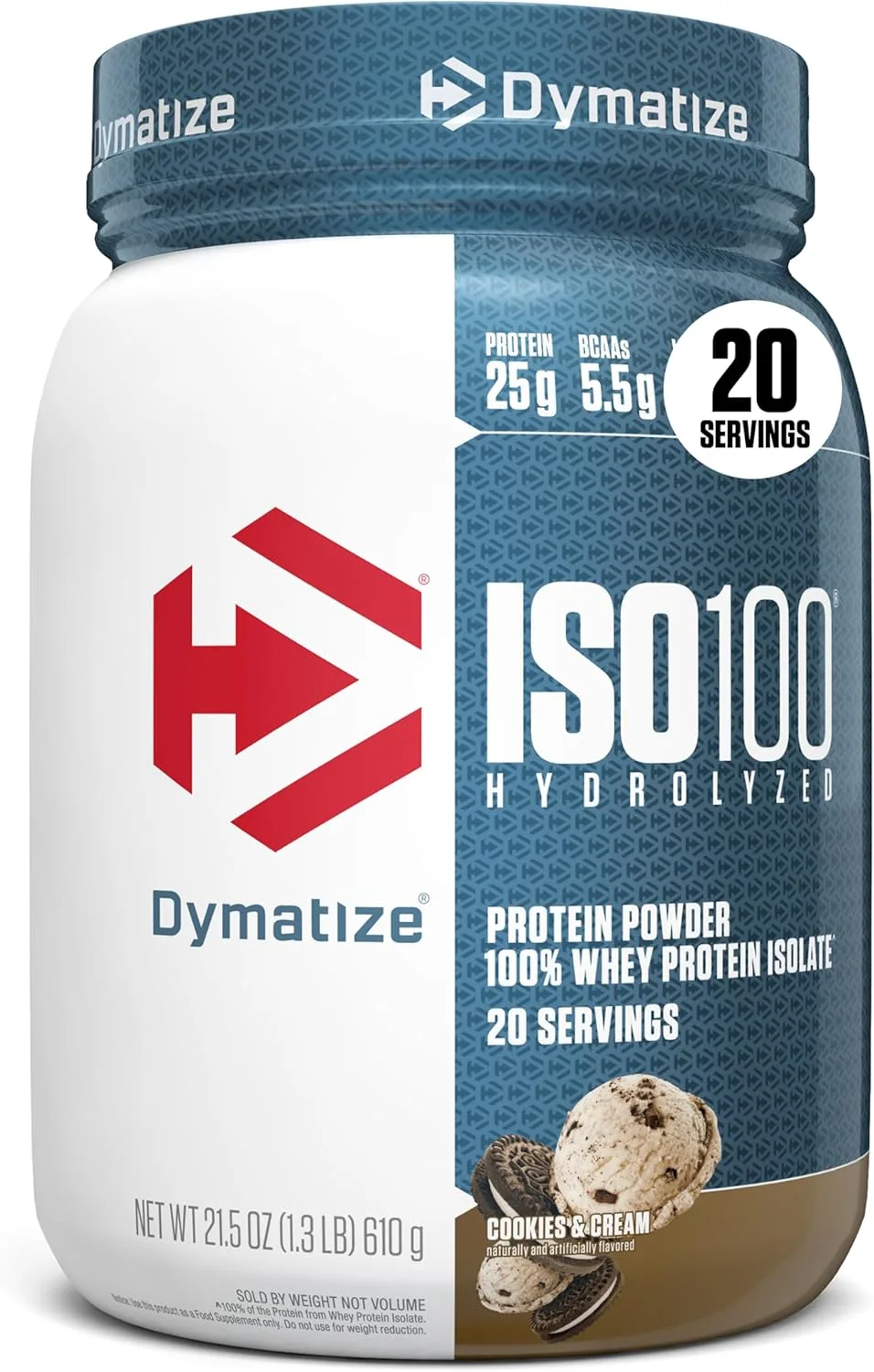
Dymatize ISO100 Whey Protein Powder Isolate, Cookies & Cream, 25g of Protein, 5.5g BCAAs, Less Than 120 Cal., Gluten Free, 1g Fat, 1g Sugar, 2g Carb (20 Servings)
-
Dymatize ISO100 Whey Protein Powder Isolate, Cookies & Cream, 25g of Protein, 5.5g BCAAs, Less Than 120 Cal., Gluten Free, 1g Fat, 1g Sugar, 2g Carb (20 Servings): The 1.34 Pound pack provides 20 servings. A 20-serving tub is a reasonable size to test your mixing routine before committing to a larger format.
Why collagen powder dissolves badly
Collagen peptides are hydrolyzed, which means the protein is broken into smaller pieces. That can help them dissolve, but it does not make them immune to clumping. The Ancient Nutrition Collagen Peptides Powder record lists a multi-collagen blend with hydrolyzed collagen, Vitamin C, and probiotics in a vanilla flavor, with 45 servings per container. The record does not include preparation instructions, so the best approach is to test small amounts and adjust.
- Stir before you shake: Collagen can clump when it hits liquid in a dense pile. Stir it into a small amount of liquid first, then add the rest.
- Watch the temperature: Hot liquids can cause some powders to clump or thicken. Let coffee or tea cool slightly before adding collagen if you notice lumps.
- Check the scoop size: A larger scoop needs more liquid. If the shake is too thick, add liquid rather than more powder.
What the collagen record confirms
-
Ancient Nutrition Collagen Peptides Powder, Multi Collagen Protein, Women & Men, Vitamin C, Probiotics, Hydrolyzed Collagen, Supports Skin, Joints, Gut Health, Vanilla, 45 Servings: Ancient Nutrition Collagen Peptides Powder is a multi-collagen protein with hydrolyzed collagen, Vitamin C, and probiotics, in a vanilla flavor with 45 servings per container. The vanilla flavor and multi-ingredient formula may behave differently in liquid than a plain whey isolate, so mix it separately before combining with other powders.
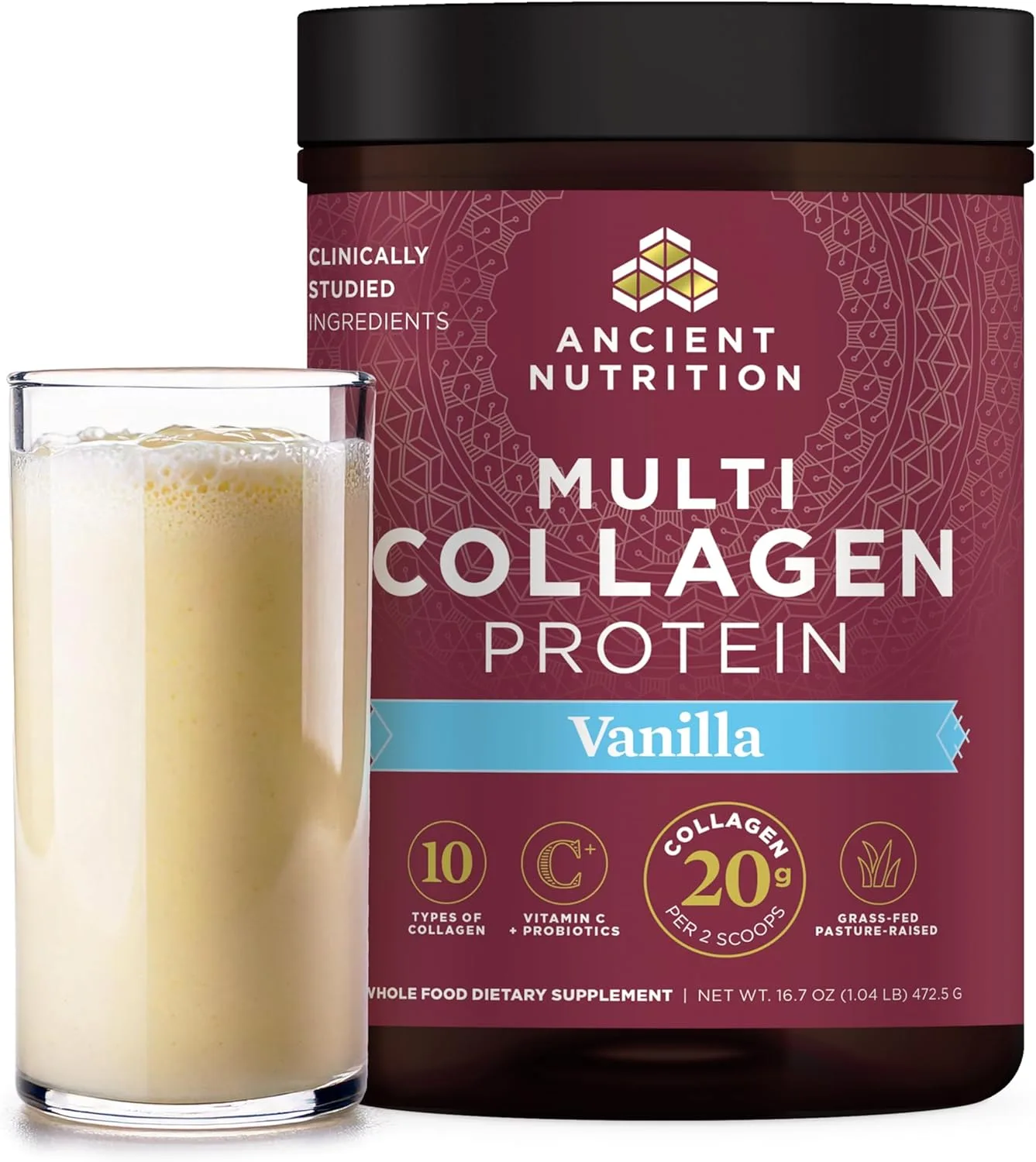
Ancient Nutrition Collagen Peptides Powder, Multi Collagen Protein, Women & Men, Vitamin C, Probiotics, Hydrolyzed Collagen, Supports Skin, Joints, Gut Health, Vanilla, 45 Servings
Whey vs. collagen: what changes in the shaker
Both powders can clump, but the likely causes differ. Use this comparison to decide where to start troubleshooting.
- Whey isolate: Higher protein density and low fat can make it stick to the shaker walls. Start with liquid first, add powder in stages, and use a mixing ball that fits the cup.
- Collagen peptides: Hydrolyzed collagen may disperse more easily, but added ingredients like Vitamin C and probiotics can affect texture. Stir into a small amount of liquid before adding the rest.
- Combining both: If you mix whey and collagen in one shaker, add the collagen first, then the whey, and use extra liquid. Two powders compete for the same water.
Shaker ball tips that actually help
The mixing ball is a tool, not a guarantee. These checks keep it working.
- Match ball to cup: A ball that is too small will not agitate the powder; one that is too large can block the lid. Use the ball that came with the shaker.
- Do not overfill: Leave room at the top so the liquid can move. An overfilled shaker cannot mix properly.
- Clean and dry the ball: Residue from a previous shake can cause new powder to stick. Rinse and dry the ball between uses.
- Shake before you sip: Powder settles quickly. A quick shake before drinking keeps the texture even.
When the problem is not the powder
If clumps persist after changing your mixing order and shaker setup, check the tub. Moisture from a wet scoop or a loosely closed lid can cause powder to cake before you ever add liquid. Store the tub sealed in a dry place and use a completely dry scoop.
The supplied records for both products do not include preparation or storage instructions, so follow the label on your tub for any specific guidance. If the powder arrives already clumped or hard, contact the retailer rather than trying to break it up.