Quick answer
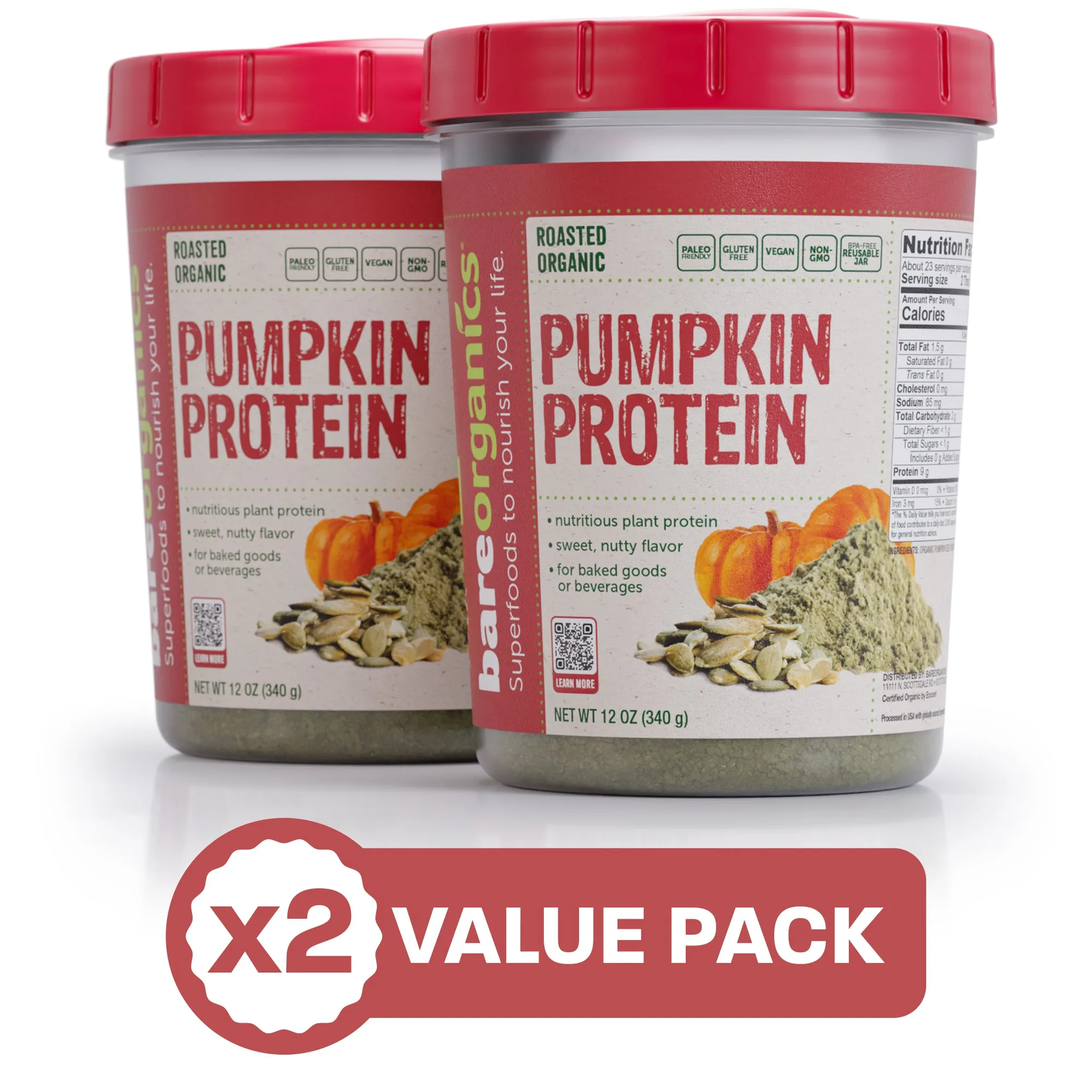
Most gritty protein shakes are a mixing problem, not a powder defect. Pour liquid in first, add powder second, keep the liquid cold, and shake in short bursts with a shaker ball or whisk until the texture turns even. If grit remains after that, switch to a finer-milling powder such as Organic Pumpkin Protein Powder Bundle, which is cold-pressed from pumpkin seeds and blends more smoothly than coarse blends.
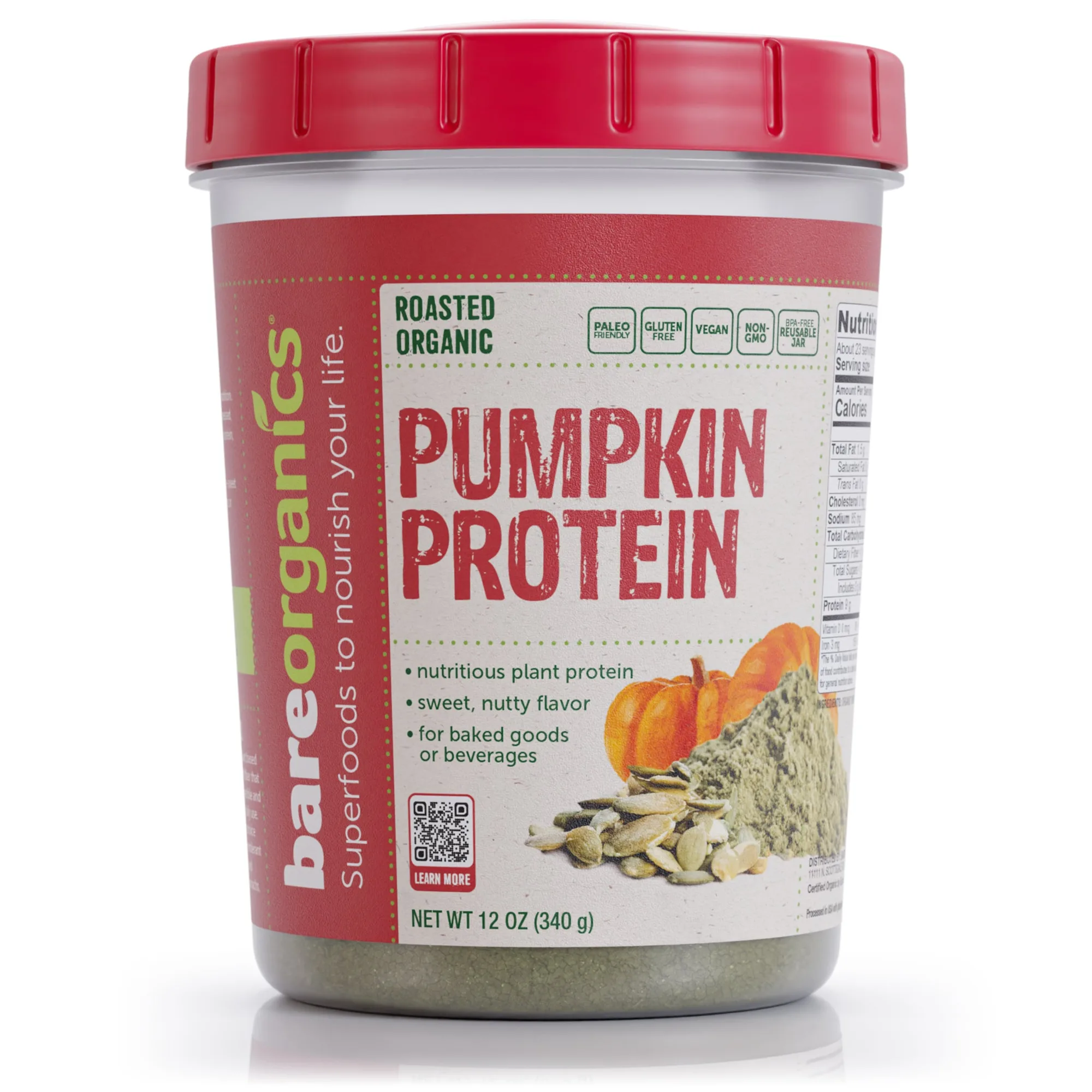
Organic Pumpkin Protein Powder
Why grit shows up in the first place
Grit is undissolved powder, not flavor. Protein particles clump when they hit liquid too fast, when the liquid is warm, or when the powder sits at the bottom of the cup before you shake. Cold water slows clumping and keeps the powder suspended long enough to break apart. Warm or hot liquid can cause proteins to bind into small beads that never fully smooth out, which is why a shake mixed with tap water often tastes chalky while the same powder in cold water tastes clean.
Order matters too. Powder dropped into an empty shaker sticks to the bottom and forms a dense plug that a quick shake cannot reach. Liquid first gives the powder a moving surface to fall through, so it disperses instead of packing down.
The fix: liquid first, powder second, cold every time
Fill your shaker about two-thirds with cold water, milk, or a milk alternative, then add one scoop of powder. Seal and shake in 10-second bursts, pausing to tap the shaker on the counter between bursts so settled powder drops back into the liquid. If you are using pumpkin protein powder mixing, start with 8 to 10 ounces of liquid per scoop; too little liquid leaves grit because the powder has nowhere to disperse.
A shaker ball or a small whisk helps more than a longer shake. If you are mixing in a blender, run it on low for 15 to 20 seconds rather than high for a minute, since high speed whips air in and can make the texture feel foamy rather than smooth. For a thicker shake, blend with a frozen banana or a spoon of yogurt after the powder is already dissolved.
When the problem is the powder, not your method
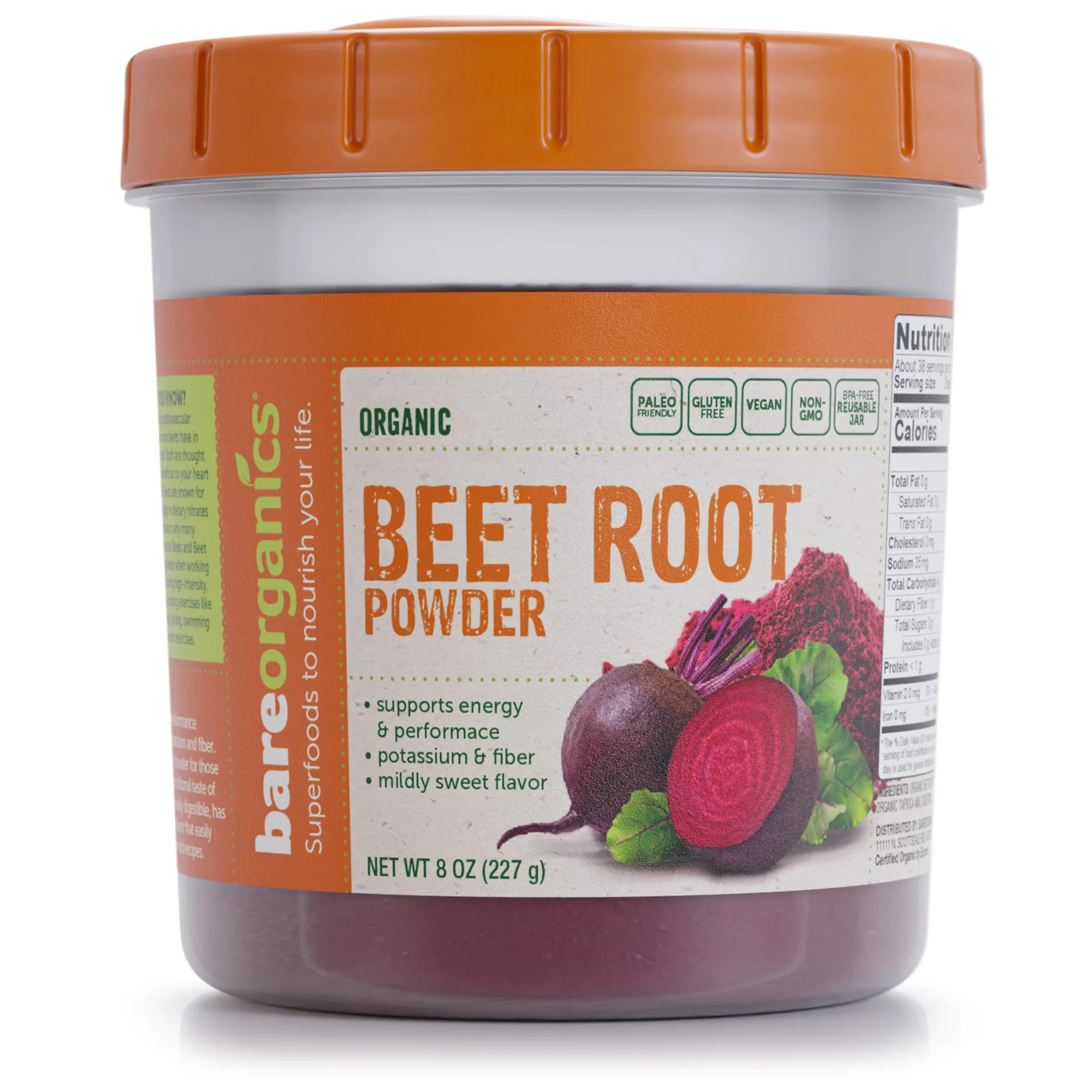
Some powders are simply milled coarser. If you have tried cold liquid, correct order, and a shaker ball and still get grit, the powder itself may be the limiting factor. Finer-milled options like Organic Beet Root Powder dissolve quickly and are water-soluble, which makes them a useful comparison point when you are testing whether your technique or your powder is at fault.
Check the label for added fibers, seeds, or whole-food pieces. These ingredients can settle even in a good shaker, and no amount of shaking will fully smooth them out. In that case, blending is the better tool, or you can accept a slightly textured shake as normal for that formula.
Diagnose your gritty shake
- Grit settles at the bottom within a minute: Powder was added before liquid or the shaker was not tapped between bursts. Add liquid first, then powder, and tap the shaker on the counter between 10-second shakes. If grit still settles after two tries, the powder is likely too coarse for your shaker.
- Shake tastes chalky rather than gritty: Warm liquid or too little liquid is the usual cause. Use cold water or milk and measure 8 to 10 ounces per scoop. Cold liquid and correct ratio fix most chalky textures without changing powders.
- Grit remains after cold liquid, correct order, and a shaker ball: The powder itself is probably coarser or contains fibrous pieces that do not fully dissolve. Try a finer-milled option such as Organic Pumpkin Protein Powder Bundle, or blend instead of shaking. Stop troubleshooting your technique and switch powders or tools.
Products that mix cleanly
- Organic Pumpkin Protein Powder Bundle: Cold-pressed from nutrient-dense pumpkin seeds and described as flavorful and easily digestible. A fine, seed-based powder disperses more evenly in cold liquid, so you get less grit without changing your whole routine.
- Organic Beet Root Powder: Water-soluble and described as delicious, with the beet skin included for added benefits. Water-soluble powders dissolve fast in cold water, making them a good test case if you are trying to tell a technique problem from a powder problem.