Quick answer
Most puzzle pieces bend because of moisture, uneven weight, or rough handling, not because the puzzle itself is defective. Store pieces flat, keep them dry, and avoid stacking heavy objects on a half-finished puzzle. If pieces arrive warped in a sealed box, that is a manufacturing issue and worth returning rather than repairing.
You tip out a puzzle, start sorting, and a handful of pieces refuse to sit flat. Some curl at the corners, others bow in the middle, and a few feel soft rather than crisp. It is frustrating, but it is rarely random.
The good news is that bent pieces are usually preventable and often fixable. The trick is working out which cause you are dealing with before you try to flatten anything, because the wrong fix can make the damage worse.
Symptom: corners curl up while the centre stays flat
Curled corners are the classic sign of moisture imbalance. Cardboard absorbs water from humid air and expands slightly. When one face of the piece takes on more moisture than the other, it curls toward the drier side. Kitchens, basements, garages, and rooms near drying laundry are common culprits.
This type of damage is usually reversible if you catch it early. Move the puzzle to a dry room with steady temperature, lay the pieces flat and separated, and give them a day or two to settle. Do not use a hair dryer or direct heat, which can warp the cardboard permanently.
- Keep the room between roughly 18 and 22 degrees Celsius where possible
- Avoid storing puzzles against exterior walls or on cold floors
- If the air feels damp, a simple room dehumidifier does more than any repair trick
Symptom: pieces bow in the middle or feel soft
A piece that bows upward in the middle and feels slightly spongy has usually absorbed moisture through the cut edges. This happens when puzzles sit in damp storage, when a drink spills nearby, or when pieces are left out during a humid spell.
Once cardboard has swollen, it rarely returns to its original thickness. You can flatten it under a heavy book for a few days, but the piece may still fit tightly or sit slightly proud of the surface. If several pieces in the same area feel soft, treat the puzzle as compromised and consider whether it is worth continuing.
- Press flat under a heavy book for 48 hours on a dry surface
- Never iron puzzle pieces or apply direct heat
- If more than a handful of pieces are swollen, replacement is the better route
Symptom: edges are frayed or the image is lifting
Frayed edges and lifting print point to mechanical damage rather than moisture. This is what happens when pieces are forced apart, dragged across a table, or repeatedly shoved back into a box that is already full. It is the most common form of puzzle piece damage, and it is almost entirely avoidable.
Separate pieces by lifting rather than pulling sideways. When you pack up, do not compress the stack. A box that bulges when closed is a box that is damaging its contents every time you open it.
- Lift pieces apart; never slide them against each other
- Leave a little breathing room in the box rather than filling it to the lid
- Use a puzzle mat or board if you rebuild the same puzzle often
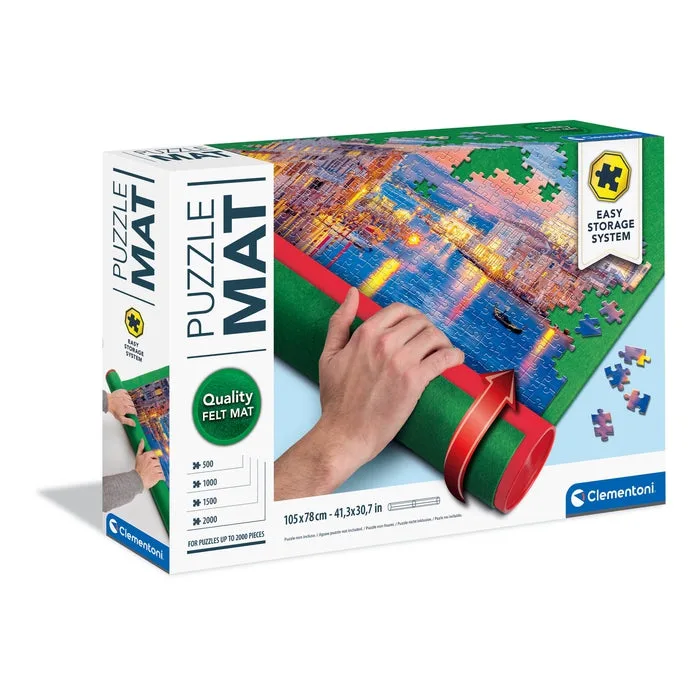
puzzle mat
The storage mistakes that cause most bending
Most warped puzzle pieces trace back to three storage habits: stacking boxes horizontally under heavy weight, storing puzzles in damp or unheated spaces, and leaving a half-finished puzzle on a table for weeks under a cloth that traps moisture.
The fix is simple but needs to be consistent. Store boxes upright or in a single layer, keep them in a dry interior room, and cover a work-in-progress puzzle with a breathable cloth or a proper puzzle mat rather than plastic sheeting.
- Store boxes upright or in a single layer, never under heavy objects
- Keep puzzles out of attics, garages, and damp basements
- Use a breathable cover for work in progress, not plastic wrap
When to stop repairing and choose another option
There is a point where repair stops being worth your time. If more than about ten percent of the pieces are visibly warped, if the image layer is lifting across a section, or if pieces no longer interlock cleanly, you are fighting a losing battle.
If the puzzle arrived in that condition in a sealed box, treat it as a fault rather than something you caused. If the damage appeared after months in storage, the honest answer is that the puzzle has been stored badly, and replacing it is usually cheaper than trying to flatten hundreds of pieces.
- Stop repairing when interlocking no longer works cleanly
- Check new puzzles within the first few days of opening
- Replace rather than repair if damage is widespread
Diagnosis: match the symptom to the cause
- Curled corners, flat centre: Moisture imbalance, usually from a humid room or a cold surface. Move the puzzle to a dry, steady room and lay pieces flat for a day or two. Usually reversible if caught early.
- Bowed middle, soft feel: Cardboard has absorbed water through the cut edges. Flatten under weight for 48 hours, but expect the piece to remain slightly thicker. Stop repairing if more than a handful of pieces are affected.
- Frayed edges, lifting print: Mechanical damage from pulling pieces apart or overpacking the box. Switch to lifting pieces and leave slack in the box. Preventable with handling changes, not repairable once the print lifts.
- Warped pieces in a sealed new box: This is a manufacturing or transit fault, not something you caused. Check the puzzle within the first few days of opening. Return it rather than trying to flatten it.
What piece count and format mean for bending risk
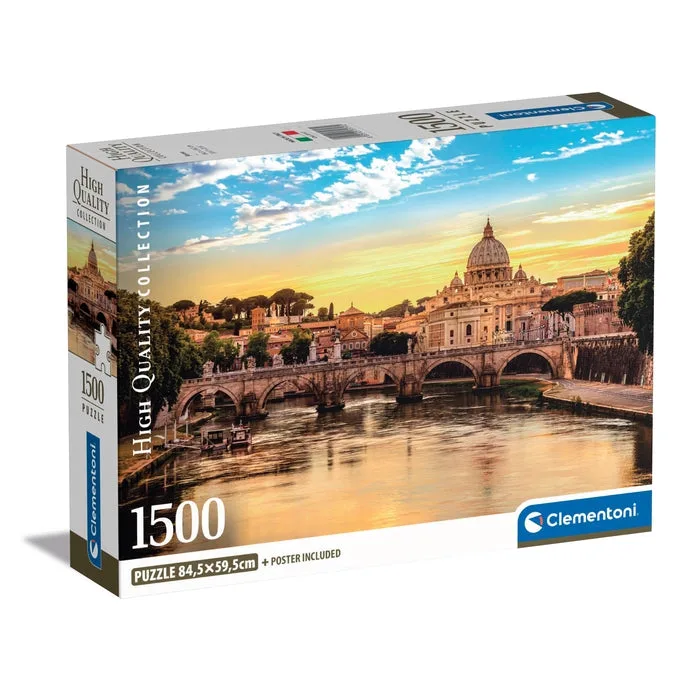
- https://clementonijgz.com/products/rome-1500-pezzi-1-f4bcfa9b87ac941a7b252e06-1565907Rome - 1500 pezzi: Puzzle adulti 1500 pezzi, dimensione puzzle completo 59,2 x 84,3 cm, Made in Italy. A large finished size means more surface area exposed to humidity if you leave it out, so a breathable cover matters more than it does on a small puzzle.
- Brooklyn Bridge Lights - 6000 pezzi: Puzzle adulti 6000 pezzi, dimensione puzzle completo 168,6 x 118,4 cm. At this scale you cannot easily move a half-finished puzzle, so it tends to sit in one spot for weeks. That makes room humidity and a stable surface the two things that decide whether pieces stay flat.
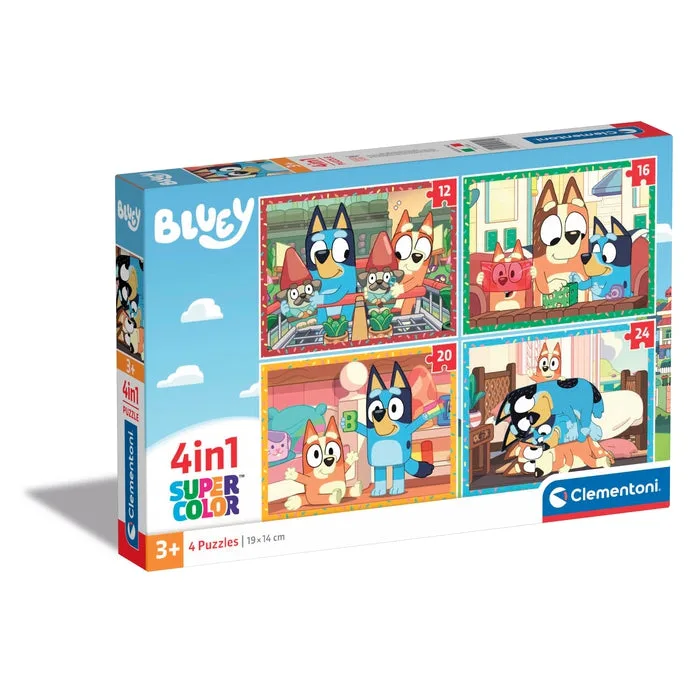
- Bluey - 1x12 + 1x16 + 1x20 + 1x24 pezzi: Puzzle bambini 4 in 1 con 4 immagini differenti e diverse pezzature, Made in Italy. Four separate small puzzles get packed and unpacked far more often than one big one, so frayed edges from repeated box handling are the main risk here rather than warping.
- PAW PATROL - 104 pezzi: Puzzle bambini 104 pezzi, dimensione puzzle completo 37,9 x 26,9 cm. Smaller pieces in a smaller box are easier to store badly. Keeping this one flat and dry is quick to do and prevents most of the bending you would otherwise see.
Bent pieces are almost always a storage and handling story rather than bad luck. Keep puzzles dry, flat, and loosely packed, and most of the problems in this article simply will not happen.