The footwear industry is witnessing a quiet revolution. Once a niche accessory for triathletes and military personnel, quick-release laces are now appearing in mainstream sneakers, hiking boots, and even dress shoes. This shift is not just about convenience—it reflects deeper changes in consumer behavior, design philosophy, and manufacturing efficiency. As we move through 2025, the no-tie laces trend is reshaping how brands approach footwear innovation.
From the rise of slip-on sneakers to the demand for adaptive gear, quick-release lacing systems offer a blend of speed, comfort, and style that traditional laces struggle to match. In this article, we explore the key drivers behind this transformation and what it means for athletes, casual wearers, and the industry at large.
The Consumer Demand for Speed and Convenience
Modern consumers prioritize efficiency in every aspect of their lives, and footwear is no exception. The average person ties their shoes twice a day—more if they work out or change outfits. Quick-release laces eliminate this repetitive task, allowing wearers to slip in and out of shoes in seconds. This is especially appealing to parents, commuters, and anyone with a busy lifestyle.
The trend is also fueled by the growing popularity of athleisure and hybrid footwear. Brands are designing shoes that transition from gym to street, and quick-release laces support that seamless experience. For example, the https://stylecraft.store/products/original-no-tie-lacing-system-48948Original No Tie Lacing System has become a go-to for runners who want a secure fit without stopping to retie during a race.
- Parents appreciate no-tie laces for kids who struggle with traditional laces.
- Travelers value the ease of removing shoes at airport security.
- Older adults and individuals with limited mobility find quick-release systems more accessible.
Performance Benefits for Athletes and Active Lifestyles
In competitive sports, every second counts. Quick-release laces provide a consistent, even tension across the foot, reducing pressure points and the risk of laces coming undone during activity. This reliability is why many triathletes and marathon runners have adopted them for race day. The ability to adjust fit on the fly without stopping is a game-changer.
Beyond speed, these laces offer superior lockdown. Traditional laces can loosen over time, but no-tie systems like the Quick-Release Lacing System Lace Ends lock in place, maintaining a snug fit throughout a workout. This reduces foot slippage inside the shoe, which can lead to blisters and discomfort. For hikers and trail runners, this stability is critical on uneven terrain.
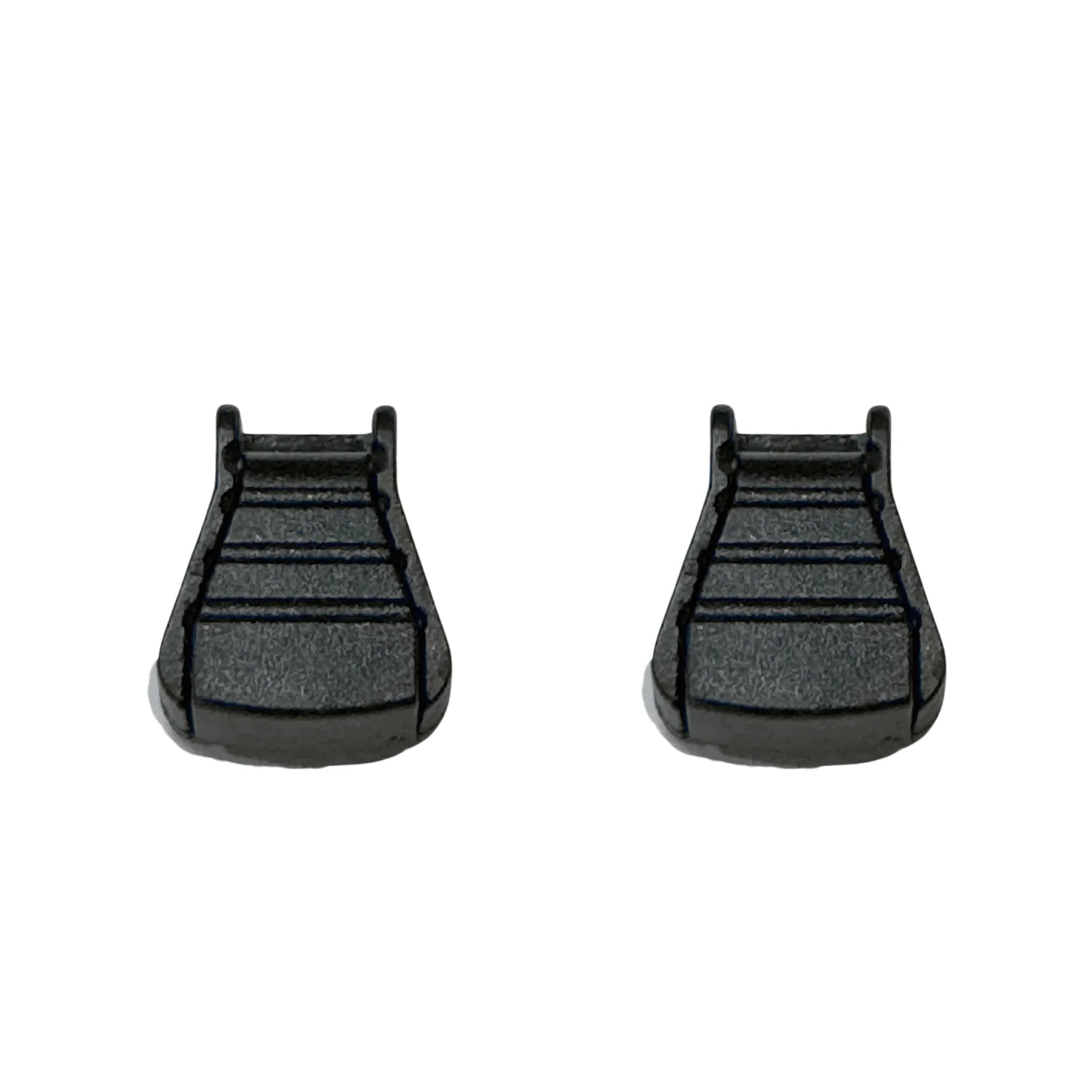
Quick-Release Lacing System Lace Ends
- Consistent tension reduces hot spots and blisters.
- Quick adjustability allows for mid-activity fit changes.
- Durable materials withstand repeated use and harsh conditions.
Design and Manufacturing Advantages for Brands
Footwear manufacturers are also embracing quick-release laces for practical reasons. Integrating a no-tie system can simplify the production process—fewer components, less manual labor for lacing, and consistent quality control. Some brands are even designing shoes specifically around the lacing mechanism, creating a cleaner, more modern aesthetic.
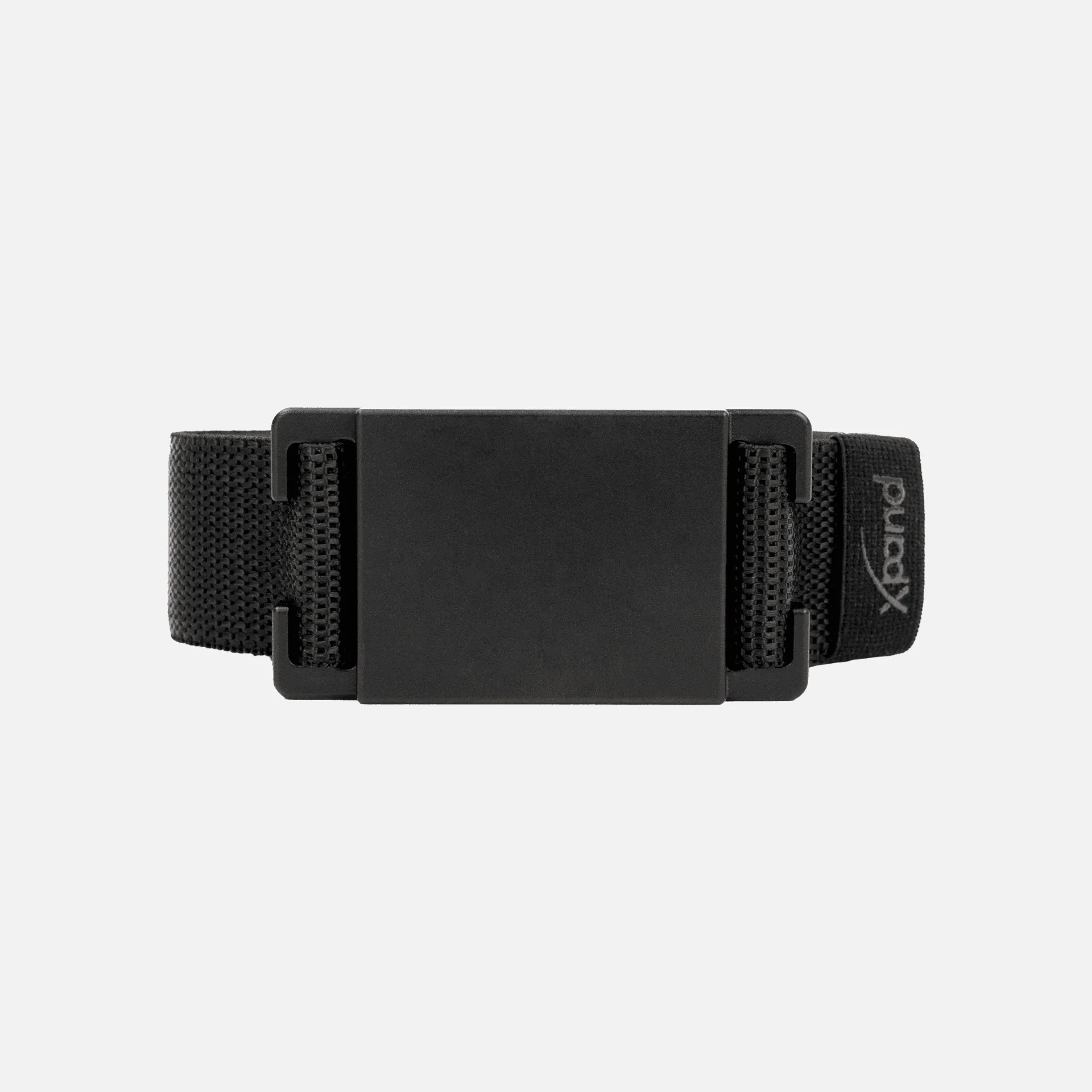
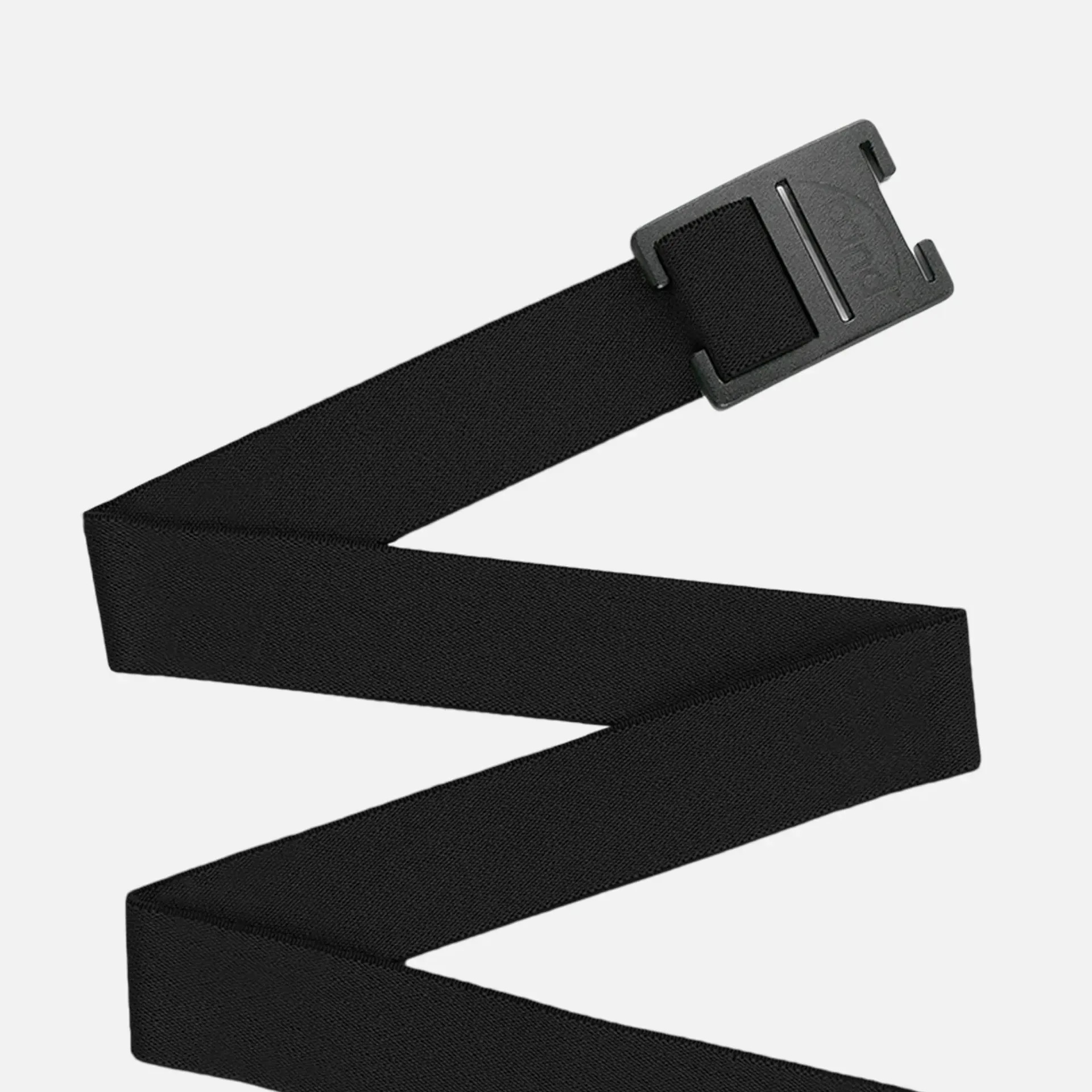
Additionally, quick-release laces allow for modular design. Consumers can customize their shoes with different lace colors or styles, and brands can offer accessories that extend the product's lifecycle. This aligns with the growing interest in sustainable fashion, where durability and adaptability reduce waste. The trend is also influencing belt design, with products like the Aluminum Explorer Elastic Belt offering similar quick-adjust functionality.
- Simplified assembly reduces production costs.
- Customizable laces encourage repeat purchases of accessories.
- Modular design aligns with sustainability goals.
The Role of Innovation in Driving Adoption
Technological advancements in materials and mechanics have made quick-release laces more reliable and affordable. Early versions were prone to breaking or slipping, but modern systems use high-tensile cords, durable locking mechanisms, and ergonomic toggles. This has expanded their use from specialty gear to everyday footwear.
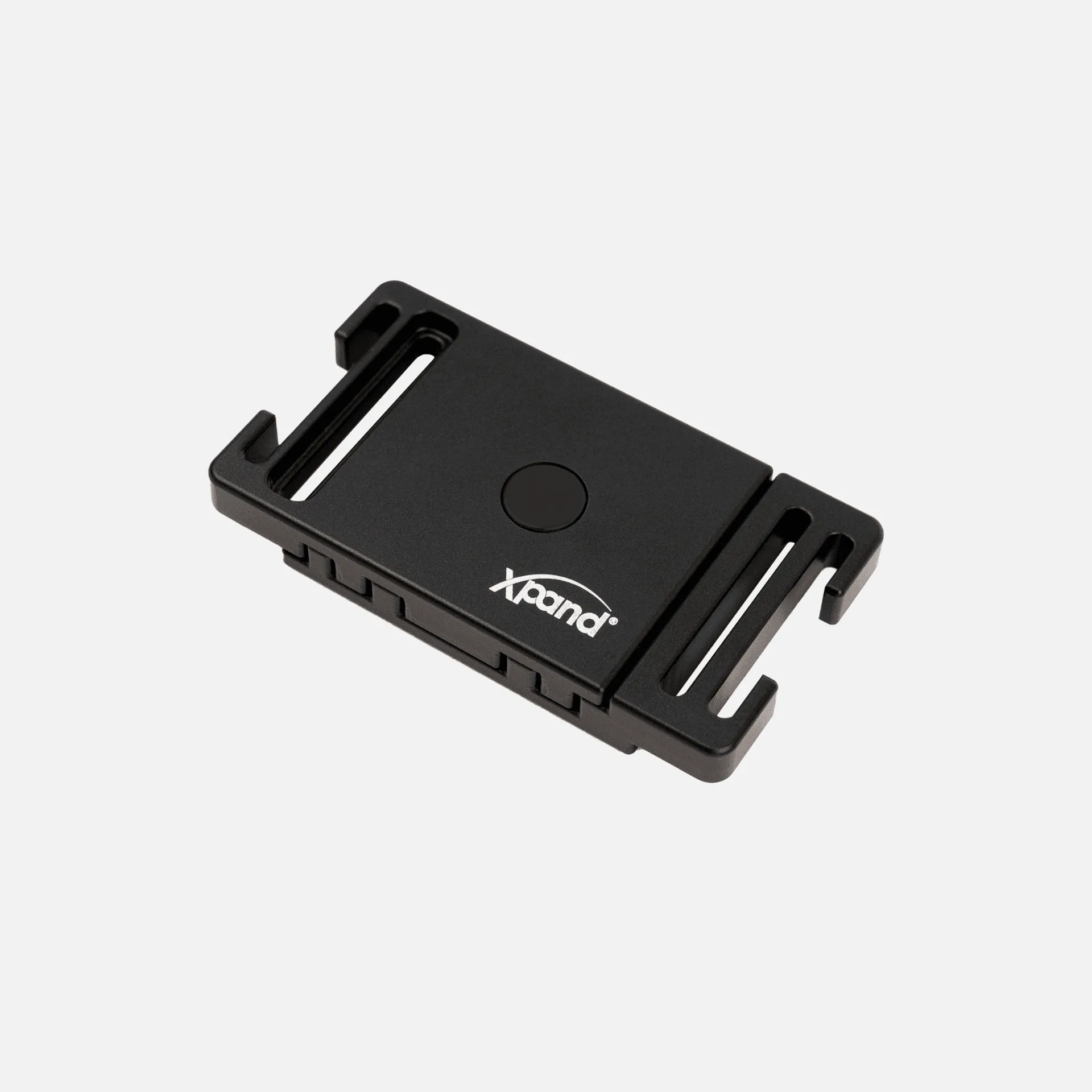
Innovation is also coming from unexpected places. For instance, the same elastic technology used in no-tie laces is now being applied to belts, creating versatile accessories that adjust without traditional buckles. The Aluminum Urban Buckle exemplifies this cross-pollination, offering a sleek, quick-release mechanism for waistbands. As these technologies converge, the line between footwear and apparel accessories continues to blur.
- Improved materials increase durability and lifespan.
- Ergonomic designs enhance user experience.
- Cross-industry applications broaden market reach.
Industry Trends and Future Outlook
Industry analysts predict that by 2027, over 40% of new athletic shoe models will feature some form of quick-release lacing as standard. This is driven by consumer feedback and the desire for differentiation in a crowded market. Major sportswear brands are investing in proprietary systems, while smaller companies focus on compatibility with existing shoes.
The trend is also expanding into casual and formal footwear. Loafers and oxfords are being reimagined with hidden lacing mechanisms that maintain a polished look while offering slip-on convenience. As the technology matures, we can expect to see quick-release laces in everything from children's shoes to high-end fashion. The future of footwear is fast, and it's already here.
- Customization and personalization are key growth drivers.
- Compatibility with existing shoes lowers the barrier to adoption.
- Sustainability benefits appeal to eco-conscious consumers.
Whether you're an athlete looking for a performance edge or someone who simply wants to save time each morning, quick-release laces offer a practical upgrade. Explore the Original No Tie Lacing System to experience the convenience and innovation that are reshaping modern footwear.