Quick answer
Crystallisation is a natural change in raw honey, not a sign that it has gone bad. You can bring a jar back to liquid with gentle warmth, and you do not need to throw it away. The main thing to avoid is overheating, which can change the honey's flavour and texture.
What crystallisation actually is
Raw honey is a concentrated sugar solution. Over time, the glucose in it can settle out of the solution and form solid crystals, while the remaining liquid becomes more concentrated in fructose. This is a physical change, not a chemical spoilage process. Because raw honey is not heavily filtered or heat-treated, its natural composition can make crystallisation more likely than in highly processed honey.
Temperature and storage conditions influence how quickly this happens. Cooler, stable room temperatures tend to encourage crystals to form, while very warm storage can slow the process but may also affect quality over long periods. The crystals themselves are safe to eat and are simply honey in a different physical state.
How to tell crystallised honey from spoiled honey
Crystallised honey looks cloudy, grainy, or solid, but it should still smell like honey and taste sweet. Spoilage is a different story. If you see active bubbling, a sour or fermented smell, or liquid that has separated and smells like alcohol, that is a sign of fermentation and the honey should be discarded. Pure crystallisation alone is not a reason to throw a jar away.
One practical check is to warm a small spoonful. If it melts back into a smooth liquid and smells normal, it is crystallised, not spoiled. If it smells off or tastes fizzy, treat it as spoiled.
How to safely decrystallise a jar at home
The gentlest method is a warm water bath. Place the closed jar in a bowl of warm, not boiling, water and let it sit, stirring the honey occasionally. Replace the water as it cools. This can take some time for a fully solid jar, but it avoids overheating. You can also use a dedicated honey warmer if you have one, following its instructions.
Avoid microwaving honey directly, as it heats unevenly and can scorch. Avoid boiling water or direct stovetop heat, which can damage the flavour and beneficial compounds. If you only need a small amount, you can scoop out the crystallised honey and use it as is; it spreads well on toast and stirs into tea.
Does crystallisation mean the honey is lower quality?
No. Crystallisation is often a sign that honey is raw and minimally processed, because heavy filtration and high-heat processing can remove the particles that seed crystals or change the sugar balance. Some people prefer crystallised honey for its spreadable texture. The quality of a honey depends on its source, handling, and freshness, not on whether it is liquid or solid at room temperature.
If you want to keep honey liquid longer, store it in a warm cupboard rather than a cold one. But even then, crystallisation can still happen over time. It is a normal part of raw honey's life.
Myths and verdicts
- Crystallised honey is spoiled: Crystallisation is a natural physical change in raw honey, not spoilage. Spoilage involves fermentation, off smells, or bubbling. Verdict: myth. Crystallised honey is safe to eat.
- You should throw away crystallised honey: You can restore it with gentle warmth. Throwing it away wastes good honey. Verdict: myth. Decrystallise instead.
- Crystallisation means the honey is fake or low quality: It often indicates raw, minimally processed honey. Quality depends on source and handling, not texture. Verdict: myth. Crystallisation can be a sign of rawness.
- Boiling water is the fastest way to liquefy honey: High heat can damage flavour and beneficial compounds. Warm water is safer. Verdict: myth. Use warm, not boiling, water.
A raw honey example
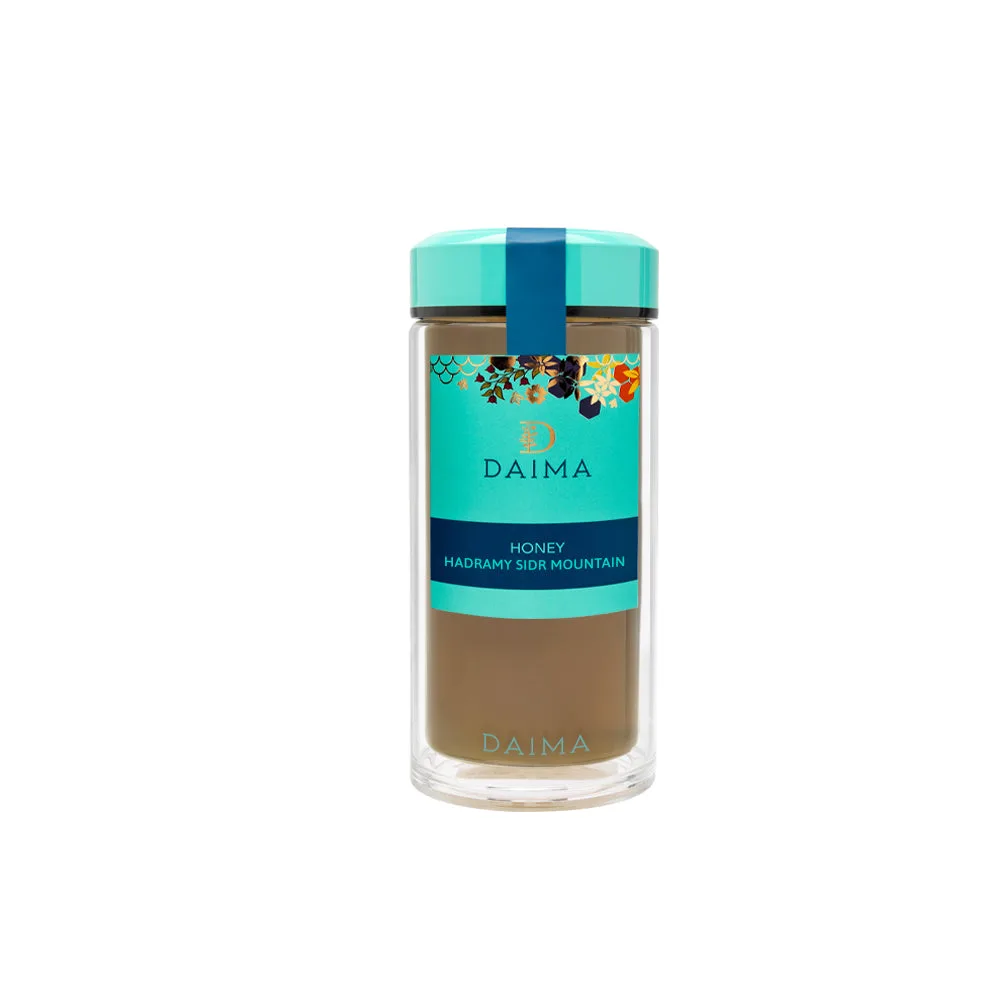
- Pre Packed Hadramy Sidr Mountain Honey: Pre Packed Hadramy Sidr Mountain Honey by Daima is a rare and luxurious honey sourced from the pristine Sidr trees in the Hadramy mountains, known for its rich, distinct flavor and natural health benefits. Because it is a raw, minimally processed honey, it may crystallise over time; that is normal and not a defect. Gentle warming can restore it to liquid.