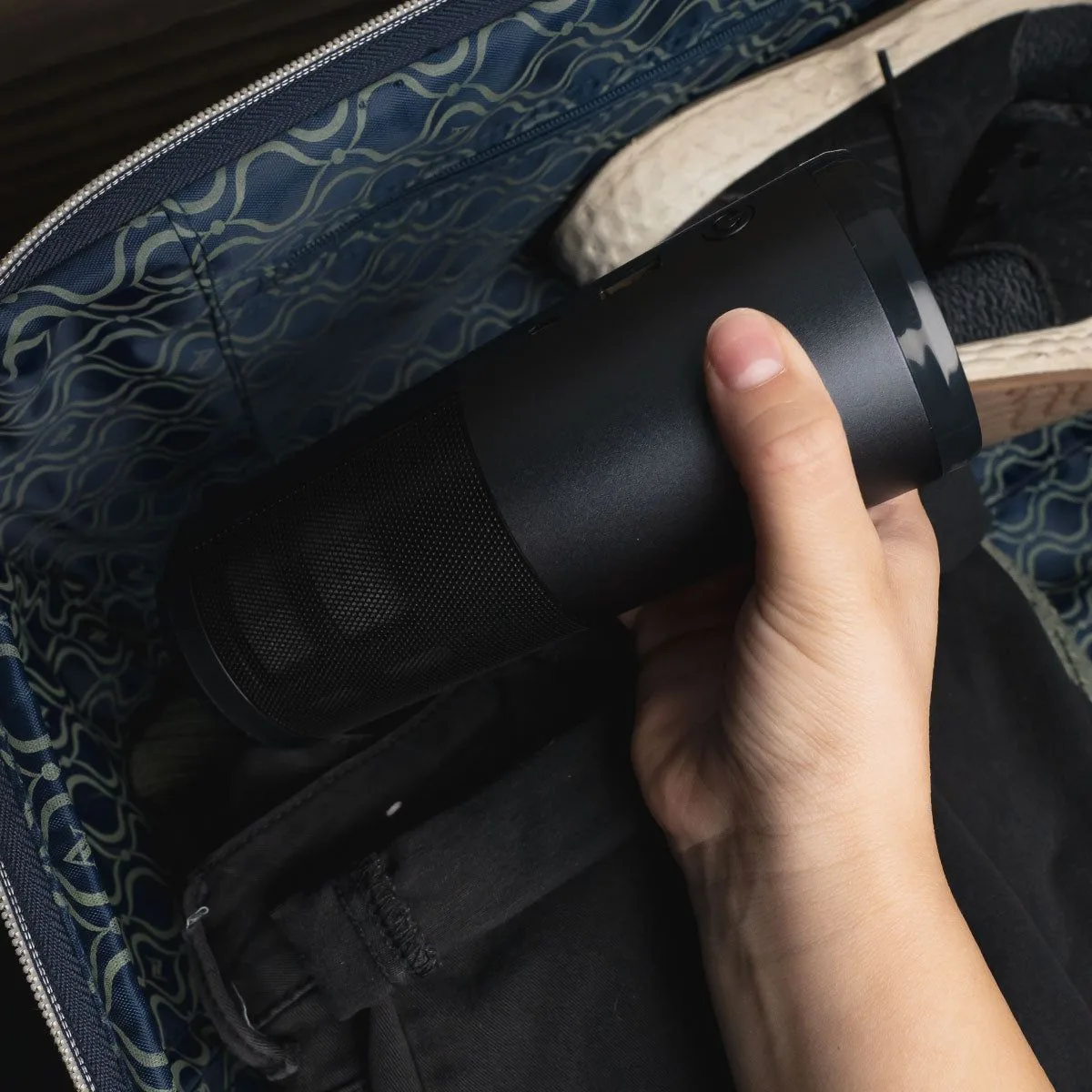
Traveling in 2025 means more than just packing a passport and a power bank. As digital pickpocketing becomes increasingly sophisticated, protecting your personal data is just as important as safeguarding your cash and cards. RFID-blocking wallets have evolved from a niche security gadget to an essential travel companion, and for good reason. Whether you're navigating crowded subways in Tokyo or exploring open-air markets in Barcelona, the threat of someone scanning your credit card, passport, or transit pass without your knowledge is real and growing.
In this article, we'll break down what RFID technology is, how digital thieves exploit it, and why investing in an RFID-blocking wallet—along with complementary EDC tools like a compact key organizer—can give you peace of mind on the road. We'll also share practical tips for choosing the best travel wallet in 2025, and how to integrate it with other smart accessories for a streamlined, secure carry.
What Is RFID and How Does Digital Pickpocketing Work?
RFID stands for Radio Frequency Identification. It's the technology embedded in modern credit cards, passports, driver's licenses, and transit cards that allows contactless payments and fast scanning at airport kiosks. The chip inside these cards transmits your personal information—such as your name, card number, and expiration date—when it comes within range of an RFID reader. Legitimate readers are used by payment terminals and security gates, but the same technology can be exploited by criminals carrying portable RFID scanners.
Digital pickpocketing occurs when a thief stands close to you—often in a crowd, on public transport, or in a queue—and activates a hidden scanner that reads your card data through your bag, pocket, or wallet. The scanner can capture enough information to clone your card or make fraudulent contactless purchases. In 2025, with contactless payment limits rising in many countries and passports containing embedded chips, the potential for this type of theft has never been higher. The good news is that a simple layer of RFID-blocking material—typically a metal mesh or foil—can block those radio waves entirely.
- Always keep your passport and primary credit cards in an RFID-blocking sleeve or wallet, especially when traveling internationally.
- Test your RFID-blocking wallet by placing a card inside and holding it near a contactless payment terminal—if it doesn't read, it's working.
Why Travelers Are Prioritizing RFID Security in 2025
Travelers in 2025 are more connected than ever, carrying multiple cards, a smartphone, a smart tracker, and often a compact key holder. But with convenience comes vulnerability. A recent survey found that over 60% of travelers now consider RFID protection a top priority when choosing a travel wallet. The rise of digital nomadism, remote work trips, and international travel has made it essential to protect not just your money but also your identity.
Beyond credit cards, modern passports (especially those with the biometric chip) and some driver's licenses also contain RFID data. In many airports, you can now use e-gates that scan your passport chip—but the same chip can be read by a thief standing next to you in line. An RFID-blocking wallet acts as a Faraday cage, preventing any unauthorized reading. For travelers who also carry a Bluetooth tracker like the SmartCard (Gen 3) to keep tabs on their wallet, combining tracking with RFID protection creates a powerful security system.
- Choose a wallet that offers both RFID protection and a dedicated slot for a slim tracker like the SmartCard (Gen 3) for added security.
- If you prefer a minimalist setup, consider a cardholder-style wallet that fits easily in a front pocket and pairs with a compact key organizer.
How to Choose the Best Travel Wallet with RFID Blocking
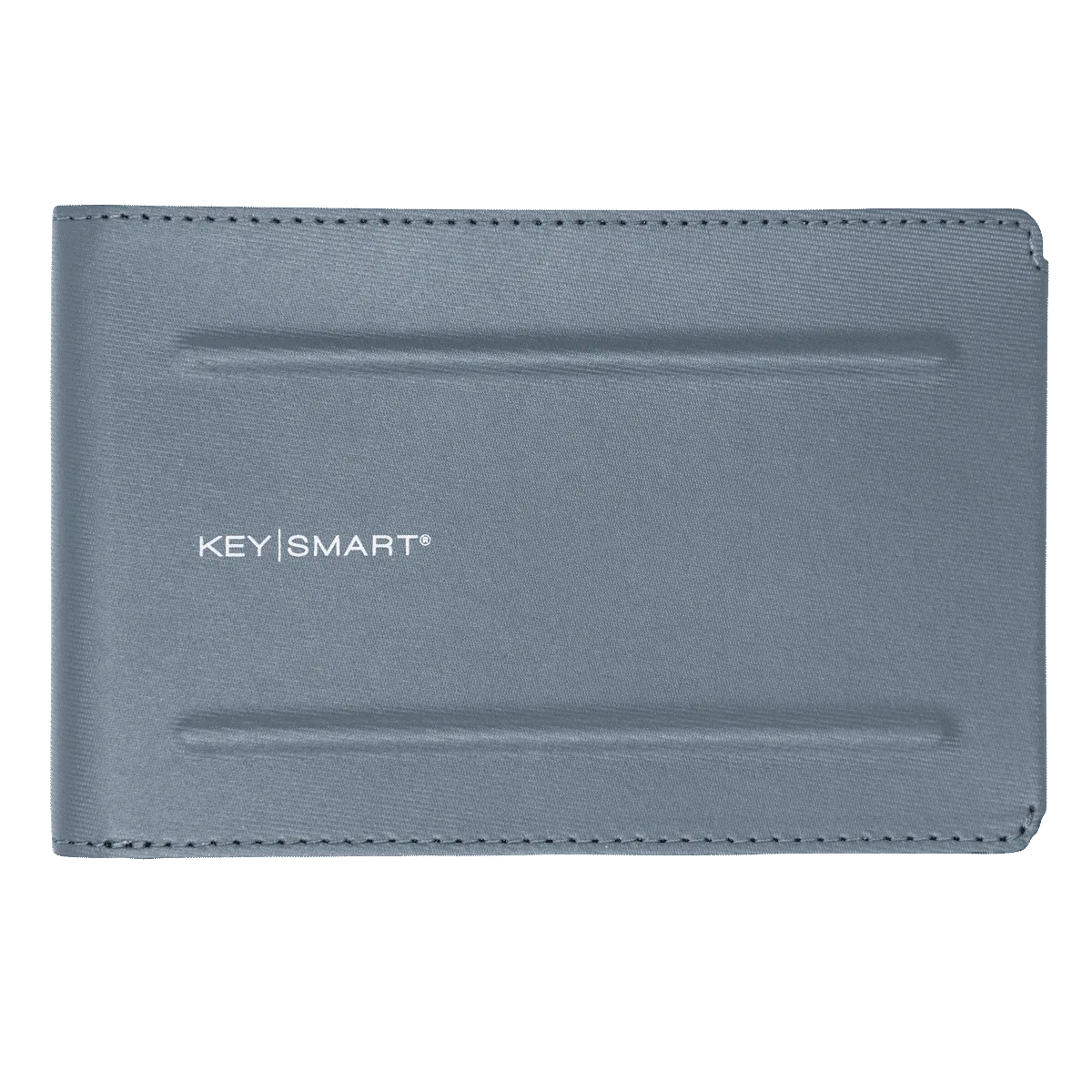
Not all RFID-blocking wallets are created equal. When shopping for the best travel wallet in 2025, look for full coverage—meaning all card slots and the passport pocket should be lined with RFID-blocking material. Some wallets only block one or two slots, leaving your other cards exposed. Also consider the material: leather offers durability and style, while synthetic fabrics like nylon are lighter and often more water-resistant.
Size matters too. A bulky wallet can be uncomfortable and may not fit in a front pocket, which is where it's safest. Many travelers now prefer slim, minimalist designs that hold 4–8 cards plus cash, and that can be paired with a compact key holder like the KeySmart Classic or the Keysmart Loop Red to keep your EDC organized. For those who carry multiple devices, a wallet that integrates with a magnetic charging cable system—such as the Statik MagStack Slim Pro—can reduce cable clutter in your bag.
- Look for wallets that explicitly state 'full RFID blocking' and test them if possible.
- Consider a wallet with a built-in tracker slot if you tend to misplace your wallet while traveling.
Pairing Your RFID Wallet with Other Travel EDC Essentials
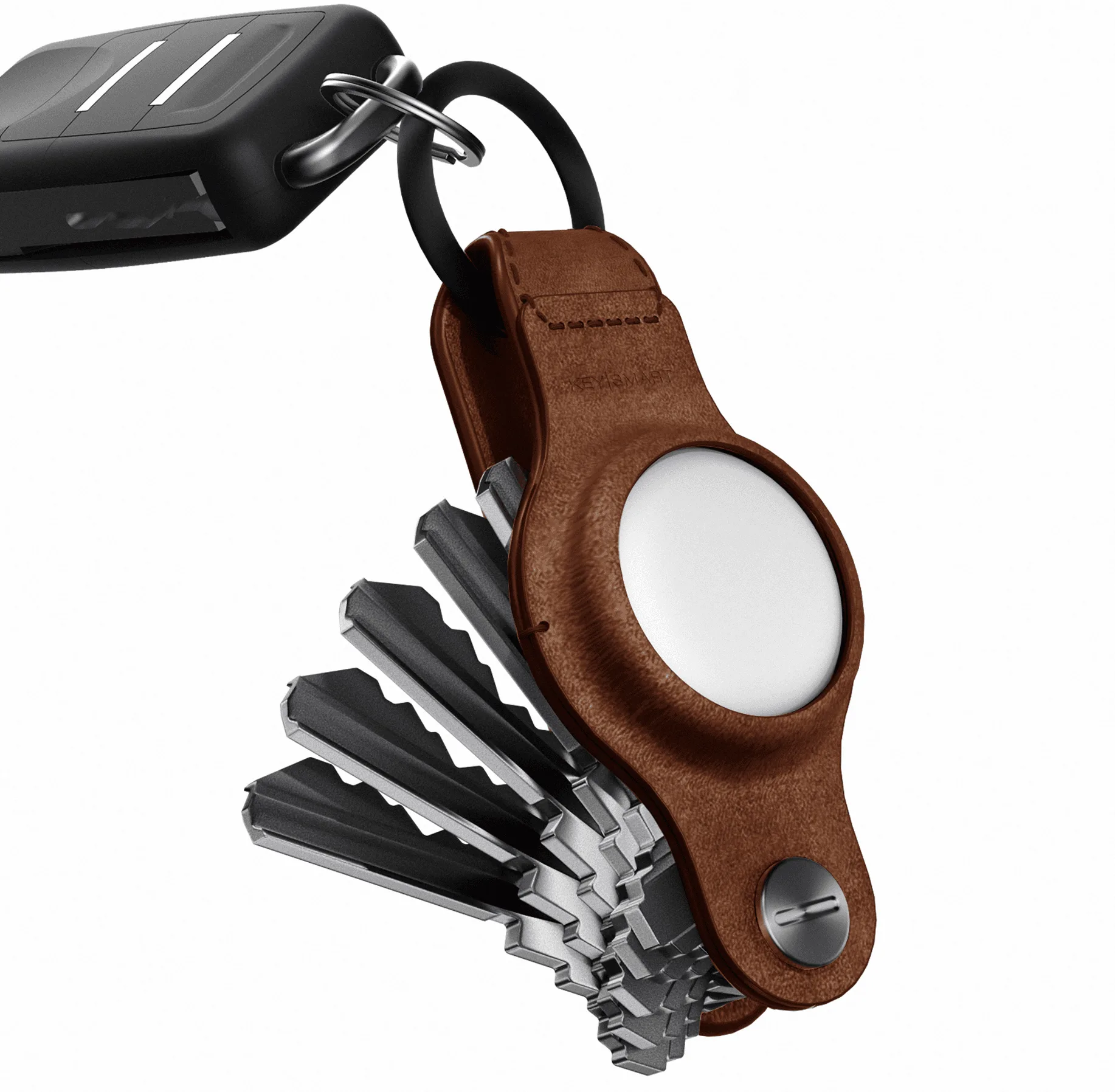
An RFID-blocking wallet is just one piece of a secure and organized travel setup. To truly streamline your carry, consider pairing it with a compact key organizer that reduces pocket bulk and prevents keys from scratching your cards. The KeySmart Classic Red Forged Carbon is a popular choice because it holds up to 14 keys in a sleek, carbon-fiber frame that's both lightweight and durable. For those who prefer a smaller profile, the Keysmart Loop Red organizes up to 5 keys with locking screws, making it ideal for minimalists.
You can also attach a smart tracker to your key organizer or wallet to quickly locate them if they get lost or stolen. The SmartCard (Gen 3) works with Apple Find My and Android Find Hub, and supports wireless charging—so you never have to worry about batteries. And when you need to charge your devices on the go, a tangle-free magnetic cable like the Statik MagStack Slim Pro ensures fast charging without the mess. Together, these accessories create a cohesive EDC system that's secure, efficient, and travel-ready.
- Use a peel-and-stick pocket clip like the PocketFuse to attach a tracker or multi-tool to your wallet or bag for quick access.
- Carry a compact multi-tool for unexpected fixes—it can save you time and hassle during travel.
Practical Tips for Protecting Your Digital Identity While Traveling
Beyond using an RFID-blocking wallet, there are several other steps you can take to safeguard your personal information. First, enable transaction alerts on all your credit cards and bank accounts so you're notified immediately of any suspicious activity. Second, avoid storing your passport or primary cards in back pockets or easily accessible outer compartments of your bag. Third, consider using a digital wallet on your phone for contactless payments, and keep your physical cards in your RFID-blocking wallet as a backup.
When staying in hotels, use the in-room safe to store your passport and extra cards. If you're carrying a laptop or tablet, make sure it's encrypted and password-protected. And don't forget about your key organizer—some thieves target keys to gain access to your home or vehicle. By combining an RFID-blocking wallet with a tracker-equipped key organizer, you add layers of security that make you a much harder target.
- Keep a backup credit card in a separate location (e.g., your hotel safe) in case your wallet is lost or stolen.
- Use a bag hook like the BagHang+ to keep your bag off the floor and within sight in public places.
Traveling in 2025 demands a smarter approach to personal security. An RFID-blocking wallet is no longer a luxury—it's a necessity for protecting your data from digital pickpocketing. By pairing it with a compact key organizer like the KeySmart Classic and a smart tracker like the SmartCard (Gen 3), you can enjoy a streamlined, secure EDC that keeps your keys, cards, and identity safe. Ready to upgrade your travel setup? Explore the SmartCard (Gen 3) and discover how it adds Find My network tracking to your wallet without sacrificing style or security.