That maddening itch from a mosquito bite or chigger welt can drive anyone to scratch. But as tempting as it is, scratching bug bites is one of the worst things you can do for your skin. In this article, we’ll explore the science behind why scratching makes bites worse, and share natural, effective strategies to stop the itch and speed up healing.
Why Scratching Bug Bites Hurts More Than It Helps
When a mosquito or other biting insect pierces your skin, it injects saliva containing proteins and anticoagulants. Your immune system responds by releasing histamine, which causes blood vessels to dilate and triggers the classic itchy, red bump. Scratching provides temporary relief by stimulating pain fibers that override the itch signal—but it also damages the skin barrier and amplifies inflammation.
The Vicious Cycle of Scratching
Scratching physically disrupts the top layer of skin, leading to increased histamine release and more swelling. This creates a scratch-itch cycle: you scratch, the bite gets more inflamed and itchy, so you scratch again. Over time, this can lead to broken skin, bacterial infection (like cellulitis), hyperpigmentation, and scarring. For children and people with sensitive skin, the risk is even greater.
How Scratching Delays Healing
Damaged skin takes longer to repair. When you scratch, you introduce bacteria from your nails into the bite wound. This can cause secondary infections that require antibiotic treatment. Even without infection, the mechanical stress disrupts collagen production, leading to dark spots or permanent marks. The key is to break the cycle before it starts.
Natural Itch Relief: Stop Scratching Bug Bites Without Harsh Chemicals
Instead of reaching for scratching, there are several natural and highly effective ways to calm the itch and reduce swelling. One of the most innovative and drug-free methods is suction-based relief.
Suction Tools: A Gentle, Chemical-Free Approach
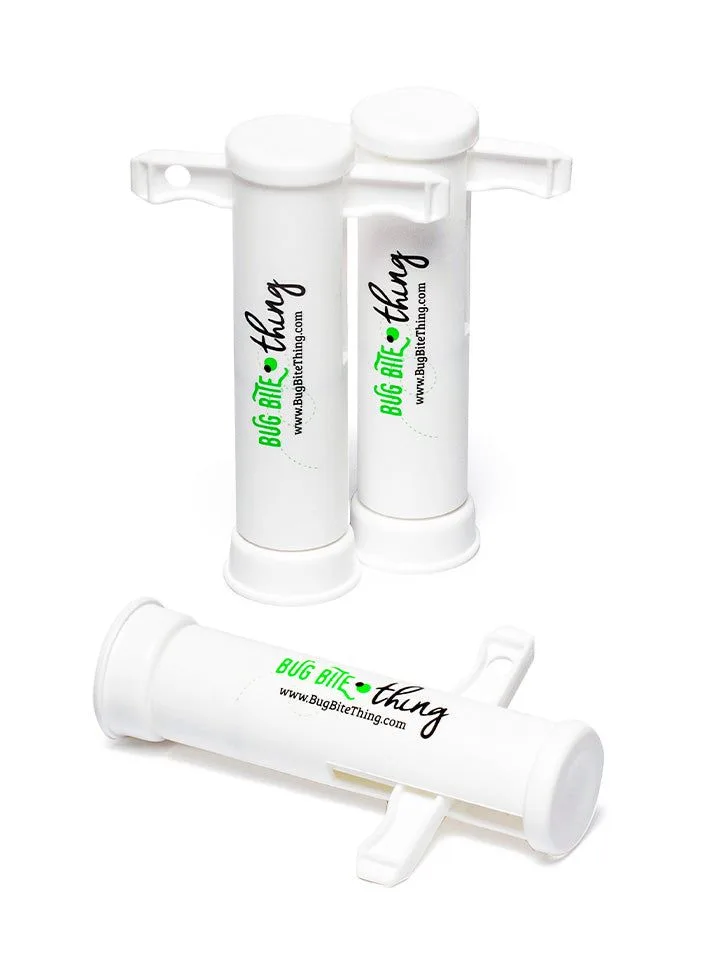
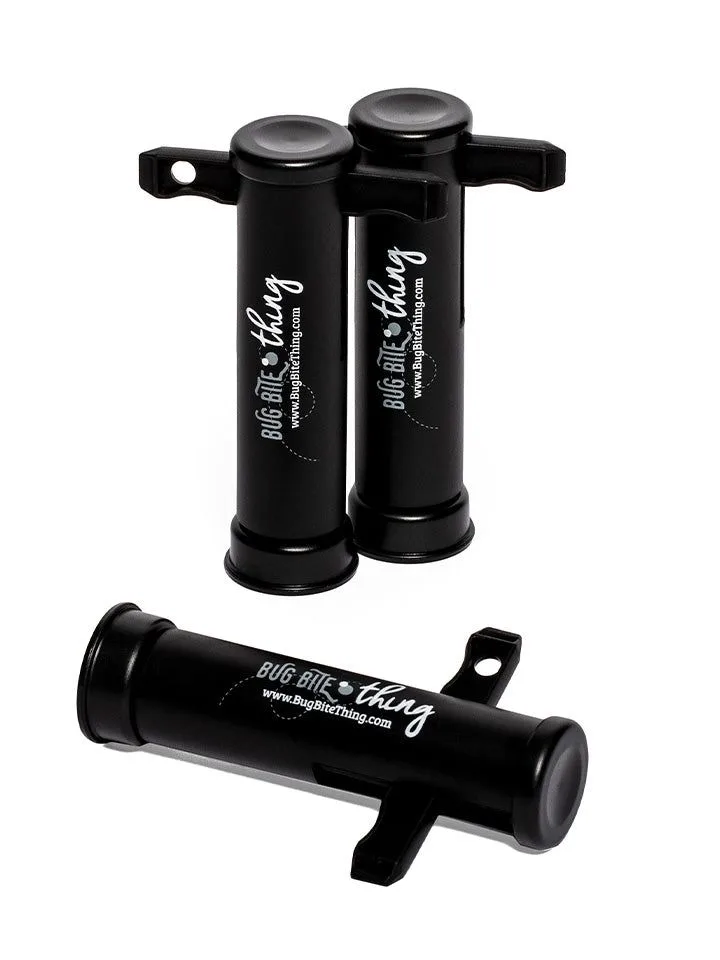
Suction tools work by creating negative pressure on the bite area, drawing out the insect saliva and venom that trigger the histamine reaction. This mechanical removal stops the itch at its source. The Bug Bite Thing Suction Tool - Black is a popular choice for its ergonomic design and effective suction. For families, the Bug Bite Thing Suction Tool - White offers a sleek option that fits easily in a diaper bag or pocket.
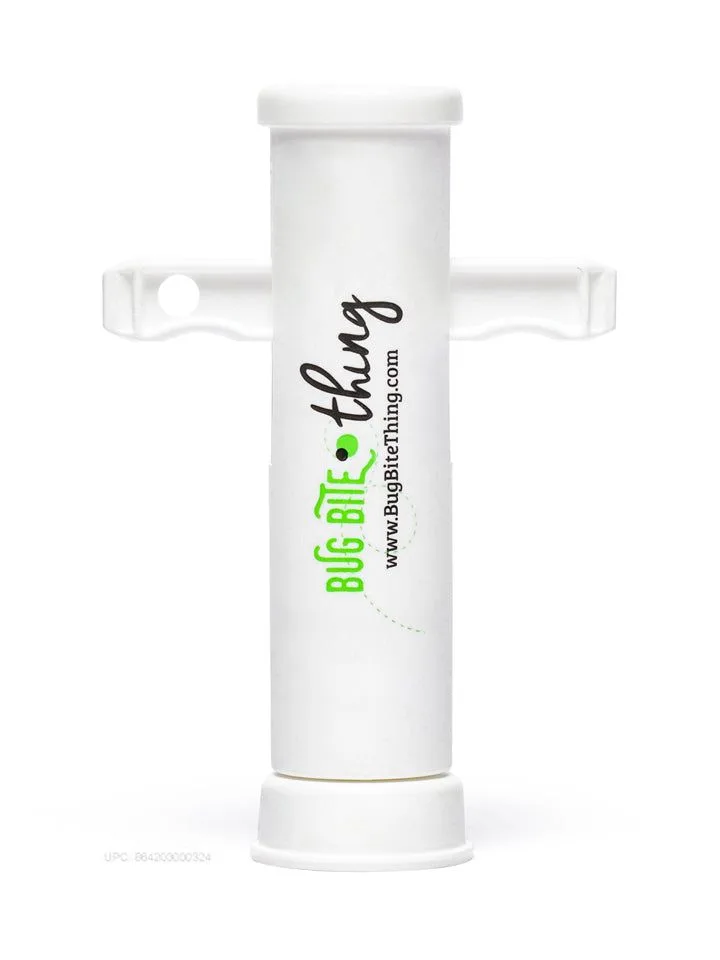
Bug Bite Thing Suction Tool - White
Cold Compresses and Ice
Applying a cold compress or ice cube directly to the bite for 10–15 minutes numbs the area and constricts blood vessels, reducing swelling and temporarily blocking itch signals. Wrap ice in a cloth to avoid frostbite. This is especially helpful right after a bite.
Aloe Vera and Oatmeal Baths
Aloe vera gel has anti-inflammatory and cooling properties. Apply pure gel from a plant or a high-quality store-bought version. Colloidal oatmeal baths—made by grinding oats into a fine powder and adding to lukewarm water—can soothe widespread itching. Both are safe for all ages.
Essential Oils (with Caution)
Lavender, tea tree, and peppermint oils have natural anti-itch and antibacterial properties. Always dilute with a carrier oil (like coconut or jojoba) before applying to skin. Do a patch test first, as some people may be sensitive.
Preventing the Itch Before It Starts
The best way to stop scratching is to avoid bites altogether. Use EPA-approved insect repellents containing DEET, picaridin, or oil of lemon eucalyptus. Wear long sleeves and pants in grassy or wooded areas, and treat clothing with permethrin. Also, keep your yard free of standing water where mosquitoes breed.
When to Use a Tick Remover
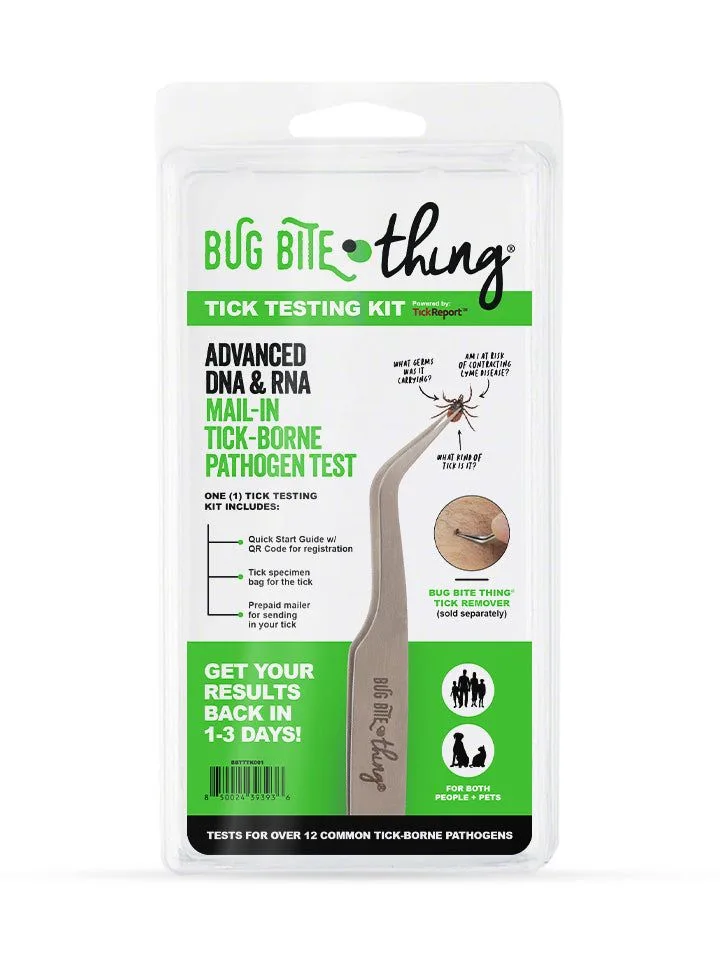
Ticks are a different threat—they don’t cause an immediate itch but can transmit diseases like Lyme. If you find a tick, remove it promptly with a specialized tool like the Bug Bite Thing Tick Remover. Never use heat, petroleum jelly, or nail polish, as these can cause the tick to regurgitate into your skin, increasing infection risk. After removal, test the tick for pathogens using the Bug Bite Thing Tick Testing Kit - Powered by TickReport™ for peace of mind.
Insect Bite Healing Tips for Faster Recovery
Once you’ve stopped the itch, support your skin’s natural healing process:
- Keep the area clean – Wash with mild soap and water twice a day.
- Moisturize – Use fragrance-free lotion to prevent dryness and cracking.
- Avoid hot water – Hot showers can exacerbate itching. Use lukewarm water instead.
- Trim nails – Short nails cause less damage if you accidentally scratch in your sleep.
- Wear loose clothing – Tight fabrics can rub against bites and trigger more itching.
When to See a Doctor
Most bug bites resolve on their own within a few days. Seek medical attention if you notice signs of infection (increasing redness, warmth, pus, fever), an allergic reaction (hives, difficulty breathing, swelling of the face or throat), or if the bite doesn’t heal after two weeks. For tick bites, watch for a bull’s-eye rash or flu-like symptoms, which may indicate Lyme disease.
Conclusion: Break the Scratch-Itch Cycle Naturally
Scratching bug bites only makes them worse, but you don’t have to suffer. By using natural remedies like cold compresses, aloe vera, and especially suction tools, you can stop the itch without damaging your skin. Remember to prevent bites whenever possible, and handle tick bites with proper removal and testing.
Ready to take control of your itch relief? Explore the Bug Bite Thing Suction Tool - White today and experience gentle, chemical-free relief that helps you stop scratching for good.