Quick answer
Slipping shoulder straps are almost always a routing or hardware problem, not a sign that the pack is worn out. Re-thread the webbing flat through every buckle, check that the adjuster is biting on the correct side, and set your load lifters so they angle forward and slightly up. If the strap still creeps after that, the buckle or webbing is worn and needs replacing.
Symptom: the strap creeps looser as you walk
The classic pattern is a strap that feels snug when you put the pack on, then gradually slackens over the first kilometer until the pack sits low and the weight pulls back on your shoulders. It usually happens on one side first, which is a useful clue: if the other side holds, the problem is local to that strap, buckle, or routing path rather than the whole harness.
Watch when it slips. Creep under a steady load points to the adjuster, while a sudden release when you lift the pack or swing it onto one shoulder points to the webbing path or a partially engaged buckle.
Likely cause: the webbing is twisted or routed on the wrong side
A single half-twist in the webbing stops the adjuster from gripping evenly, so the strap slides under load. Re-thread the strap so the webbing runs flat and straight through the buckle, with no fold or edge curl. On split-bar hardware, the webbing has to pass over the bar and back under it in the correct sequence; reversing that order gives you a strap that holds when static but creeps when you move.
This is also where mismatched hardware shows up. If you have added a chest pack or swapped straps, the buckle on the strap and the buckle on the attachment must be the same width and type, or the joint will always work loose.
Corrective action: reset the load lifters and strap angle
Load lifter adjustment is the most misunderstood part of pack stability. The lifters should run forward and slightly upward from the top of the shoulder strap to the pack, roughly 30 to 45 degrees. If they run flat or backward, they pull the pack down instead of lifting it, and the shoulder straps take the full load and start to slip.
Loosen the lifters, snug the shoulder straps, fasten and tighten the hip belt, then tighten the lifters last. Recheck after ten minutes of walking, because the pack settles and the geometry changes.
When to stop adjusting and replace the part
If the webbing is flat, the routing is correct, and the lifters are set, but the strap still loosens, the hardware is worn. A buckle with rounded teeth or a polished bar no longer bites, and no amount of re-threading will fix it. Replace the buckle or the strap rather than over-tightening to compensate, which only distorts the webbing and accelerates wear.
Check the webbing itself for glazing or thinning at the buckle point. Slick, shiny webbing is a sign the fibers have been abraded, and it will keep slipping even with new hardware.
Slipping strap diagnosis
- Strap loosens slowly while walking: The adjuster is not biting evenly, usually because the webbing is twisted or routed on the wrong side of the buckle. Re-thread flat and test again before replacing anything.
- Strap releases suddenly when lifting the pack: The buckle is only partially engaged or the webbing is too slick for the hardware. Check for glazing on the webbing at the buckle point.
- Strap holds but the pack still feels unstable: Load lifters are running flat or backward, so the shoulder straps carry the load instead of the hip belt. Set lifters to 30 to 45 degrees forward and up, then retighten.
- Still slipping after all adjustments: The buckle teeth are worn or the webbing is abraded and no longer grips. Replace the buckle or strap; stop over-tightening to compensate.
Parts that solve slipping and attachment problems
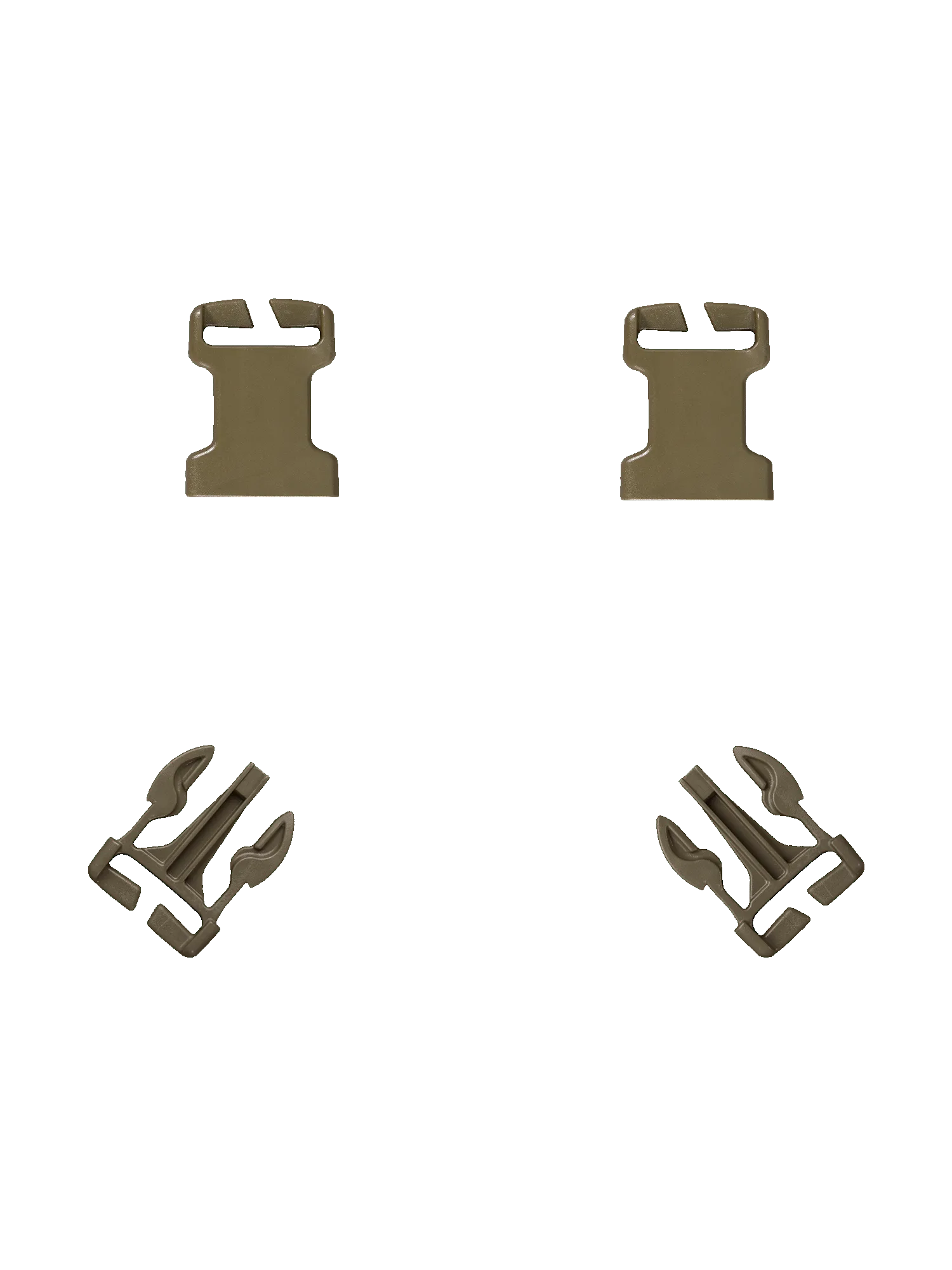
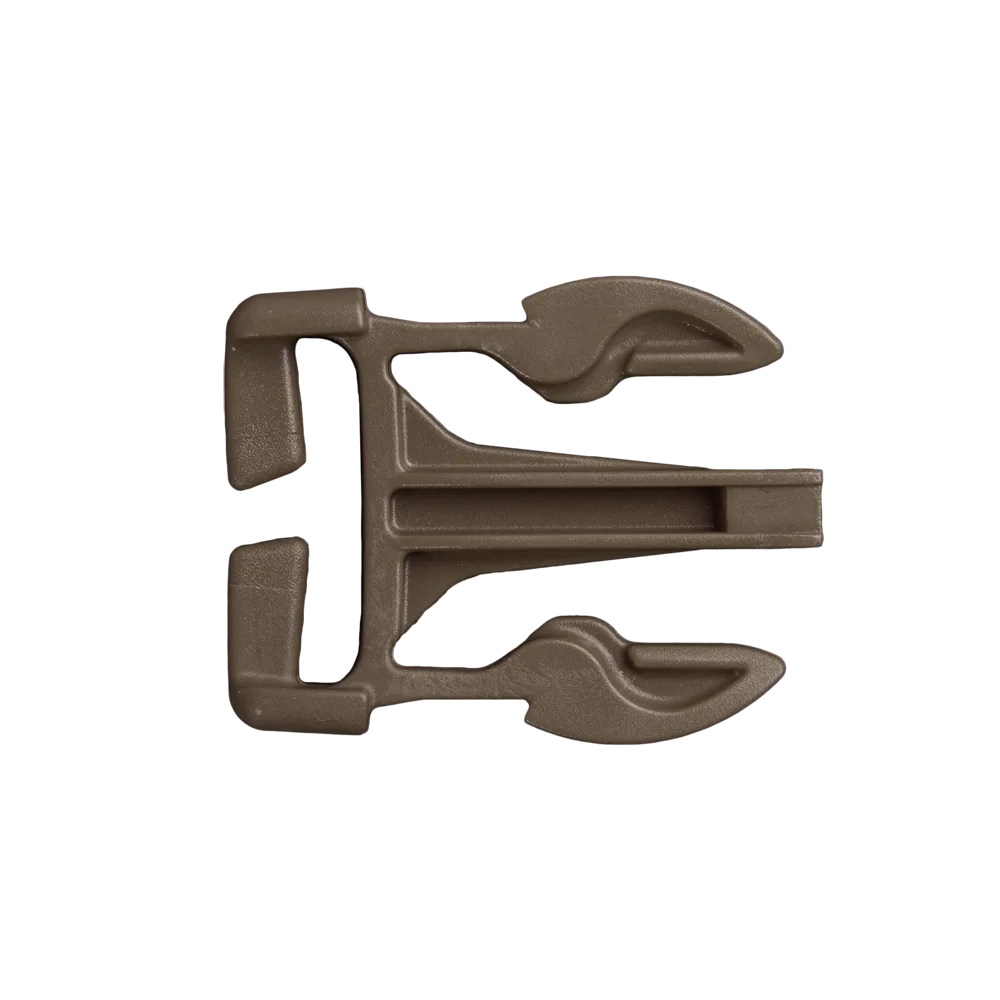
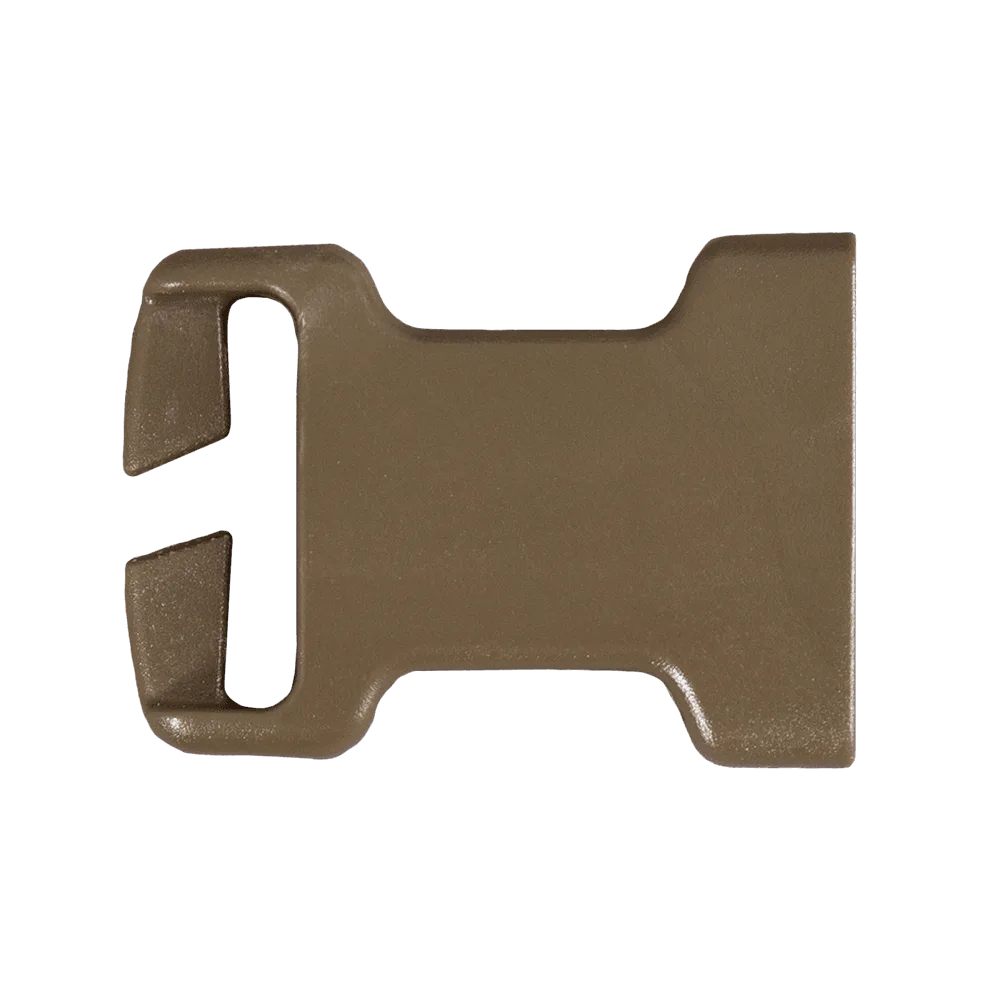
- Rintamus shoulder strap attachment kit: The Rintamus shoulder strap attachment kit is a bundle containing 2x 2M WB SR Split-Bar, 25 mm, female and 2x 2M WB SR split-bar, 25 mm, male buckles. If your slipping strap is actually a chest pack or pouch working loose on Kahakka-style shoulder straps, this kit gives you the matched male and female split-bar buckles to rebuild that joint properly instead of mixing widths.
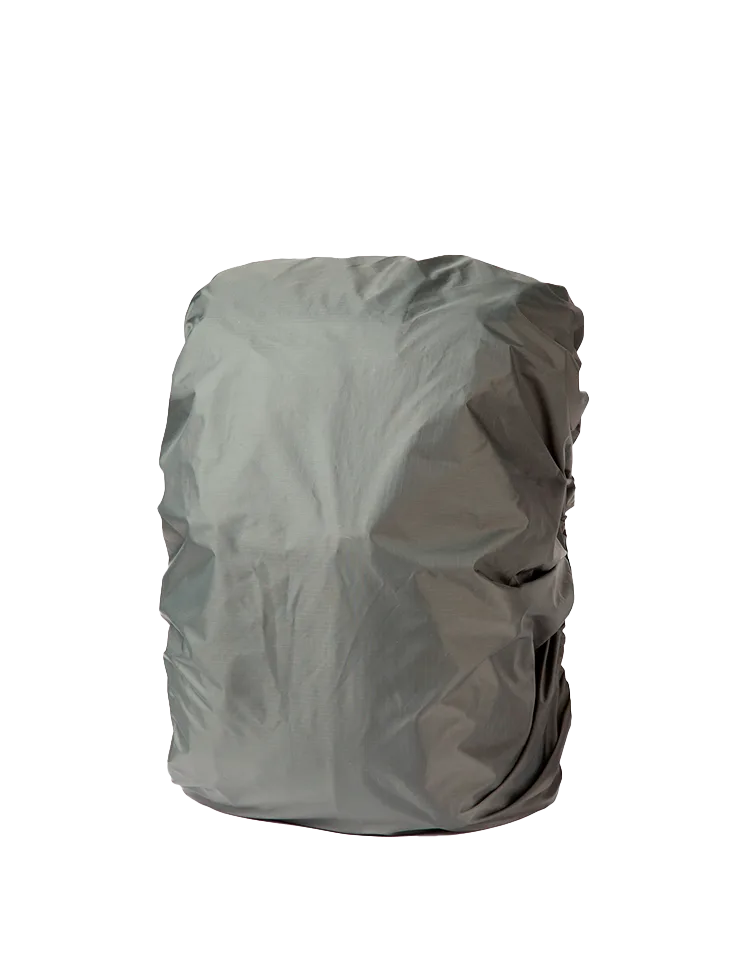
- Backpack cover, 30L IRR: The Backpack cover, 30L IRR is a lightweight, waterproof cover with seamless construction, an adjustable elastic retention cord, and tie-down toggle loops. A loose cover flapping on a small pack can tug at straps and add to the feeling of instability. The elastic cord and toggle loops let you cinch it tight so it stays put.