Quick answer
Silk pillowcases can help reduce sleep creases, moisture loss, and friction-related irritation—especially for people with dry, sensitive, or acne-prone skin. They are not a cure-all, and the investment only pays off if you also care for the fabric properly. For those on a tight budget or with heavy night sweating, high-quality cotton may still be the smarter choice.
How silk pillowcases differ from cotton for skin
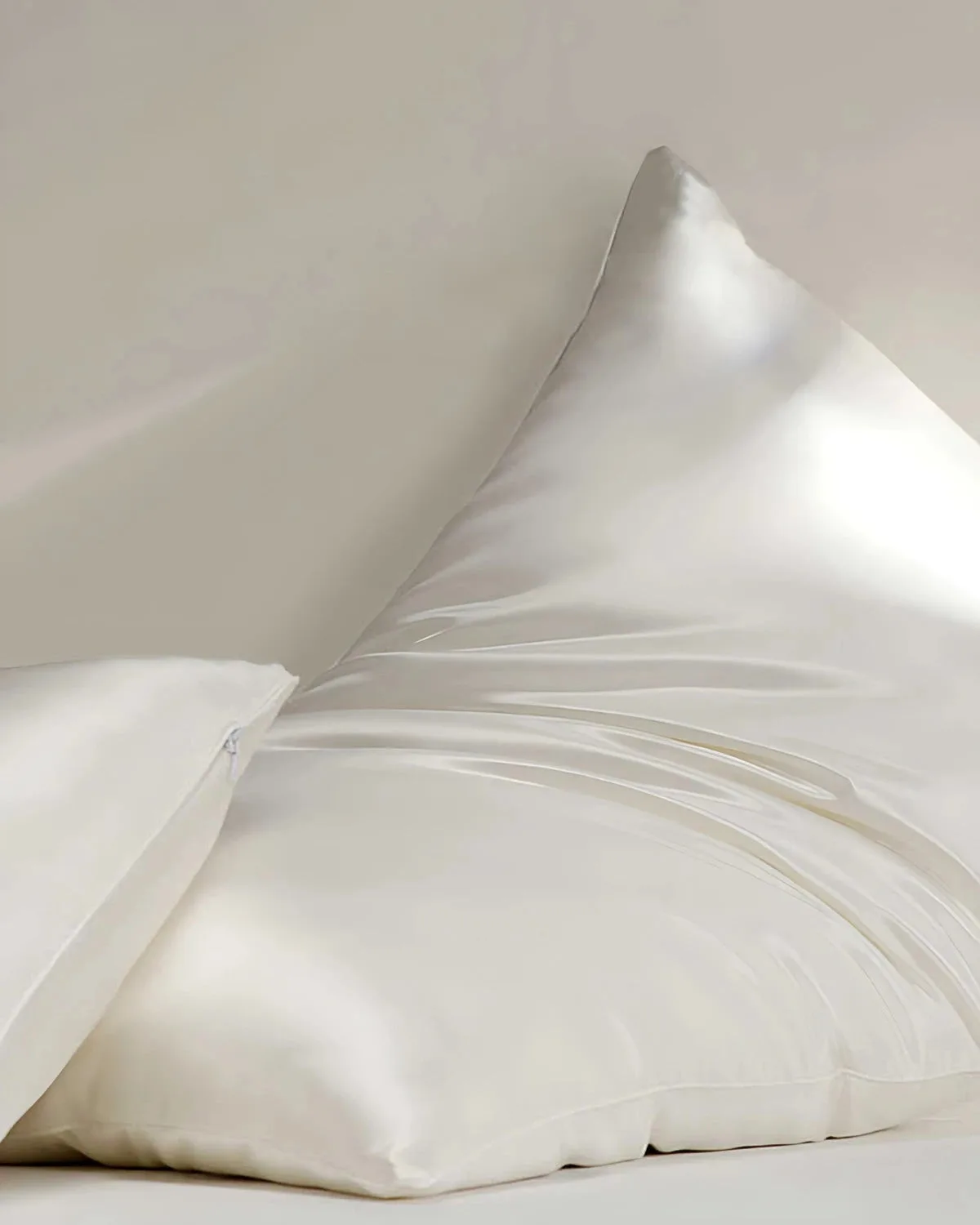
Silk is a smooth, long-fiber protein fabric that creates less friction than cotton. When you sleep on cotton, the rougher weave can tug at skin and hair, potentially contributing to sleep lines and moisture loss over time. Silk's slick surface allows skin to glide rather than drag, which may help reduce temporary creases and morning puffiness.
Silk is also naturally temperature-regulating and less absorbent than cotton. This means it wicks away just enough moisture to keep you comfortable without pulling hydration from your skin. For people who wake up with dry patches or irritation, switching to a silk pillowcase can make a noticeable difference within a few nights.
That said, silk requires more careful washing—hand wash or delicate cycle with mild detergent, and air dry away from direct sunlight. Cotton is far easier to maintain and more affordable to replace. If you cannot commit to the extra care routine, the benefits of silk may not justify the cost.
What silk pillowcases can and cannot do
Silk pillowcases are often marketed as anti-aging, but the evidence is mostly anecdotal. They can reduce the appearance of sleep lines (temporary creases that form when your face presses into the pillow), but they will not prevent deeper wrinkles caused by sun exposure, genetics, or aging. Think of silk as a supportive habit, not a replacement for sunscreen or a good skincare routine.
For acne-prone skin, silk's smooth surface can be gentler than cotton, which sometimes harbors bacteria or irritates breakouts. However, silk is not antibacterial on its own—you still need to wash your pillowcase weekly. If you have oily or cystic acne, a clean cotton pillowcase changed every two to three days may be equally effective and more economical.
One area where silk clearly wins is hair friction. The same glide that helps skin also reduces hair breakage and frizz. If you already use silk for your hair, your skin will benefit from the same swap.
Diagnosis: Is a silk pillowcase right for your skin?
- Symptom: You wake up with visible sleep creases on your face, dry patches, or irritated skin—especially on the side you sleep on. Silk may help reduce these temporary marks and moisture loss.
- Likely cause: Cotton pillowcases create friction and absorb moisture from your skin overnight. The rougher weave can also trap bacteria and dead skin cells. Switching to a smooth, less absorbent fabric addresses the root cause.
- Corrective action: Buy one 100% mulberry silk pillowcase (at least 19 momme) and wash it weekly by hand or on delicate cycle. Use a silk-friendly detergent and air dry. If you see improvement in 1–2 weeks, consider replacing your other pillowcases. If not, your skin concerns may have a different cause.
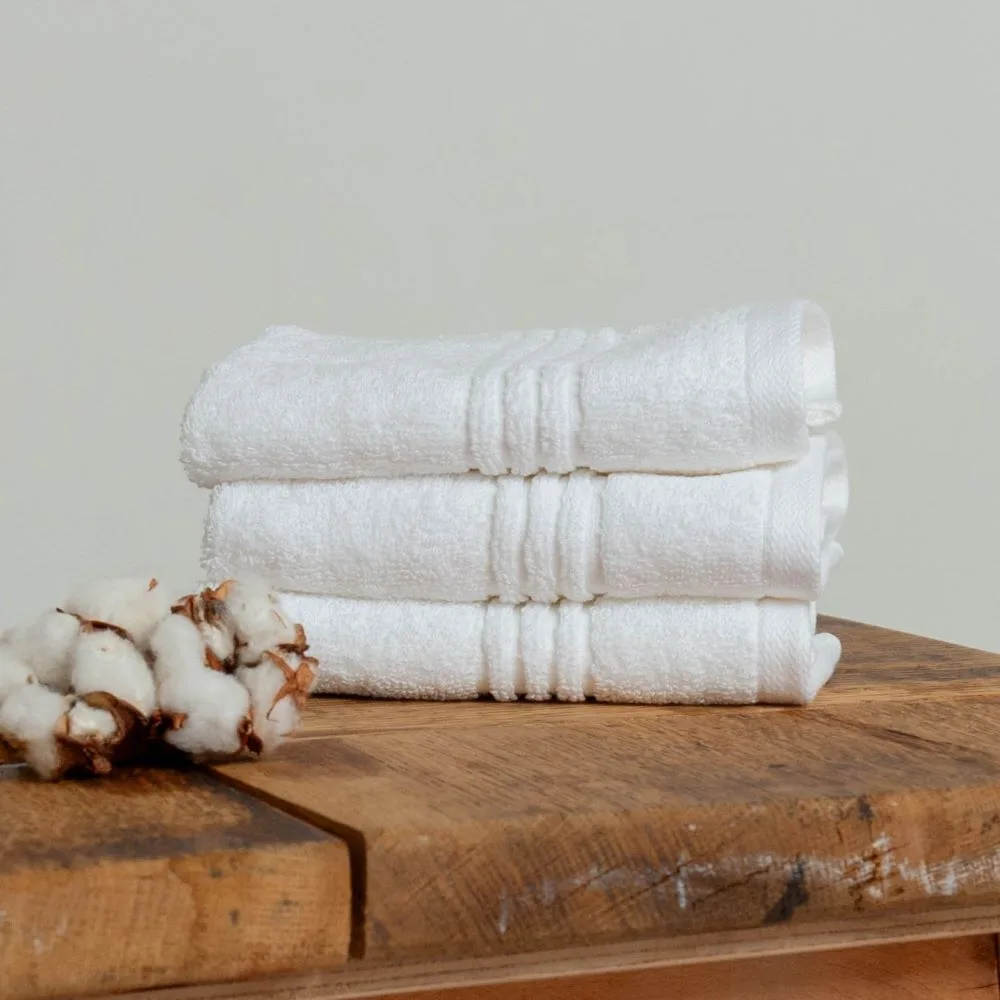
- Stop or choose another option: If you cannot hand-wash or dry-clean silk, or if you sweat heavily at night (silk can become slippery when wet), stick with high-quality long-staple cotton. Change cotton pillowcases every 2–3 days. Cotton is still effective for skin health when kept clean, and it is easier to maintain.
Silk sleepwear that complements your pillowcase
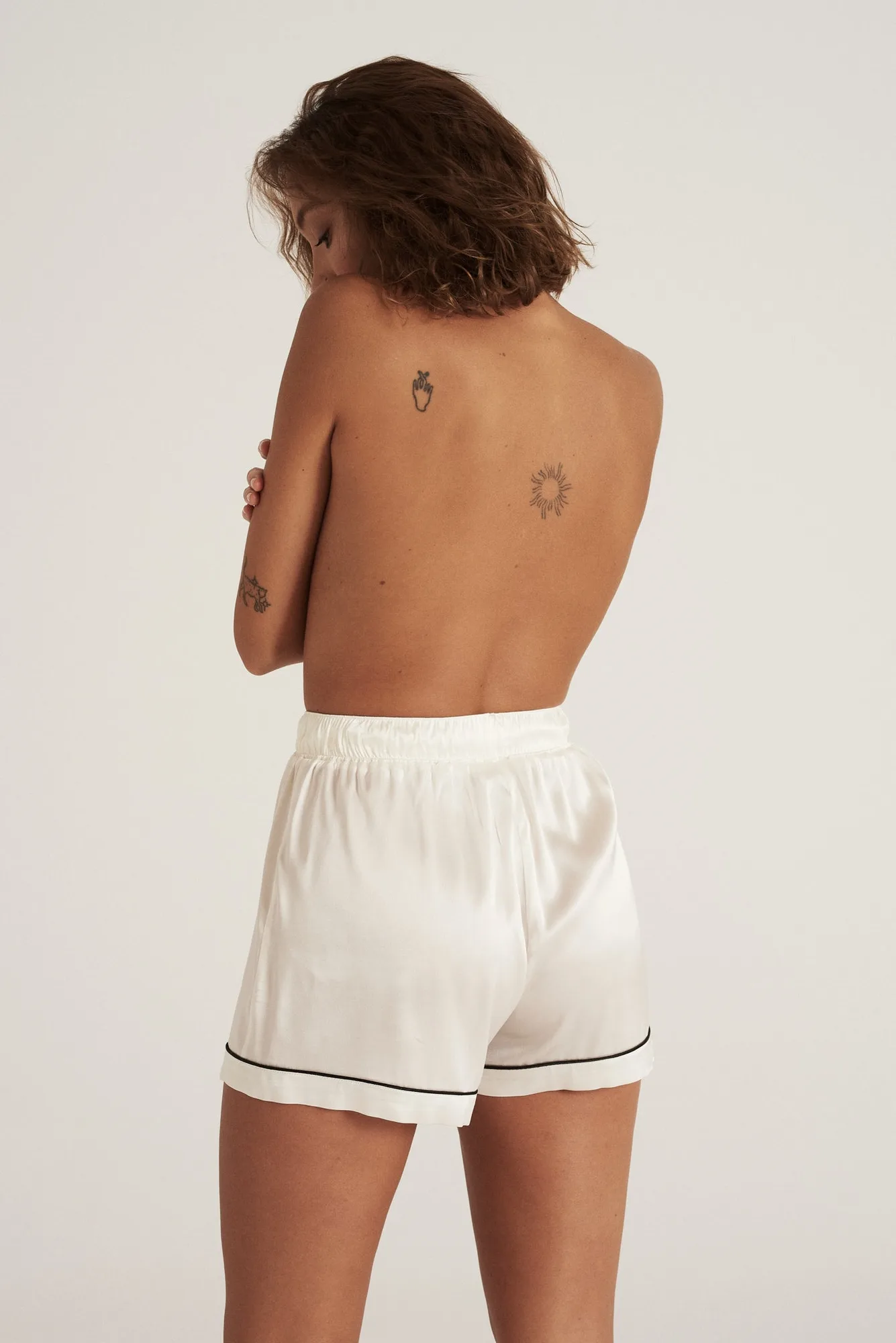
- Noemie Blanche Shorts: Noemie Blanche Shorts are made from 95% silk with a high waist and wide elastic band. They are designed to stay in place without pressing into the stomach and have a length that covers the buttocks. Pairing a silk pillowcase with silk sleepwear creates a full low-friction sleep surface, reducing skin and hair drag from head to toe. The shorts' non-binding waistband also prevents sleep lines from elastic pressure.
- Suzette Noir Shirt: Suzette Noir Shirt is an oversized black silk shirt with creamy trim. It has a loose fit and longer cut, and the silk fabric adjusts to the body for comfort. An oversized silk shirt avoids tight collars or cuffs that could leave marks on your skin. The loose fit also allows air circulation, which can help keep skin cool and reduce overnight moisture loss.