Quick Answer
Tightness right after washing almost always means your cleanser removed too much of your skin's natural oils, leaving your barrier temporarily compromised. Switch to a gentler, non-stripping cleanser, limit hot water, and follow immediately with a moisturizing routine. If tightness persists with a mild cleanser, your barrier needs repair, not more cleansing.
What Tightness After Cleansing Actually Tells You
That squeaky-clean feeling is not a sign your skin is clean. It is a sign your cleanser pulled lipids from the outer layer of your skin faster than your barrier can replace them. The result is a temporary drop in moisture retention, which your nerves read as tightness, sometimes with redness or a rough texture.
This matters because a compromised barrier loses water more easily and is more reactive to products you normally tolerate. If you keep using the same stripping cleanser, the tightness can turn into persistent dryness, flaking, or sensitivity. Catching it early is far easier than repairing a barrier that has been stripped for weeks.
Common Causes of Cleanser Stripping
Most tightness after washing comes down to four factors: the cleanser's surfactant strength, water temperature, how long you massage it in, and how many times a day you cleanse. Harsh surfactants, hot water, and a full minute of lathering all pull more oil than your skin can comfortably replace. Cleansing twice a day with a strong formula compounds the effect.
A less obvious cause is over-rinsing. If you keep splashing because your skin still feels slippery, you are likely removing the last bit of protective residue that a gentler cleanser leaves behind. Another factor is skipping moisturizer because your skin feels 'too oily' right after washing. That window is exactly when your barrier needs support.
How to Fix Tight Dry Skin Without Overcorrecting
Start by changing one variable at a time. Lower your water temperature to lukewarm, cut your cleanse time to 20 to 30 seconds, and reduce to one cleanse at night if your mornings are tight. If that does not help within a week, replace your cleanser with a cream or oil-based option that does not foam aggressively.
For dry skin, oil cleansing is often the simplest fix because it dissolves sunscreen and makeup without stripping. Follow with a gentle second cleanse only if you wore heavy makeup, then apply moisturizer within 60 seconds while skin is still damp. That timing matters more than the number of products you use.
If your skin is tight but also oily, you do not need to skip moisture. You need lighter, biocompatible moisture that balances oil without suffocating pores. The goal is a barrier that can hold water on its own, not a routine that keeps reacting to every cleanse.
- Lower water temperature to lukewarm before changing products.
- Cut cleanse time to 20–30 seconds and stop lathering aggressively.
- Apply moisturizer within 60 seconds of patting dry.
- Reduce to one cleanse per day if mornings feel tight.
When to Stop Adjusting and Change Your Routine
If you have tried a milder cleanser, cooler water, and immediate moisturizing for two weeks and your skin still feels tight, the problem is likely your overall routine rather than one product. At that point, a structured routine built for your skin type removes the guesswork of mixing single products that may not complement each other.
Stop adding new actives during this repair period. Exfoliants, retinol, and strong vitamin C can all feel irritating on a compromised barrier, and adding them will make it harder to tell whether your cleanser change is working. Give your barrier two to four weeks of consistent, gentle care before reintroducing anything active.
Diagnose Your Tightness Before You Change Products
- Tightness only, no redness or flaking: Your cleanser is likely too strong or your water too hot. Lower the temperature, shorten your cleanse, and moisturize immediately while skin is damp. If this resolves within a week, keep the gentler habits and do not add new products.
- Tightness plus flaking or rough patches: Your barrier has lost moisture for longer than a single wash. Switch to a cream or oil cleanser and use a structured routine with biocompatible moisture and gentle plant actives rather than layering random hydrating products. Give it two to four weeks before judging results, and pause exfoliants and retinol during this window.
- Tightness with stinging, burning, or persistent redness: This goes beyond simple stripping. Stop all actives, cleanse only with lukewarm water or a very mild cleanser, and moisturize with the simplest barrier-supporting product you have. If stinging and redness continue for more than a few days, see a dermatologist rather than continuing to adjust your routine.
Products That Support a Non-Stripping Routine
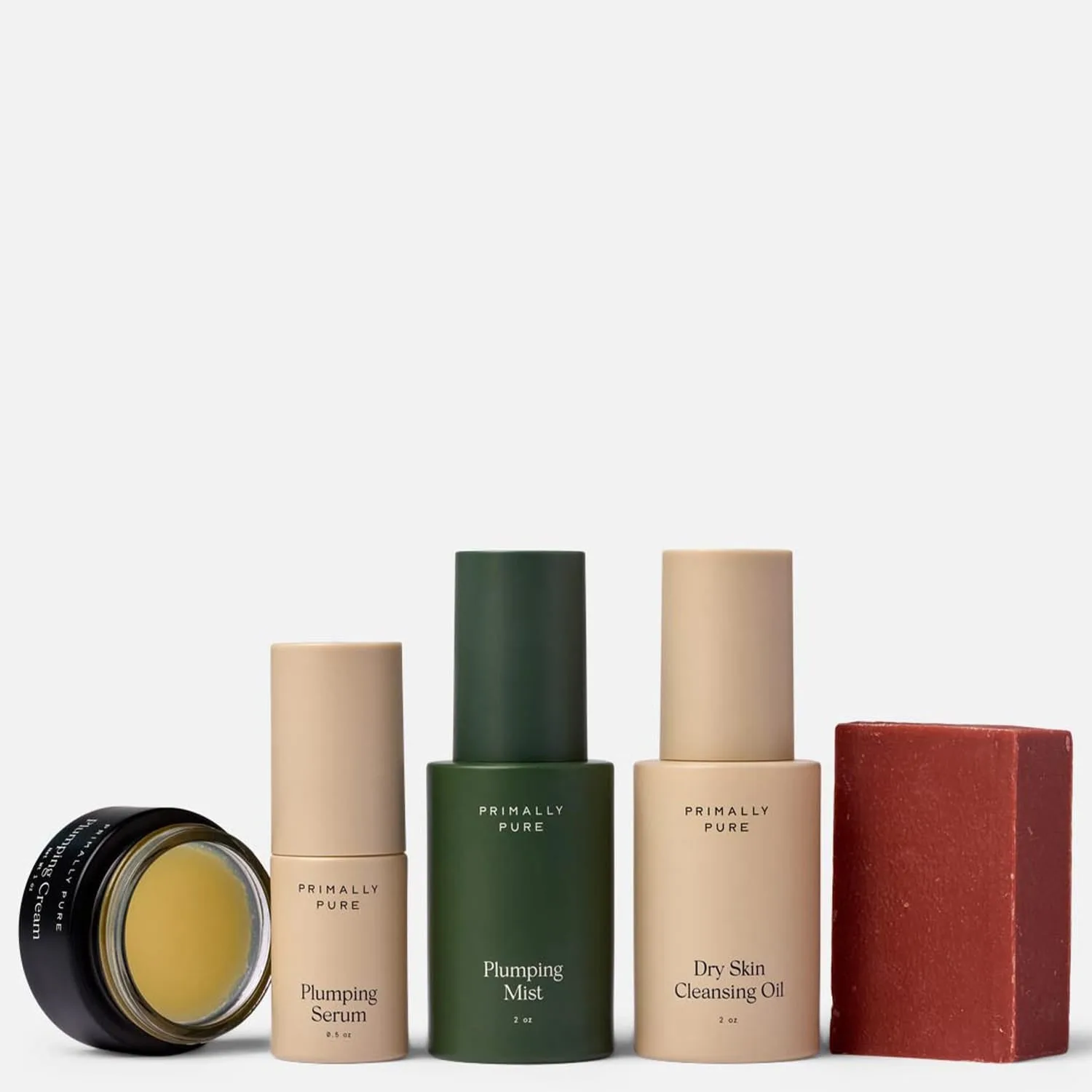
- The Routine: Dry Skin: The Routine: Dry Skin is a weekly rebalancing routine designed to clear buildup and restore your complexion to its natural baseline, with biocompatible moisture and gentle plant actives that restore hydration and support a resilient barrier. If tightness has progressed to persistent dryness, this gives you a structured reset instead of guessing which single product to add next.
- The Foundation: Oil-Rich Skin: The Foundation: Oil-Rich Skin is a daily routine that balances and strengthens the skin barrier using biocompatible moisture and purifying cold-pressed oils to protect the microbiome, balance excess sebum, and brighten tone. Useful if your skin feels tight after cleansing but still gets oily by midday, since it addresses barrier support without heavy occlusives.
- Bian Gua Sha Stone: The Bian Gua Sha Stone is a facial tool with multiple sides and angles designed to fit the natural contours of your face, used in light pulling and lifting massage motions rooted in Traditional Chinese Medicine. Gentle facial massage can support circulation and product absorption once your barrier is no longer reactive, but skip it while skin is actively stinging or irritated.