Quick Fix
First, gently clean the tape surface with a lint‑free cloth. Warm the tape lightly with a hair dryer, then press it firmly onto the substrate. If it still won’t stick, it’s time to replace the roll.
Washi tape adds personality to journals, gifts, and scrapbooks, but after months of storage or repeated use it can feel less tacky. This loss of adhesion is frustrating, especially when you’ve already invested in a beautiful design.
Below we break down the common reasons for washi tape losing its stickiness, practical ways to revive it, and the point at which swapping for a fresh roll is the smarter choice.
Symptom: Tape Won’t Stick
You notice that the tape lifts easily, bubbles under paper, or fails to adhere on the first press. The problem may appear after a few weeks of use, or it could surface suddenly after the tape has been stored in a humid environment.
These signs indicate that the adhesive layer has weakened or become contaminated, which is the core issue behind washi tape losing stickiness.
Likely Cause: Dust, Residue, and Aging
Washi tape relies on a mild adhesive that sticks well to paper, cardboard, and light plastics. Over time, dust, oils from hands, and environmental humidity can coat the adhesive, reducing its grip. In addition, the adhesive itself can dry out if the tape is exposed to air for long periods.
If the tape has been stored without a protective backing or has been repeatedly peeled and re‑stuck, microscopic fibers may lift from the backing, further compromising adhesion.
- Exposure to heat or direct sunlight accelerates adhesive drying.
- Storing rolls in a sealed bag helps keep the adhesive fresh.
Corrective Action: Clean, Warm, and Press
Start by lightly wiping the tape surface with a dry, lint‑free cloth to remove dust or oil. For stubborn residue, a barely dampened cloth (no more than 10% water) can be used, then let the tape dry completely.
Next, apply gentle heat with a hair dryer on low for 5‑10 seconds. The warmth re‑activates the adhesive without damaging the paper. Finally, press the tape onto the target surface with even pressure, using a ruler or bone folder for a smooth finish.
- Test a small strip on a scrap piece before treating the entire roll.
When to Replace: Irreversible Wear
If cleaning and warming do not improve adhesion, the tape has likely reached the end of its usable life. The adhesive may have broken down beyond repair, especially after multiple peel‑backs.
At this point, continuing to force the tape can damage the underlying paper or create an uneven look. Switching to a fresh roll ensures a clean, reliable finish.
- Keep a spare roll of a similar design for quick swaps.
Diagnosis Summary
- Symptom: Washi tape no longer adheres on first press; it lifts or bubbles. Identify the issue before attempting any fix.
- Cause: Surface dust, oil, humidity, or aging of the adhesive. Understanding the cause guides the correct remedy.
- Action: Clean with a lint‑free cloth, warm gently, press firmly; replace if adhesion remains weak. Stop after the replacement step if the tape still won’t stick.
Products That Keep Your Projects Fresh
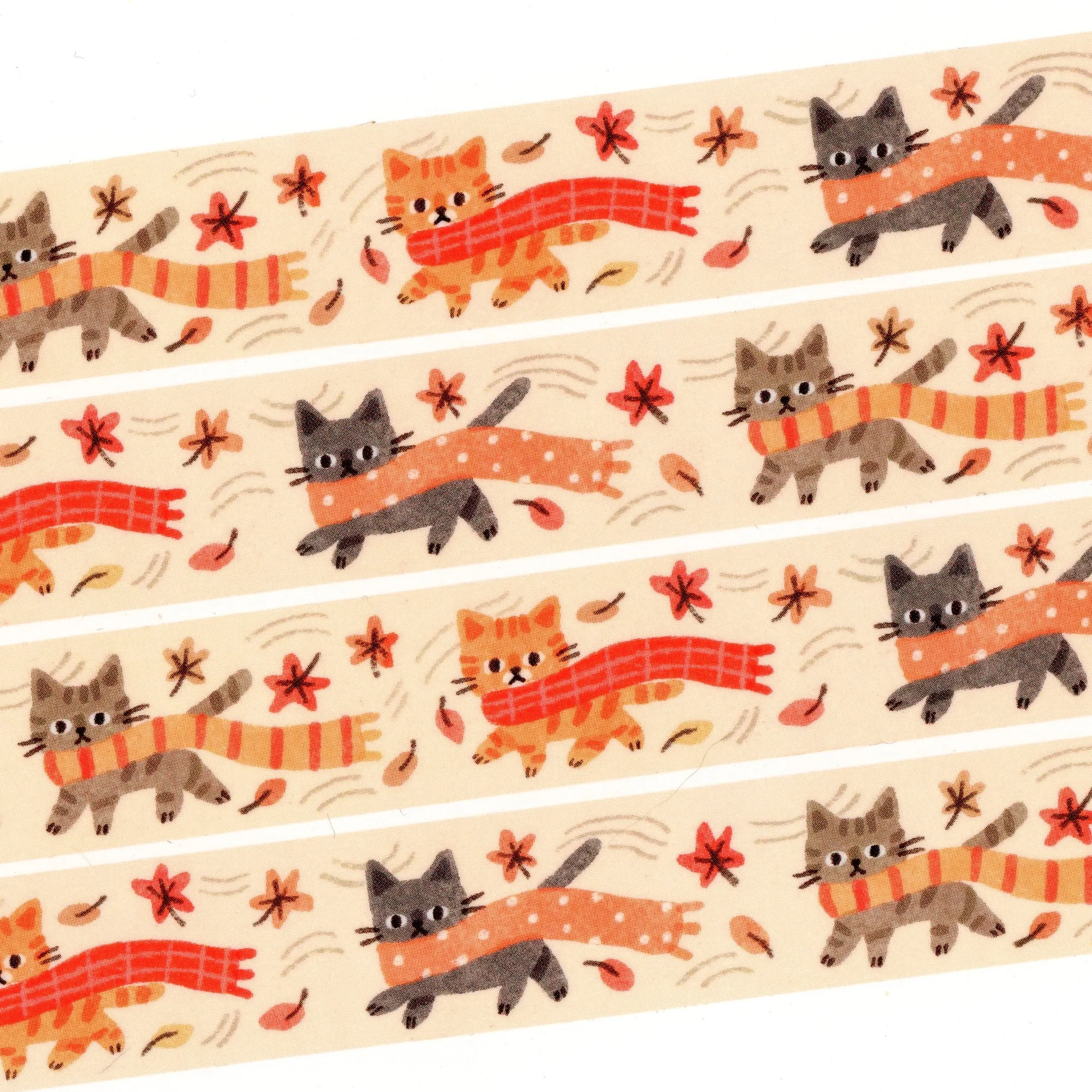
- Autumn Cat Washi Tape: 20 mm wide, 10 m long roll with strong yet repositionable adhesion that sticks securely to paper, cardboard, and other surfaces. The reliable adhesive makes it a good candidate for testing the clean‑and‑warm method before you invest in new tape.
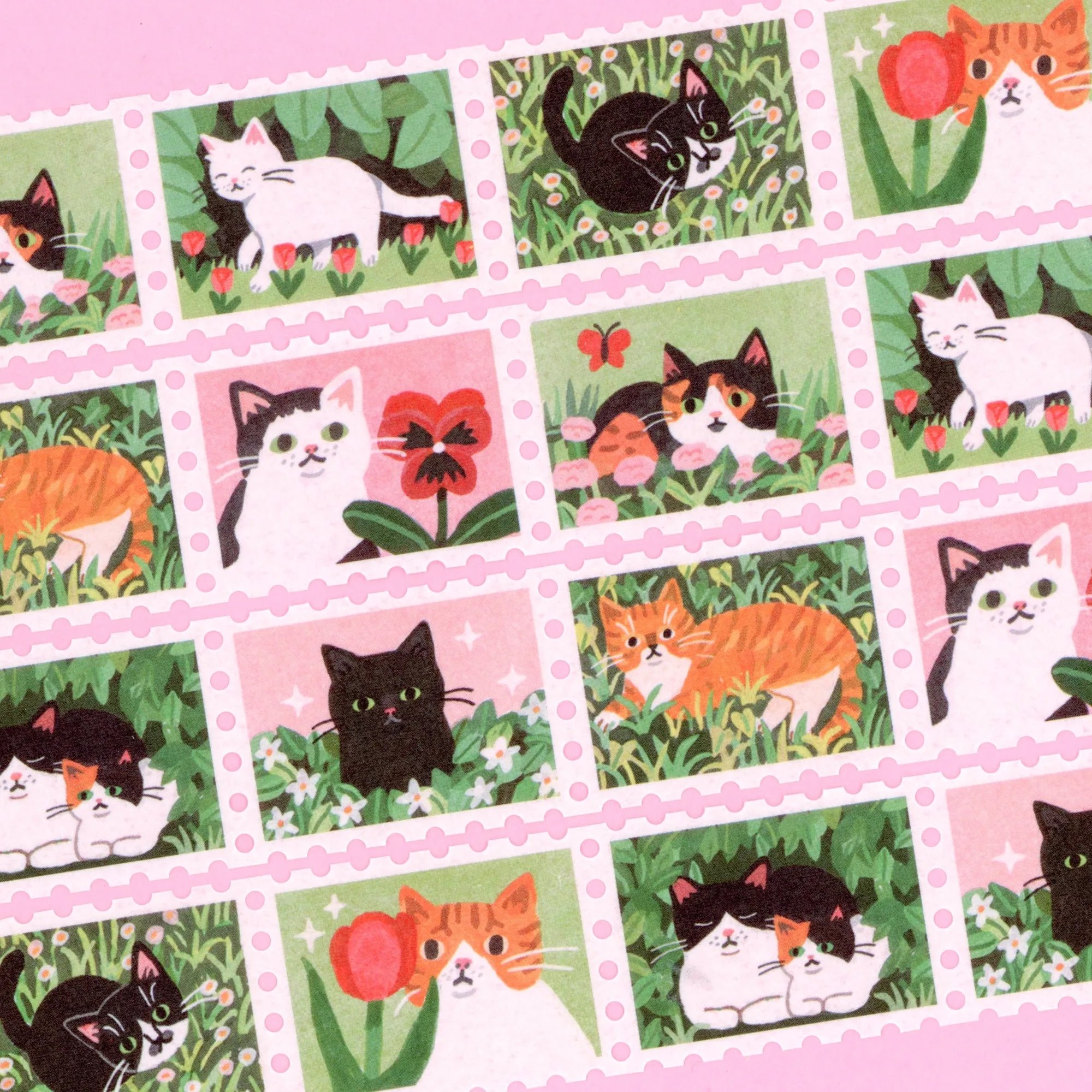
- Spring Cat Stamp Washi Tape: 25 mm × 5 m tape with good adhesion; individual stamps are slightly perforated and it comes with a thin plastic wrapping and a label sticker. The perforated design allows you to cut off a fresh section if part of the roll loses stickiness, extending overall usability.
By cleaning, gently warming, and pressing your washi tape, you can often restore its grip and keep your crafts looking polished. When the adhesive truly fails, swapping to a fresh roll—like the Autumn Cat or Spring Cat designs—ensures your projects stay vibrant and professional.