Quick answer
Your water bottle freezes because it is losing heat faster than your body or pack can replace it—usually from thin insulation, exposed placement, or too much airspace inside. Switch to a properly insulated bottle, fill it to the brim with warm (not boiling) water, and carry it against your body or deep in your pack. If ice still forms within a few hours, treat that bottle as a backup and add a second smaller bottle kept inside your jacket.
Diagnose the freeze before you buy another bottle
Most frozen bottles fail for one of three reasons: the bottle itself lacks insulation, the water has too much room to slosh and form ice crystals, or the bottle is riding in an exposed pocket where wind and cold pull heat out fast. Check the bottle wall thickness and lid seal first—single-wall metal or thin plastic will chill quickly no matter how you carry it. Next, look at fill level: a half-full bottle freezes much faster than a full one because air space lets water move and cool. Finally, trace where the bottle sat during the day—an outside pack pocket or rifle sling is a heat sink.
Fix the three common freeze points
If the bottle is uninsulated, replace it with a double-wall insulated model and preheat it with warm tap water for five minutes before filling. If the bottle is insulated but still freezing, fill it completely and carry it upright inside your pack near your back, not in an exterior pocket. If only the lid or spout freezes, store the bottle upside down so the cap stays warmer, and open and close the lid a few times during the day to break any ice seal. For extreme cold, carry a small wide-mouth bottle inside your jacket and refill it from the larger bottle as needed.
Know when to stop troubleshooting and switch methods
If you have tried an insulated bottle, full fill, and body-side carry, and water still freezes solid within two hours, the conditions are beyond what a single bottle can handle. At that point, switch to a thermos with a narrow opening and a sealed cap, or carry water in a soft flask inside your bibs. Do not keep adding hot water to a bottle that has already frozen—the ice will dilute the warmth and you will waste fuel. Instead, carry a backup bottle and accept that your primary bottle is a cold-weather tool with limits.
Freeze diagnosis: symptom, cause, and action
- Bottle freezes from the top down: The lid and exposed neck lose heat fastest, especially if the bottle sits upright in a pack pocket. Store the bottle upside down and open the lid periodically to break ice. If the lid still freezes, switch to a bottle with a wider, insulated cap.
- Water turns slushy but not solid: Air space inside the bottle lets water move and form ice crystals. Fill the bottle to the brim with warm water and carry it upright. A full bottle stays liquid longer; top it off before you leave the truck.
- Bottle freezes even when insulated: The bottle is likely riding in an exterior pocket or hanging on your pack where wind pulls heat away. Move it inside your pack against your back or inside your jacket. If it still freezes after moving it inside, the insulation or lid seal may be failing—test with hot water at home.
Gear that supports winter hydration
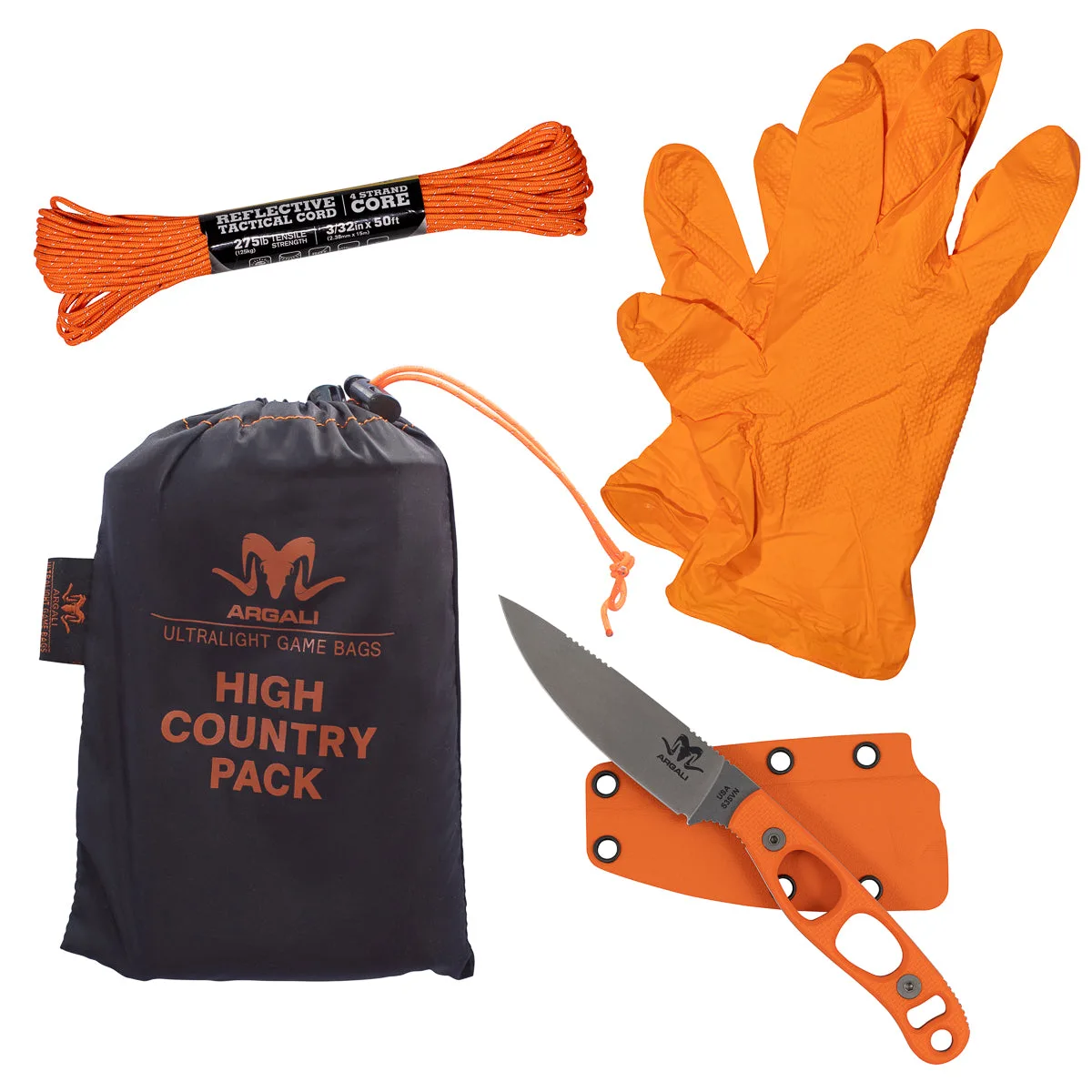
- Backcountry Field Kits: The Argali Backcountry Field Kit includes game bags, a knife, and a stuff sack that can hold gloves, knife, and paracord. A dedicated stuff sack keeps small essentials organized so you are not digging through your pack with wet hands, which helps you manage hydration and layers faster in freezing conditions.
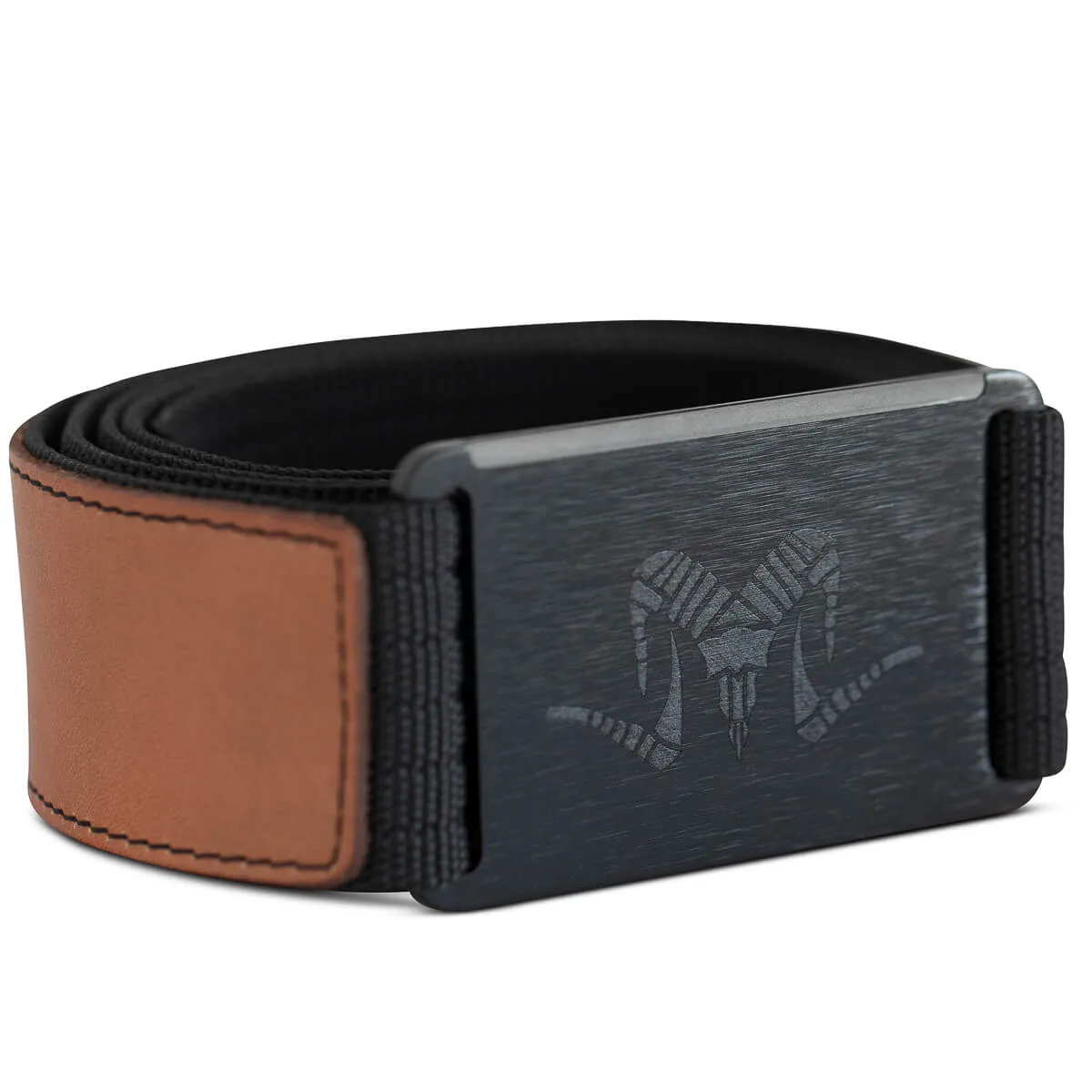
- Kodiak Belt: The Kodiak Belt is a low-profile field belt with built-in knife sharpening materials, designed to be comfortable under a backpack hip belt. A belt that does not interfere with your pack hip belt means you can carry your bottle against your body without adjusting straps constantly, keeping water warmer and more accessible.