When you think about brewing the perfect cup of coffee, your mind likely jumps to the beans, the grind, or the brewing method. But there’s one ingredient that makes up over 98% of your coffee: water. Water quality is often the hidden variable that separates a mediocre cup from an extraordinary one. If you’ve ever wondered why your coffee tastes flat, bitter, or just “off,” the answer might be in your tap water.
In this guide, we’ll explore the science behind coffee water quality, how different minerals affect extraction, and simple ways to improve your brewing water at home. Whether you’re a filter coffee enthusiast or an espresso aficionado, understanding water is the key to unlocking your coffee’s full potential.
The Chemistry of Coffee Extraction
Coffee brewing is essentially a chemical process where water acts as the solvent, pulling flavor compounds, oils, and acids from the coffee grounds. The rate and balance of extraction depend heavily on the mineral content of your water. Calcium and magnesium, for example, help extract desirable flavors, while high levels of sodium or chlorine can mute or distort taste. The Specialty Coffee Association (SCA) recommends water with a total dissolved solids (TDS) range of 150–250 ppm for optimal extraction.
If your water is too soft (low TDS), extraction will be weak and sour. If it’s too hard (high TDS), you’ll over-extract, resulting in bitter, harsh notes. That’s why many specialty coffee shops invest in custom water filtration systems. At home, you can achieve similar results by using filtered or bottled water with a balanced mineral profile. Even small improvements in water quality can dramatically change the flavor of your brew.
- Tip: If you’re unsure about your water’s TDS, you can buy an inexpensive TDS meter to test it.
Common Water Issues and How They Affect Your Coffee
Tap water varies widely by region, and common contaminants like chlorine, chloramine, and heavy metals can ruin a cup of coffee. Chlorine, often used for disinfection, can impart a swimming pool-like taste. Hard water with excess calcium can cause scaling in your espresso machine or kettle, leading to inconsistent temperatures over time. Meanwhile, water with high sodium content (common in softened water) can make coffee taste salty or flat.
To avoid these pitfalls, start with cold, filtered water. Avoid distilled or reverse osmosis water, as they lack the minerals needed for proper extraction. For espresso drinkers, consistent water quality is even more critical because of the high pressure and short contact time. Using a high-quality reusable cup like the https://beansyai.shop/products/topl-smart-reusable-cup-8oz-133547TOPL Smart Reusable Cup (8oz) can also help maintain temperature and reduce waste as you perfect your water game.
- Tip: Let tap water sit in an open pitcher for a few hours to reduce chlorine before brewing.
Choosing the Right Water for Your Brew Method
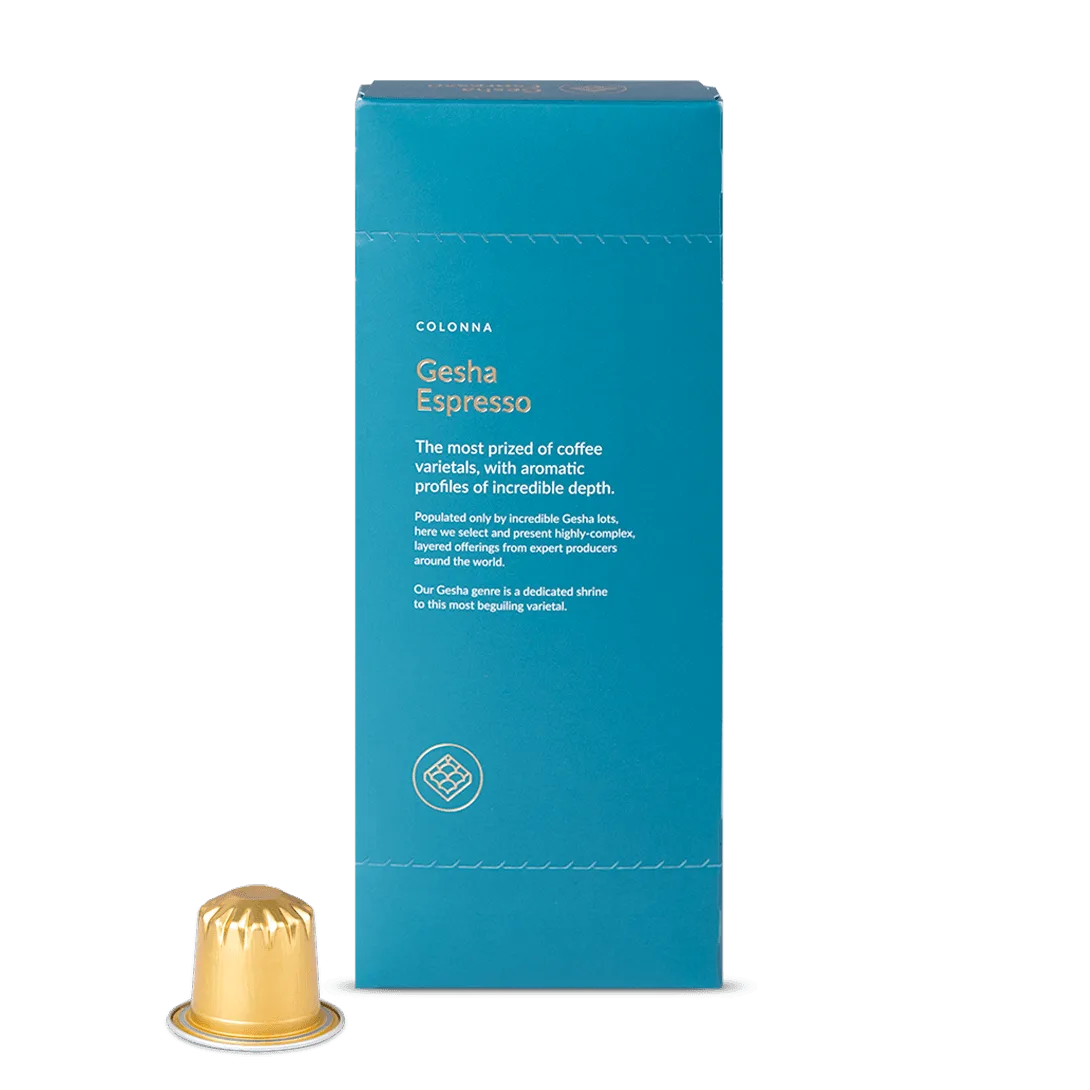
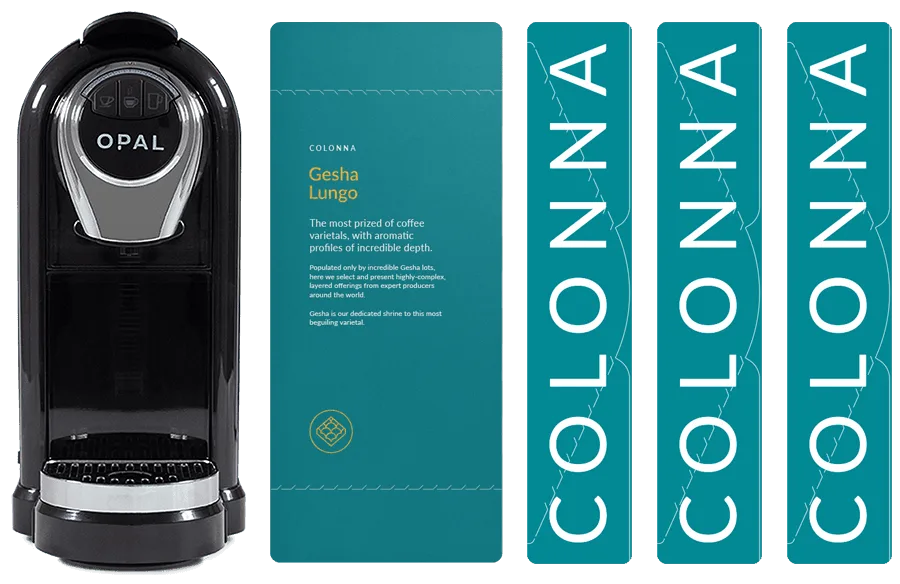
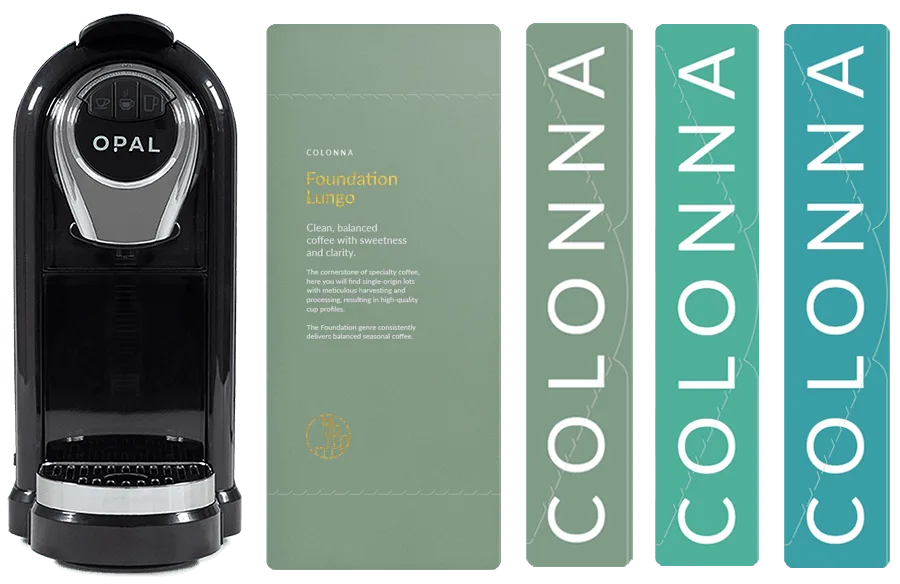
Different brewing methods have different water needs. For pour-over or drip coffee, water with moderate hardness (around 100–150 ppm) often produces bright, clean flavors. For espresso, a slightly higher mineral content (150–200 ppm) can improve crema and body. If you’re brewing with capsules, such as the Decaf Lungo Capsules, the water quality directly impacts the delicate flavor profile of the coffee. Even the best capsules can’t compensate for poor water.
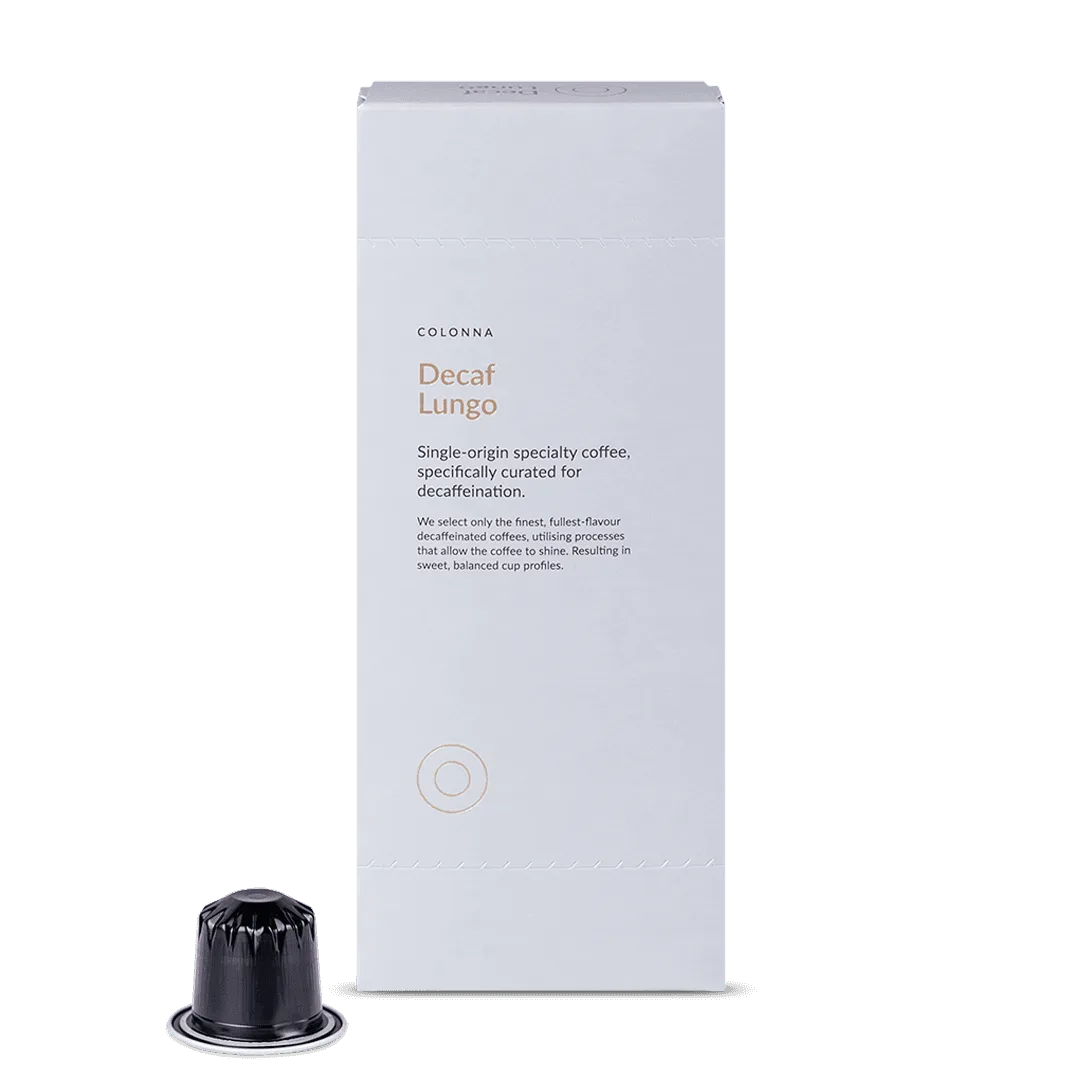
Decaf Lungo Capsules
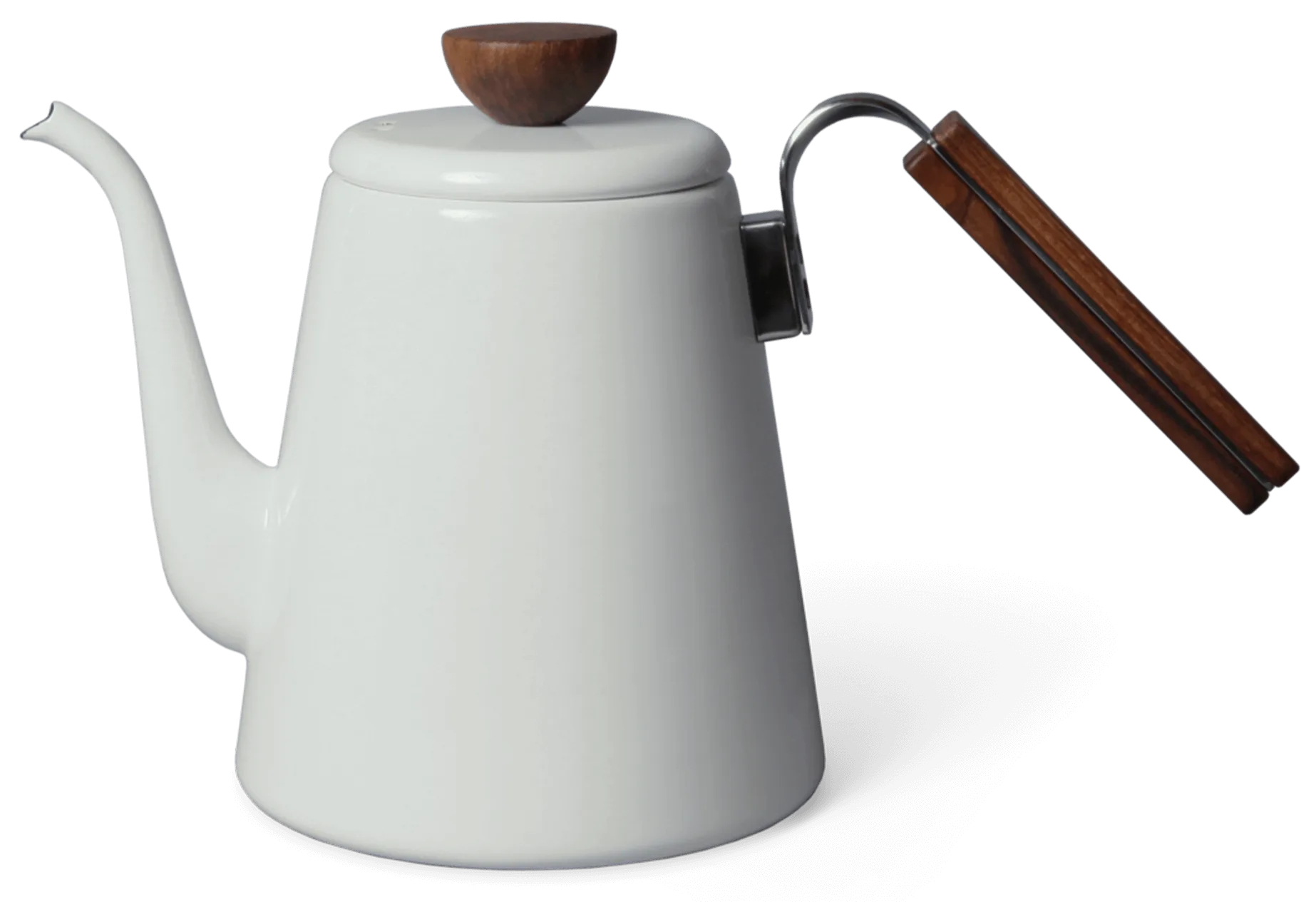
For those who prefer filter coffee, using a dedicated coffee water recipe or a simple charcoal filter can make a noticeable difference. Many home baristas also use temperature-controlled kettles to ensure water is between 195–205°F (90–96°C). Remember: water that tastes good on its own will generally brew better coffee. If you’re not happy with your tap water, try using a simple pitcher filter or buying spring water from the store.
- Tip: Experiment with bottled waters from different brands to find one that complements your favorite beans.
Practical Steps to Improve Your Coffee Water at Home
Improving your brewing water doesn’t have to be complicated or expensive. Start by using cold water from the tap (hot water can contain more dissolved minerals from pipes). If your tap water has a strong taste or odor, invest in a basic activated carbon filter. For advanced enthusiasts, consider mixing distilled water with a mineral concentrate to create your own ideal water profile. This gives you complete control over extraction.
Another simple upgrade is to use a vacuum-insulated flask to keep your brewing water at a consistent temperature. The https://beansyai.shop/products/tkpro-vacuum-insulated-flask-750ml-133545TKPro - Vacuum Insulated Flask (750ml) is perfect for this, allowing you to preheat your water and maintain stability throughout the brew. Pair it with a quality grinder and fresh beans, and you’ll notice a significant improvement in clarity and sweetness. Remember, water quality is the foundation—everything else builds on it.
- Tip: Clean your kettle or coffee machine regularly to prevent mineral buildup that can alter water chemistry.
Water quality is the unsung hero of great coffee. By paying attention to what’s in your cup before you even add the grounds, you can elevate your brewing from good to exceptional. Start with filtered water, experiment with mineral content, and watch your coffee transform. Ready to take your setup to the next level? Explore the TKPro - Vacuum Insulated Flask (750ml) to keep your water at the perfect temperature for every brew.