Quick answer
A yoga mat slides for one of three reasons: the floor under it is too smooth or dusty, the mat's backing has lost grip from oils or residue, or the mat is too thin or too soft for the movements you're doing. Fix the floor first, then clean the mat, then change mats only if the surface and cleaning steps don't hold. Most sliding problems are solved without buying anything new.
Match the mat backing to the floor you actually practice on
Smooth wood, laminate, and tile give a mat very little to bite into, so it slides most easily during lunges, downward dog, or any pose where you push forward or back. Carpet and rubber gym flooring create friction, but a soft, plush carpet can let a thin mat ripple and bunch instead of staying flat. Before you blame the mat, test it: place it on your usual practice spot, press one palm down, and push forward. If the whole mat travels with your hand, the floor is the main variable.
The practical fix is to add a stable layer under the mat or change the mat's contact surface. A thin, dense mat with a textured underside grips hard floors better than a thick, spongy mat, because the foam compresses instead of holding. If you practice on carpet, a firmer mat or a mat with a flatter backing keeps the edges from curling. If you already own a mat you like but the floor is the problem, a non-slip rug pad or a dedicated exercise flooring layer under the mat often does more than any spray or towel.
Clean the mat for grip, not just for smell
Body oils, lotion, and sweat build up on the practice surface and on the underside where your hands and feet transfer residue. That film is one of the most common causes of a mat that used to grip and now doesn't. Wipe the mat down after every session with a damp cloth and a mild soap or mat cleaner, then let it air dry completely before rolling it up. A mat rolled up damp will grow a slick layer and can smell, which makes you avoid cleaning it, which makes the sliding worse.
For a deeper clean, fill a tub or large basin with cool water and a few drops of mild dish soap, submerge the mat, and wipe both sides with a soft cloth. Rinse thoroughly, press out excess water with a towel, and hang it to dry away from direct sun. Skip the washing machine, dryer, and harsh cleaners, which break down the top layer and leave a residue that feels slippery. Once the mat is clean and dry, test the push-forward move again. If grip returns, your maintenance routine is the fix, not a new mat.
Use grip aids only after the floor and mat are clean
Grip sprays, chalk, and towels can help, but they treat the symptom. If your hands slide on a clean mat, a small amount of grip spray or a towel over the top of the mat can get you through a hot class. If the whole mat slides on the floor, a spray won't stop it; you need a physical barrier or a different backing. A common mistake is layering spray on a dusty floor, which creates a sticky film that collects hair and dust and makes the next session worse.
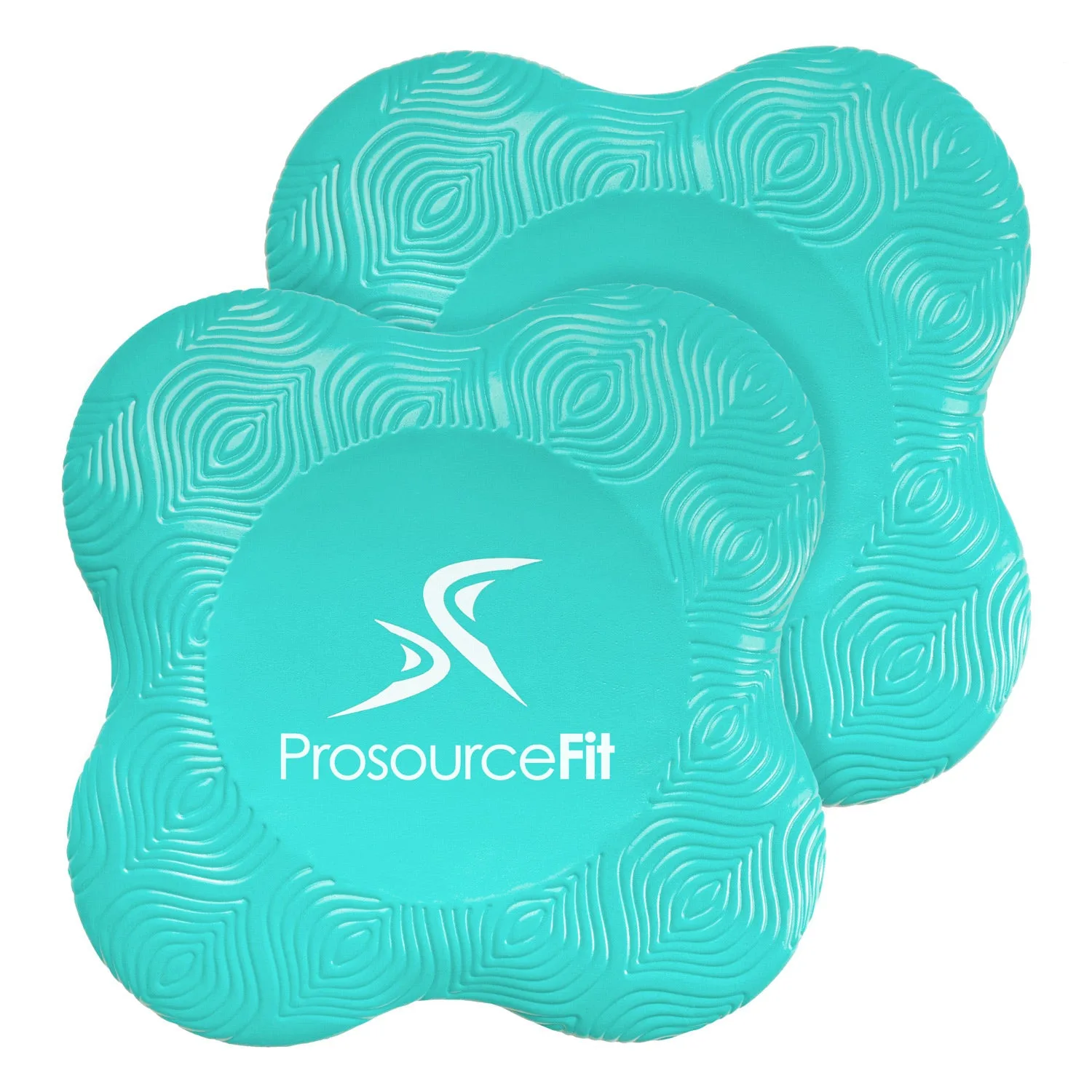
Add a yoga knee pad or cushion under your hands and knees if the sliding is really pressure pain on a hard floor, not a grip problem. The ProsourceFit Yoga Knee Support Pads are designed to cradle hands and joints and improve balance and stability, which helps when a thin mat is uncomfortable on wood or tile. They won't stop the mat itself from moving, so use them alongside the floor and cleaning fixes, not instead of them.
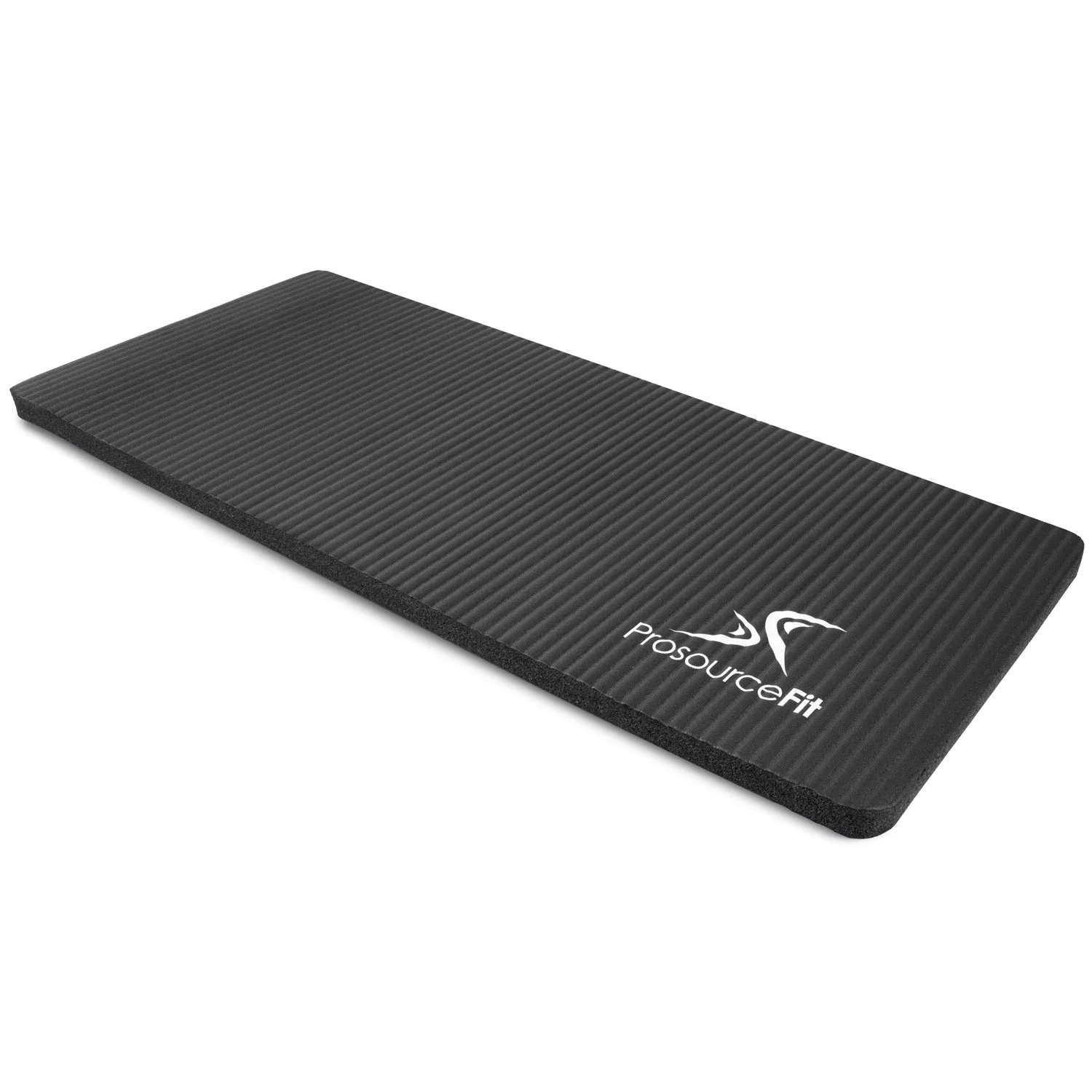
yoga knee pad
Diagnose your sliding mat in three checks
- Symptom: the whole mat moves when you push forward: The floor is too smooth or dusty, or the mat backing has flattened. Clean the floor, let it dry, and test again. If it still travels, add a non-slip layer under the mat or switch to a thinner, denser mat. Fix the floor and backing before buying anything new.
- Symptom: your hands and feet slip on the mat surface: Oils, lotion, and sweat have built up. Wipe both sides with mild soap and water, rinse, and air dry fully. Repeat after every session. If grip returns after cleaning, maintenance is your fix.
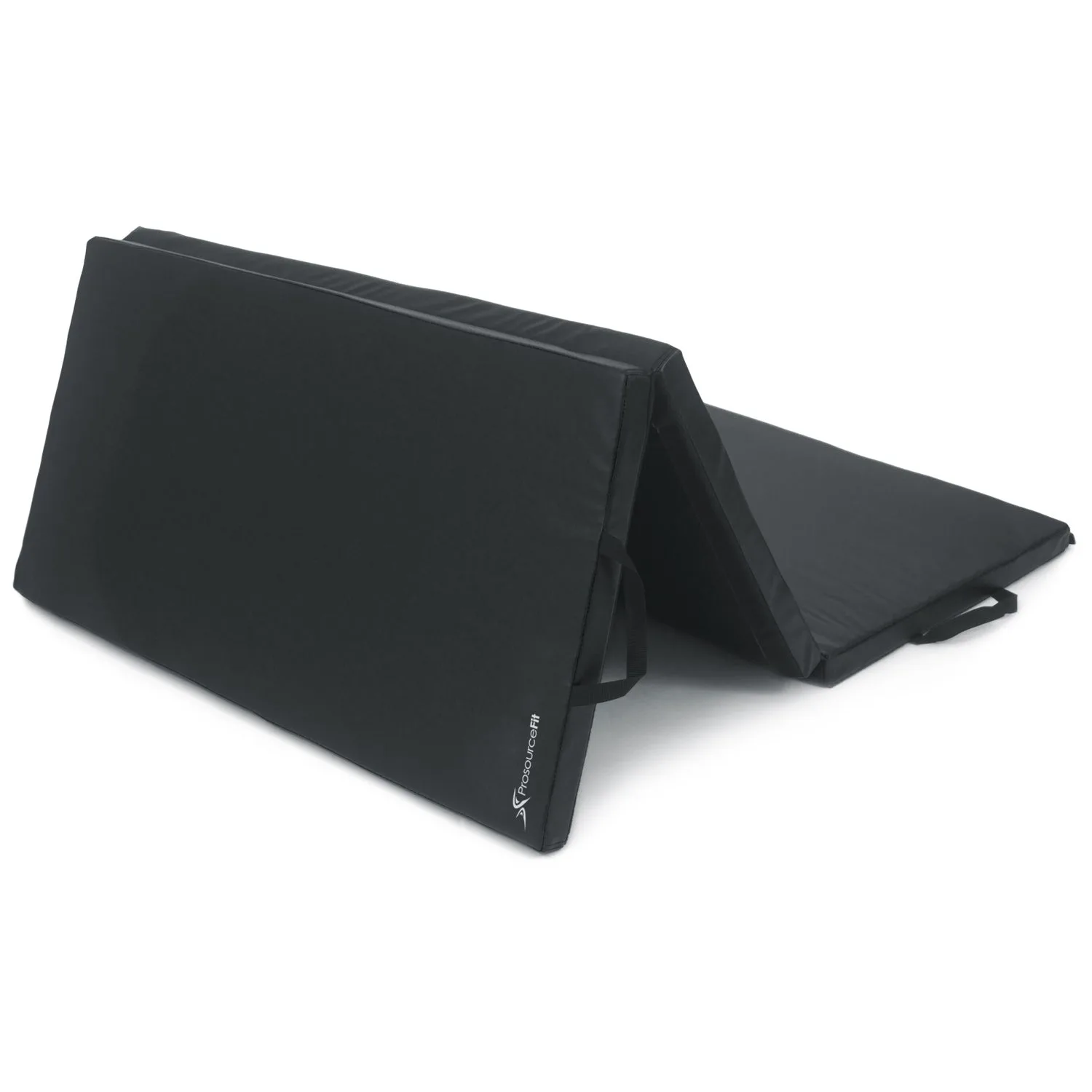
- Symptom: the mat slides only during fast or high-impact moves: The mat is too thin or too soft for that activity, or it is the wrong type for the floor. Consider a firmer mat or a connectable folding mat for a stable practice area. Stop adding sprays and change the mat or the floor layer instead.
Products that help with sliding and hard floors
- Yoga Knee Support Pads (Set of 2): Ergonomically designed supportive cushions that cradle hands and joints, improving balance and stability, and shield joints from harsh surfaces. Useful when a thin mat on a hard floor causes pressure and instability during kneeling or hand-supported poses, even after the mat itself is stable.
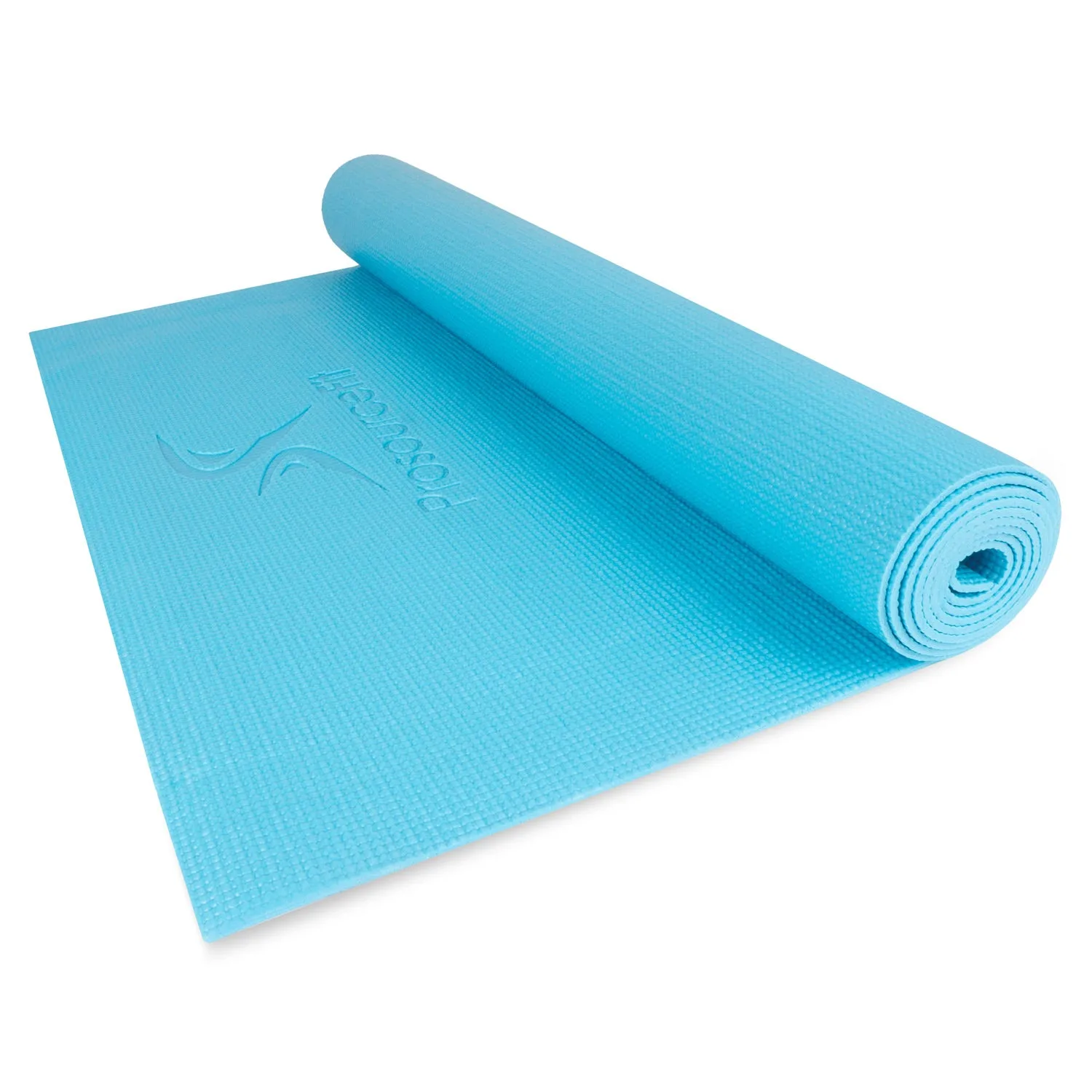
- Classic Yoga Mat 1/8-in: Extra-long 72-inch mat with 1/8-inch (3mm) thickness, combining length, stability, and non-slip grip for a versatile workout. A longer, thinner mat gives taller users room to move and a firmer surface that tends to hold better on smooth floors than thick, soft foam.
- Tri-Fold Folding Exercise Mat 6x4x2: Tri-fold folding mat with Velcro on all four sides to connect multiple mats for an extra-large design, suited to gymnastics, tumbling, yoga, and wrestling. A stable, connectable floor layer creates a consistent surface for home practice and can replace a sliding mat setup when you need a larger, fixed area.