For coffee lovers, the pursuit of the perfect cup is a journey of discovery. While your daily blend provides comfort and consistency, rare and limited release coffees open a door to extraordinary flavor landscapes. These exclusive beans—often sourced from tiny farms, high-altitude regions, or experimental processing methods—offer tasting notes you simply won’t find in mass-market roasts. From floral Geshas to fruit-forward naturals, each limited batch tells a story of terroir, craftsmanship, and passion.
But why should you invest in these elusive offerings? Beyond the thrill of rarity, rare coffees elevate your brewing experience, challenge your palate, and connect you directly to the people and places behind your morning ritual. In this guide, we’ll explore what makes limited release coffees so special, how to choose them, and why adding them to your collection—like the exceptional Rare Beans from Colonna Coffee—can transform your home brewing into a sensory adventure.
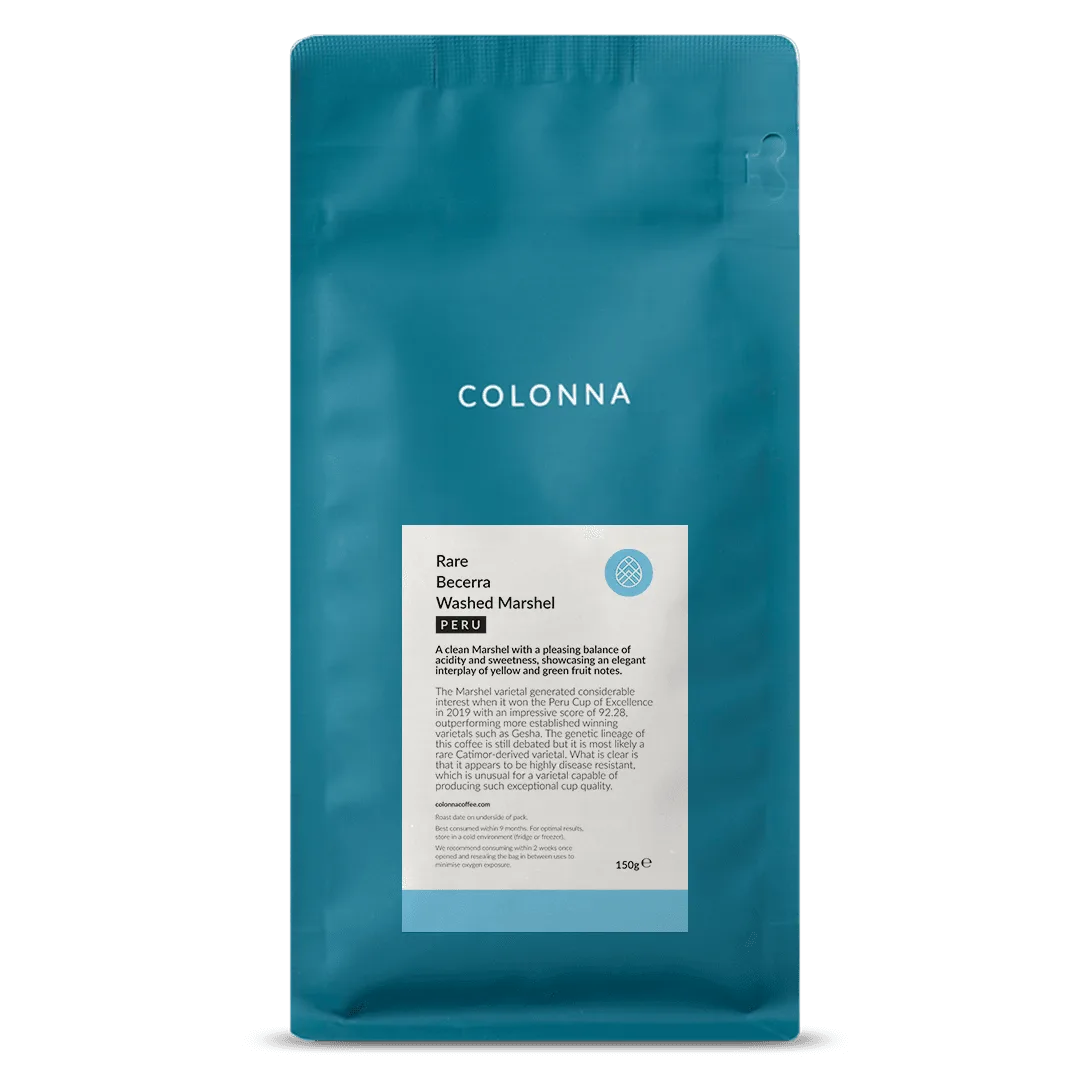
Rare Beans
What Makes a Coffee Rare or Limited Release?
Rare coffees are typically defined by their scarcity, unique origin, or exceptional quality. They may come from a single micro-lot farm, a specific harvest year, or a variety like Gesha that is notoriously difficult to grow. Limited release coffees are often small-batch roasts that sell out quickly because of their limited supply and high demand. These beans are usually hand-sorted, meticulously processed, and roasted with precision to highlight their distinctive characteristics.
For example, a coffee from a remote Ethiopian region or a washed-process lot from a high-altitude Colombian farm might be released only once a year. The rarity isn’t just marketing—it reflects the genuine challenges of producing such beans, from labor-intensive harvesting to fragile supply chains. When you buy a limited release, you’re supporting sustainable farming and getting a taste of something truly one-of-a-kind.
- Look for terms like 'micro-lot,' 'single-origin,' 'estate-grown,' or 'limited edition' on packaging.
- Check the roast date—freshness is critical for rare beans to preserve their delicate flavors.
- Ask your roaster about the story behind the lot; transparency is a hallmark of specialty coffee.
Flavor Profiles You Can’t Get Anywhere Else
One of the most compelling reasons to try rare coffees is the explosion of flavors they offer. While a standard blend might taste nutty or chocolatey, a limited release can surprise you with notes of jasmine, bergamot, tropical fruit, or even wine-like acidity. These complex profiles come from unique growing conditions—high altitude, volcanic soil, specific varietals—and careful processing methods like natural, honey, or anaerobic fermentation.
For instance, a Gesha variety from Panama is famous for its floral and tea-like qualities, while a Kenyan SL28 might burst with blackcurrant and citrus. Even within the same origin, different lots can taste wildly different. Exploring these nuances is like wine tasting for coffee enthusiasts. If you’re curious to experience such complexity, starting with a curated selection like Colonna’s Rare Beans can introduce you to the best of what the world has to offer.
How to Brew Rare Coffees for Maximum Enjoyment
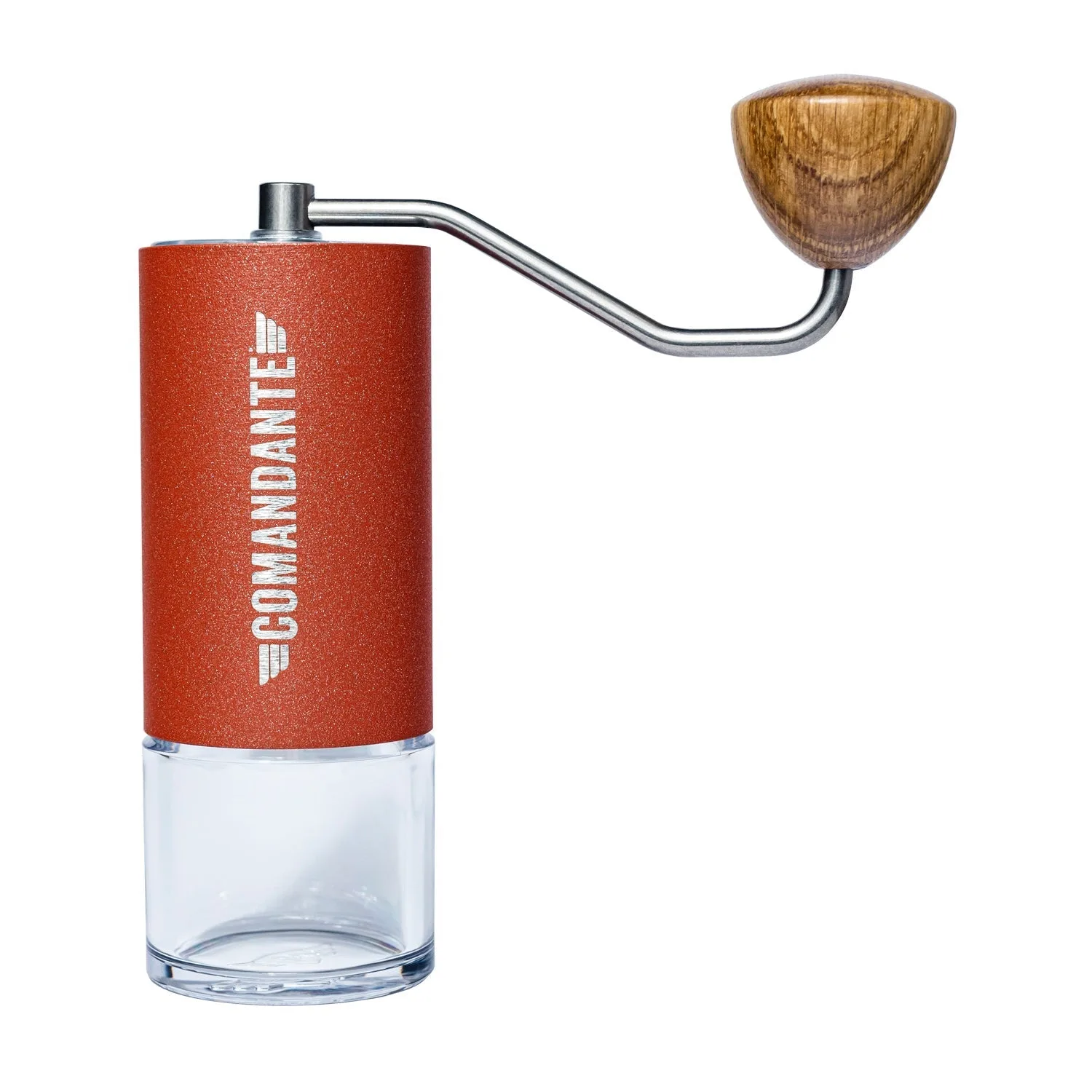
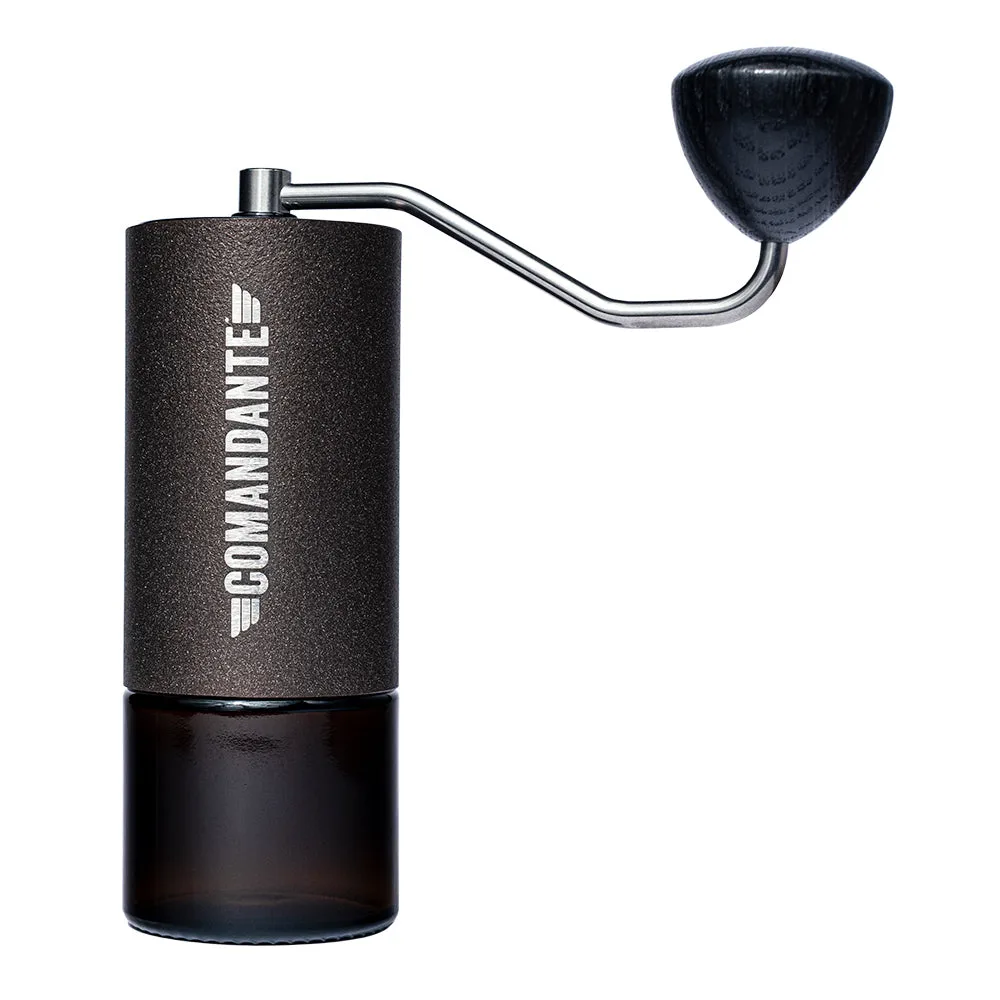
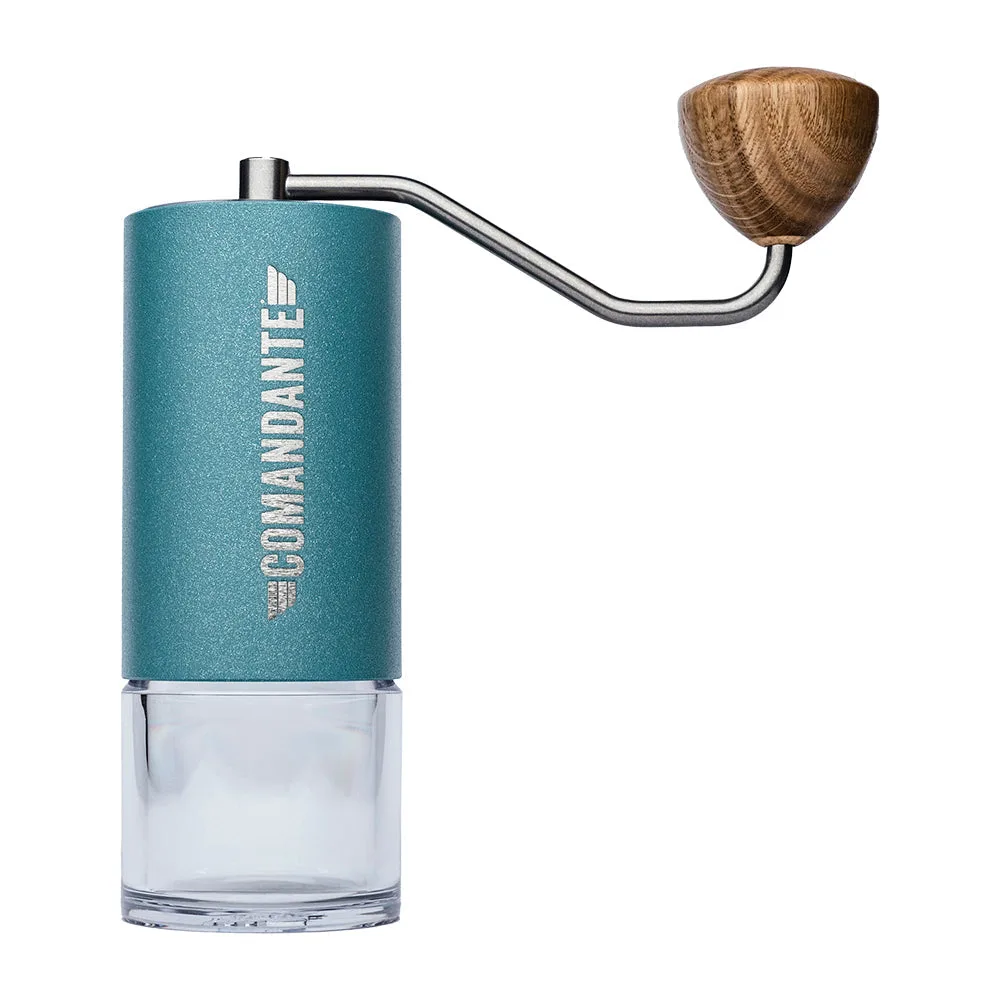
Brewing rare beans requires a bit more attention than your usual morning routine. Because these coffees are delicate, using the right equipment and technique is essential to unlock their full potential. A precise grinder, such as the https://beansyai.shop/products/comandante-c40-nitro-blade-coffee-grinder-mk4-133625https://beansyai.shop/products/comandante-c40-nitro-blade-coffee-grinder-mk4-133626https://beansyai.shop/products/comandante-c40-nitro-blade-coffee-grinder-mk4-133627Comandante C40 Nitro Blade Coffee Grinder MK4, ensures a consistent particle size, which is crucial for even extraction. Pair it with a pour-over dripper like the Hario V60 Glass Dripper to highlight clarity and brightness.
Start with a medium-fine grind, use water just off the boil (around 93°C), and follow a gentle pouring technique. Avoid over-extraction by keeping your brew time around 2:30 to 3 minutes. Taste the coffee black first to appreciate its natural sweetness and acidity. If you’re new to brewing rare beans, consider using a tool like the Delter Press, which offers immersion brewing with less agitation, preserving subtle flavors.
- Use filtered water to avoid off-flavors that can mask delicate notes.
- Experiment with a slightly higher coffee-to-water ratio (e.g., 1:15) to intensify flavor.
- Let the coffee cool for a minute before tasting—flavors evolve as it cools.
The Joy of Collecting and Sharing Limited Editions
Part of the appeal of rare coffees is the experience of hunting them down and sharing them with friends. Many roasters release limited batches with unique packaging or accompanying stories—like the beautiful A2 Poster - Lupe Maria 012B that celebrates a specific farm or harvest. These items turn a simple bag of beans into a conversation piece and a memory. Collecting limited releases can also be a way to learn about coffee geography, processing, and the people behind your cup.
Sharing a rare coffee with fellow enthusiasts is a rewarding experience. Host a cupping session at home, compare notes, and discuss the flavors. You might discover that a coffee you love comes from a region you’ve never explored. Over time, building a small library of rare beans—and perhaps the A2 Poster - El Zacatin 003C or A2 Poster - Sudan Rume Natural 024 to commemorate them—adds depth to your coffee journey.
Whether you’re a seasoned home barista or a curious beginner, rare and limited release coffees offer an unmatched opportunity to explore the outer edges of flavor. They connect you to the artistry of farmers and roasters while rewarding your palate with unforgettable taste experiences. Start your adventure today by exploring our curated selection of Rare Beans, and discover why these exclusive lots are worth every sip.