Quick answer
Most beard itch after washing is caused by cleansers that strip too much oil, leftover product residue, or skin that is already dry before you step into the shower. Switch to a beard-specific wash, rinse longer than feels necessary, and apply a beard oil or balm within a few minutes of patting dry. If the itch is intense, burning, or comes with redness and flakes that spread, stop guessing and see a dermatologist.
Why washing triggers itch in the first place
Your beard hair pulls oil away from the skin beneath it, and washing speeds up that process. A cleanser that is too harsh removes the sebum your skin needs to stay comfortable, leaving the skin tight and itchy as it dries. The same thing happens when you rinse with very hot water or spend too long under the showerhead. If the itch starts within minutes of toweling off and fades as the day goes on, stripping is the likely cause. If it builds over hours and feels worse in dry indoor air, you are probably dealing with dry beard skin rather than a reaction to the wash itself.
How to stop beard itch without guessing
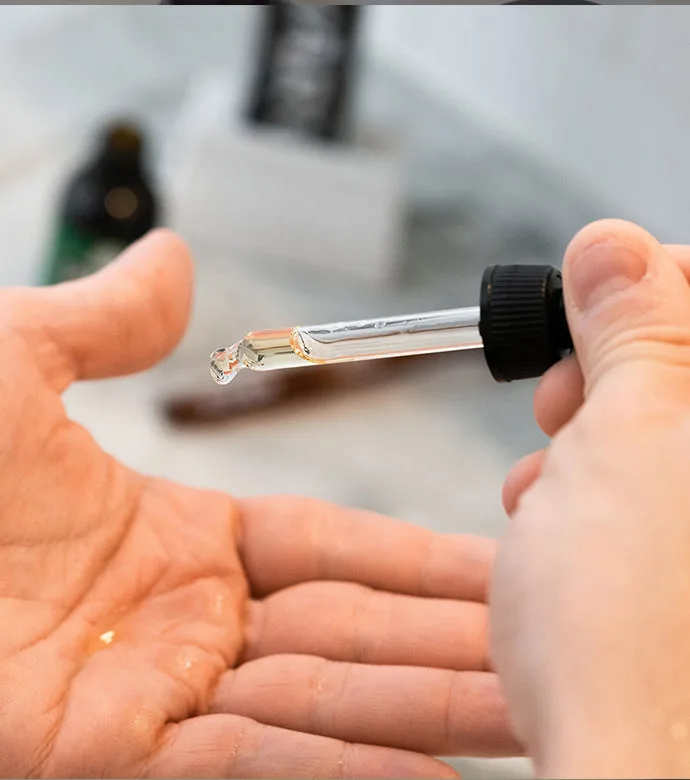
Change one variable at a time so you can actually identify the trigger. Wash with lukewarm water, use a cleanser made for facial hair, and massage it into the skin under the beard rather than just the surface hair. Rinse until the water runs clear, because residue from a cream or wash can sit against the skin and cause itch even when the product itself is fine. Pat dry instead of rubbing with a rough towel, then apply a beard oil or balm while the skin is still slightly damp. That last step locks in moisture and is the single most reliable fix for ordinary post-wash itch.
When the wash itself is the problem
If you have tried lukewarm water, longer rinsing, and immediate moisturizing and the itch still shows up right after washing, the cleanser is the suspect. Body soap and shampoo are common culprits because they are formulated for scalp and body skin, not the thinner skin under a beard. A dedicated beard wash is milder and easier to rinse out, which matters most if you wash daily. If you wash less often and still itch, look at how much product you use: a small amount is enough, and more lather does not mean a better clean.
Dry beard skin fix for cold and indoor heating season
Dry indoor air pulls moisture from skin all day, so an itch that appears only in winter is often a moisture problem, not a cleansing problem. In that case, reduce wash frequency to every other day or less, keep the water temperature mild, and apply beard oil or balm twice daily instead of once. A heavier balm works better than oil alone when the air is very dry, because it sits on the surface longer. If your skin is also flaking, treat the flaking first and the itch usually follows.
Stop conditions: when to change course or get help
Stop using a new wash immediately if you feel burning, stinging, or swelling rather than simple itch. That is a reaction, not dryness, and continuing will make it worse. See a dermatologist if the itch comes with spreading redness, crusting, pus, or patches that extend past the beard onto your cheeks and neck. Also get help if over-the-counter anti-itch creams and consistent moisturizing do not improve things within two weeks. Ordinary beard itch responds to better washing and moisturizing; anything that does not respond deserves a professional look.
Diagnosis: match your symptom to the fix
- Itch starts within minutes of drying and skin feels tight: This is stripping from a cleanser that is too harsh or water that is too hot. Switch to a beard wash, lower the water temperature, and moisturize while the skin is still damp. If it improves within a week, the wash was the cause.
- Itch builds over hours and is worse in heated rooms: This points to dry beard skin rather than the wash. Wash less often, skip hot water, and use a balm or oil twice daily, especially before bed. If it only appears in winter, treat it as dryness, not a product reaction.
- Itch plus flaking right under the beard: Flaking usually means the skin is not getting enough moisture or is being irritated by residue. Rinse longer, use less product, and moisturize consistently for two weeks. If flaking spreads or does not improve in two weeks, see a dermatologist.
- Burning, stinging, or swelling after a new wash: This is a reaction, not ordinary itch. Stop using the product immediately and do not try to push through it. Reactions need a different product, not a different routine.
Products that fit this routine
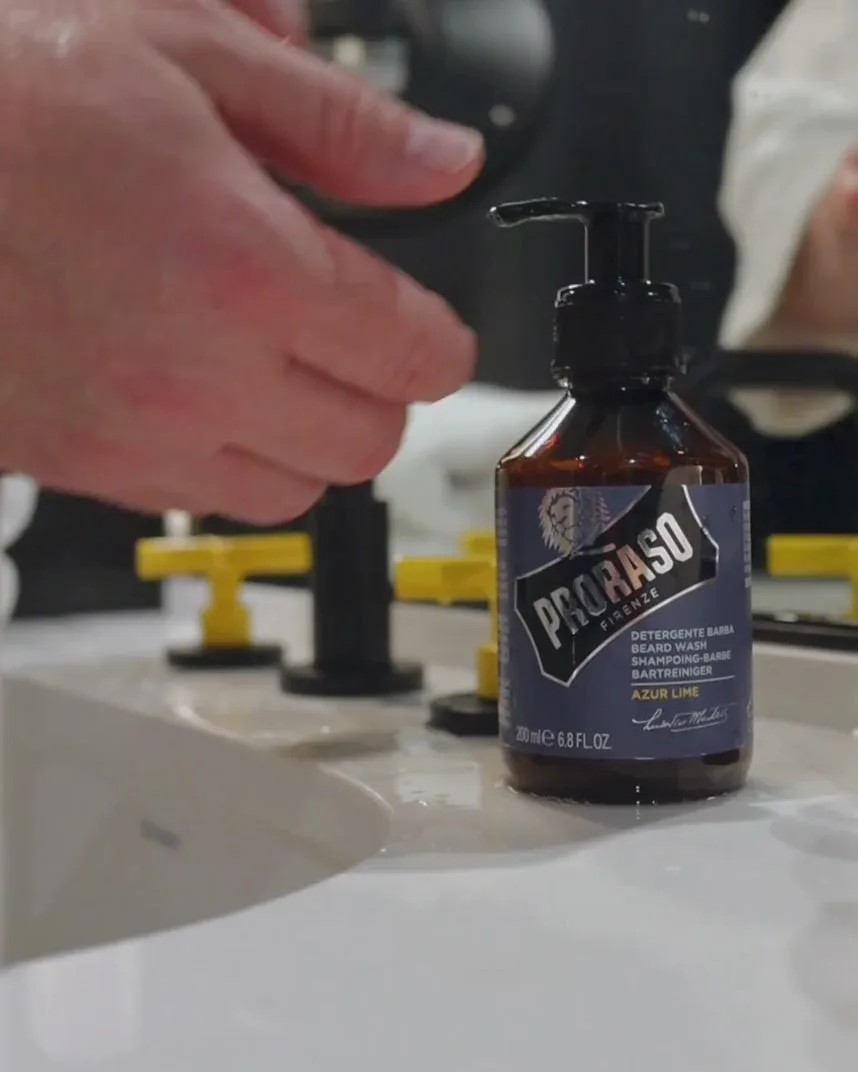
- Beard Wash in Azur Lime Fragrance, 6.8 fl oz: Beard Wash in Azur Lime Fragrance, 6.8 fl oz, is a refreshing cleanser designed for daily beard care that gently washes away dirt and impurities. A beard-specific wash is the first swap to make when body soap or shampoo leaves your skin tight and itchy after showering.
- Beard Care Tin in Azur Lime Fragrance: Beard Care Tin in Azur Lime Fragrance comes in convenient tin packaging that is suitable for storage and travel. Keeping a balm or care product within reach makes it easier to moisturize right after patting dry, which is when it helps most.
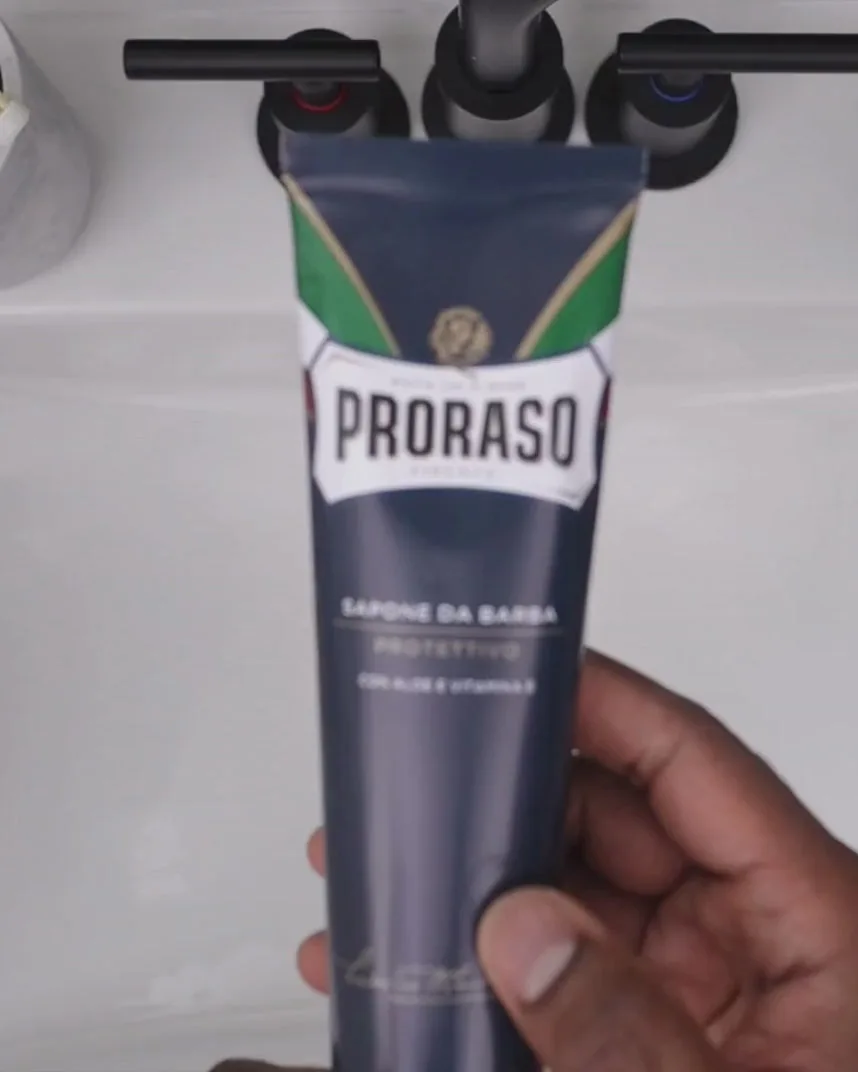
- Shaving Cream Tube Protective for Dry Skin, 5.2 oz: Shaving Cream Tube Protective for Dry Skin, 5.2 oz, is formulated for dry skin and designed to provide a protective layer that helps reduce irritation. If your itch is concentrated on the shaved edges of your beard, a cream built for dry skin can reduce irritation in that zone.