Quick answer
A countersunk screw strips when you overtighten it or use the wrong driver bit. The flat head design concentrates force at the rim, making it easier to damage the recess. Stop turning the moment you feel resistance, and always use a properly sized PH2 bit for eitech M4 screws.
Why the countersunk head makes stripping more likely
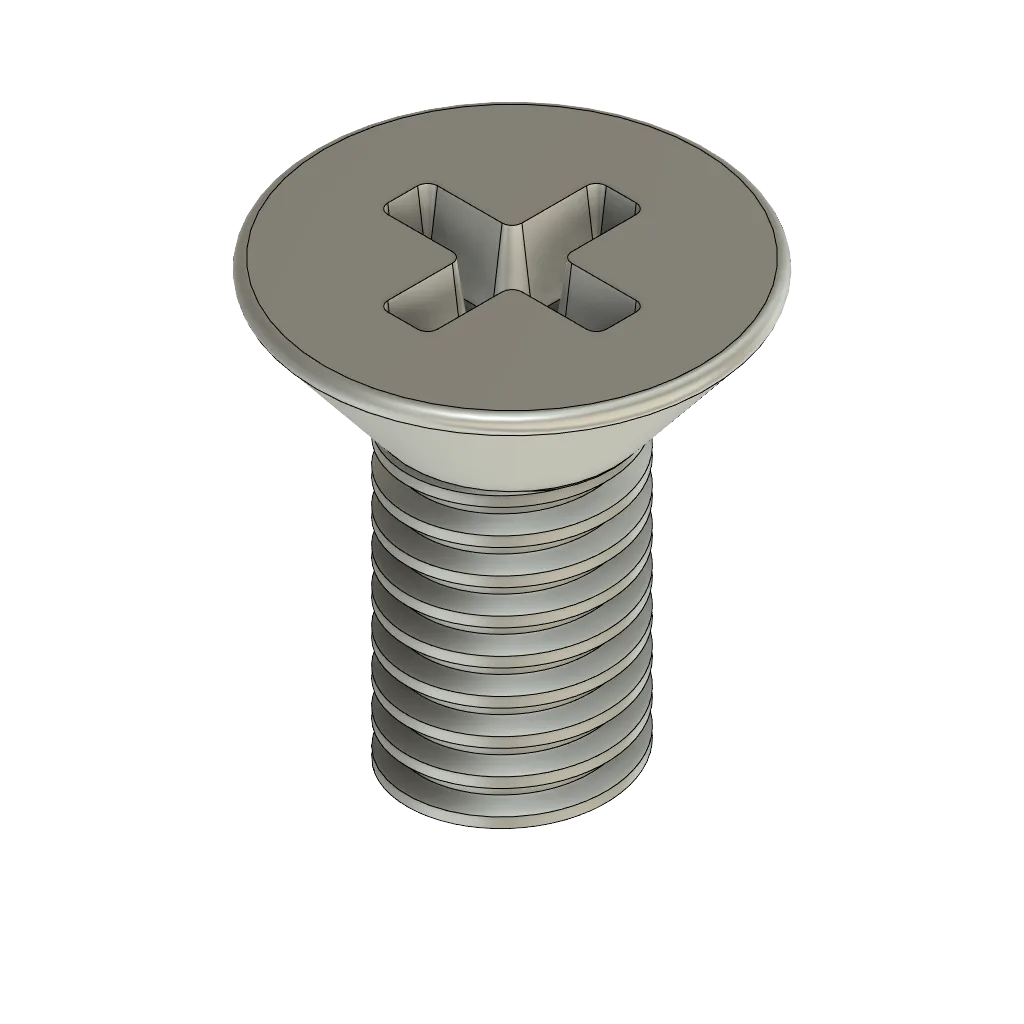
Unlike pan or hex head screws, a countersunk screw sits flush with the surface. That flat taper means the driver engages a shallow recess, and any off‑angle torque concentrates on a small contact area. With eitech M4x8 countersunk screws (code 01513), the head is small and the recess is relatively shallow, so even a few extra turns can deform the metal and round out the cross slot.
The material itself also plays a role. eitech screws are made from standard steel, which is strong but not hardened. Overtightening into a steel angle bar or nut can cold‑work the screw head, causing the driver to slip and strip the recess before you notice anything wrong.
The most common mistake: using the wrong driver
Many builders reach for a PH1 or a worn PH2 bit. A PH1 is too small and will wobble, while a worn PH2 won't grip the full depth of the cross slot. Both scenarios increase slip and strip risk. For eitech countersunk screws, always use a sharp, correctly sized PH2 bit. If the bit feels loose in the recess, stop and switch to a fresh one.
Another overlooked factor is driver speed. High‑speed screwdrivers generate heat and make it harder to feel when the screw is seated. Hand‑tighten the final quarter turn with a manual screwdriver to maintain control.
How to repair a stripped countersunk screw
If the recess is already rounded, try these steps in order. First, place a wide rubber band over the screw head and press the driver firmly into the recess. The rubber fills the gaps and can provide enough grip to back the screw out. If that fails, use a small left‑hand drill bit (around 3 mm) to drill into the screw head. The reverse rotation often catches and unscrews it. As a last resort, carefully drill out the entire head, remove the part, and grip the remaining threaded shank with pliers.
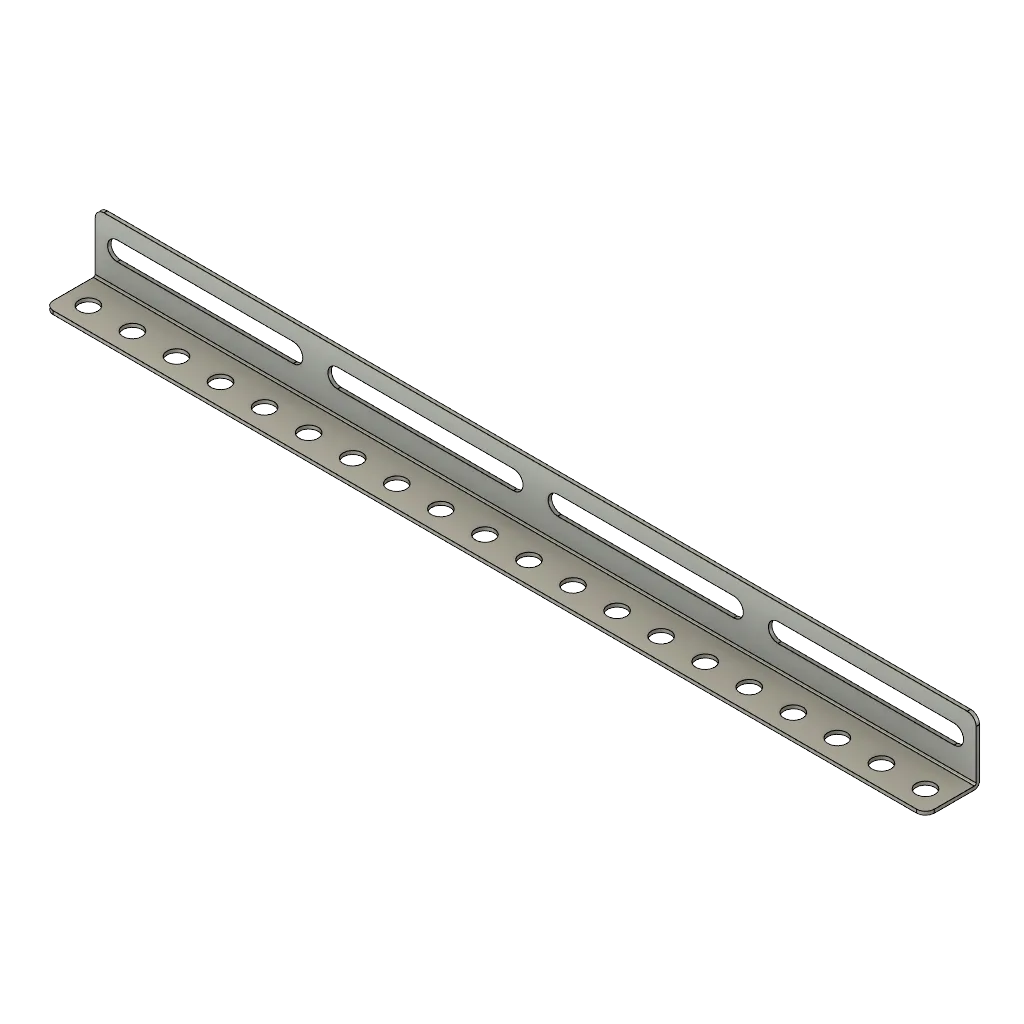
Once the damaged screw is out, inspect the threads in the nut or angle bar. If they are also damaged, replace the nut or use a thread‑forming tap to clean the hole. The eitech Angle bar 20‑hole (code 01053) is an affordable replacement if the original bar is compromised.
Diagnosis: Is your countersunk screw stripped or just stuck?
- Symptom: The driver bit spins freely in the screw head without turning the screw. You may see shiny metal flakes or a rounded cross slot. If the recess is visibly deformed, the screw is stripped.
- Likely cause: Overtightening, using a worn or wrong‑size PH bit, or driving at high speed without feeling the seating point. Prevention: hand‑tighten the last quarter turn with a PH2 bit.
- Corrective action: Try the rubber band trick first. If that fails, use a left‑hand drill bit or drill out the head. Replace the screw with a new Countersunk screw M4x8. If the threaded hole is damaged, replace the part or use a tap to clean threads.
- When to stop: If the screw is seized due to corrosion or cross‑threading, do not force it. Drilling out the head is safer than breaking the driver bit or damaging the surrounding structure. Order a replacement screw and angle bar before proceeding.
Product facts
- Countersunk screw M4x8: The eitech Countersunk screw M4x8 (code 01513) is a standard steel screw with a countersunk head designed to sit flush with the surface. Its shallow recess and small head make it more prone to stripping if overtightened or used with the wrong bit. Knowing this helps you adjust your technique to avoid damage.
- Angle bar 20-hole: The eitech Angle bar 20‑hole (code 01053) is a standard steel component with 20 holes for versatile connections. If stripping damages the threads in the bar, replacing it with a new angle bar is often faster and more reliable than trying to repair the threads.