Quick answer
Toddlers often refuse a sippy cup because of the unfamiliar spout texture, flow speed, or the change from a bottle. Try a cup with a softer spout or straw, offer it alongside meals, and stay patient. If refusal persists for weeks, consider a different cup design or consult your pediatrician.
Common reasons toddlers reject the sippy cup
The spout of a standard sippy cup feels different from a bottle nipple. Some toddlers dislike the harder silicone or plastic spout. Others struggle with the flow—too fast can cause choking, too slow can frustrate them. The cup's weight and handle grip also matter; a cup that is hard to hold may be dropped or ignored.
Toddlers are creatures of habit. If they have been using a bottle for months, the sudden switch to a sippy cup can feel like a loss. They may associate the bottle with comfort and feeding time, making the cup feel foreign or less rewarding. Offering the cup during playtime rather than at feeding can reduce pressure.
Practical tips to encourage acceptance
Start by letting your toddler explore the cup empty. Let them hold it, chew on the spout, and play with it. This builds familiarity without the expectation to drink. Once they are comfortable, add a small amount of water or breastmilk. Avoid juice or sweet drinks, as they can create a preference for sugary flavors.
Model drinking from a cup yourself. Toddlers learn by imitation, so show them how you sip from a cup or straw. Use positive reinforcement—praise any attempt, even if they only touch the cup. If they refuse, try a different cup style, such as a straw cup or a 360-degree cup, which may feel more intuitive.
When to consider a different cup design
If your toddler continues to refuse after a week of gentle attempts, the cup design may be the issue. Some toddlers prefer a straw cup because it mimics the sucking motion of a bottle but with a different mouth feel. Others do better with a spout that is softer or shaped differently. A cup with handles can also help if grip is a problem.
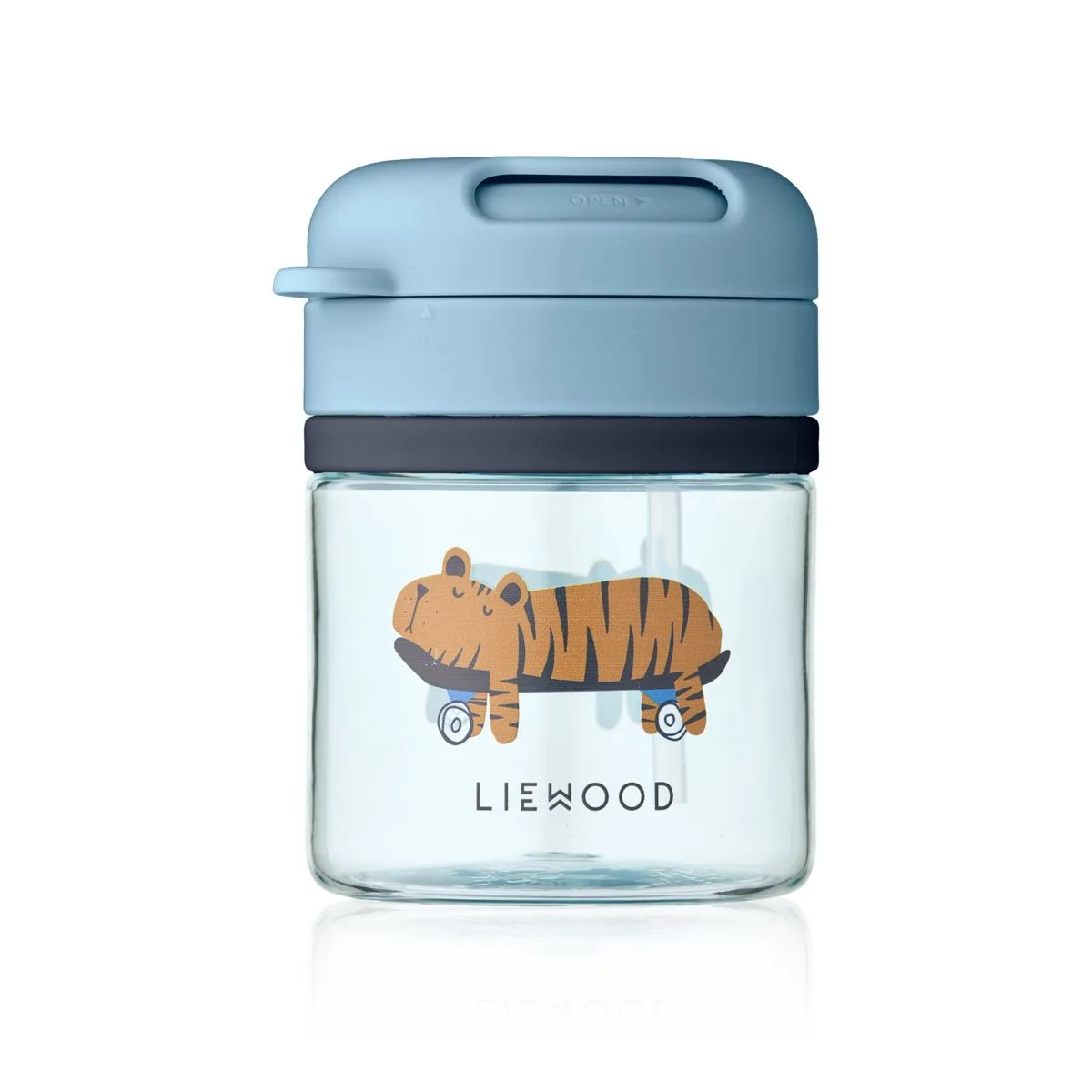
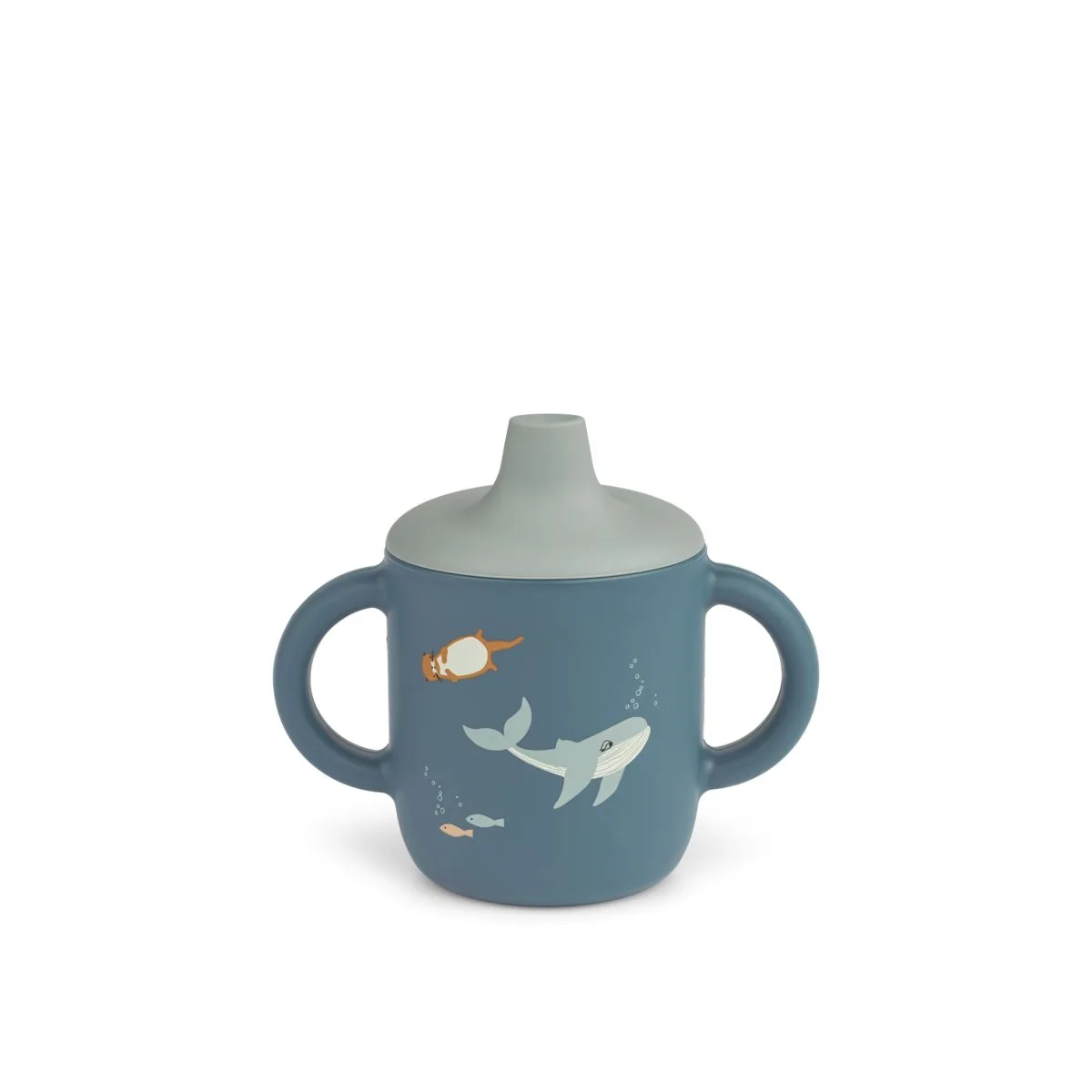
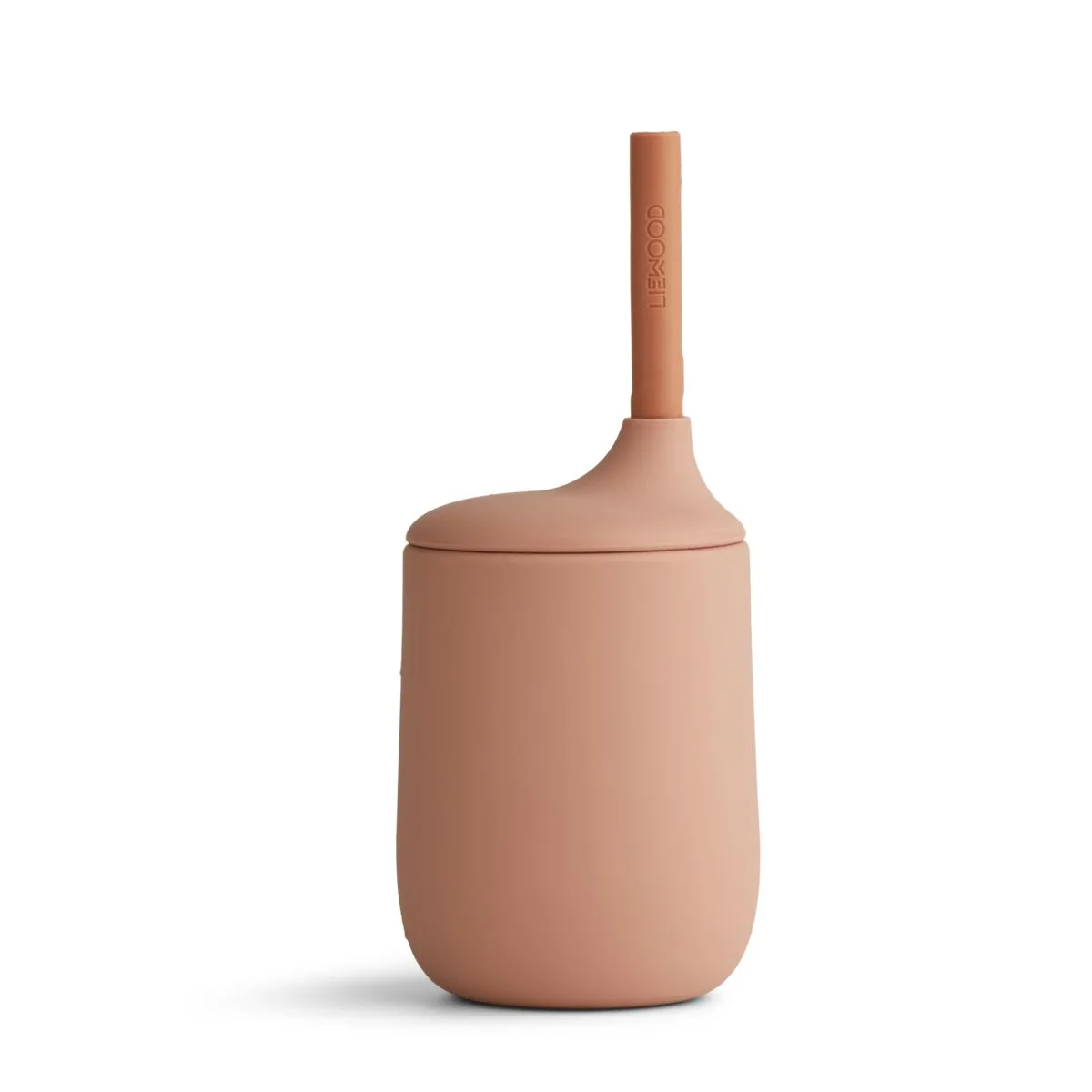
The NEIL Sippy Cup offers a removable lid with a small spout and a smooth, tactile feel. Its handles ensure a firm grip, and the easy-to-hold shape provides a gentle transition from bottle to cup. The 150 ml size is lightweight and made of shatterproof silicone, which may feel more familiar to a toddler used to a soft bottle. For toddlers who prefer a straw, the Pavia Tritan Straw Cup features a silicone straw with an airflow system for easy drinking, and its twist-and-lock mechanism makes it spill-proof for on-the-go use.
Diagnosis: Is it the cup or the child?
- Symptom: Toddler pushes away the sippy cup, cries, or refuses to put it to their mouth. They may drink from a bottle or straw cup but not the sippy. Observe which cup features they accept and which they reject.
- Likely cause: The spout texture or flow speed is uncomfortable. The cup may be too heavy, or the toddler is not ready to give up the bottle's comfort association. Try a different spout material or a straw cup. Offer the cup during play, not just at feeding times.
- Corrective action: Let the toddler explore the cup empty, model drinking, and offer small amounts of water. Use praise for any interaction. If after 1–2 weeks there is no progress, switch to a different cup design. Patience and variety are key. The NEIL Sippy Cup's soft spout or the Pavia Straw Cup's straw may work better.
- When to stop or choose another option: If the toddler consistently refuses all cup types for more than 3–4 weeks, or shows signs of dehydration (fewer wet diapers, dry mouth), consult your pediatrician. Some toddlers need a longer transition or a different approach. Persistent refusal may indicate a feeding issue or preference for open cups. Seek professional advice if concerned.
Cup options to try
- NEIL Sippy Cup - Arctic Sea / Ocean view: The NEIL Sippy Cup has a removable lid with a small spout, handles for a firm grip, and is made of 100% shatterproof silicone. It is designed for easy and controlled drinking. The soft silicone and small spout mimic the feel of a bottle, which can ease the transition for a toddler who refuses harder spouts. The handles help them hold the cup independently.
- Pavia Tritan Straw Cup 280 ml - Fun / Beach blue: The Pavia Tritan Straw Cup includes a silicone straw with an airflow system for easy drinking, a twist-and-lock mechanism, and is made of lightweight, shatterproof tritan material. A straw cup can be more intuitive for toddlers who are used to sucking. The twist-and-lock lid prevents spills, making it ideal for car rides or stroller walks where refusal often happens.