Quick answer
A sliding yoga mat usually comes down to surface moisture, mat material, or floor type—simple fixes like airing out the mat or using a towel often work, but upgrading to a high-grip mat like the b, mat everyday 4mm can solve it permanently.
Common causes of a slippery mat
Sweat and moisture are the top culprits—your mat's surface can become slick when wet, especially in hot yoga or vigorous flows. Another frequent cause is a new mat's factory residue; a quick wash can remove it. Finally, the floor material matters: hardwood or tile may cause a mat to shift more than carpet.
When to consider a mat upgrade
If cleaning and drying don't help, your mat's material may not be designed for grip. PVC mats can become slippery over time, while eco-friendly options like the b, mat everyday 4mm offer a naturally tacky surface. For serious practitioners, investing in a mat with proven grip can transform your practice.
Diagnosis and fix steps
- Symptom: Your mat slides on the floor or your hands/feet slip during poses.
- Likely cause: Moisture (sweat or humidity) on the mat surface, or a new mat with factory residue. Also check if the floor is too smooth.
- Corrective action: Wipe the mat with a damp cloth and mild soap, then let it air dry completely. For sweat, use a towel on the mat or try a mat towel. If sliding persists, the mat material may lack grip.
- When to stop or choose another option: If after cleaning and using a towel the mat still slides, consider a mat with better grip like the b, mat everyday 4mm. If you prefer a different texture, cork or rubber mats are alternatives. Choose a mat that matches your practice intensity and floor type.
Product facts
-
b, mat everyday 4mm: The b, mat everyday 4mm combines super grip with 4mm of cushion, designed for any movement from power flows to restorative practice. This means you get reliable traction even during sweaty sessions, reducing the need to constantly adjust your mat.
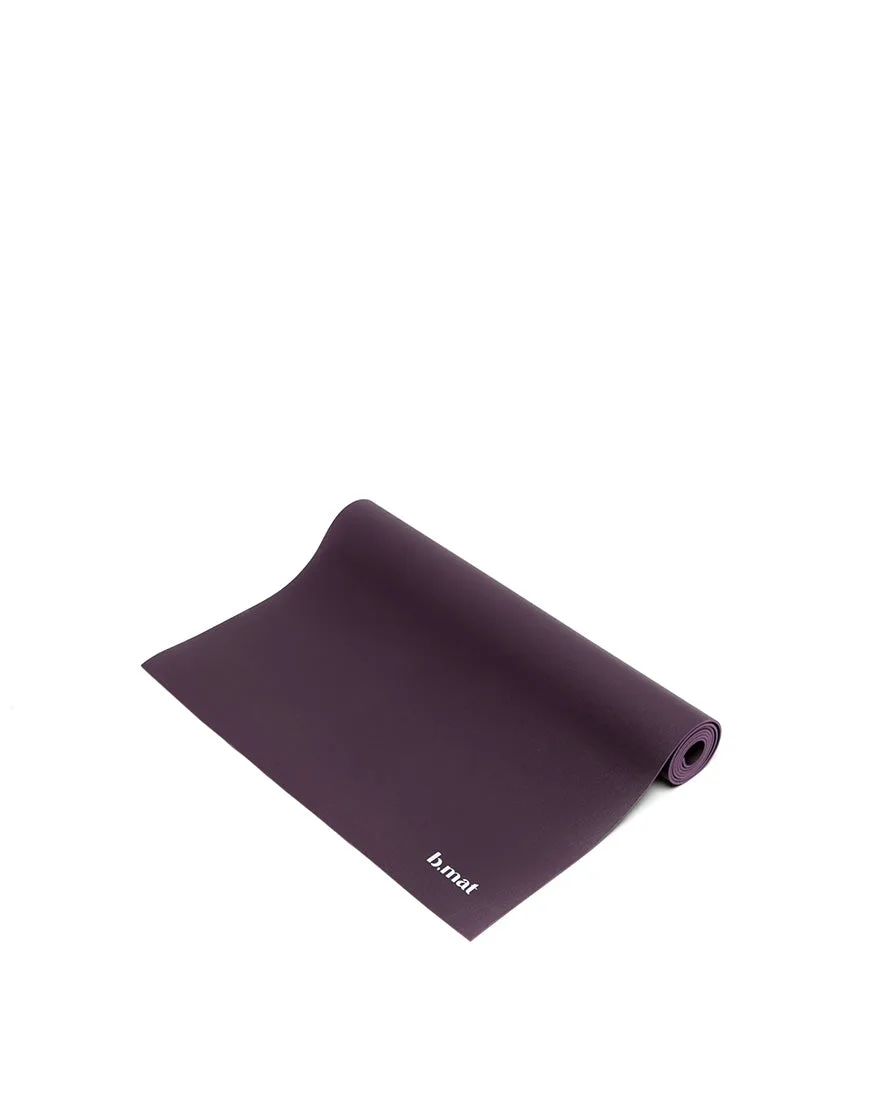
b, mat everyday 4mm