Quick answer
Wicking cell watering works by drawing water upward from a reservoir through a wicking material into the soil, keeping moisture consistent without daily watering. For a self watering raised bed, choose a system with a dedicated wicking cell, fill the reservoir, and let the soil wick what it needs. This reduces evaporation and helps plants thrive.
What a wicking cell does in a self-watering bed
A wicking cell is a contained area that holds water and transfers it to the soil through capillary action. In a self watering raised bed, the cell sits below the growing medium, separated by a wicking fabric or material. Water moves upward only as the soil dries, so roots get steady moisture without being waterlogged. This is different from a simple water reservoir garden bed, where water may sit without a controlled wicking mechanism. The cell prevents oversaturation and keeps the root zone evenly moist.
Choosing a self-watering planter system
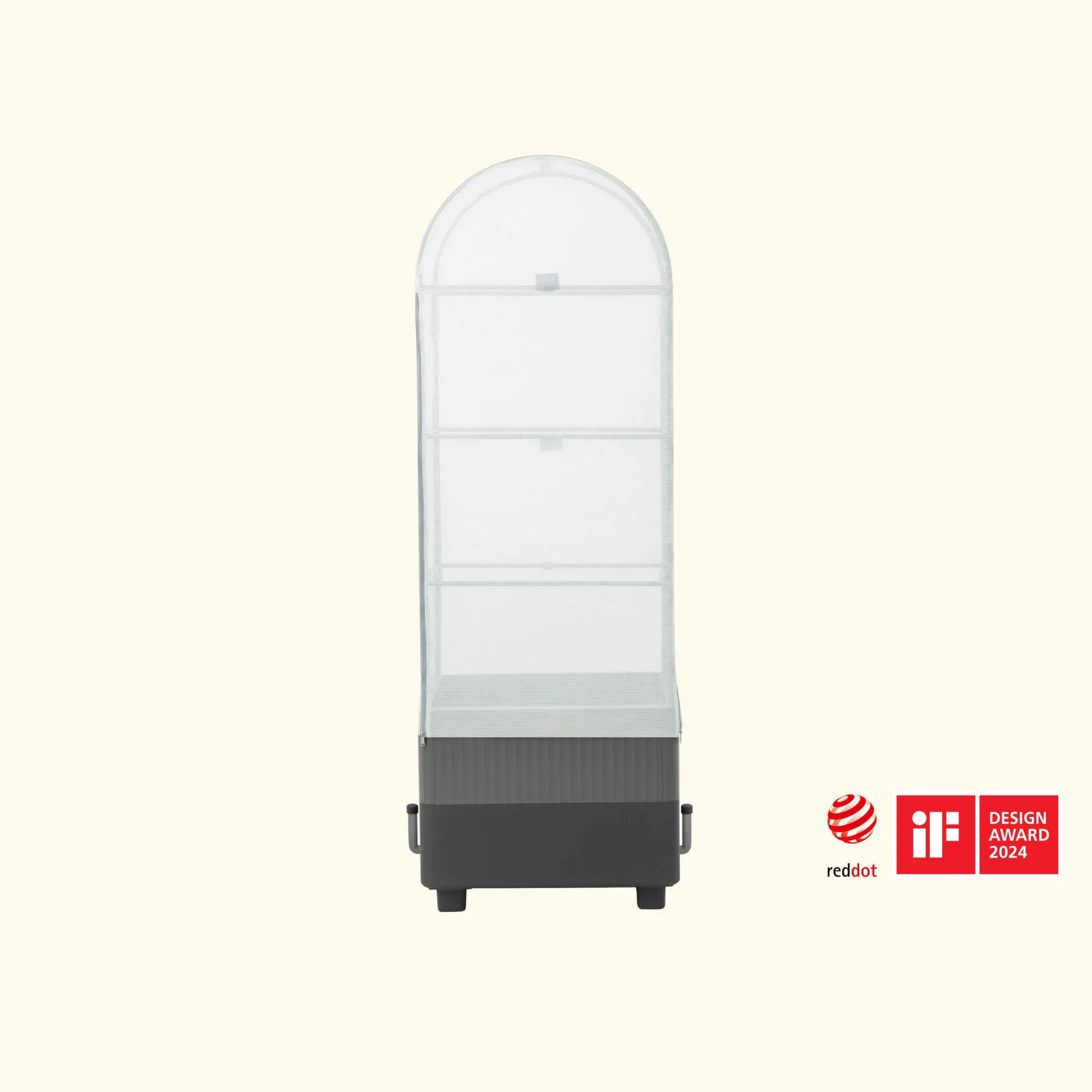
Look for a system with an accessible fill port, a clear water level indicator, and a wicking cell that matches the bed size. For small spaces, a compact unit like the EZCube Self-Watering Planter 21" x 24" & EZCube Mesh Cover System Bundle offers a self-watering planter system with a mesh cover to protect plants. For larger gardens, modular raised beds can be adapted with wicking cells, but check that the reservoir volume suits your climate. In hot, dry areas, a larger reservoir reduces refill frequency.
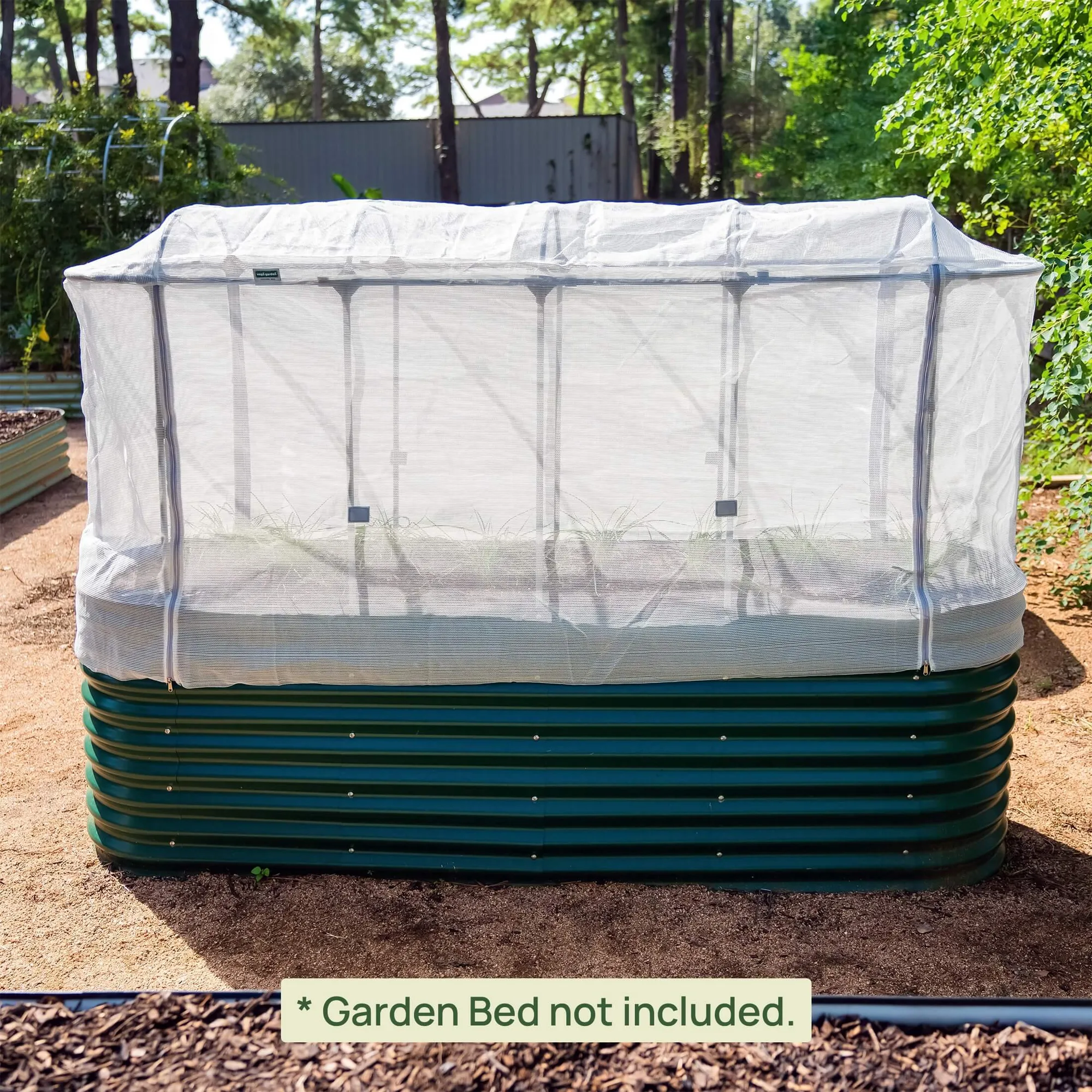
Mesh Cover System
Step-by-step wicking bed setup
- Prepare the reservoir: Place the wicking cell at the bottom of your bed or planter. Ensure it is level and the fill port is accessible. Common mistake: forgetting to check for leaks before adding soil. Checkpoint: reservoir holds water without draining immediately.
- Install the wicking material: Lay the wicking fabric or material over the cell, extending into the reservoir. It should be in full contact with both water and soil. Common mistake: leaving air gaps that stop capillary action. Checkpoint: fabric is saturated and touches the entire cell surface.
- Add soil and plants: Fill with a porous potting mix, not garden soil, to allow wicking. Plant as usual, keeping the soil level below the fill port. Common mistake: compacting soil, which blocks water movement. Checkpoint: soil is loose and evenly moist after first fill.
- Fill and monitor: Pour water into the reservoir until the indicator shows full. Refill when the level drops, typically every 1–2 weeks depending on weather. Common mistake: overfilling, which can waterlog soil. Checkpoint: water level stays within the marked range.
Product facts
- EZCube Self-Watering Planter 21" x 24" & EZCube Mesh Cover System Bundle: EZCube Self-Watering Planter 21" x 24" & EZCube Mesh Cover System Bundle is a compact, self-watering system designed for tight spaces and includes a mesh cover. Ideal for beginners or small patios; the self-watering cell and cover simplify care and protect plants.
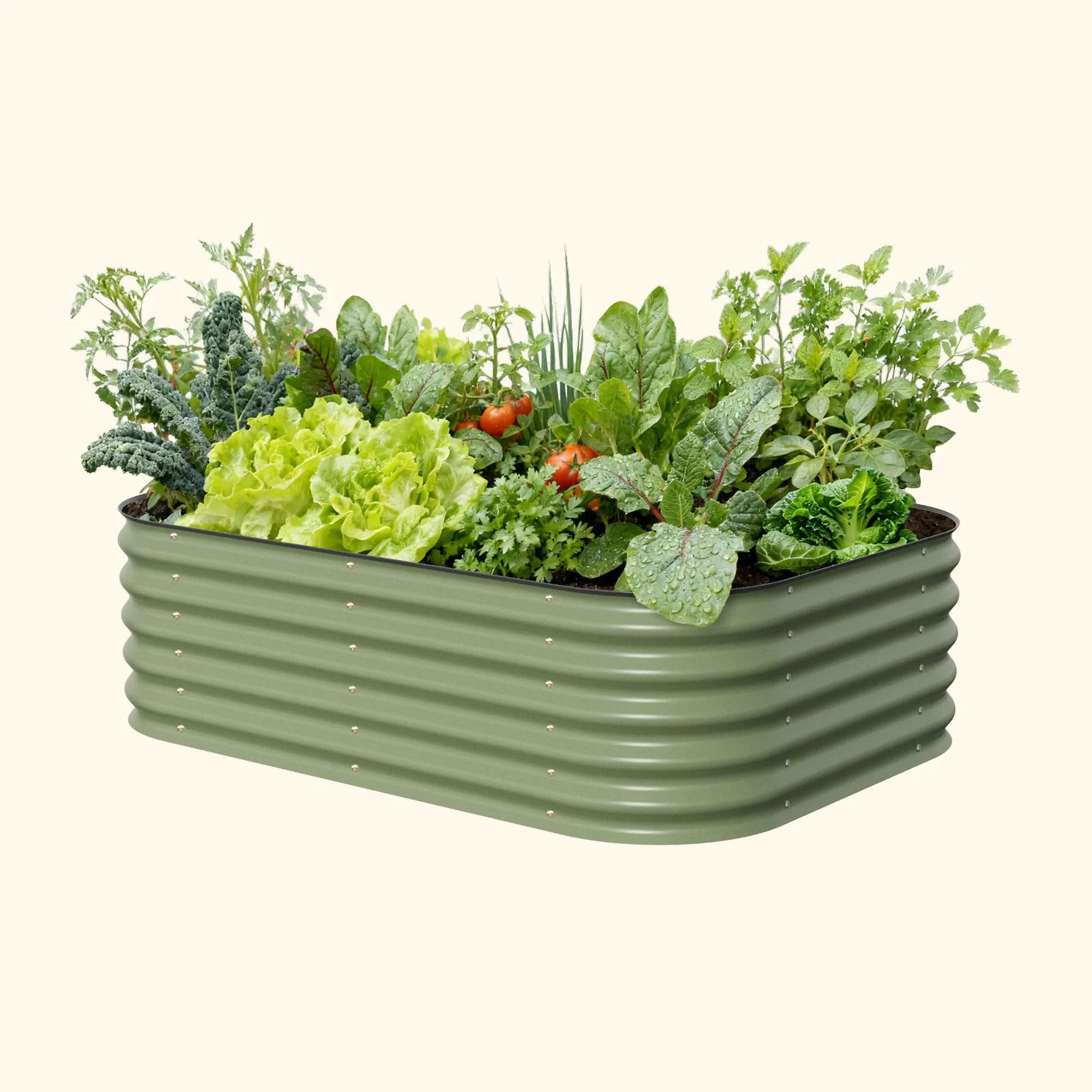
- 17" Tall 6 In 1 Medium Modular Metal Raised Garden Bed Kit: Vego Garden 17" Tall 6 In 1 Medium Modular Metal Raised Garden Bed Kit is optimized for small-medium backyards. Can be configured to accommodate a wicking cell for a self watering raised bed, offering flexibility for urban gardens.