Quick answer
Resin miniatures are not inherently fragile, but thin parts like bayonets or rifles can snap if dropped or bent. Well-cast resin holds detail beautifully and survives normal handling. Store them in a padded case, avoid extreme heat, and expect to repair the occasional break—just like metal or plastic.
Resin has a reputation for being delicate, but that is only half the story. Whether a resin miniature breaks easily depends on the part thickness, how it is stored, and how you handle it during games. This FAQ answers the most common durability questions so you can decide if resin fits your collection.
We will look at real-world breakage risks, compare resin to metal, and share practical protection methods. The goal is not to convince you resin is unbreakable, but to give you honest expectations and simple habits that keep your miniatures intact.
Are resin miniatures fragile?
Resin is more brittle than plastic or metal, so very thin parts—like bayonets, sword tips, or rifle barrels—can snap if they catch on something or hit a hard floor. However, a well-cast resin miniature with reasonable thickness is surprisingly tough. It flexes slightly under pressure and returns to shape, unlike metal which bends permanently.
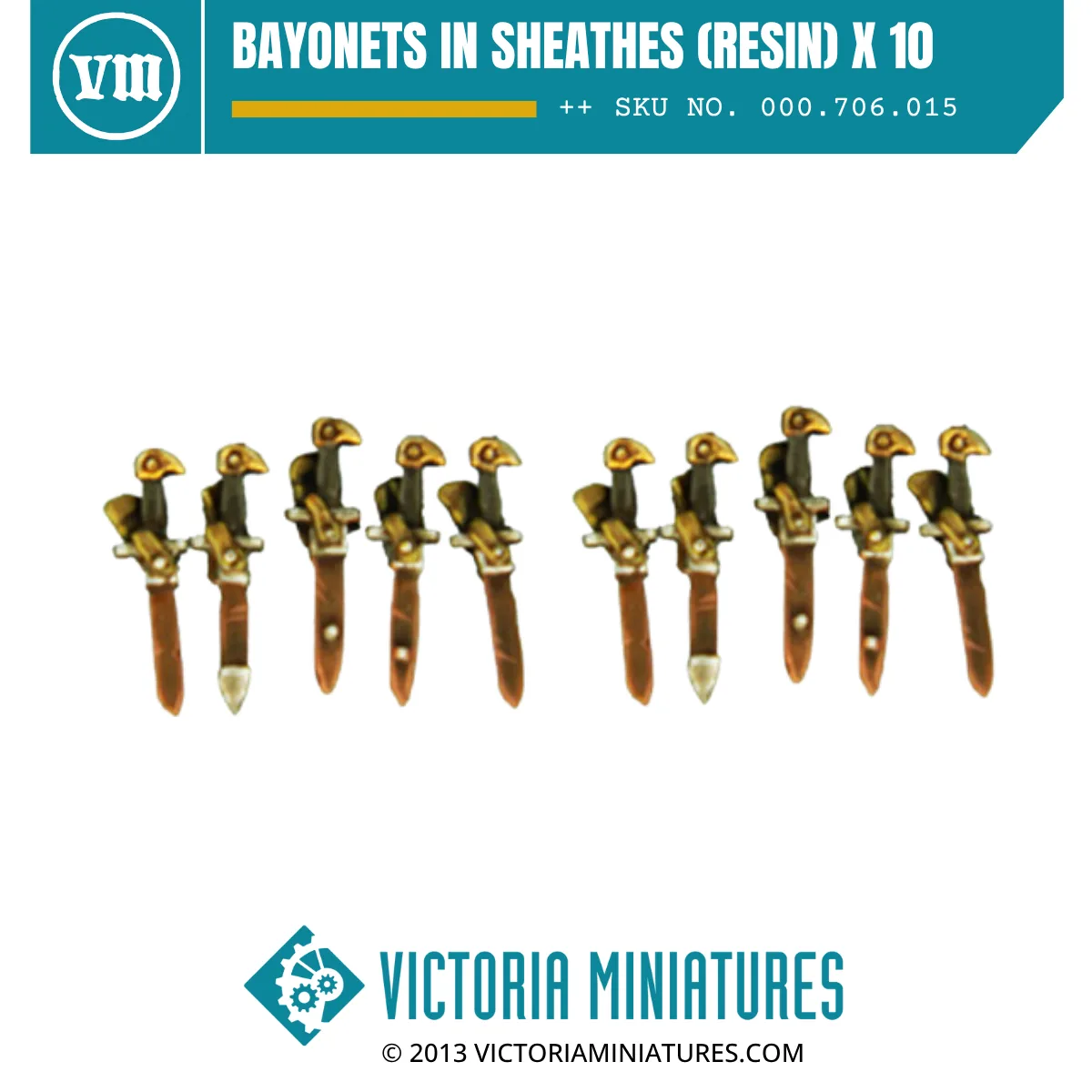
The real fragility comes from unsupported thin sections. For example, a bayonet in a sheath is a solid block and very durable, while a long, thin rifle barrel is more vulnerable. You can reduce risk by pinning thin parts, storing minis upright, and not using them as grab handles during games.
- Thin parts break first—reinforce or pin them if possible.
- Resin can snap; metal bends; plastic absorbs shock but holds less detail.
Resin vs metal durability: which is tougher?
Metal miniatures are heavier and tend to bend rather than break, but they can still snap at joints and often need pinning. Resin is lighter, holds sharper detail, and does not dent, but it can crack if dropped on a hard surface. Neither material is indestructible.
If you want maximum durability for tabletop play, metal has an edge for thick parts because it deforms instead of shattering. For display pieces with fine details, resin is often the better choice. Many hobbyists use both: resin for character models, metal for rough-and-tumble infantry.
- Metal bends; resin snaps; plastic flexes.
- Consider your handling style and storage space before choosing.
How should I store fragile miniatures?
Storing fragile miniatures properly prevents most breakage. Use a foam-lined case with compartments that hold each model snugly but not tightly. Avoid stacking models directly on top of each other, and never store them loose in a box where they can tumble.
For extra protection, magnetize bases and use a metal-lined tray. Keep the case away from heat sources like radiators or direct sunlight, because resin can soften and warp at high temperatures. A cool, dry cupboard is ideal for long-term storage.
- Foam or magnetic trays beat loose boxes.
- Keep away from heat to prevent warping.
Can I repair a broken resin miniature?
Yes, most breaks are repairable. Use superglue for clean snaps, and consider pinning with a small brass rod for load-bearing joints. If a part is bent, not broken, you can gently heat it with warm water or a hair dryer, reshape it, and hold it until cool.
For small chips or missing pieces, epoxy putty can rebuild the shape. After repair, touch up paint and consider reinforcing the area with a thin layer of glue or putty. Repairs are a normal part of the hobby, not a sign of poor quality.
- Superglue for clean breaks; pin for strength.
- Warm water fixes warps without breaking.
Does resin miniature durability improve with varnish?
A protective varnish can help, but it will not make a thin part unbreakable. A matte or satin varnish adds a slightly flexible coating that resists paint chipping and minor scuffs. It also reduces the chance of small pieces snapping off due to surface friction.
Apply two thin coats rather than one thick coat to avoid obscuring detail. Varnish is not a substitute for careful storage, but it is a cheap insurance policy for models that see regular handling.
- Varnish protects paint and adds minor shock absorption.
- Thin coats preserve detail.
Resin durability quick reference
Thin parts
Bayonets, rifle barrels, and sword tips are the most likely to snap. Pin them if possible or store with foam support. Reinforce before painting if the part feels flexible.
Drops
A fall onto a hard floor can crack resin. A padded case and careful handling prevent most drops. Magnetize bases to reduce accidental knocks.
Heat
Resin softens in high heat and can warp. Keep models out of hot cars and direct sun. Warm water can fix warps; heat can cause them.
Repairs
Superglue and pinning fix most breaks. Varnish adds minor protection. Keep a repair kit handy—breaks are normal.
Product facts that affect durability
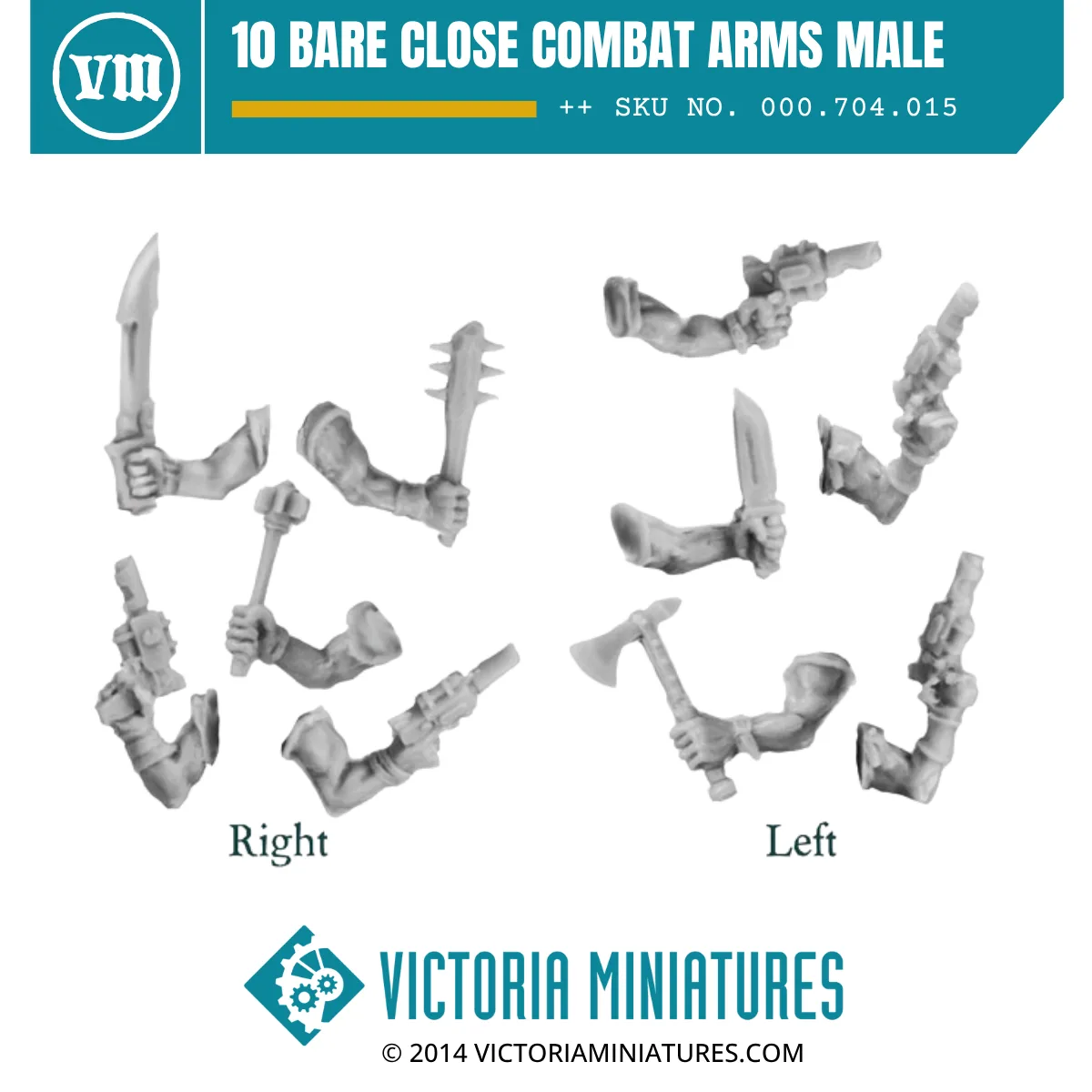
- 10 Bare Close Combat Arms Male: 10 bare close combat arms, with trench weapons and laser pistols. Hand cast in high quality resin. Compatible with Victoria Miniatures Male Guard and popular heroic scale plastic kits. These arms are separate pieces, so thin weapons like pistols or trench blades can snap if dropped. Pinning or careful storage helps.
- Bayonets in Sheathes (resin) x 10: 10 bayonets in sheathes. Cast in quality hand cast resin. Because the bayonets are sheathed, they are solid blocks with no thin protruding blade—making them far less likely to break than bare bayonets.
- Desert Scorpions 10 Man Squad: This resin kit is packed with character and contains plenty of extra bits to customize your troops. Includes multiple torsos, legs, and arms. Multi-part resin kits mean more joints that could break if handled roughly, but also allow you to replace damaged parts easily from your bits box.
Resin miniatures are not as fragile as their reputation suggests, but they do demand sensible handling. Store them padded, keep them cool, and reinforce thin parts. With those habits, your resin models will survive many games and look great doing it.