Two rings, two different jobs
At first glance, the Tiny Paws Willow Chew Ring and the Clover Ring look like similar round objects for small pets. They are not interchangeable. The willow ring is a chew toy made from 100% natural, untreated willow. The clover ring is a hand-made snack made from pesticide-free clover. One supports gnawing behavior; the other is a food item.
That difference matters when you decide what to put in the cage. A chew toy stays available for wearing down; a snack is offered in controlled amounts. Treating one like the other can lead to overfeeding or to a chew toy that gets eaten too quickly.
Material, purpose, and species suitability
- Willow Chew Ring: Made from 100% all-natural, unpeeled willow. The product record describes it as satisfying the instinct to gnaw while keeping teeth healthy and properly trimmed. Recommended for rabbits, guinea pigs, chinchillas, and other small pets. It is free of harmful chemicals, dyes, or treatments.
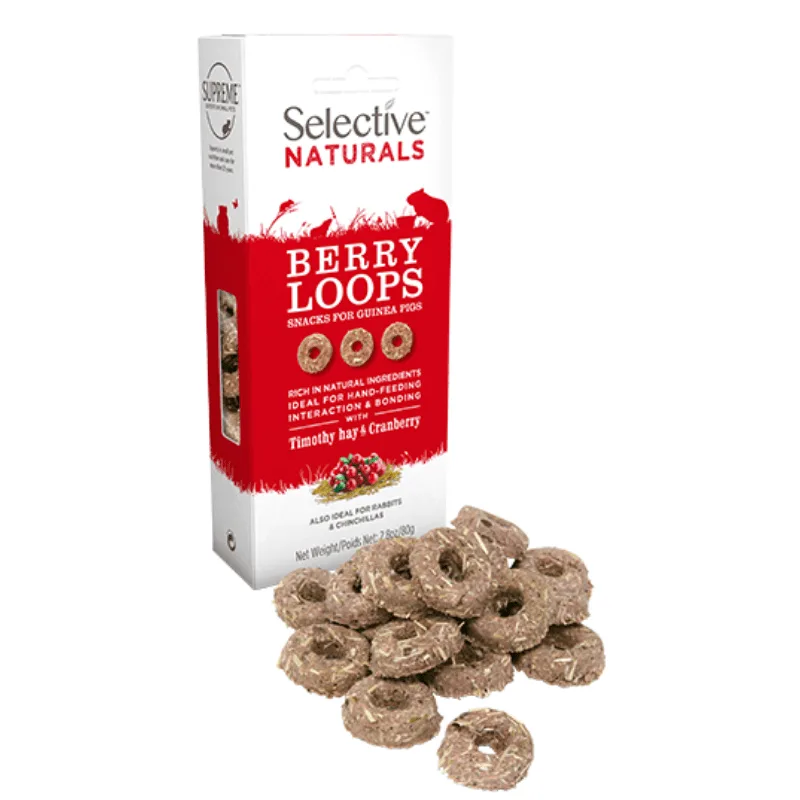
- Clover Ring: Made by hand from pesticide-free clover sourced from a US farm. The record describes it as sweet with a little crunch and chew. Safe for rabbits, hamsters, guinea pigs, and gerbils. It is a snack, not a chew toy.
When to choose the willow chew ring
Choose the willow ring when your pet needs a safe outlet for gnawing. Rabbits and guinea pigs naturally chew, and a hard willow toy gives them something appropriate to work on. Because it is unpeeled and untreated, it offers a simple, single-material chew. The ring shape also makes it easy for pets to pick up, toss, or nibble.
Keep in mind that the willow ring is a toy, not a food. The record does not provide feeding amounts or a schedule for offering it. Offer it as part of environmental enrichment and replace it when it becomes heavily worn or soiled. Store it in a cool, dry place between uses.
When to choose the clover ring
Choose the clover ring when you want a hand-made, pesticide-free snack to add variety or to use during bonding. Its sweet, crunchy texture makes it a rewarding treat for rabbits, hamsters, guinea pigs, and gerbils. Because it is a snack, it should not replace hay or a balanced diet.
The record does not specify a serving size or frequency for the clover ring. Use your judgment and your pet's overall diet to decide how often to offer it. A small piece at a time is a practical approach, but the manufacturer has not supplied a recommended amount. If your pet has dietary sensitivities, consult your vet before introducing a new snack.
What the product records confirm
-
Tiny Paws - Willow Chew Ring: Made from 100% natural, untreated willow; free of harmful chemicals, dyes, or treatments. Confirms the willow ring is a single-material chew toy suitable for pets that gnaw.
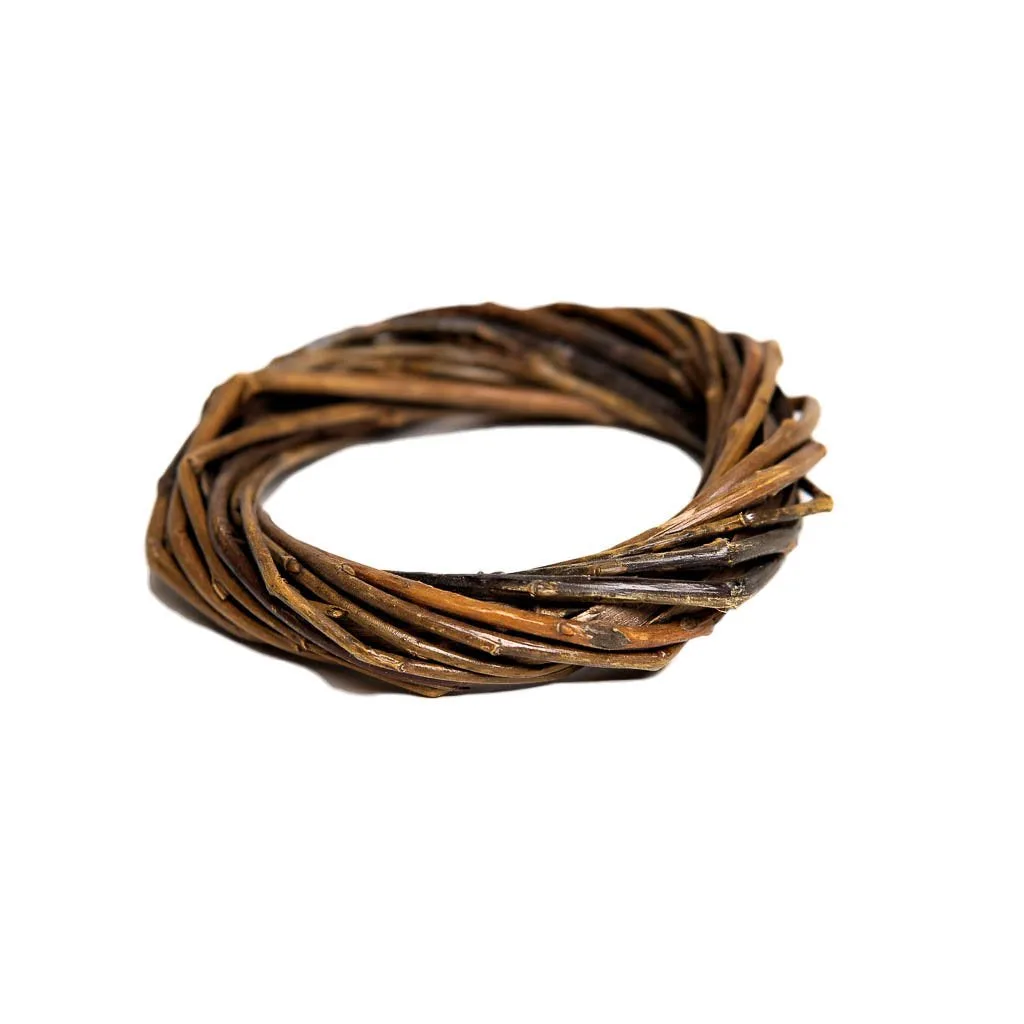
Tiny Paws - Willow Chew Ring
-
Tiny Paws - Willow Chew Ring: Recommended for rabbits, guinea pigs, chinchillas, and other small pets. Helps you check species suitability before buying.
-
Clover Ring: Hand-made from pesticide-free clover sourced from a US organic farm. Shows the clover ring is a snack with a traceable, pesticide-free origin.
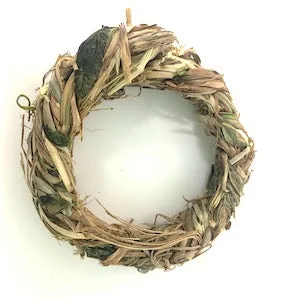
Clover Ring
-
Clover Ring: Safe for rabbits, hamsters, guinea pigs, and gerbils. Clarifies which pets the snack is intended for.
What the records do not tell you
Neither product record provides a recommended serving size, feeding frequency, or a full nutritional analysis. The willow ring record includes dimensions, but those measurements are not a guide to how long the toy will last or how much your pet should chew. The clover ring record does not list ingredients beyond clover or a guaranteed analysis.
This absence is a limitation, not a flaw. It means you should rely on general small-pet feeding principles: hay first, treats in moderation, and chew toys available for supervised or free use. If you are unsure how a new item fits your pet's diet, ask your veterinarian.
A practical way to use both
You do not have to pick just one. The willow ring can stay in the habitat as a chew option, while the clover ring is offered as an occasional snack. That separation keeps the toy and the treat in their proper roles. For example, place the willow ring in the cage and offer a small piece of clover ring during handling or playtime.
Rotate chew toys to keep them interesting, and store both products in a cool, dry place. Check the willow ring regularly for wear and replace it when it becomes small or frayed. Keep the clover ring sealed until use to preserve freshness.