Quick answer
Buy the Nintendo Selects version if you want the lower catalog price and do not care about the label on the spine. Pay the small premium for the original release only if you are collecting first-print Wii U boxes.
What actually changes between the two versions
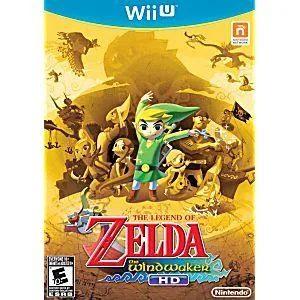
On a Wii U, both discs boot the same game. The catalog lists them as separate products because of the packaging line: the Nintendo Selects release is a later budget-label printing, while the other listing is the standard original cover. Neither listing includes a manual or case unless the condition notes say so, and both are NTSC region discs for North American consoles.
That means your decision comes down to two things you can verify before checkout: which cover you want on the shelf, and how much you are willing to pay for it.
The price gap is real but modest
The Nintendo Selects listing sits at USD 113.40 against a USD 189.00 comparison price, while the original-cover listing is USD 117.99 against USD 171.00. In plain terms, the Selects copy is cheaper today, but the original version carries the larger discount off its reference price.
Do not read those comparison prices as market values. They are catalog reference points, not appraisals, and the gap between the two listings is only a few dollars. If you are buying to play, the cheaper Selects copy leaves more budget for a Wii U GamePad or a second game.
Where the original-cover listing wins
Collectors tend to want the first printing because the Selects banner changes the cover art and spine. If your Wii U shelf is built around original black-label cases, a Selects copy will always look like the odd one out.
The trade-off is that you are paying for packaging, not gameplay. The disc content is the same, so the premium only makes sense if the box matters to you.
The catch both listings share
Both products are used and described as disc-only unless otherwise specified. That means you should not assume a case, manual or insert is included just because the product photo shows a cover. Confirm what ships before you pay, especially if you are buying the original version for its packaging.
Both listings also carry a 90-day no-questions-asked return policy and are stated as fully cleaned and tested, which lowers the risk of a bad disc but does not replace checking the condition notes.
Trade-offs to weigh before you choose
- Lower price vs. budget label: Choose the Nintendo Selects copy if saving a few dollars matters more than the cover. You give up the original spine art, but you get the same game disc. Check the condition notes for case inclusion before assuming either version ships boxed.
- Original cover vs. higher cost: Choose the original-cover listing if your collection is built on first-print Wii U cases. You pay a small premium for packaging, not for extra content.
- Disc-only reality: Both listings are disc-only unless stated otherwise, so budget for a replacement case if you want a complete shelf copy. Factor that into the total cost before deciding which version is cheaper for you. A disc-only Selects copy plus a generic case can still undercut a boxed original.
Product facts at a glance
-
Zelda: Wind Waker HD - Nintendo Selects - Wii U Game: Nintendo Selects edition, used, NTSC region, catalog price USD 113.40. The lowest-priced route to playing Wind Waker HD on a North American Wii U.
Zelda: Wind Waker HD - Nintendo Selects - Wii U Game
Zelda: Wind Waker HD - Nintendo Selects - Wii U Game
-
Zelda: Wind Waker HD - Wii U Game: Standard original-cover edition, used, NTSC region, ESRB Everyone 10+, catalog price USD 117.99. Costs a few dollars more but keeps a non-Selects spine on your shelf.
Zelda: Wind Waker HD - Wii U Game
Which version fits you
Choose the Nintendo Selects copy if
- You mainly want to play Wind Waker HD on Wii U and want the lower catalog price.
- You are filling a player's shelf rather than a first-print collection.
Choose the original-cover copy instead if
- You are building a set of original black-label Wii U cases and a Selects spine would bother you.
- You are willing to pay a few dollars more for packaging you will actually display.