Choosing the right flatware can transform your daily meals and special dinners alike. With so many options on the market, it helps to focus on what matters: balance, finish, and how the cutlery feels in your hand. This comparison puts Windsor Cutlery side by side with other popular flatware styles to help you decide which set suits your table best.
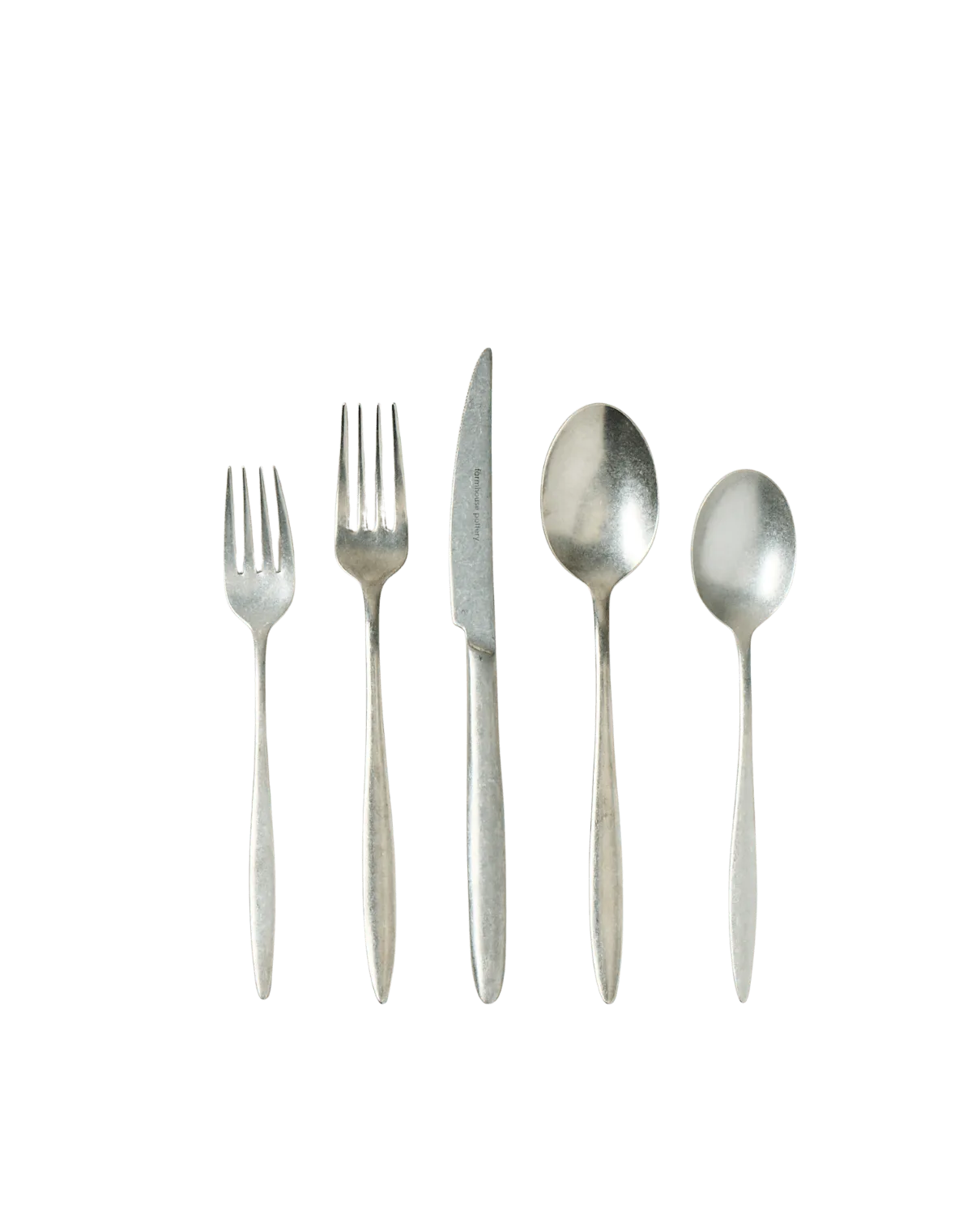
Windsor Cutlery
We’ll look at design philosophy, weight distribution, material quality, and overall value. Whether you prefer a classic profile or a more modern silhouette, understanding these differences will make your flatware comparison easier and more rewarding.
Design and Aesthetic: Classic vs. Contemporary
Windsor Cutlery stands out with its clean, timeless lines that bridge traditional and modern tablescapes. The pieces feature a subtle taper and a polished finish that catches light without being overly shiny. In contrast, many other flatware sets lean heavily into either ornate detailing (like heavy embossing or scalloped edges) or ultra-minimalist, angular shapes. For example, sets like the Silo Cutlery take a more industrial, straight-edged approach, while French Country Cutlery offers a softer, more decorative look with its gentle curves and matte texture.
If you entertain often, consider how the flatware will pair with your existing dinnerware and linens. Windsor Cutlery’s understated elegance works well with both ceramic plates and linen napkins, making it a versatile choice. Other sets might clash with certain tabletop styles, so matching the design to your overall aesthetic is key.
- Tip: Hold a fork and knife from each set under natural light to see how the finish reflects and how it complements your plates.
Weight and Balance: How It Feels in Your Hand
Weight is one of the most personal aspects of flatware. Windsor Cutlery offers a balanced heft—substantial enough to feel quality but not so heavy that it tires your hand during a long meal. Many stainless steel cutlery sets on the market are either too lightweight (feeling flimsy) or overly thick (creating a clunky grip). The Pantry Cutlery set, for instance, is lighter and more utilitarian, ideal for everyday use but less suited for formal dining.
The handle-to-head ratio matters too. Windsor Cutlery’s handles are ergonomically shaped, with a slight curve that fits naturally in your palm. Other flatware may have straight, flat handles that can feel less secure. When comparing, pick up each piece and mimic cutting or scooping—comfort during use is a strong indicator of long-term satisfaction.
- Tip: Try balancing a fork on your index finger near the handle’s midpoint; a well-balanced piece will stay level.
Material and Durability: Stainless Steel Cutlery That Lasts
Most quality flatware is made from stainless steel, but the grade and construction vary. Windsor Cutlery uses 18/10 stainless steel, meaning 18% chromium and 10% nickel, which resists rust, corrosion, and pitting better than lower grades like 18/0. This is especially important if you run your flatware through the dishwasher regularly. In comparison, some budget-friendly flatware sets use 13/0 or 18/0 stainless steel, which can develop spots or dullness over time.
Another durability factor is how the pieces are attached. Windsor Cutlery is fully forged, meaning the handle and head are one continuous piece, reducing the risk of loosening or breaking at the joint. Many other sets are stamped and then welded, which can create weak points. For a long-term investment, forged construction is worth the higher price.
- Tip: Check the product description for “18/10 stainless steel” and “forged” or “fully forged” to ensure top durability.
Set Composition and Versatility
A flatware set should cover your daily needs without excess pieces you never use. Windsor Cutlery is typically sold as a 5-piece place setting (dinner fork, salad fork, dinner knife, dinner spoon, and teaspoon), which is the standard for most households. Other sets may include extra pieces like steak knives or serving utensils, but those can sometimes feel redundant if you already own a good knife set or serving pieces.
For example, if you already have a dedicated steak knife set, you might prefer a flatware set without them. Conversely, if you’re starting from scratch, a set like The Host Set offers a complete tabletop solution with matching serving pieces. Consider your existing cutlery and how often you host dinner parties before deciding on the number of pieces.
- Tip: Count how many place settings you realistically need—most families do well with 8 to 12.
Care and Maintenance: Keeping Your Flatware Looking New
Even the best stainless steel cutlery requires some care to maintain its shine. Windsor Cutlery’s polished finish is relatively easy to maintain—just avoid abrasive cleaners and dry pieces promptly after washing to prevent water spots. For other flatware with matte or brushed finishes, like the French Country Cutlery, fingerprints and smudges can be more visible, requiring more frequent polishing.
Dishwasher safety is another consideration. While Windsor Cutlery is dishwasher-safe, high heat and harsh detergents can eventually dull any finish. To extend the life of your flatware, consider hand washing, especially for sets with intricate designs or mixed materials. Storing pieces in a divided flatware tray also prevents scratching.
- Tip: Use a soft cloth to dry your flatware immediately after washing to avoid mineral deposits and spots.
Ultimately, the best flatware set depends on your personal priorities. Windsor Cutlery excels in timeless design, balanced weight, and durable 18/10 stainless steel construction. If you value versatility and a comfortable feel for everyday use, it’s a strong contender. For those who prefer a more decorative or minimalist look, exploring options like French Country Cutlery or Silo Cutlery might be worthwhile. Take your time to compare in person if possible, and your table will thank you.