Quick answer
For most cold-weather runs, the Windtherm Jacket 2.0 is the better choice thanks to its targeted wind-blocking front and brushed interior. Choose a softshell only if you need a more durable, abrasion-resistant layer for mixed activities or harsh wind exposure.
Why the Windtherm Jacket 2.0 stands out for running
The Windtherm Jacket 2.0 is engineered specifically for outdoor running. Its half-turtleneck collar seals in warmth, while a wind-blocking and water-repellent front panel shields your core from chill. The brushed inside adds insulation without bulk, and the quick-drying fabric helps manage sweat during high-effort miles.
Reflective details improve visibility in low light, and the back pockets and thumbholes are practical touches that runners appreciate. This jacket is designed to move with you, making it a focused running layer rather than a general-purpose shell.
What a softshell offers instead
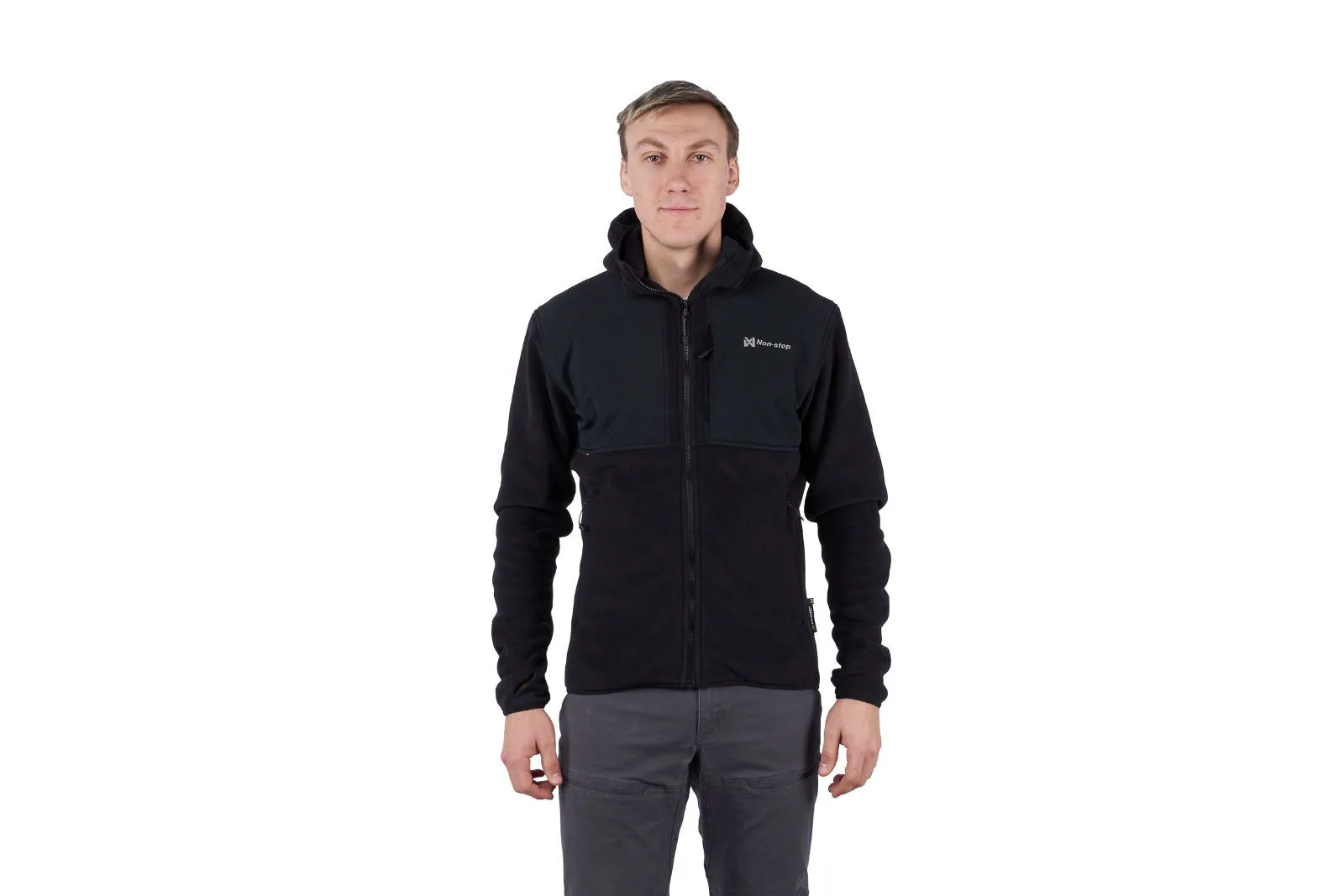
A softshell jacket typically provides more abrasion resistance and stretch, making it versatile for hiking, climbing, or everyday wear. However, softshells often sacrifice breathability and packability compared to a running-specific jacket. They can feel bulky or overly warm when your pace picks up, and they may not have the same windproofing focus on the front panel.
If your runs are short and you spend more time walking or standing, a softshell might be sufficient. But for sustained running, the Windtherm's targeted protection and quick-drying properties are harder to beat.
How to choose between Windtherm and softshell
- Windtherm for focused running: Choose the Windtherm Jacket 2.0 if your runs are the priority. Its wind-blocking front, brushed inside, and quick-drying fabric are built for the demands of running in cold weather. You get targeted warmth where you need it and breathability where you don't. If you run regularly in windy or cool conditions, the Windtherm is the more specialized pick.
- Softshell for mixed activities: Pick a softshell if you need one jacket for running, hiking, and everyday wear. Softshells are often more durable and stretchy, but they may not wick moisture as effectively during high-effort runs. Consider how often you'll use the jacket beyond running before choosing a softshell.
- Temperature and intensity trade-off: The Windtherm's brushed interior adds warmth, making it ideal for cooler days. On milder days or high-intensity intervals, you might find it too warm; a softshell with less insulation could be more comfortable. Match the jacket to the temperature and your expected effort level.
Product facts
-
Windtherm Jacket 2.0 - Black: The Windtherm Jacket 2.0 features a wind-blocking and water-repellent front panel, a brushed interior for warmth, and quick-drying properties. This combination keeps your core warm and dry during windy runs without overheating, making it a reliable cold-weather running layer.
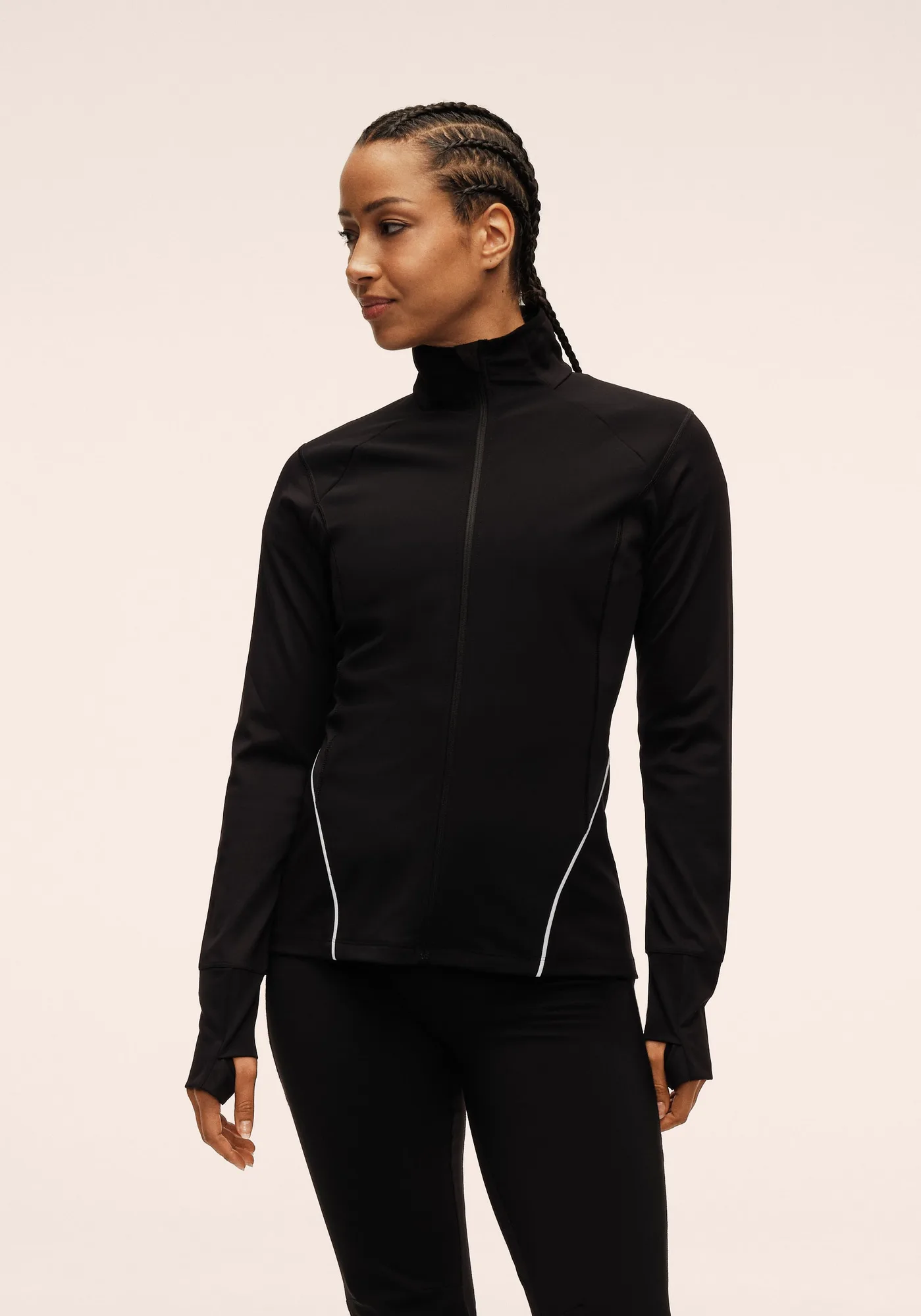
Windtherm Jacket 2.0 - Black
Who should choose which
Best for
- Runners who train outdoors in cold, windy conditions and want a layer that blocks wind without overheating
- Those who prioritize quick-drying, breathable fabrics and running-specific features like thumbholes and back pockets
Not for
- People who need a durable, all-purpose jacket for hiking, climbing, or everyday wear where abrasion resistance matters more than running performance