Winter can be a challenging time for birds. Natural food sources become scarce, temperatures drop, and energy demands soar. As a responsible bird enthusiast, you can make a real difference by providing reliable, high-quality feeders during the coldest months. With Birdbuddy’s ecosystem of smart feeders and accessories, you can not only feed birds effectively but also monitor their activity and adjust your setup based on real-time data.
This guide offers practical, actionable tips for winter bird feeding using Birdbuddy products. From choosing the right high-energy foods to protecting your feeder from snow and ice, we’ll cover everything you need to know to keep your backyard birds healthy and happy until spring. Whether you’re a seasoned birder or new to winter feeding, these strategies will help you attract a wider variety of species and turn your yard into a cold-weather haven.
Why Winter Feeding Matters More Than Ever
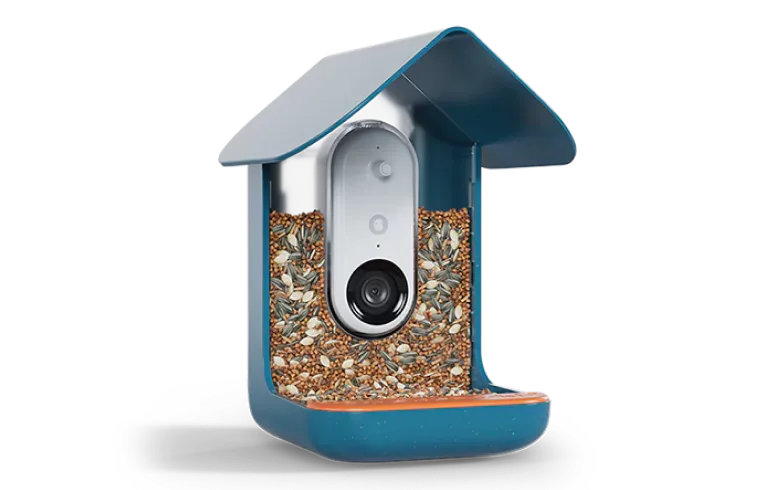
During winter, birds burn through calories at an astonishing rate just to maintain their body temperature. A single chickadee may need to eat the equivalent of 10% of its body weight each day in cold weather. By offering dependable food sources, you help birds survive storms, frosty nights, and barren landscapes. Smart bird feeders like the https://nexaelectroai.shop/products/birdbuddy-pro-solar-221217Birdbuddy Pro Solar allow you to monitor feeder activity remotely, so you always know when supplies are running low—a critical advantage when winter conditions make outdoor checks difficult.
Consistency is key. Once birds discover your feeder, they rely on it. If the feeder empties for more than a day or two, they may move on to another territory. That’s why pairing a smart feeder with winter-friendly accessories—such as the Suet Ball Holder—can make your feeding station a dependable oasis. With a solar-powered design, your feeder stays operational even on cloudy winter days, reducing maintenance trips and ensuring birds never go hungry.
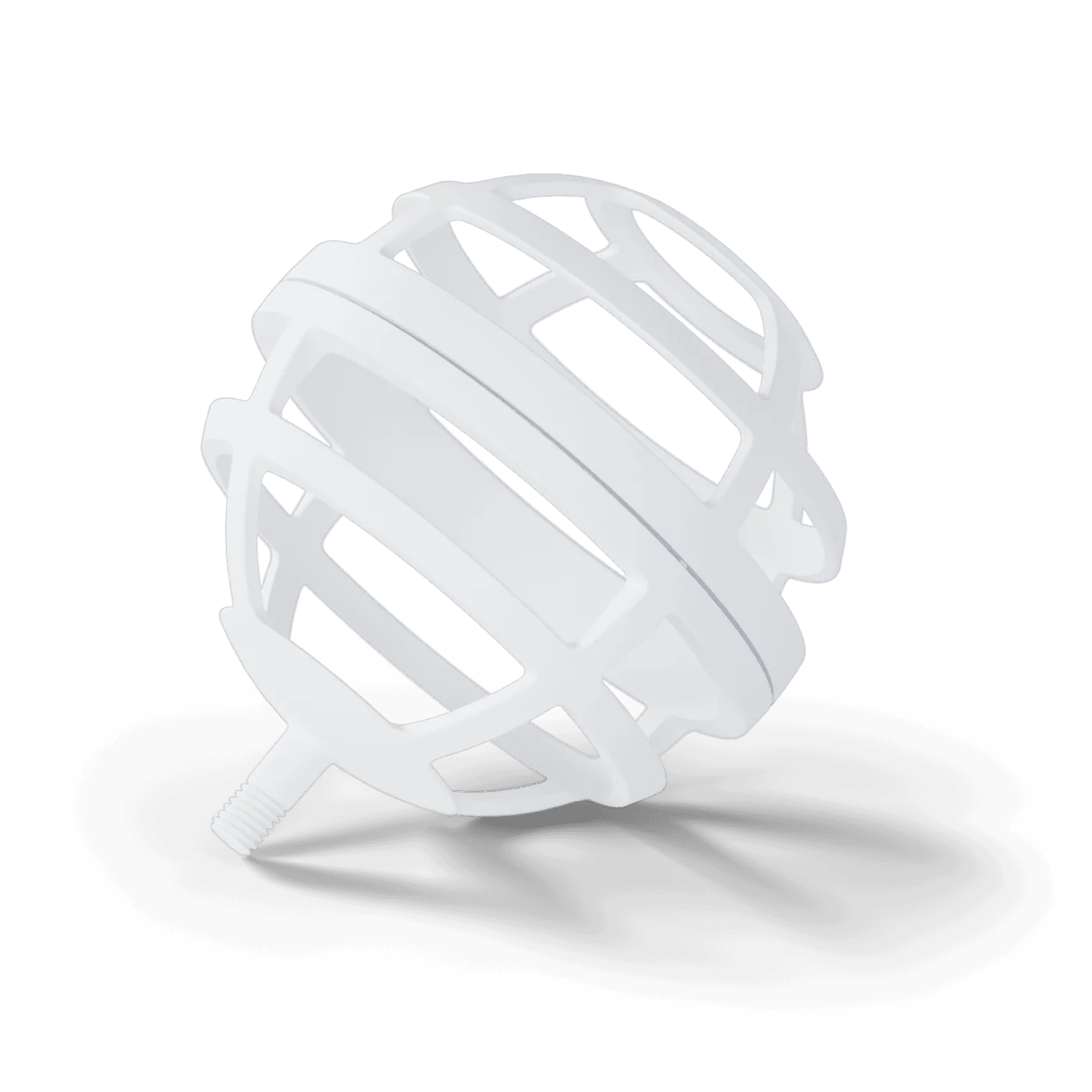
Suet Ball Holder
- Birds need high-fat, high-protein foods in winter to generate body heat and store energy.
- Smart feeders provide real-time notifications when food is low, helping you keep supplies consistent.
- Solar-powered models like Birdbuddy Pro Solar charge even in low winter light, reducing battery changes.
Best Food Choices for Cold-Weather Bird Feeding
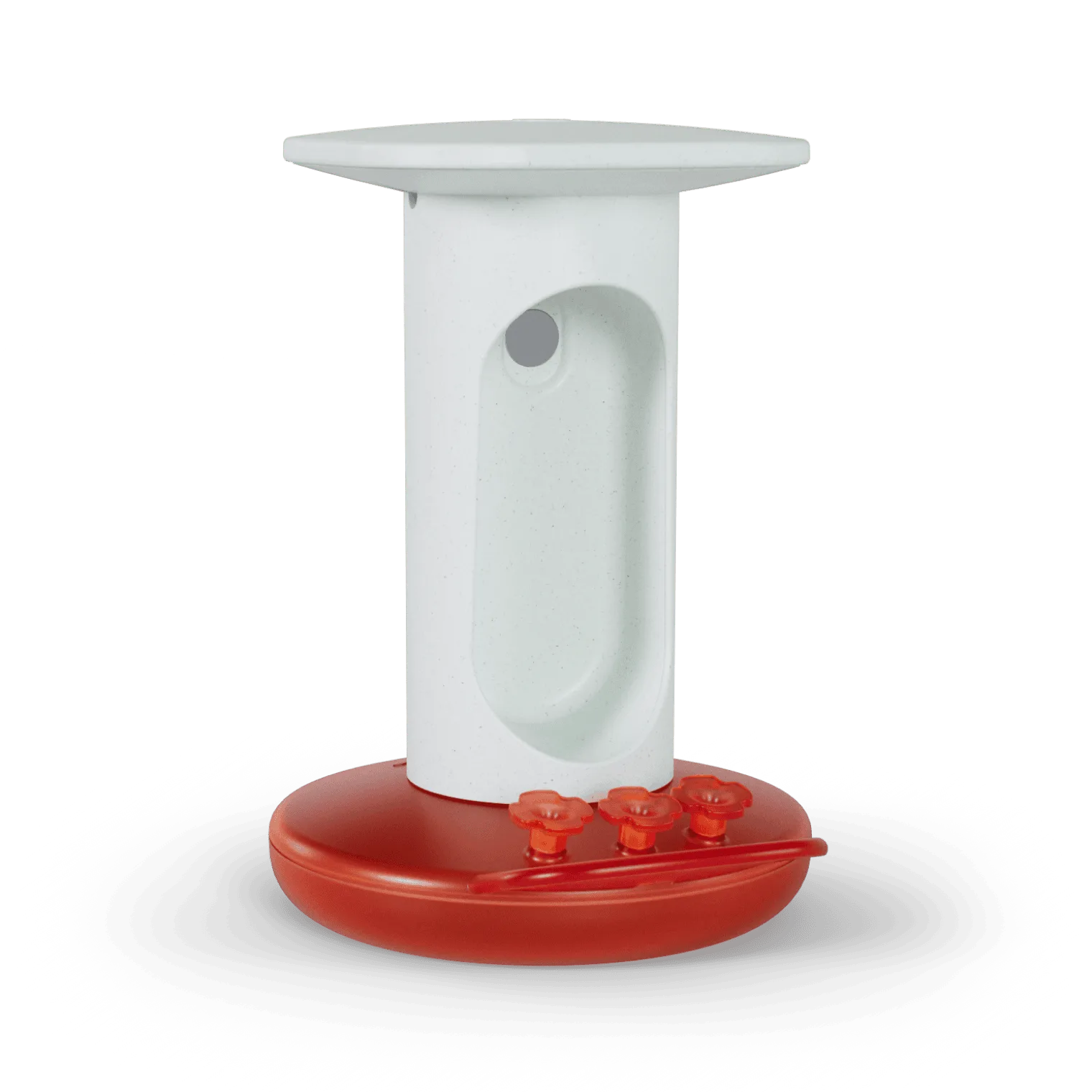
When temperatures plummet, birds crave calorie-dense foods. Suet is a winter favorite—pure fat that delivers quick energy. A Suet Ball Holder lets you offer suet without mess, and it’s easy to refill even with cold hands. Another excellent option is black oil sunflower seeds, which have a high meat-to-shell ratio and are loved by a wide range of species. For hummingbirds that may overwinter in warmer regions, a heated necter solution is vital; the Smart Hummingbird Feeder Pro includes features to help maintain liquid necter above freezing.
Don’t forget supplemental nutrition. The 3-in-1 Nutrition Set provides a convenient way to offer a mix of seeds, mealworms, and fruit. This variety attracts different bird species—from woodpeckers and nuthatches to blue jays and cardinals. Offering multiple food types in separate compartments ensures dominant birds don’t scare away smaller ones. Because the 3-in-1 Nutrition Set is modular, you can swap out ingredients based on what birds in your area prefer, making it a flexible and essential winter tool.
- Suet is the single best winter food—high fat, easy to store, and loved by woodpeckers, nuthatches, and chickadees.
- Incorporate black oil sunflower seeds, peanuts, and white millet for variety.
- For hummingbirds, use a necter mix with a higher sugar concentration (4:1 water-to-sugar ratio) to lower the freezing point.
Feeder Placement and Weather Protection
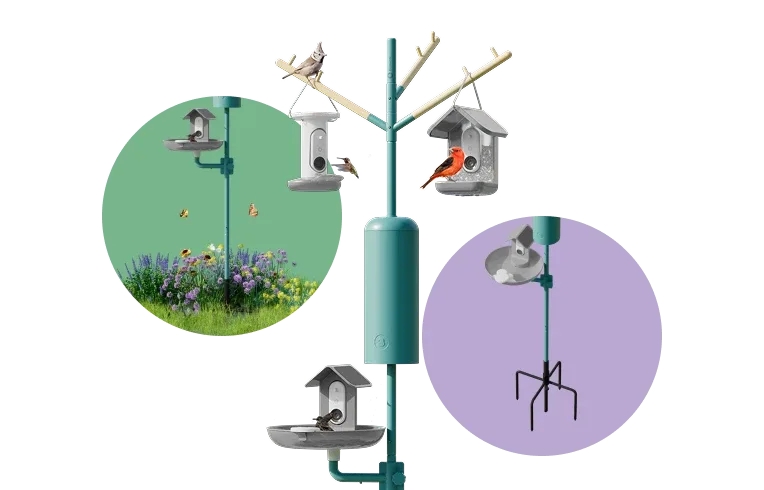
Where you place your Birdbuddy feeder in winter can dramatically affect both bird comfort and feeder performance. Avoid areas exposed to strong winds, which can chill birds and blow snow into the feeding ports. A sheltered spot under an overhang or near thick evergreens provides natural windbreaks. Additionally, aim for a location that receives some winter sun—this helps melt frost and encourages bird visits during the warmest part of the day.
If you’re using a smart feeder with a camera, positioning it close to a window (but within the safe distance of 3 feet) can prevent bird collisions and still give you great views. The Birdbuddy Pro Solar’s solar panel can be angled to catch southern sun, extending battery life even in shorter days. For feeders that don’t have built-in weather protection, consider adding the Smart Hummingbird Feeder Solar Roof as a shield against snow and rain. It also helps keep necter slightly warmer during cold snaps.
- Place feeders within 10–15 feet of shrubs or trees so birds have quick escape cover from predators.
- Keep feeders away from bird baths that may freeze and create slippery ice hazards.
- Angle solar panels toward the south (in the Northern Hemisphere) for best winter charging.
Winter Maintenance: Cleaning and Preventing Freeze-Ups
Cold weather doesn’t eliminate the need for regular cleaning—in fact, it can be even more important. Bird droppings and spoiled food can harbor bacteria and mold that weaken birds. Clean your Birdbuddy feeder every two weeks in winter with a mild soap and water solution. Rinse thoroughly and dry before refilling. The modular design of most Birdbuddy products makes disassembly straightforward, even with gloves on.
Freezing necter is a common challenge for hummingbird feeders. The Smart Hummingbird Feeder Pro includes an optional heater accessory (sold separately) that keeps necter liquid down to around 20°F. For seed feeders, simply shake off snow and ice daily. An alternative is to bring feeders indoors overnight if temperatures drop below 15°F, then hang them back out early in the morning. Using the 3-in-1 Nutrition Set’s removable trays, you can quickly swap out frozen sections without disturbing the whole feeder.
- Use warm water and a brush to clean feeding ports where bacteria accumulate.
- Never use bleach or harsh chemicals—white vinegar and water works well for sanitizing.
- Rotate feeders: keep one clean and dry indoors while the other is outside, reducing downtime.
Leveraging Birdbuddy’s Smart Features in Winter
One of the greatest advantages of using a smart bird feeder in winter is the ability to monitor activity without braving the cold. With the Birdbuddy app, you receive instant notifications when a bird visits, and you can view high-resolution photos and even short video clips. In winter, when birds are less active and often pass through quickly, these notifications help you catch species you might otherwise miss. You can also track which foods are being eaten most, allowing you to adjust your offerings.
The app’s community and species identification features are especially fun during quieter winter months. You can share sightings with other Birdbuddy users in your region and compare species lists. For those with multiple feeders, the app lets you manage each one separately—check battery levels, fill status, and even set a “low food” alert. This ensures that even on the shortest, coldest days, you stay connected to your avian visitors without ever leaving the warm indoors.
- Turn on motion alerts to know exactly when activity picks up (often around midday).
- Use the photo gallery to review rare winter visitors like pine siskins or redpolls.
- Set a low-food alert threshold (e.g., 25% capacity) so you can refill before it’s empty.
With the right approach and a few key Birdbuddy products, winter bird feeding becomes a rewarding, low-stress experience. By choosing high-energy foods, protecting your feeder from the elements, and using smart features to stay informed, you’ll support local birds through the toughest season. Take the first step toward a thriving winter birdscape by exploring the Suet Ball Holder—it’s a simple upgrade that makes a huge difference in keeping your feathered friends energized all season long.