When we think of World War II, images of tanks, rifles, and ration kits come to mind. But one humble object quietly supported both soldiers and civilians: the wire hanger. Often overlooked in collections and reenactments, the wire hanger was a multipurpose tool that kept uniforms crisp, gear organized, and even served in field repairs.
For reenactors and history enthusiasts, understanding the utility of wire hangers adds depth to an impression. They are a small but authentic detail that connects modern hobbyists to the everyday realities of the 1940s. This article explores how wire hangers were used on the front lines and the home front, and why they remain a relevant accessory for collectors today.
The Wire Hanger on the Battlefield: More Than a Clothes Hanger
In military barracks and field camps, wire hangers were essential for maintaining uniforms. Soldiers used them to hang wool tunics, trousers, and overcoats, preventing wrinkles and extending garment life. The lightweight, collapsible design made them easy to pack in duffel bags or footlockers.
Beyond hanging clothes, wire hangers were repurposed for countless tasks. They became makeshift antennas for radios, tools for retrieving dropped items, and even supports for camouflage netting. Their flexibility and strength made them a favorite for field expedients, from repairing equipment to creating simple hooks for gear.
For reenactors aiming for authenticity, including a period-correct wire hanger in a display or kit adds realism. Pair it with properly maintained uniforms, such as those used with Griffin Shoe Polish, Brown to keep footwear and leather goods in top condition.
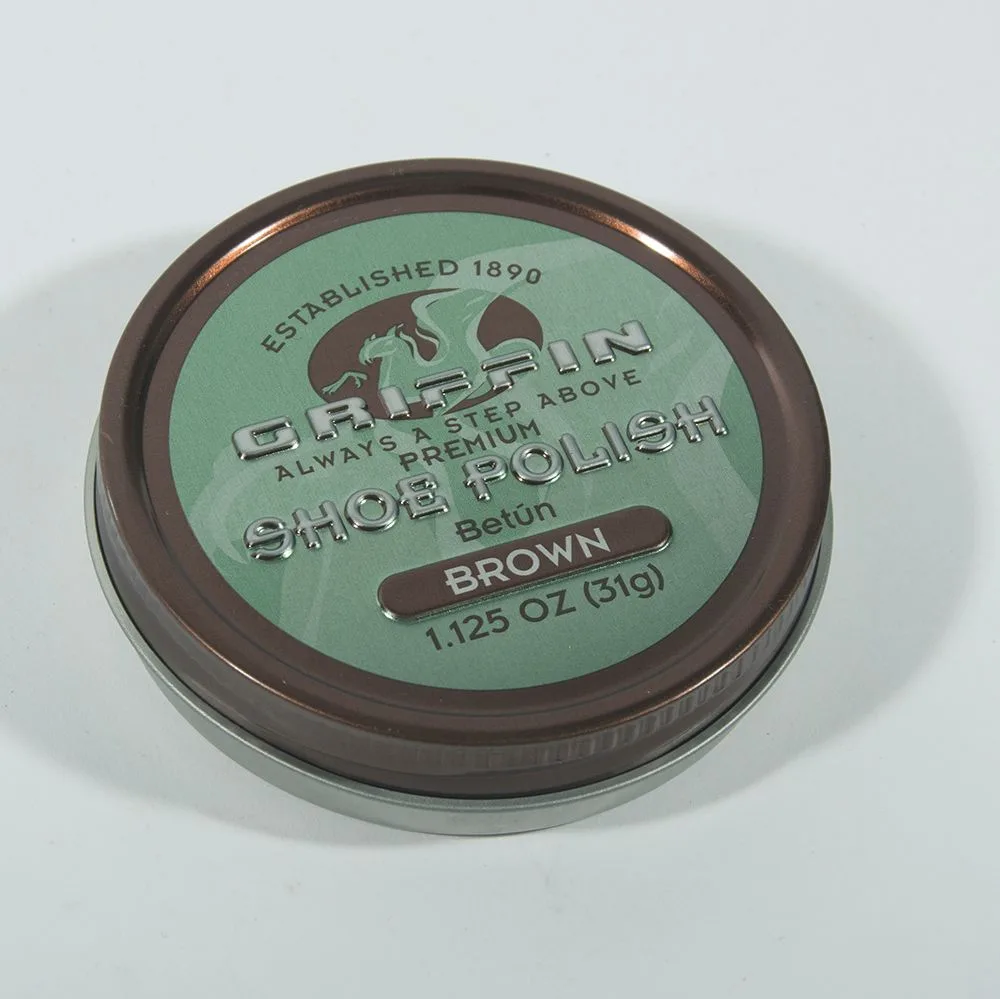
Griffin Shoe Polish, Brown
- Use wire hangers to store wool uniforms without creasing.
- Bend a hanger into a hook for hanging gear on tent poles.
- Straighten a hanger to create a cleaning rod for rifle barrels.
Home Front Utility: Recycling and Rationing
On the home front, wire hangers were a symbol of wartime thrift. With metal rationing in effect, families saved every scrap. Wire hangers were reused dozens of times, often straightened and rebent for new purposes. They held curtains, supported plants, and even served as makeshift toy parts.
The iconic phrase "Wire hangers?" from the 1981 film 'Mommie Dearest' actually reflects a post-war abundance. During the war, wire hangers were precious. Many households had just a few, carefully maintained. They were also collected in drives to recycle metal for war production, including aircraft and ammunition.
Collectors today can find original 1940s wire hangers at flea markets or estate sales. They often bear the patina of age—slight rust or bent shapes that tell a story. For a complete home front display, consider adding items like the https://wildernessworks.shop/products/506th-unit-crest-pair-99249506th Unit Crest (Pair) to represent family members serving overseas.
- Look for hangers with visible rust or wear for authenticity.
- Pair home front displays with period clothing and ration books.
- Use wire hangers to hang reproduction flags or posters.
Wire Hangers in Reenactment: Small Details That Matter
Reenactors know that authenticity lies in the details. A wire hanger in a footlocker or barracks bag shows attention to historical accuracy. It also serves practical purposes: hanging a uniform to air out after a long day, or holding a helmet liner for display.
When building a German or American impression, small accessories elevate the kit. For example, pairing a wire hanger with a properly displayed Fallschirmjäger Helmet Spanner Bolts ensures your paratrooper gear looks both functional and period-correct. The hanger can also hold a field cap or scarf.
Beyond uniforms, wire hangers help organize gear during events. Use them to hang canteens, mess kits, or even a field phone. They keep items off the ground and reduce wear. For collectors, a simple wire hanger is a low-cost way to display original items like the Infantry Assault Badge, Silver without damaging the medal.
- Bend a hanger into a stand for displaying a helmet.
- Use a hanger to hang a field jacket for airing out.
- Attach a hanger to a tent pole for hanging a lantern.
Collecting and Preserving Wire Hangers from the WWII Era
Collecting wire hangers might seem niche, but they are a tangible link to the past. Original WWII-era hangers are typically made of thicker gauge steel than modern versions, often with a black or silver finish. Some bear manufacturer stamps or patent numbers, adding historical value.
To preserve a vintage wire hanger, clean it gently with a dry cloth. Avoid removing all rust, as a patina adds character. Store them in a dry place to prevent further corrosion. For display, consider grouping several hangers with a period uniform or gear set.
A well-curated collection might include hangers from different branches—Army, Navy, or Marine Corps. Each tells a story of the soldier who used it. For a complete impression, combine them with other utility items like the Original Cut Down M1905 Bayonet, Grade 2 to show the range of field equipment.
- Inspect hangers for manufacturer markings.
- Display hangers with a period uniform to show context.
- Avoid over-restoring; light rust is acceptable.
Wire hangers may seem trivial, but they embody the resourcefulness of the WWII era. Whether you're a reenactor, collector, or history buff, adding a simple wire hanger to your kit or display honors the everyday ingenuity of those who lived through the war. Explore our collection of authentic reenactor accessories and gear to build a complete, historically accurate impression.