Choosing between wired and Wi-Fi security cameras is one of the most important decisions for your home security setup. Each type offers distinct advantages and trade-offs in installation, reliability, video quality, and flexibility. Lorex provides both wired PoE (Power over Ethernet) and Wi-Fi camera systems, so you can tailor your security to your specific needs.
In this comparison, we'll break down the key differences between wired and Wi-Fi cameras, explore the best Lorex systems for each category, and help you decide which connection type is right for your home. Whether you prioritize maximum reliability or easy installation, this guide will clarify your options.
Understanding Wired PoE Cameras
Wired PoE (Power over Ethernet) cameras transmit both power and data over a single Ethernet cable. This connection method offers a stable, high-bandwidth link that supports higher resolutions and advanced features like continuous recording and smart analytics. Because they're hardwired, they're not susceptible to Wi-Fi interference or signal dropouts.
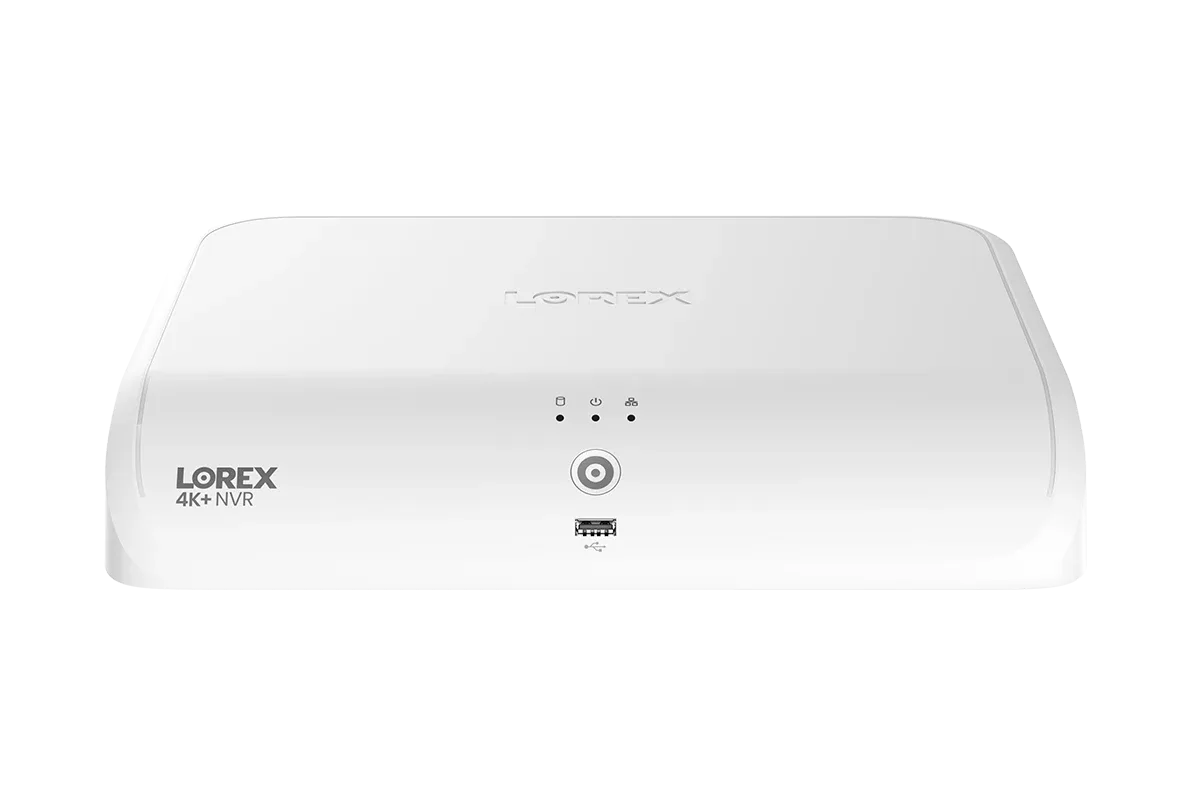
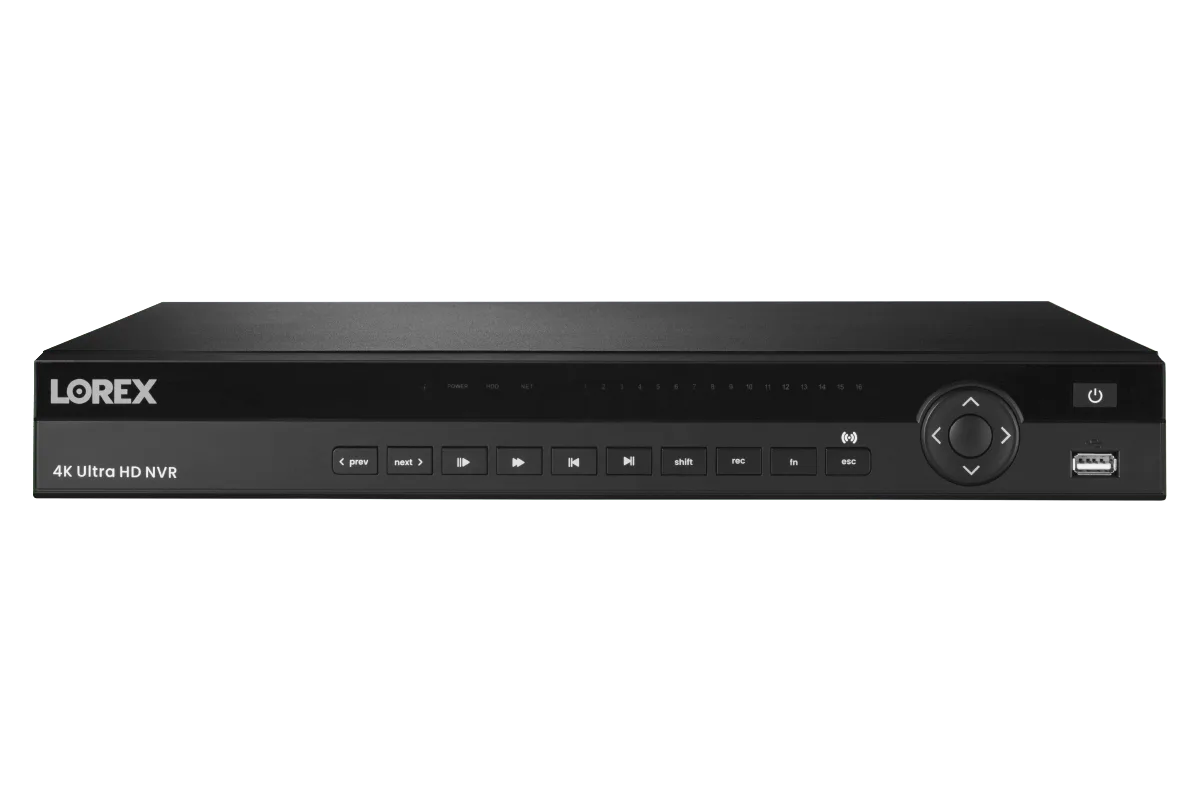
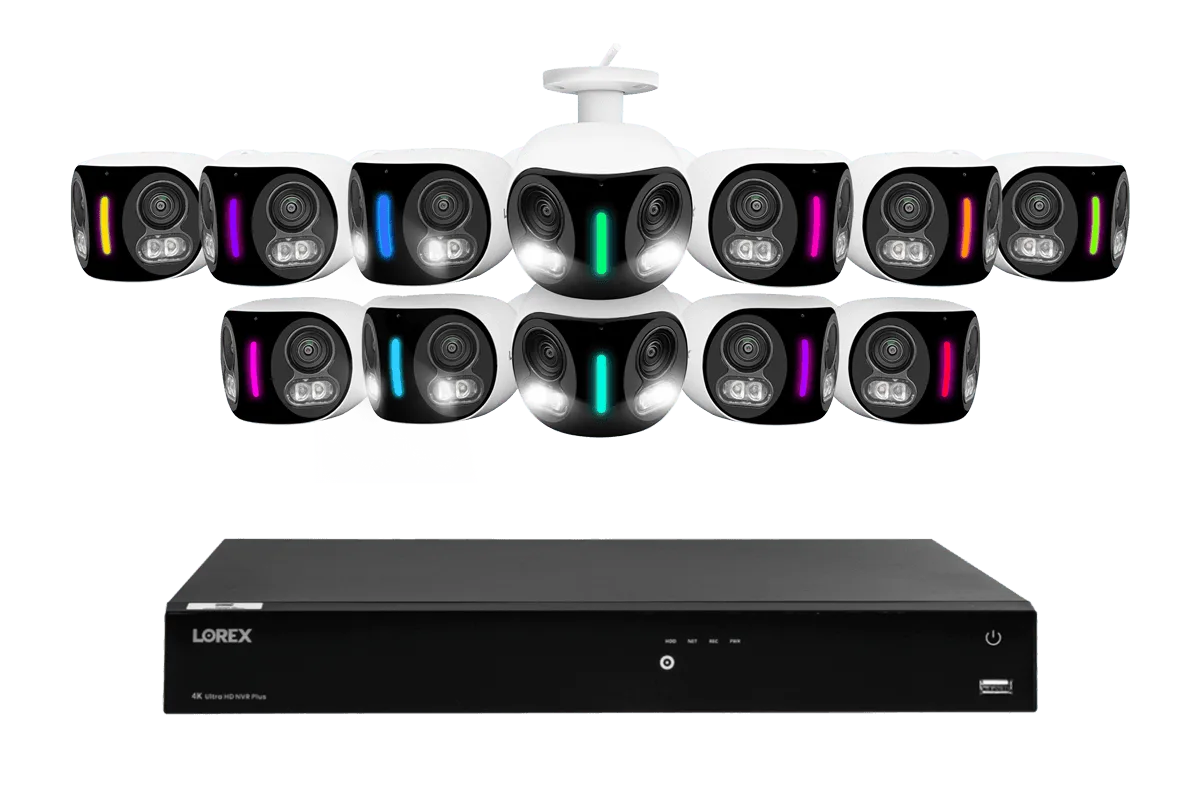
Lorex wired systems, such as the Lorex Fusion Series 4K 16 Camera Capable (Wired or Fusion Wi-Fi) 4TB Wired NVR System with Seven H16 IP Dome Cameras, provide a robust foundation for whole-home surveillance. With a centralized NVR, you can manage multiple cameras from one interface, ensuring consistent recording and easy access to footage.
- Pros: Reliable connection, no Wi-Fi interference, higher bandwidth, supports 4K and higher resolutions, continuous recording without gaps.
- Cons: Requires running Ethernet cables, professional installation may be needed, less flexible to relocate once installed.
Understanding Wi-Fi Cameras
Wi-Fi cameras connect to your home network wirelessly, making them incredibly easy to install and reposition. They're ideal for renters or homeowners who want a flexible security solution without drilling holes for cables. Modern Wi-Fi cameras, like the https://gadgetguardai.shop/products/lorex-4k-spotlight-battery-wi-fi-security-camera-218089Lorex 4K Spotlight Battery Wi-Fi Security Camera, offer impressive video quality and smart features, including motion detection and two-way audio.
However, Wi-Fi cameras depend on your network strength and can be affected by interference from walls, appliances, or other devices. They also require regular battery charging unless they're plugged into an outlet. For areas with strong Wi-Fi coverage, they provide a convenient and effective security option.
- Pros: Easy DIY installation, flexible placement, no cable management, ideal for temporary setups or rentals.
- Cons: Dependent on Wi-Fi strength, potential interference, battery maintenance, may have slight video lag.
Comparing Reliability and Video Quality
When it comes to reliability, wired PoE cameras have a clear edge. They maintain a constant connection and are not affected by network congestion or Wi-Fi dead zones. This ensures that you never miss a critical moment. Video quality is also superior with wired systems, as they can handle higher bitrates and resolutions without compression artifacts.
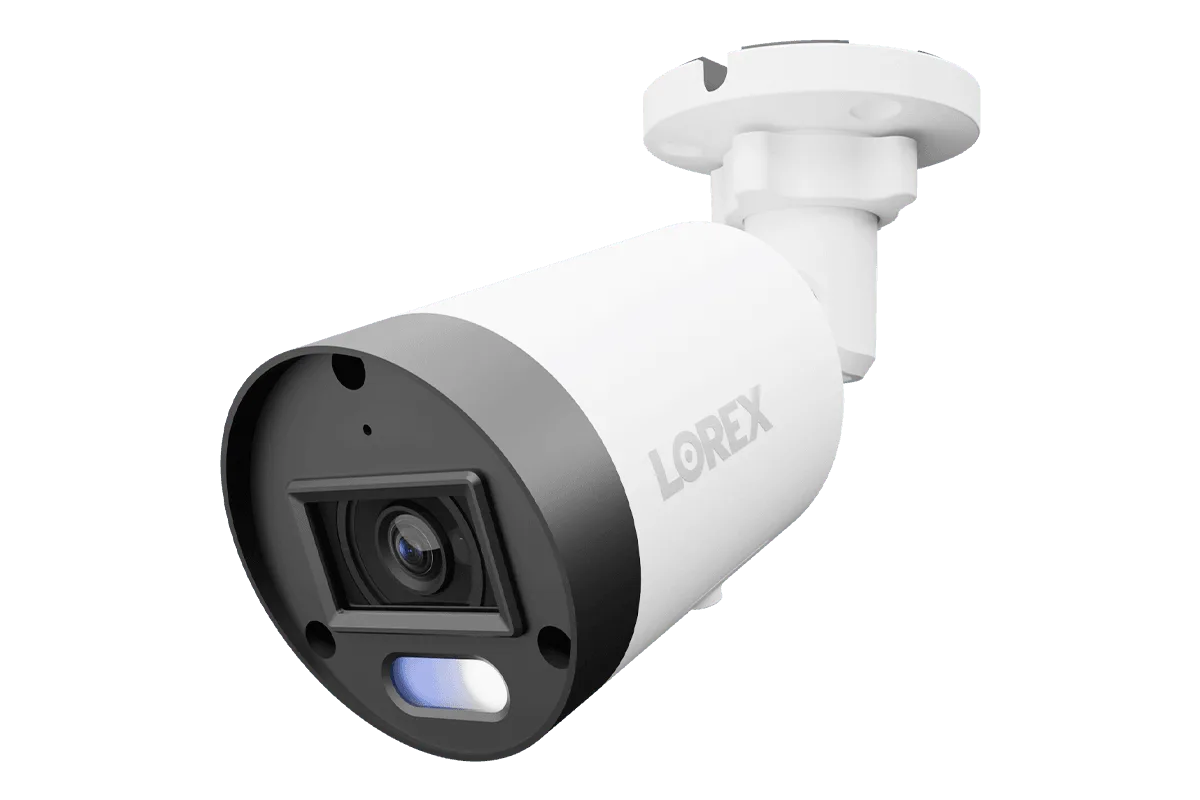
Wi-Fi cameras have improved significantly, with many now offering 4K resolution. The https://gadgetguardai.shop/products/lorex-h20-4k-ip-wired-dual-lens-security-camera-with-smart-security-lighting-218091Lorex H20 4K IP Wired Dual Lens Security Camera with Smart Security Lighting and Smart Motion Detection, for example, delivers exceptional clarity, but a wired connection ensures that this quality is sustained even during peak network usage. If you need uncompromised footage, wired is the way to go.
- For mission-critical areas like front doors or driveways, consider wired cameras for uninterrupted monitoring.
- Use Wi-Fi cameras in areas where wiring is impractical, such as a garden shed or a detached garage.
Installation and Flexibility
Installation is where Wi-Fi cameras truly shine. You can set them up in minutes without special tools or technical expertise. The Lorex Connect 2K Wi-Fi Battery-Powered Camera is a perfect example of a plug-and-play solution that you can place on a shelf or mount with simple brackets. This flexibility allows you to adjust camera angles or move them as your needs change.
Wired systems require more planning and effort. You'll need to run Ethernet cables through walls or ceilings, which might involve drilling and fishing cables. However, once installed, they're a permanent, low-maintenance solution. If you're comfortable with DIY projects or can hire a professional, the long-term benefits of a wired system often outweigh the initial hassle.
- Plan your camera placements before installing a wired system to minimize cable runs.
- For Wi-Fi cameras, test the signal strength in the intended location before mounting.
Hybrid Systems: The Best of Both Worlds
Why choose when you can have both? Lorex Fusion systems combine wired and Wi-Fi cameras on a single NVR, giving you the reliability of PoE for critical areas and the flexibility of Wi-Fi for less demanding spots. For instance, the Lorex Fusion 4K 16 Camera Capable (8 Wired and 8 Wi-Fi ) Network Video Recorder allows you to mix and match up to 16 cameras, tailoring your coverage to your property's unique layout.
This hybrid approach is ideal for larger homes or properties where some areas are difficult to wire. You can use wired cameras for the perimeter and Wi-Fi cameras for indoor monitoring or outbuildings. It also provides redundancy—if one connection type fails, the other continues to protect your home.
- Start with a hybrid system to future-proof your security setup.
- Use wired cameras for high-traffic areas and Wi-Fi for secondary coverage.
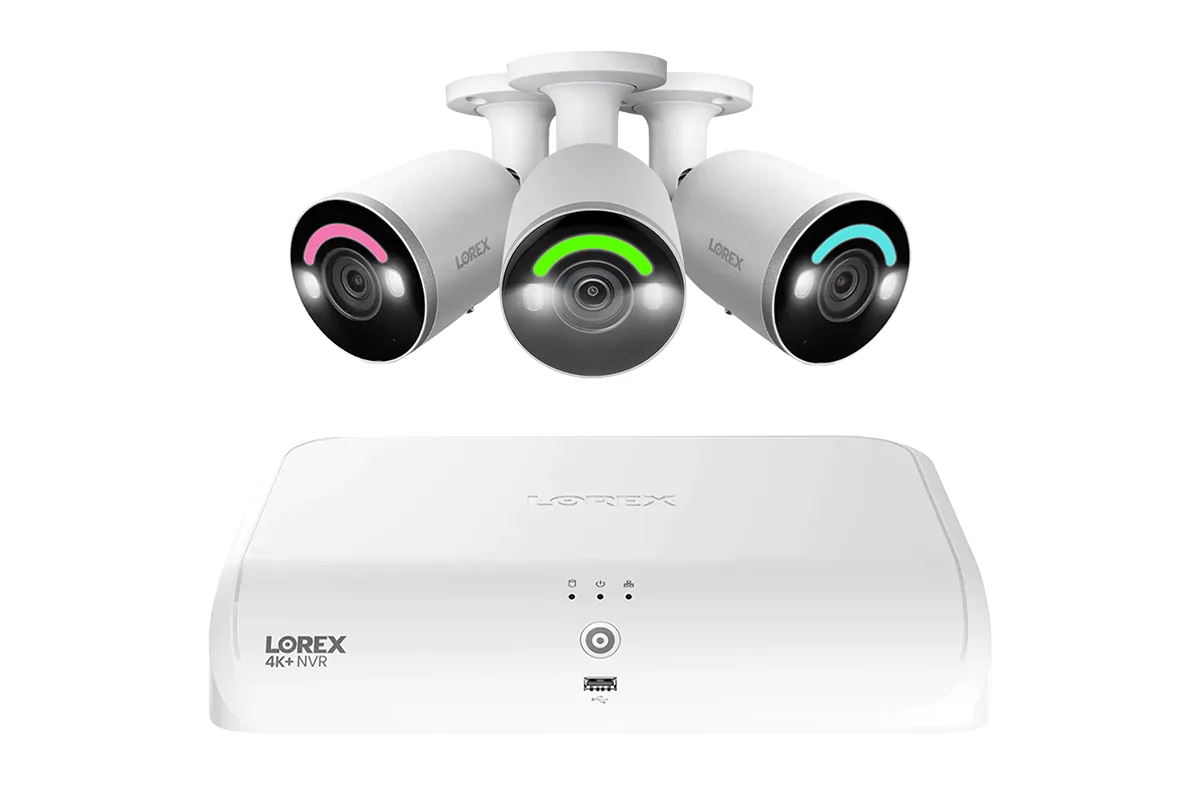
Ultimately, the choice between wired and Wi-Fi cameras depends on your priorities. If you value maximum reliability and video quality, a wired PoE system is the best investment. If you prefer easy installation and flexibility, Wi-Fi cameras offer convenience without sacrificing too much performance. For many homeowners, a hybrid solution like the Lorex Fusion series provides the ideal balance. Explore the Lorex Fusion Series 4K 16 Camera Capable (Wired or Fusion Wi-Fi) 4TB Wired NVR System with H20 IP Dual Lens Cameras to see how you can combine both technologies for comprehensive security.