Quick answer
Choose a wired universal IEM such as the Noble Shogun or Wizard Sage Lot 1.10 if you prioritize sound quality, zero latency, and no charging. Choose a wireless model only if cable-free convenience matters more than those trade-offs. For commuting, wired IEMs with a secure fit work well; for studio work, wired IEMs are the practical default.
The real differences that matter
Wired IEMs connect directly to your source, so there is no battery, no Bluetooth codec, and no pairing step. That means consistent performance and no charging routine. Wireless IEMs trade some of that consistency for freedom of movement and no cable snagging. The trade-off is latency, battery life, and often a different sound profile due to digital processing. If you need reliable, repeatable sound, wired is the safer choice. If you need to move around untethered, wireless may be worth the compromise.
Commuting: what actually helps
For commuting, the best IEM is the one that stays put and blocks outside noise without constant fiddling. Wired IEMs with a good seal can do this well, and they never run out of power mid-trip. Wireless IEMs add convenience when you are moving between platforms or carrying a bag, but you will need to manage charging. If you often take calls or switch devices, wireless may be simpler. If you want the most consistent sound for the money, wired is still the stronger option.
Studio and critical listening
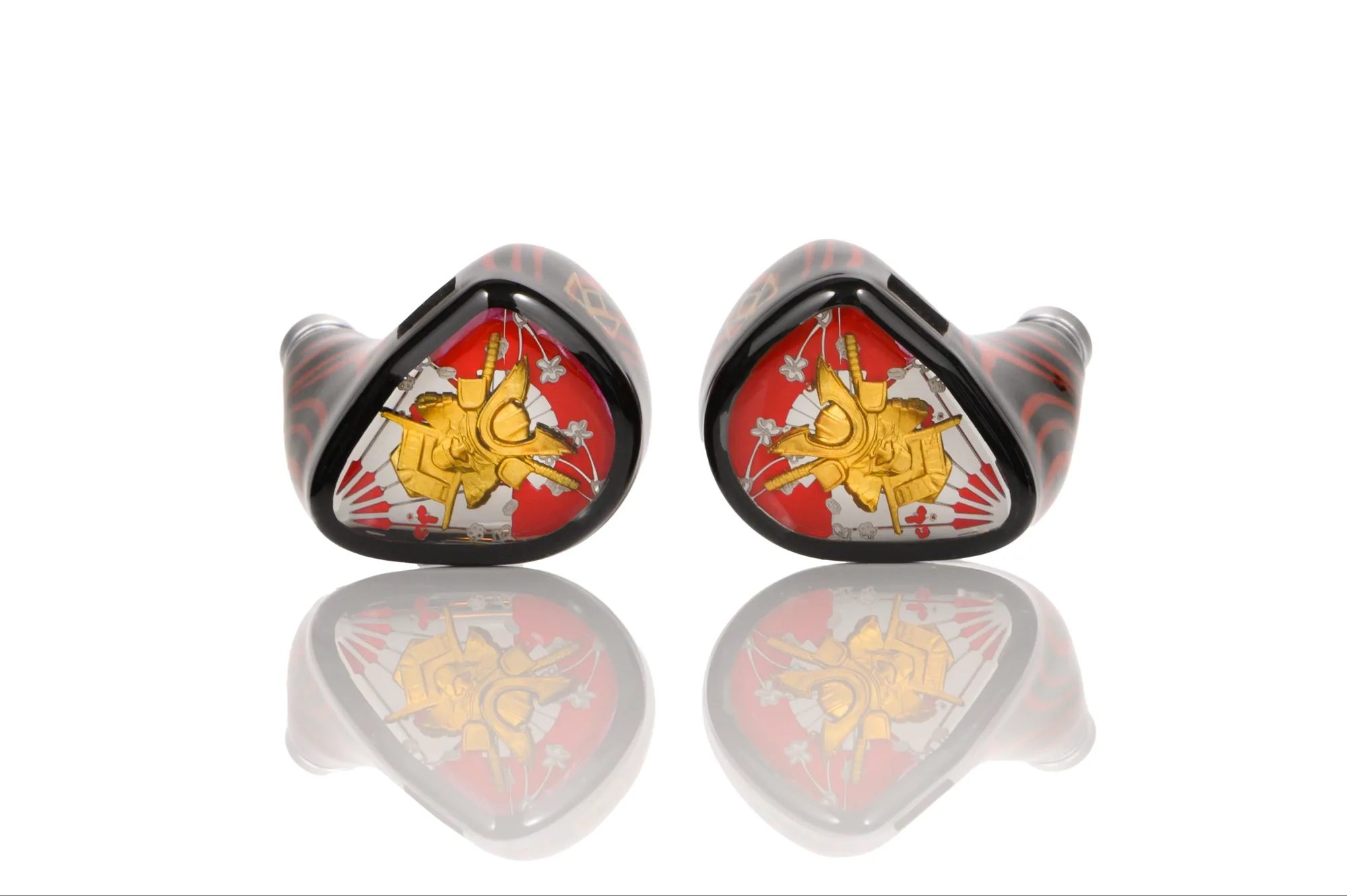
In a studio or critical listening session, wired IEMs are the default because they avoid wireless compression and latency. The Noble Shogun, with its 13-driver hybrid architecture and six balanced armature drivers, is built for detail and control. The Wizard Sage Lot 1.10 uses two proprietary balanced armature drivers for a full yet refined presentation. Both are wired universal IEMs, so they rely on your source and cable rather than internal wireless electronics. If your priority is monitoring accuracy, wired is the practical path.
Fit and comfort for long sessions
Fit affects both sound and stamina. A universal-fit IEM depends on the right tip and insertion depth to seal well. The Wizard Sage Lot 1.10 is a universal-fit design from the Wizard Universal category, so you can adjust tips to match your ear. The Shogun is also a universal-fit model, but its larger driver count may mean a different shell size. If you wear IEMs for hours, test the fit before committing. Wireless models often have a fixed shape that may not suit every ear, so try before you buy when possible.
Trade-offs to weigh before you buy
- Wired: no battery, no latency: Wired IEMs like the Shogun and Wizard Sage Lot 1.10 do not need charging and avoid wireless codec delays. Best if you want consistent sound and zero charging routine.
- Wireless: cable-free movement: Wireless IEMs let you move without a cable, but you must manage battery life and pairing. Choose wireless only if freedom of movement outweighs the charging habit.
- Fit decides long-term comfort: Universal-fit wired IEMs let you swap tips to get a seal; wireless models often have a fixed shape. Test the fit for at least 20 minutes before committing.
Noble Audio models at a glance
- Shogun: Equipped with a 13-driver hybrid architecture, including a dynamic driver for deep, controlled bass and six balanced armature drivers for rich, textured mids. This design targets listeners who want layered detail and strong low-end control from a wired universal IEM.
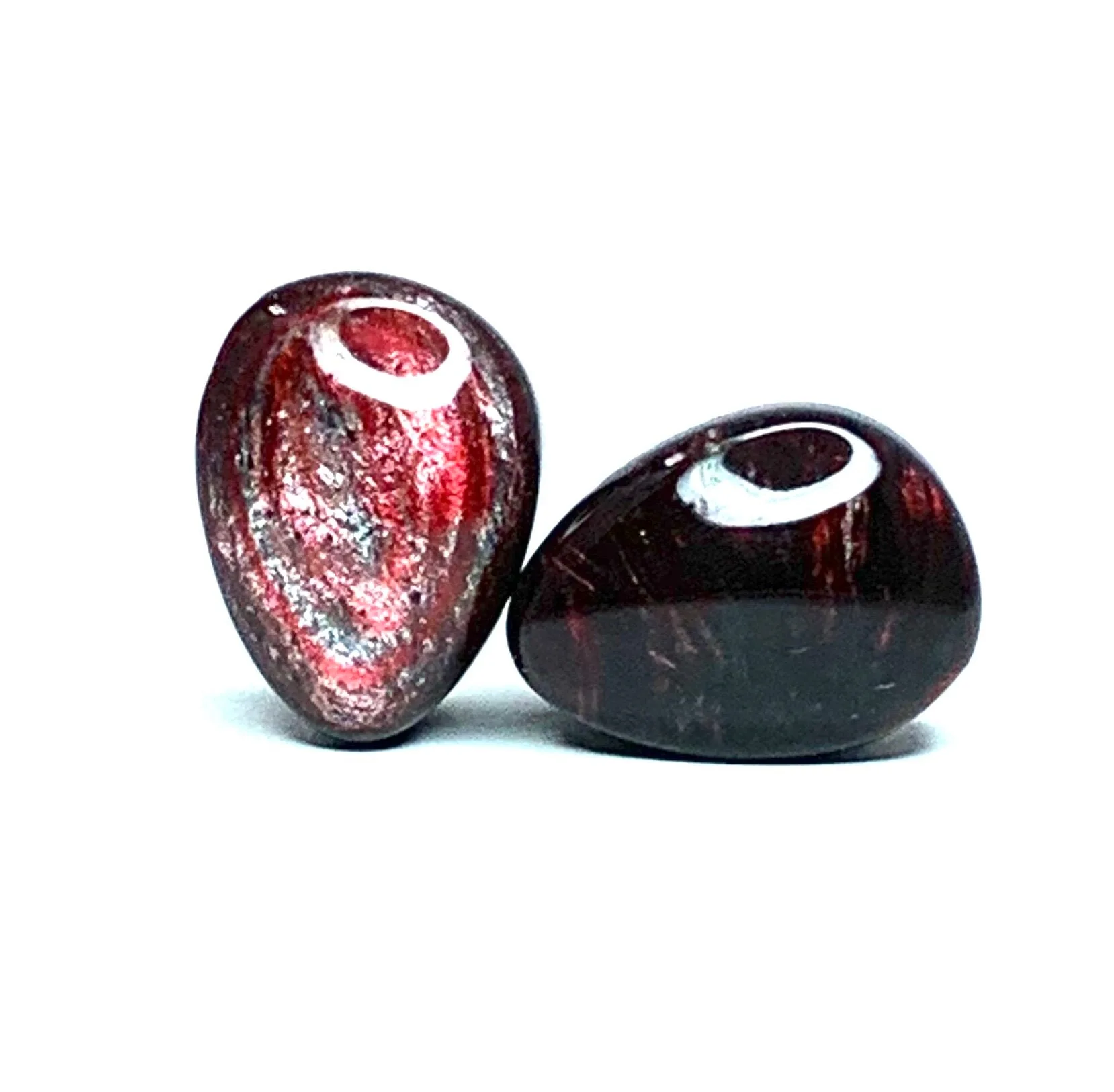
- Wizard Sage Lot 1.10: Built around two proprietary balanced armature drivers, delivering full yet refined music reproduction in a universal-fit design. A simpler driver setup can mean easier driving and a lighter fit, which suits long listening sessions or portable use.
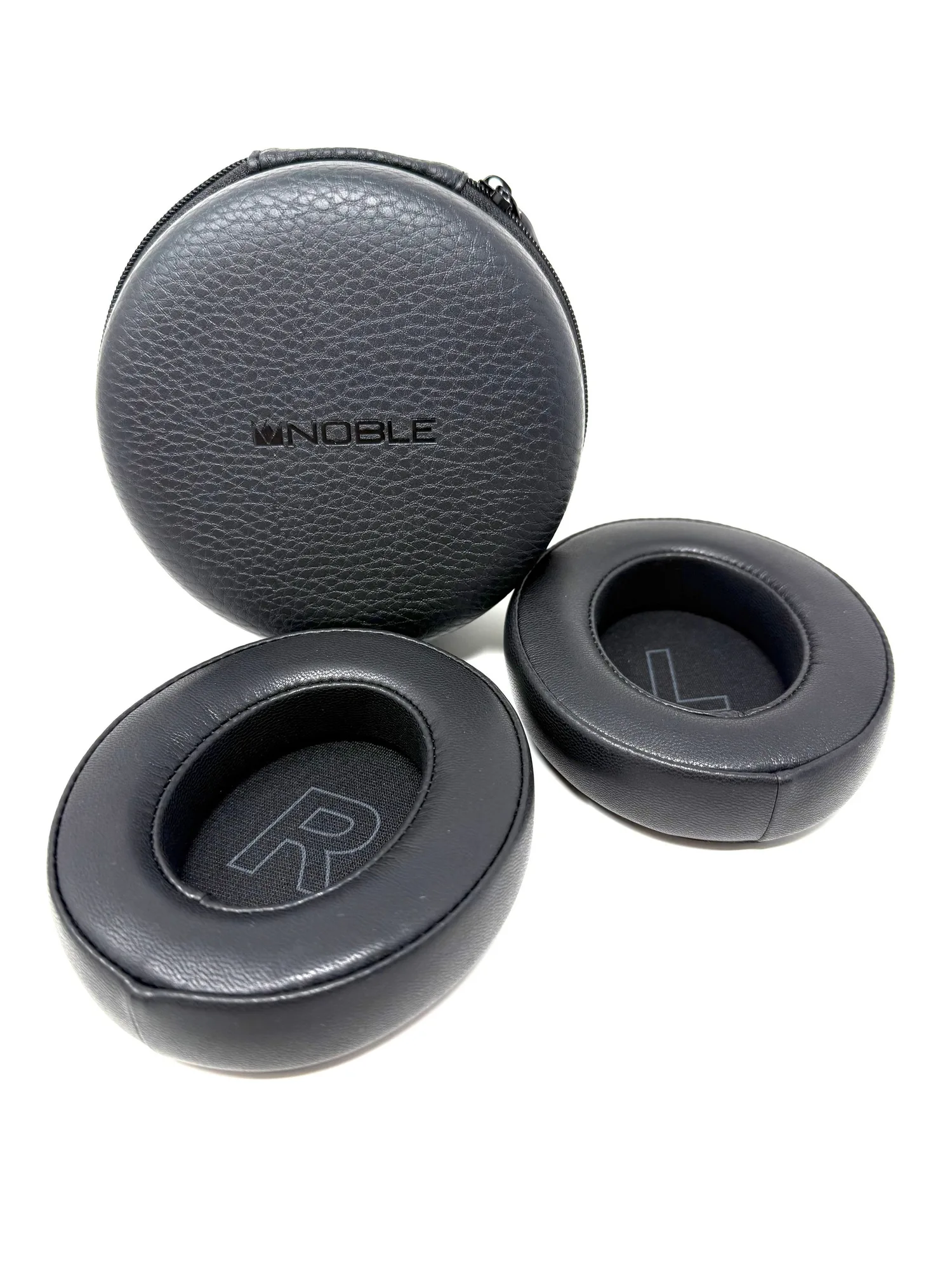
- Noble Apollo Replacement Earpads: Premium quality earpad replacements for the Noble Apollo, with instructions available on YouTube. If you own the Apollo, replacement pads keep the fit and comfort consistent over time.
Which should you choose?
Best for
- Listeners who prioritize sound quality and zero latency
- Studio or critical listening sessions
- Commuters who want no charging routine
Not for
- Users who need cable-free movement above all else
- Listeners who prefer built-in wireless features like ANC or app EQ
- Anyone who dislikes dealing with cables