Quick answer
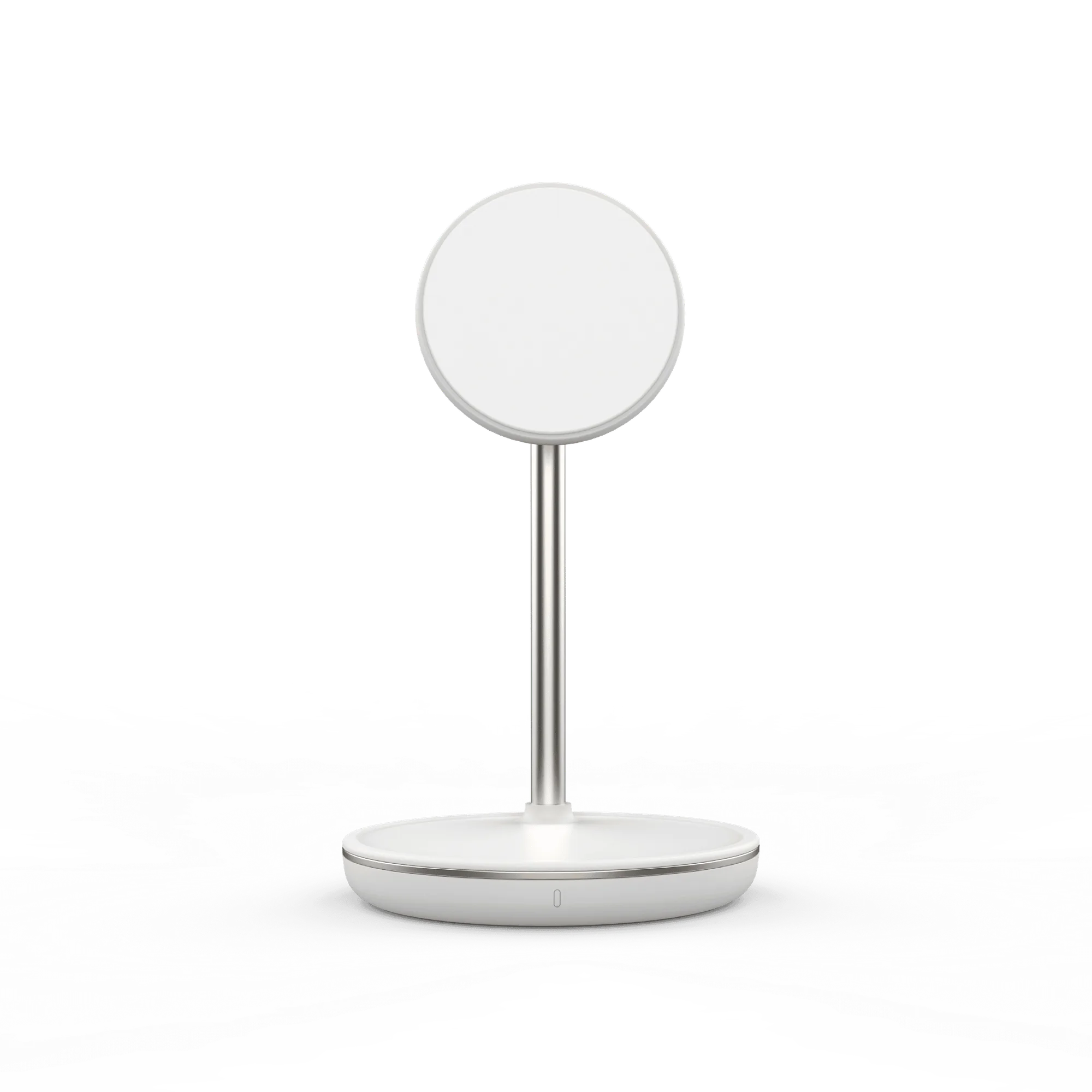
Choose a stand if you charge at a desk or bedside and want your phone upright, visible and consistently aligned. Choose a pad if you need something flat that slips into a bag or sits under a device you pick up often. For most people, a stand like the Juice MagTec 2-in-1 Wireless Charger earns its place on a desk because it holds alignment and charges a second device.
The real difference: alignment, not speed
Both pads and stands use Qi inductive charging, so the coil has to line up with your phone's coil for power to flow. A stand fixes the phone at an angle, which usually means you drop it into place and charging starts. A pad is flat, so you place the phone down and check that the coil is centred. If you have ever put a phone on a pad overnight and woken to a flat battery, alignment is usually the reason.
That single difference drives most of the buying decision. Stands trade portability for repeatable placement. Pads trade certainty for flexibility, because a flat surface can also charge earbuds cases and other Qi devices that do not sit well on an upright stand.
Where each one earns its place
A stand belongs where you look at your phone: a work desk, a bedside table or a kitchen counter. The upright angle keeps notifications visible and, on magnet-equipped models, the phone snaps into the charging position. That is the main wireless charging stand benefit, and it is why stands are the better default for a fixed daily charging spot.
A pad belongs where space is tight or the device changes. It lies flat, so it fits under a monitor riser, in a drawer or in a bag. It also handles a wireless earbuds case more naturally than most stands. If you move your charger between home, office and travel, a pad is easier to pack.
What to check before you buy
First, confirm your phone supports Qi wireless charging. If it does not, no pad or stand will help, and a cable is the honest answer. Second, decide whether you want one device charged or two: a 2-in-1 model can top up a phone and a pair of earbuds from one plug, which reduces cable clutter but takes more desk space.
Third, look at the case. Thick or metal-backed cases can block inductive charging, so test with your everyday case before committing. Fourth, think about the cable and adapter you already own. Many wireless chargers need a USB-C power source, and a weak adapter can slow charging even when the charger itself is capable.
If you would rather plug in
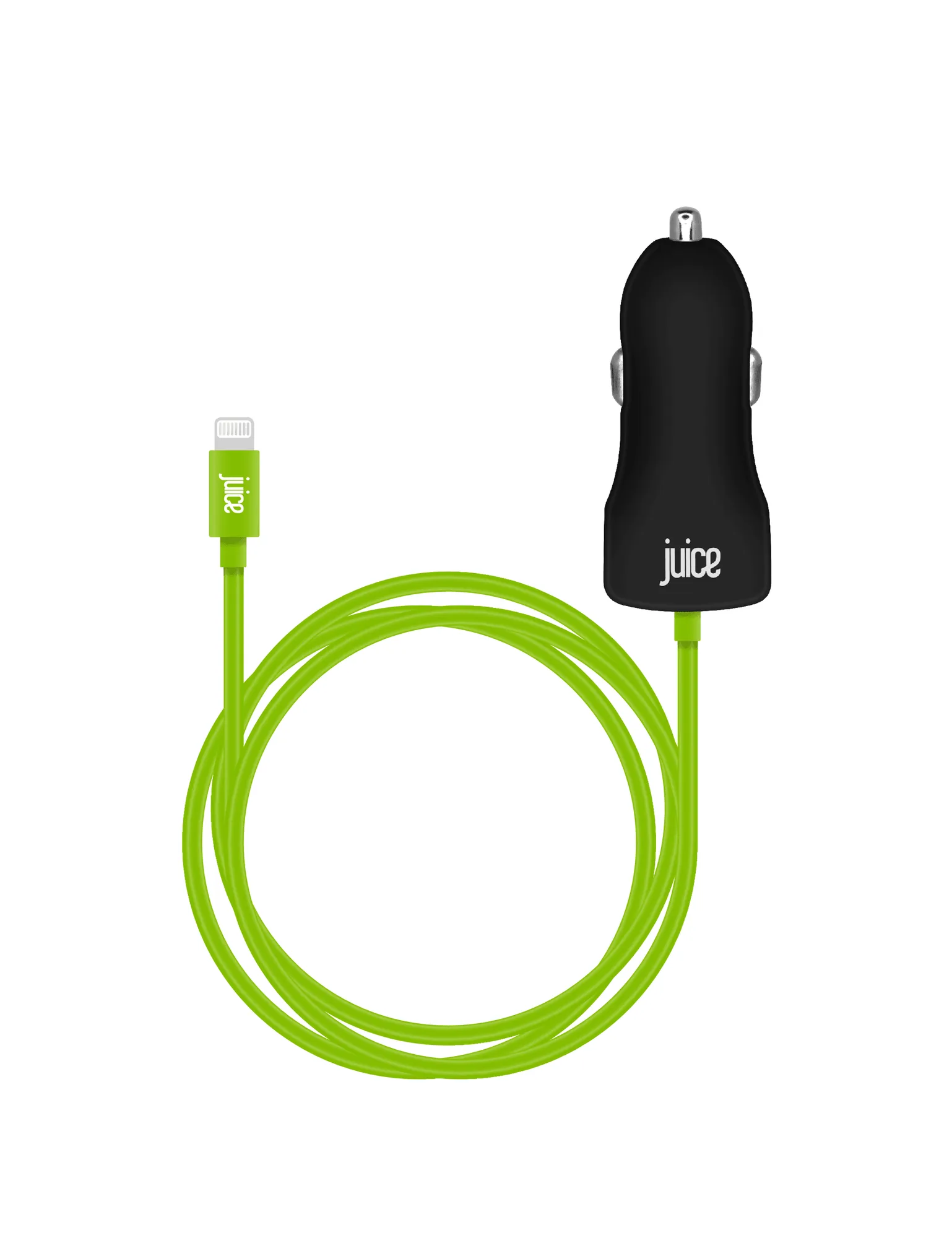
Wireless charging is convenient, not always fastest. If you need the quickest top-up in the car, a wired car charger still wins because it delivers power directly. The Juice 20W Integrated Lightning Car Charger uses an integrated cable, so there is no separate lead to lose, and it is a sensible pairing if you charge wirelessly at home but want speed on the road.
Trade-offs at a glance
- Stand: alignment and visibility: An upright stand holds the phone in the charging position and keeps the screen readable, which suits desks and bedside tables. Best if you charge in the same spot every day.
- Pad: flat and portable: A flat pad packs easily, fits tight spaces and charges earbuds cases more naturally, but you must centre the phone yourself. Best if you travel or charge several different devices.
- Wired: speed and certainty: A cable delivers power directly, so it is the quicker option in the car or when you are short on time. Keep a wired charger for travel and the car.
Products worth comparing
- Juice MagTec 2-in-1 Wireless Charger: Qi compatible wireless charging base that charges two devices at once and is described as perfect for TWS earphones, with a magnet that locks the phone into place. One stand covers a phone and earbuds, and the magnet removes the alignment guesswork that makes flat pads frustrating.
- Juice 20W Integrated Lightning Car Charger - Black: 20W Power Delivery Apple Lightning car charger with a 1.5 metre integrated cable, made from 100% recycled plastics, and cited as powering a phone to 75% battery in 45 minutes. A wired option for the car when you want fast charging without relying on a wireless pad.
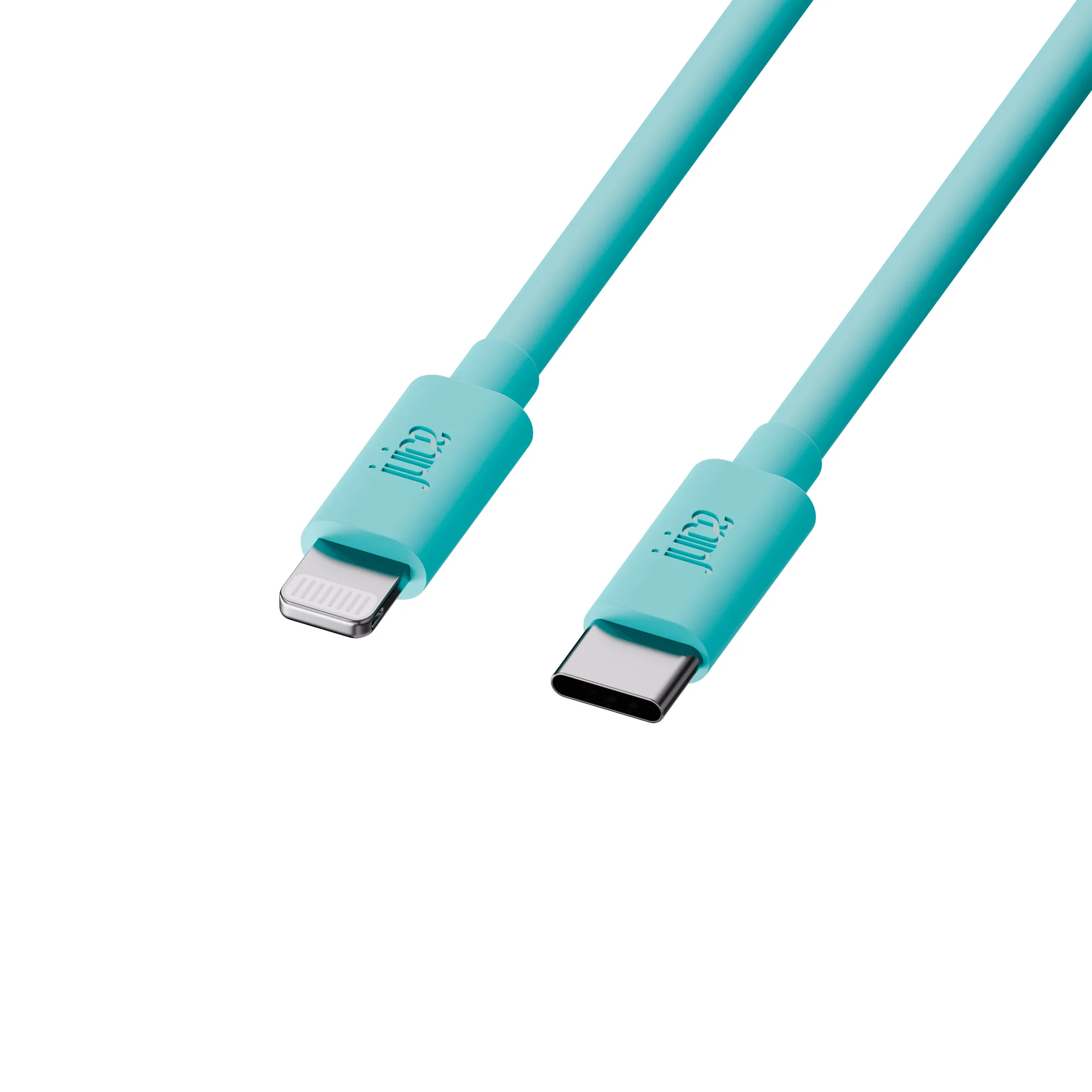
- Juice USB Type-C to Apple Lightning Charging Cable 2m: USB Type-C to Apple Lightning charging cable, 2 metres, in a white finish, with a USB-C connector for modern chargers and a Lightning connector for iPhone, iPad and iPod. A longer cable reaches a wall socket or laptop when your wireless charger's bundled lead is too short.
Which should you buy?
Choose a stand if
- You charge at a desk or bedside and want the phone upright and visible
- You want to charge a phone and earbuds from one base
- You want the phone to snap into position without checking alignment
Choose a pad or cable instead if
- You need a charger that slips into a bag or drawer
- You mainly charge a wireless earbuds case or a device that will not sit upright
- You need the fastest possible top-up, especially in a car