Quick answer
Most true wireless earbud battery problems are habit problems, not defects. Keep the earbuds out of direct sun and off hot chargers, store them in the case at room temperature, and stop draining them to zero on purpose. If the same earbud still loses charge twice as fast as its partner after two weeks of cooler, shallower charging cycles, the cell is aging and replacement is the honest answer.
Why wireless IEM batteries age faster than you expect
A true wireless earbud packs a tiny lithium cell into a shell that sits inside your ear, which means it runs warm by design and has almost no room for a heat sink. Every charge cycle adds a little internal resistance, and heat accelerates that process. The practical consequence: two identical earbuds treated differently can diverge in runtime within a single year, and one earbud dying before the other is a classic symptom of uneven heat exposure rather than a manufacturing fault.
Charging habits that actually shorten runtime
Charging overnight in a case on a windowsill, leaving the case plugged into a fast charger in a hot car, and running the earbuds to shutdown every day all push the cells harder than they need to be pushed. None of these will kill a battery in a week, but they compound. The fix is boring and effective: charge in a shaded, room-temperature spot, unplug the case once it is full, and top up in short sessions instead of waiting for zero.
- Charge in shade or indoors, never on a dashboard or radiator.
- Unplug the case after it reaches full rather than leaving it on power all day.
- Top up in 20-40 minute sessions when convenient instead of deep-discharging.
- Wipe sweat and earwax off the contacts before dropping the earbuds back in the case.
How to tell a drain problem from an aging cell
Before you blame the battery, rule out the cheap causes. A dirty charging contact can stop one earbud from charging fully, which looks exactly like fast drain. Bluetooth codec choice matters too: LDAC and other high-bitrate modes use more power than standard codecs, so a runtime drop that appeared right after you enabled a higher-quality mode is a settings story, not a battery story. Test by charging both earbuds to full, playing at a fixed volume for 30 minutes with noise cancelling off, and comparing the two. If they track within a few minutes, your battery is fine and something else changed.
When to stop troubleshooting and replace
Stop chasing fixes when runtime has fallen below roughly half of what you originally got, when one earbud consistently dies far earlier than the other after cleaning and a codec reset, or when the case itself no longer holds a charge between sessions. Sealed true wireless earbuds generally are not user-serviceable, so at that point the decision is replacement rather than repair. If you want to avoid the cycle entirely, a custom fit model with a detachable cable moves the wear item to a replaceable cable instead of a sealed cell.
Battery drain diagnosis: symptom, cause, action
- One earbud dies much sooner than the other: Usually a dirty or partially blocked charging contact, or that earbud is the one you habitually wear while the other sits in a warm pocket. Clean both contacts with a dry swab, then run a full charge and a timed 30-minute comparison. If the gap closes after cleaning, it was contact hygiene, not the cell.
- Runtime dropped right after a settings change: Higher-bitrate codecs and Active Noise Cancellation both increase power draw. Switch back to a standard codec with ANC off and repeat your normal listening session. If runtime recovers, keep the higher-quality mode for focused listening and accept the shorter sessions.
- Case loses charge while unplugged: The case cell is aging, or the case is being stored somewhere warm. Move it to a cool, dry spot and check whether it still holds a charge overnight. If it still self-discharges in a cool spot, the case is the failing part.
- Runtime is under half of original after two weeks of cooler, shallower charging: This is normal lithium aging, not something a habit change will reverse. Sealed true wireless earbuds are generally not user-serviceable. Stop troubleshooting here. Replace the earbuds, or move to a wired custom fit if you want the wear item to be a replaceable cable.
Noble models where these habits apply
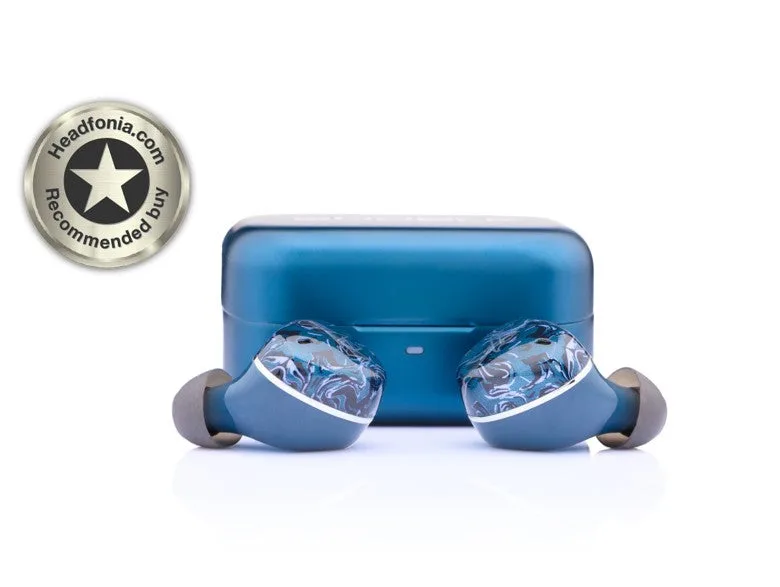
- Osprey: The Osprey is a hybrid dual-driver true wireless earphone with LDAC support, Active Noise Cancellation, and a premium aluminum charging case. LDAC and ANC both draw extra power, so expect shorter runtime in those modes and charge more often in short top-ups rather than deep cycles. The aluminum case also gets noticeably warm in direct sun, which is exactly the heat exposure you want to avoid.
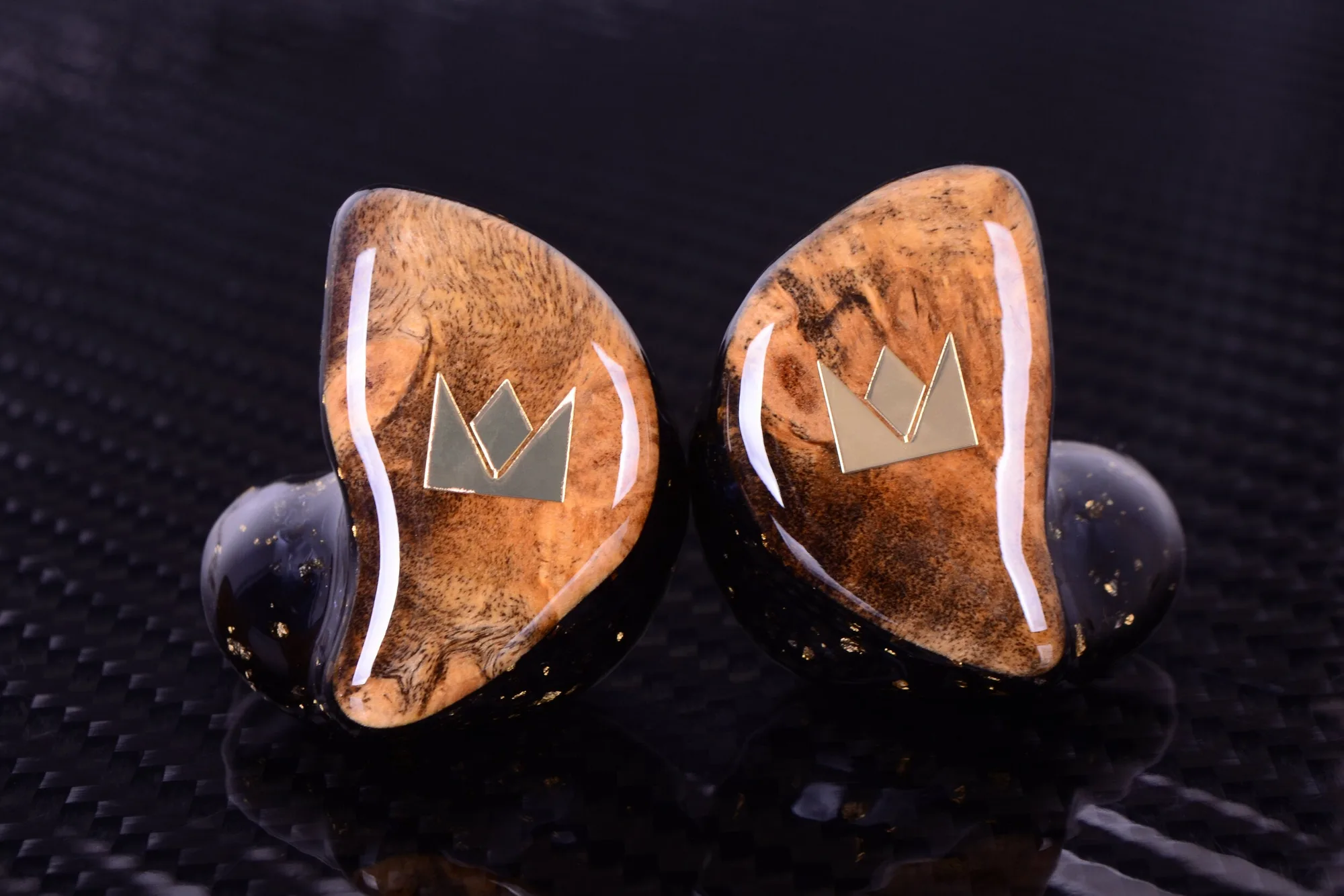
- Sultan Custom Fit (Acrylic): The Sultan Custom Fit (Acrylic) is a custom-fit model built in 6-8 weeks after impressions are received, with additional charges possible depending on design. If battery degradation is your main frustration, this is the structural alternative: a wired custom fit removes the sealed battery from the equation entirely, at the cost of a longer build wait and a higher price.