Quick answer
Choose wireless if comfort, easy all-day wear, and a softer shape matter most; choose underwire if you want defined lift, separation, and structured support. Many people keep both and switch by outfit and activity. Neither is universally better, and the right pick depends on your size, shape, and how the bra feels after a full day.
Wireless and underwire bras are built to do different jobs. A wireless bra supports the bust with fabric, bands, and seams, while an underwire bra adds a shaped wire under each cup to lift and separate. That single design difference changes how a bra feels, how it looks under clothes, and how well it holds up over a long day.
The trick is matching the construction to your body and your plans. A soft bralette can be perfect for a work-from-home afternoon and wrong for a structured dress, while an underwire bra can give the shape you want and feel like too much on a lazy Sunday. This comparison walks through the real trade-offs using specific styles so you can decide with clear expectations.
How wireless bras create support
Wireless bras rely on the underband, cup seams, and stretch fabrics to hold and shape the bust. The band does most of the anchoring work, which is why a wide, soft underband matters so much. Stretch lace that extends higher toward the shoulder can also help support the bust by spreading tension across more fabric rather than concentrating it at one point. The result is usually a softer, more natural shape with less separation than an underwire.
Because there is no rigid wire, wireless styles tend to flex with movement and feel less noticeable against the ribs. That makes them a strong choice for lounging, travel, and days when you want to forget you are wearing a bra. The trade-off is that very full or heavy busts may find wireless support less lifting and less separating than they prefer, especially in styles with minimal seaming.
- Check that the underband sits level and snug; a loose band is the most common reason wireless bras feel unsupportive.
- Look for wide bands and higher lace panels if you want more lift without a wire.
How underwire bras shape and lift
Underwire bras use a shaped wire to define the bottom and sides of each cup. That structure creates lift, separation, and a more predictable silhouette under clothing. Non-padded underwire styles can still shape well because the wire and cup seams do the work, and hidden mesh slings inside the cups add extra support without bulk. If you want a defined bust line under a fitted top or dress, an underwire is usually the more reliable option.
The trade-off is feel. A wire that is the wrong size, shape, or depth can dig, poke, or sit on breast tissue instead of around it. Underwire also asks more of the band: if the band is too loose, the wires can shift forward and press instead of support. Fit matters more with underwire than with wireless, but when it is right, the structure is hard to beat.
- The wire should sit flat against your ribcage and fully surround the breast tissue, never on top of it.
- If wires poke, try a different cup depth or band size before assuming underwire is not for you.
Comfort, shape, and outfit trade-offs
Wireless bras generally win on immediate comfort. There is no wire to press against the ribs, and stretch fabrics move with you. The cost is shape: you may get a softer, less separated silhouette that shows more under thin or structured clothing. Underwire bras generally win on shape and support, especially for larger cup sizes, but they can feel more present and require a closer fit to stay comfortable.
Your outfit often makes the decision for you. A plunge neckline, a fitted sheath dress, or a crisp button-down usually looks cleaner over an underwire bra with defined cups. A relaxed sweater, a loose top, or a day of errands is often easier in a wireless style. Neither choice is a compromise if it matches the moment.
- For high-impact or long standing days, underwire usually holds shape better.
- For travel, heat, or recovery days, wireless is often the easier wear.
Fit checks that apply to both
Whichever you choose, the band should provide most of the support. It should sit level all the way around, snug enough that you can fit two fingers under it but not so tight that it leaves deep marks. The center front should lie flat against your chest in most styles, and the cups should contain all breast tissue without gaping or spilling. Straps should be adjusted so they stay put without digging into your shoulders.
If a wireless bra slides up in back or an underwire bra tips forward, the band is usually the culprit rather than the cup. Sizing down in the band or choosing a style with a wider, firmer band can fix both problems. A quick fit check before you commit to a full day of wear saves a lot of adjusting later.
- Fasten on the loosest hook when the bra is new so you can tighten it as the band relaxes.
- Re-check the band after a few hours; if you are pulling it down constantly, the size or style is off.
The trade-offs at a glance
- Support style: Wireless bras support through the band, seams, and stretch fabric, giving a softer shape. Underwire bras use a shaped wire to lift and separate for a more defined silhouette. Pick wireless for soft support; pick underwire for lift and separation.
- Comfort and feel: Wireless styles usually feel lighter and move with you, with no wire against the ribs. Underwire styles can feel more present and depend on a precise fit to stay comfortable. If you are sensitive to pressure, start with wireless and fit underwire carefully.
- Outfit compatibility: Underwire bras generally look cleaner under fitted or structured clothing because the cups hold a defined shape. Wireless bras can show a softer line under thin or tailored fabrics. Match the bra to the outfit rather than forcing one style to do everything.
- Fit priority: Both need a level, snug band, but underwire punishes a loose band more because the wires can shift and press. Wireless bras are more forgiving of small fit variations. If you are between sizes or unsure of your fit, wireless is the lower-risk starting point.
Real styles that show the difference
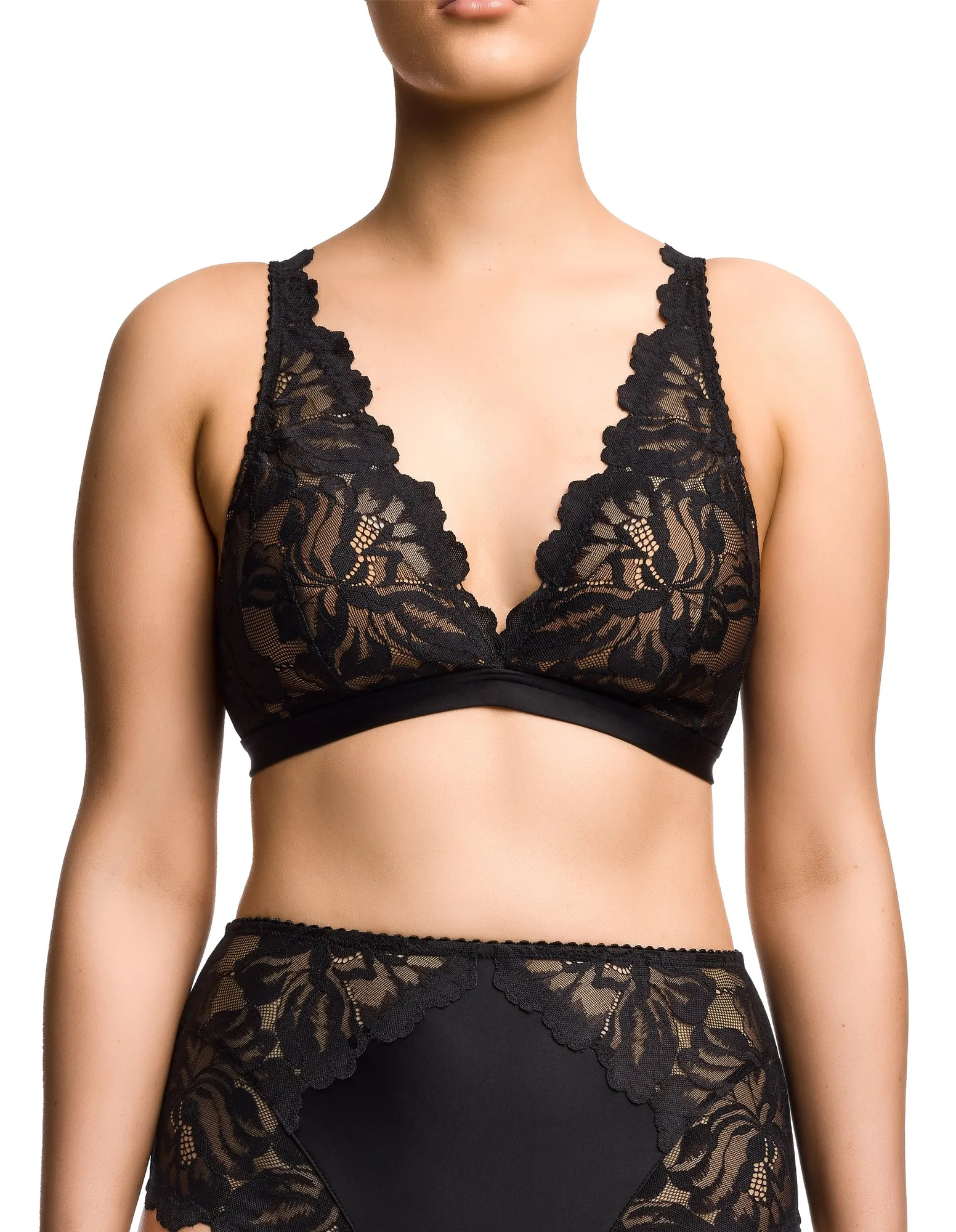
- Zhara Bralette: The Zhara Bralette is a wire-free bra made from stretch floral lace, lightly lined with a wide soft underband, designed up to a size 2XL (size 18). The wide band and higher lace give wireless support without a wire, making it a practical everyday choice if you want comfort with more structure than a simple bralette.
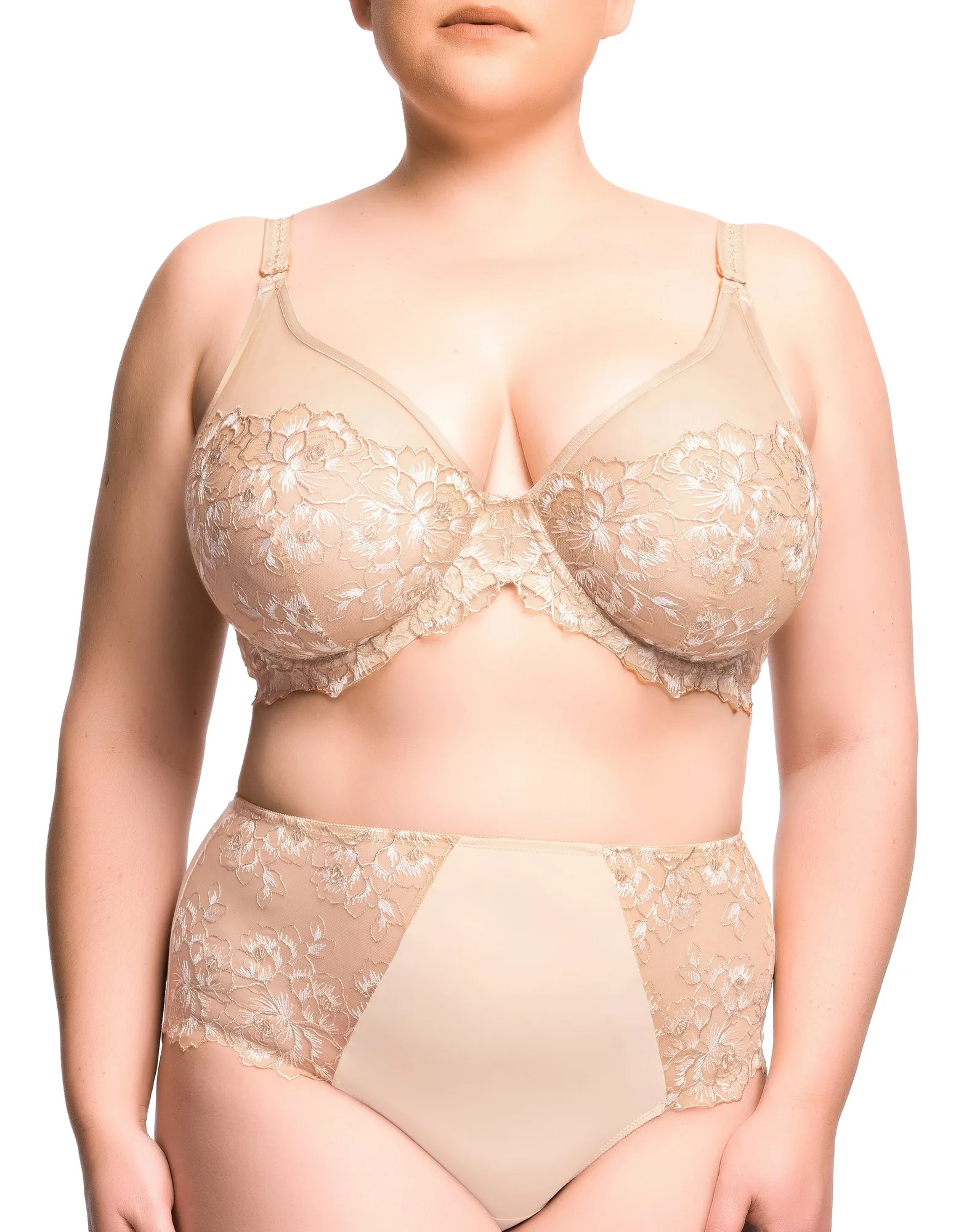
- Mila Curve Balconette Bra - Cappuccino: The Mila Curve Balconette Bra has two-tone embroidery on soft stretch tulle with a hidden mesh sling in the bottom of the cups for lift and shape, plus a four hook and eye closure. The hidden sling and structured cups show how an underwire style can lift and shape while the four-hook closure gives adjustable band room for days when you need a little more or less tension.
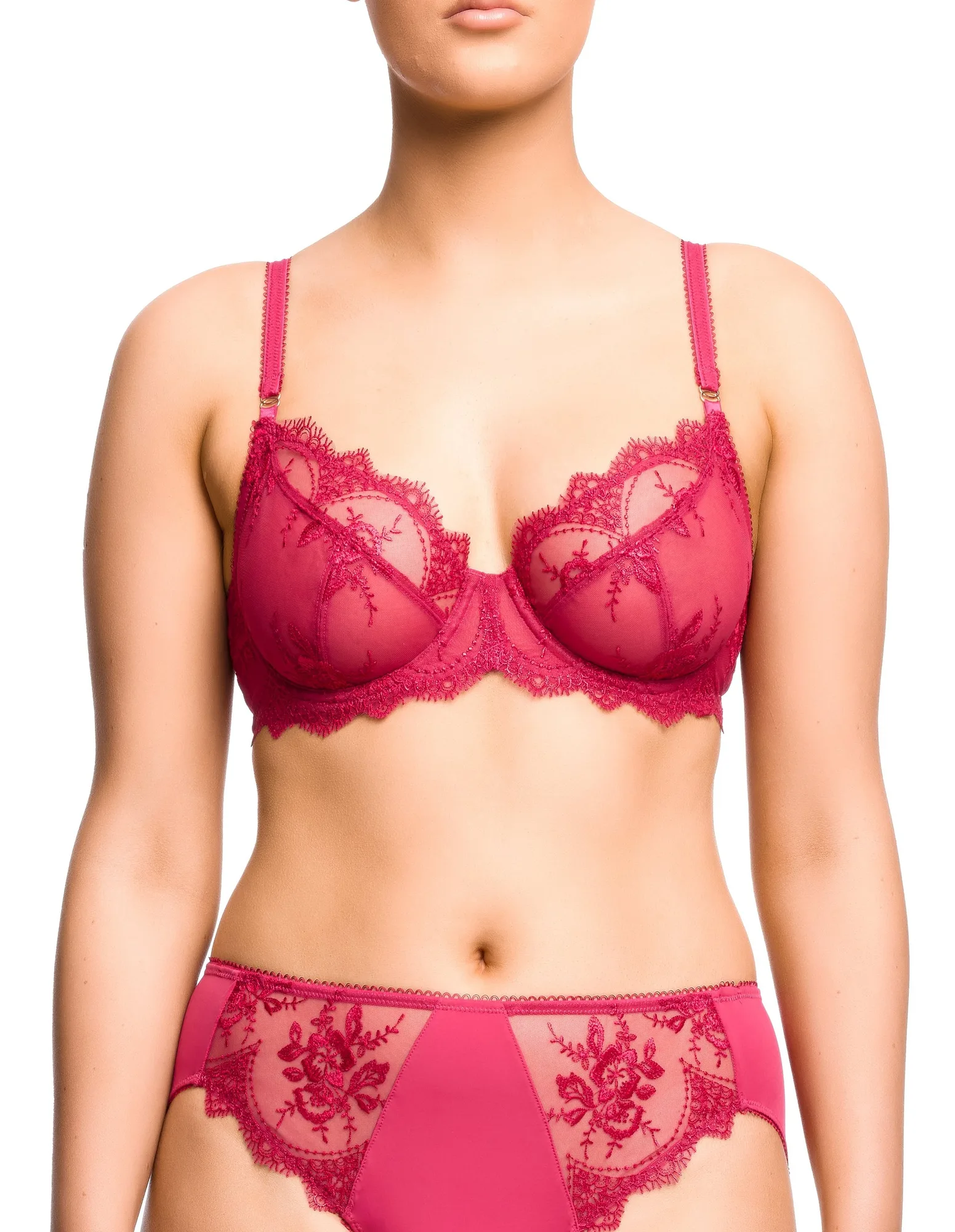
- Anita Plunge Bra: The Anita Plunge Bra is a non-padded bra with bold floral embroidery on soft sheer stretch tulle, a modern plunge neckline, and a hidden mesh support sling in the cups. It demonstrates that an underwire bra does not need padding to create lift and shape, which is useful if you want support under a plunge neckline without extra bulk.
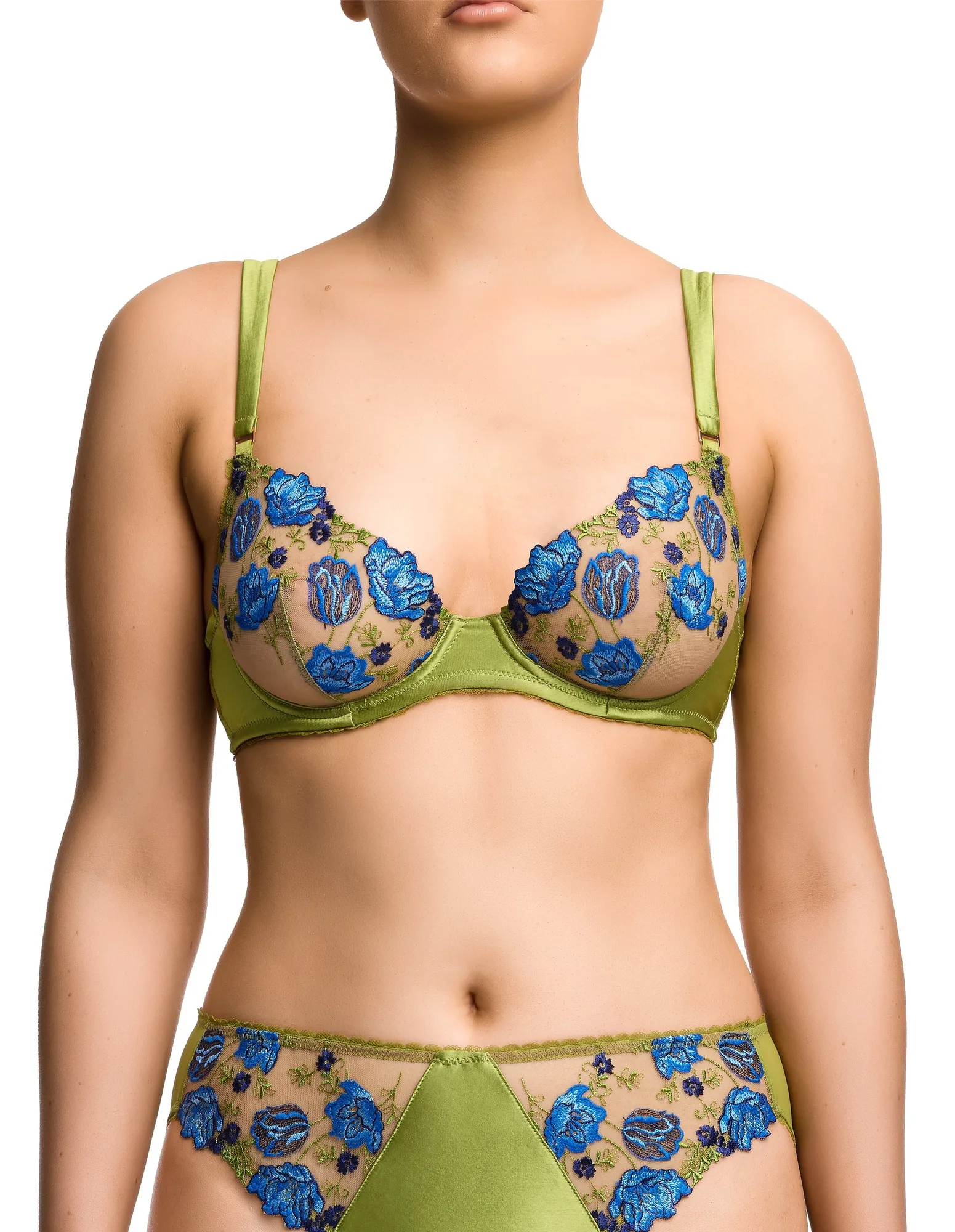
- Lucinda Full Cup Bra: The Lucinda Full Cup Bra is a non-padded bra with floral embroidery on soft stretch tulle, a light lining in the bottom of the cups for lift and shape, and soft bra wings that support without cutting in. The full cup and soft wings show how underwire support can cover more of the bust while staying comfortable, which matters if you want coverage and a smooth line under clothes.
Which one should you choose?
Best for
- Everyday comfort, lounging, travel, and days when you want to forget you are wearing a bra
- Softer shapes, relaxed outfits, and anyone who finds underwires uncomfortable or distracting
- A first bra or a low-risk fit choice if you are still dialing in your size
Not for
- Very full or heavy busts that want maximum lift and separation under fitted clothing
- Structured or plunge necklines where a defined cup shape matters most
- Anyone who prefers a firm, controlled silhouette and does not mind a wire
Wireless and underwire bras are not rivals so much as tools for different days. Start with the fit check, choose the construction that matches your outfit and comfort needs, and keep at least one of each in your drawer so you are never stuck choosing between feeling good and looking the way you want.