Women's intimate health is a topic that often goes unspoken, yet it affects nearly every woman at some point in her life. From occasional itching to persistent odor or concerns about pH balance, these issues can be confusing and sometimes embarrassing. But you're not alone, and understanding the basics can make a world of difference.
In this guide, we'll answer the most common questions about vaginal pH, odor, and itching. We'll also share practical tips for maintaining intimate wellness and explain how certain supplements, like our Perimenopause Gummies and Fertility Gummies, can support your body's natural balance.
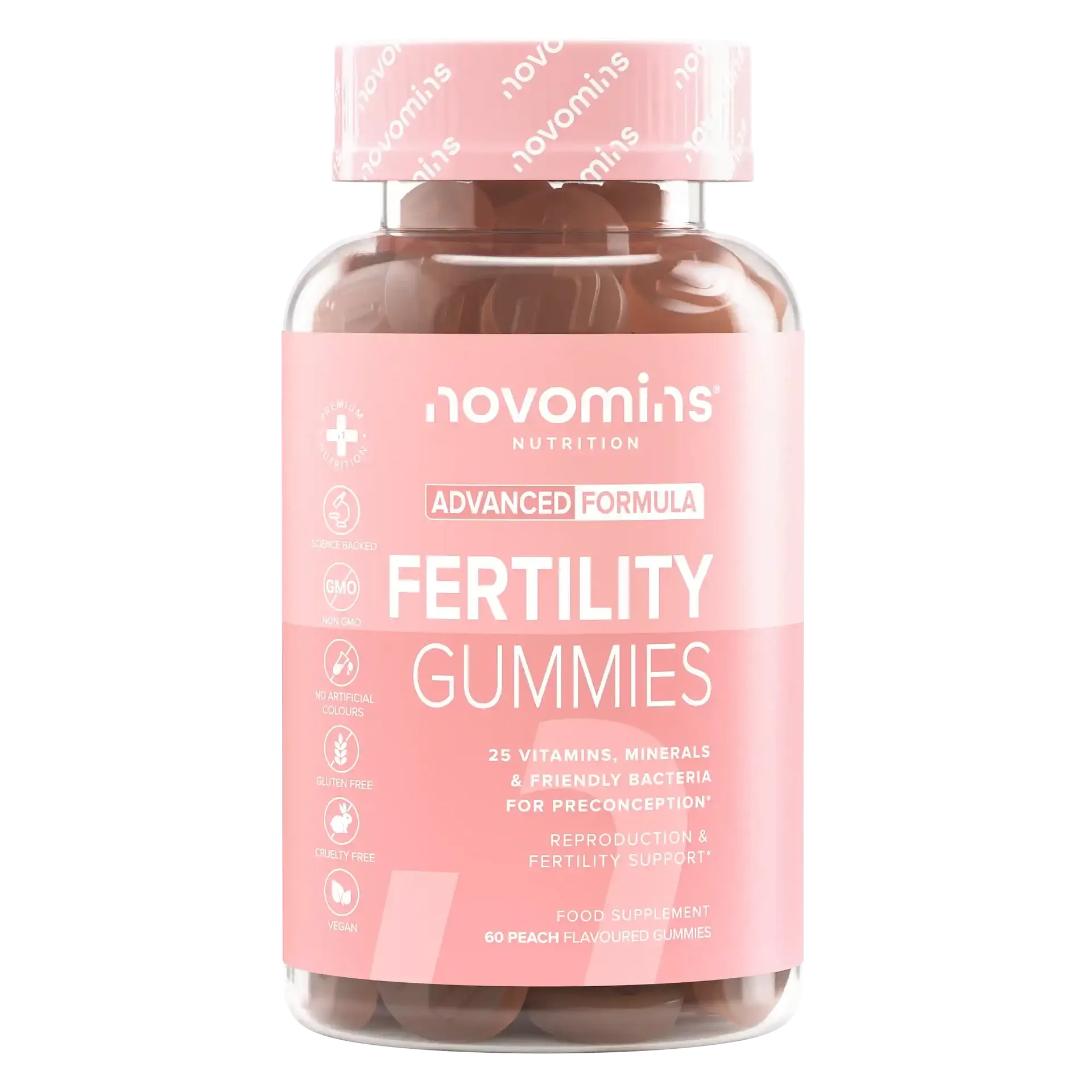
Fertility Gummies
What Is Vaginal pH and Why Does It Matter?
The vagina naturally maintains a slightly acidic environment, typically with a pH between 3.8 and 4.5. This acidity is crucial because it keeps harmful bacteria and yeast in check while allowing beneficial lactobacilli to thrive. When your pH becomes too alkaline, it can disrupt this delicate balance, leading to discomfort, odor, or increased susceptibility to infections.
Many factors can affect your vaginal pH, including hormonal changes, menstrual cycle, sexual activity, antibiotics, and even certain hygiene products. Understanding what influences your pH is the first step in maintaining intimate health.
- Avoid douching – it strips away protective bacteria and can raise pH.
- Use mild, fragrance-free soaps only on the outer area, not inside.
- Wear breathable cotton underwear and change out of wet clothes promptly.
Why Do I Have an Intimate Odor? Common Causes and Remedies
An intimate odor is a common concern, but it's important to know that a slight, musky scent is normal. However, a strong or fishy odor may indicate an imbalance. The most frequent culprit is bacterial vaginosis (BV), which occurs when harmful bacteria overgrow and raise the pH. Other causes include poor hygiene, sweat, or forgotten tampons.
To address odor, start with good hygiene habits: wash gently with water, avoid scented products, and always wipe front to back. Stay hydrated and consider probiotics, which can help restore healthy bacteria. If the odor persists, consult a healthcare provider, as it may require treatment.
- Wear loose clothing and breathable fabrics to reduce moisture and odor.
- Change underwear daily and after exercise.
- Try a warm (not hot) bath with plain water to soothe the area.
What Causes Intimate Itching and How Can I Find Relief?
Itching in the intimate area can be caused by many things, from yeast infections and irritation to allergies or hormonal changes. Yeast infections, for example, are often accompanied by thick, white discharge and intense itching. On the other hand, itching from irritation might be due to soaps, detergents, or synthetic fabrics.
For immediate relief, avoid scratching and use a cool compress or a gentle, unscented moisturizer. Over-the-counter antifungal creams can help if it's a yeast infection, but it's best to confirm with a doctor. If you experience recurrent itching, it may be linked to hormonal shifts – which is where targeted nutrition can play a role.
How Can Supplements Support Intimate Health?
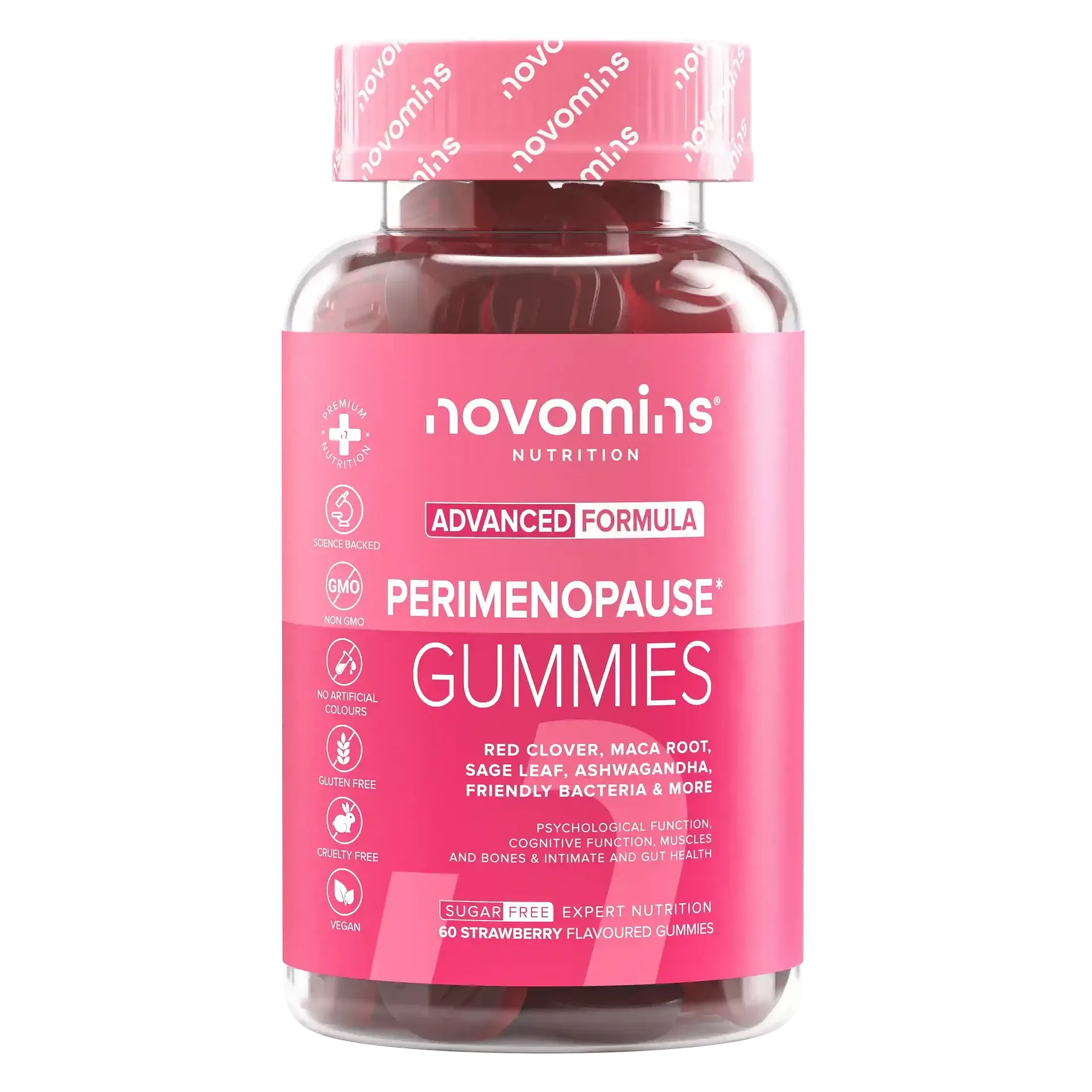
While hygiene and lifestyle are key, certain supplements can support your body's natural balance. For example, Perimenopause Gummies are formulated with nutrients that help ease hormonal transitions, which can affect vaginal moisture and pH. Similarly, Fertility Gummies provide a blend of vitamins and minerals that support reproductive health and overall well-being.
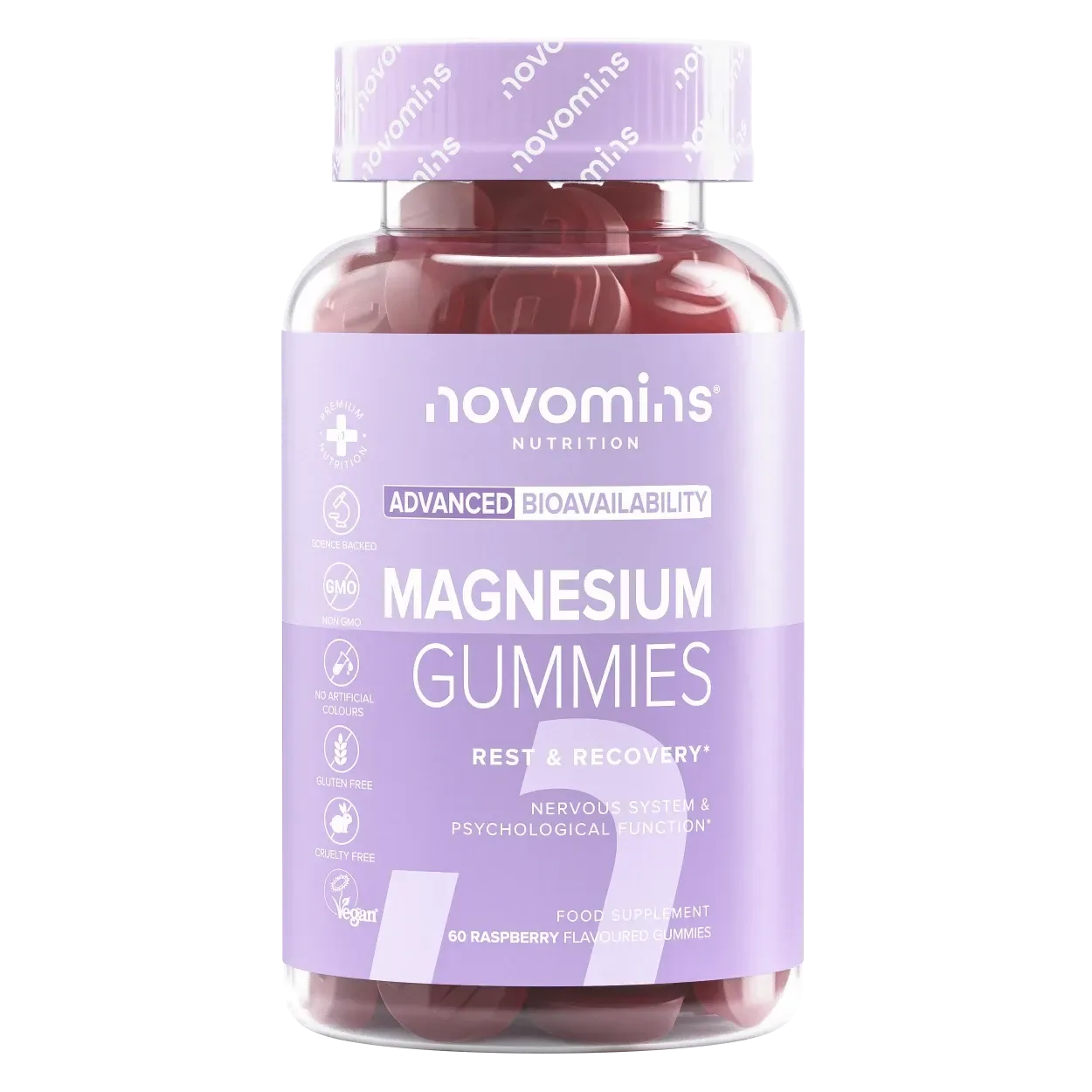
Additionally, Magnesium Gummies can help with stress and muscle relaxation, which indirectly supports intimate comfort. Remember, supplements are not a cure-all, but they can be a valuable part of a holistic approach to intimate health.
Practical Intimate Care Tips for Everyday Wellness
Maintaining intimate health is about consistent, gentle care. Here are some practical tips to incorporate into your routine:
First, always choose breathable underwear and avoid tight-fitting pants. Second, practice good hygiene by washing the external area with warm water daily. Third, stay hydrated and eat a balanced diet rich in fruits, vegetables, and probiotics. Finally, don't ignore persistent symptoms – see a healthcare professional if you have concerns.
- Use unscented, hypoallergenic laundry detergent for underwear.
- Avoid using talcum powder or perfumed sprays in the intimate area.
- Consider a daily probiotic supplement to support healthy flora.
When to See a Doctor
While many intimate issues resolve with simple self-care, certain signs warrant a medical visit. If you experience a strong, persistent odor, unusual discharge, severe itching, burning, or pain, or if you have recurrent infections, it's important to seek professional advice. These could be signs of an underlying condition that requires treatment.
Your healthcare provider can offer accurate diagnosis and recommend appropriate treatments, ensuring your intimate health stays on track.
Your intimate health is a vital part of your overall well-being, and understanding the common questions about pH, odor, and itching empowers you to take charge. By combining good hygiene practices with supportive nutrition, you can maintain balance and comfort. If you're looking for a convenient way to support your body, explore our Perimenopause Gummies today and see how they might fit into your wellness routine.