Quick answer
If you prioritize a secure, non-slip grip and reliable drop protection with a unique look, a wood case from Carved offers a rigid shell with a rubber bumper. Silicone cases excel in shock absorption and softness but can feel grippy in a sticky way and may attract lint. For everyday durability and style, wood cases often win; for maximum cushioning on hard impacts, silicone has an edge.
When choosing a phone case, the material matters more than you might think. Wood and silicone are two popular options, each with distinct strengths and weaknesses. Wood cases offer a natural, rigid structure that can feel premium, while silicone cases are known for their flexibility and shock-absorbing properties. But which actually provides better grip and protection for your iPhone?
We'll compare wood and silicone cases across grip, drop protection, durability, and everyday usability. We'll also look at specific Carved wood cases to see how they perform, helping you decide which material fits your lifestyle.
Grip: Wood vs. Silicone
Grip is often the first thing people notice. Silicone cases have a soft, tacky texture that can feel secure in hand, but that same stickiness can make them difficult to slide in and out of pockets. They also attract lint and dust, which can make the surface feel less clean over time.
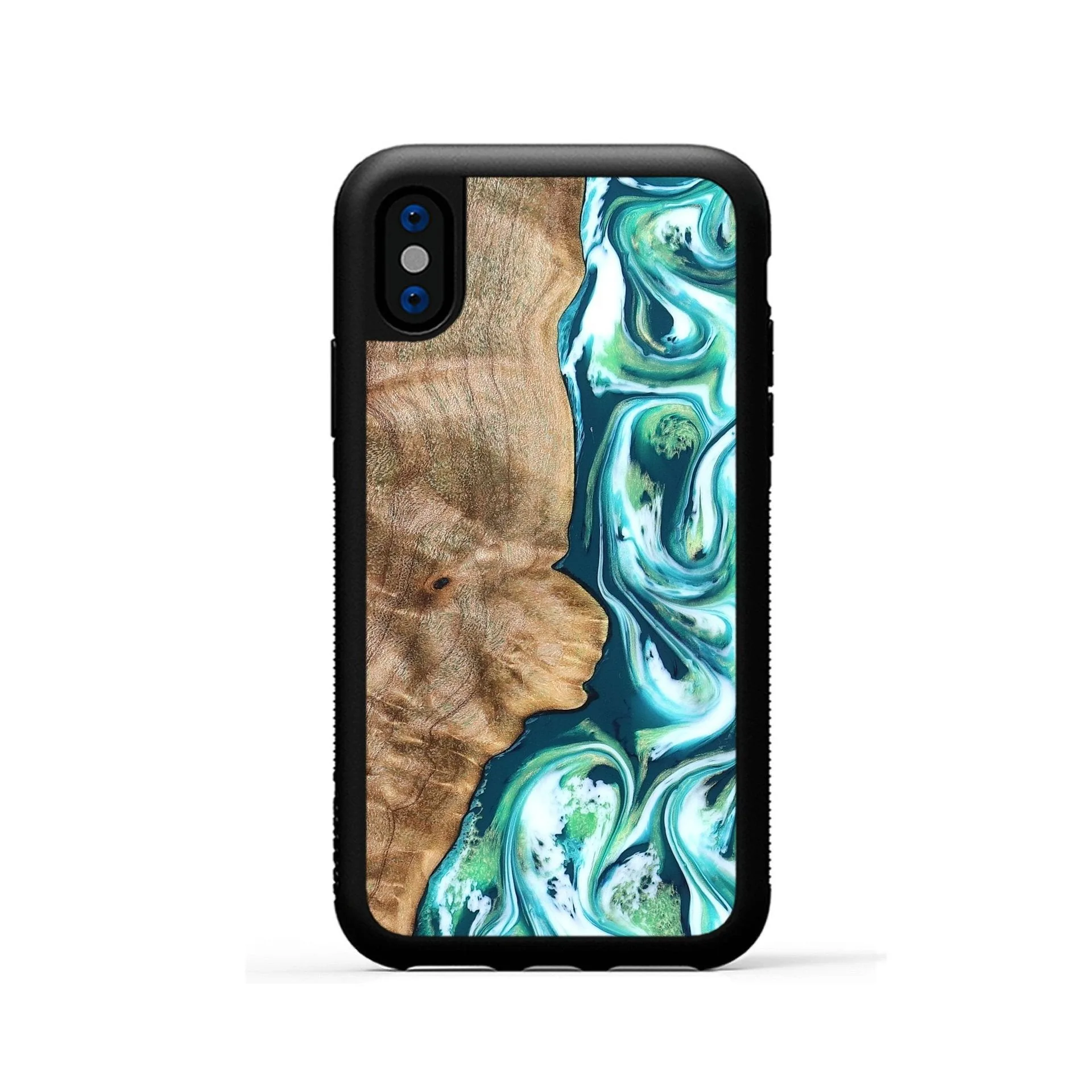
Wood cases, like those from Carved, have a smoother surface but often include a protective outer rubber shell that adds grip along the edges. This combination provides a secure hold without the sticky feel. The wood itself is rigid, so it won't bend or flex, which some users prefer for a more solid grip.
- Silicone: soft, tacky grip; can be sticky and attract lint.
- Wood with rubber shell: secure edge grip; smoother back; less lint attraction.
Drop Protection: Shock Absorption vs. Rigid Shell
Silicone is renowned for its shock absorption. Its flexible nature allows it to deform on impact, spreading the force and reducing the chance of damage. For drops onto hard surfaces, silicone can be more forgiving.
Wood cases, on the other hand, are rigid. They don't absorb shock as well, but they provide a hard shell that can resist impacts and distribute force across the case. Carved's wood cases feature a protective outer rubber shell that adds a layer of cushioning, and the case extends throughout the camera bump for extra protection. While wood may not match silicone's pure shock absorption, it offers solid drop protection with a more durable exterior.
- Silicone: better shock absorption for hard impacts.
- Wood: rigid shell with rubber bumper; good drop protection, less flex.
Durability: How They Hold Up Over Time
Silicone cases are prone to tearing and stretching, especially if you frequently remove and reattach them. They can also yellow or discolor with UV exposure. Wood cases, when properly finished, are quite durable. They resist scratches and do not degrade from sunlight. However, wood can crack if dropped on a hard edge, so the rubber shell is crucial.
Carved's wood cases are made with real wood and resin, which adds structural integrity. The resin helps protect the wood from moisture and minor impacts. While no case is indestructible, wood cases generally offer a longer lifespan with less visible wear.
- Silicone: may tear, stretch, or yellow over time.
- Wood: durable and scratch-resistant; resin adds protection.
The trade-offs: wood vs. silicone
- Grip: Silicone offers a soft, tacky grip that some find secure, but it can feel sticky and attract lint. Wood cases with a rubber shell provide a firm, non-slip edge grip without the sticky residue. If you hate lint on your case, wood is easier to keep clean.
- Drop protection: Silicone absorbs shock better on hard impacts due to its flexibility. Wood cases rely on a rigid shell plus a rubber bumper, offering good protection but less cushioning. For maximum shock absorption, silicone wins; for everyday drops, wood suffices.
- Durability: Silicone can tear, stretch, and yellow over time. Wood, especially with resin, resists scratches and UV damage, but may crack on sharp impacts if not properly protected. Wood cases typically last longer with proper care.
Carved wood cases at a glance
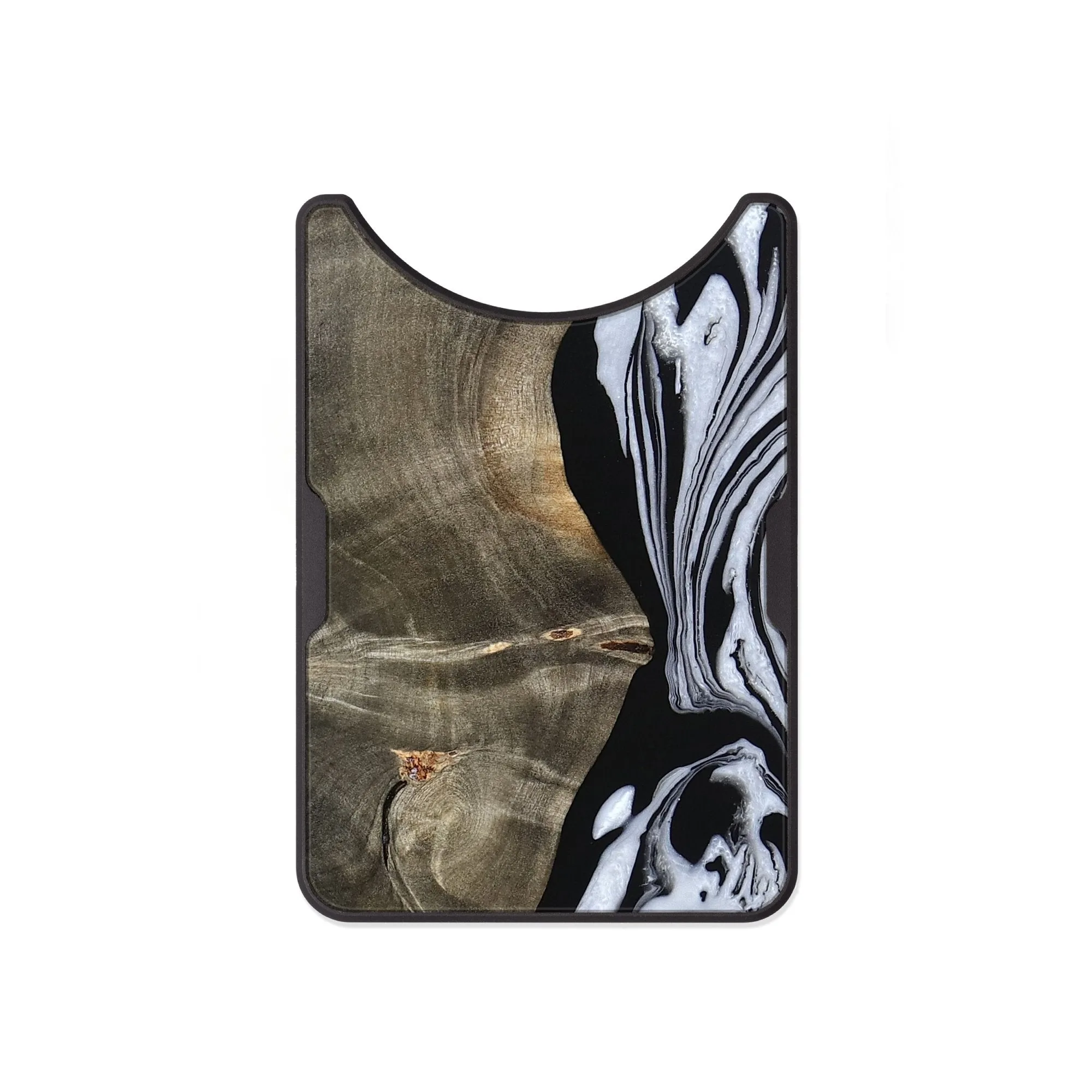
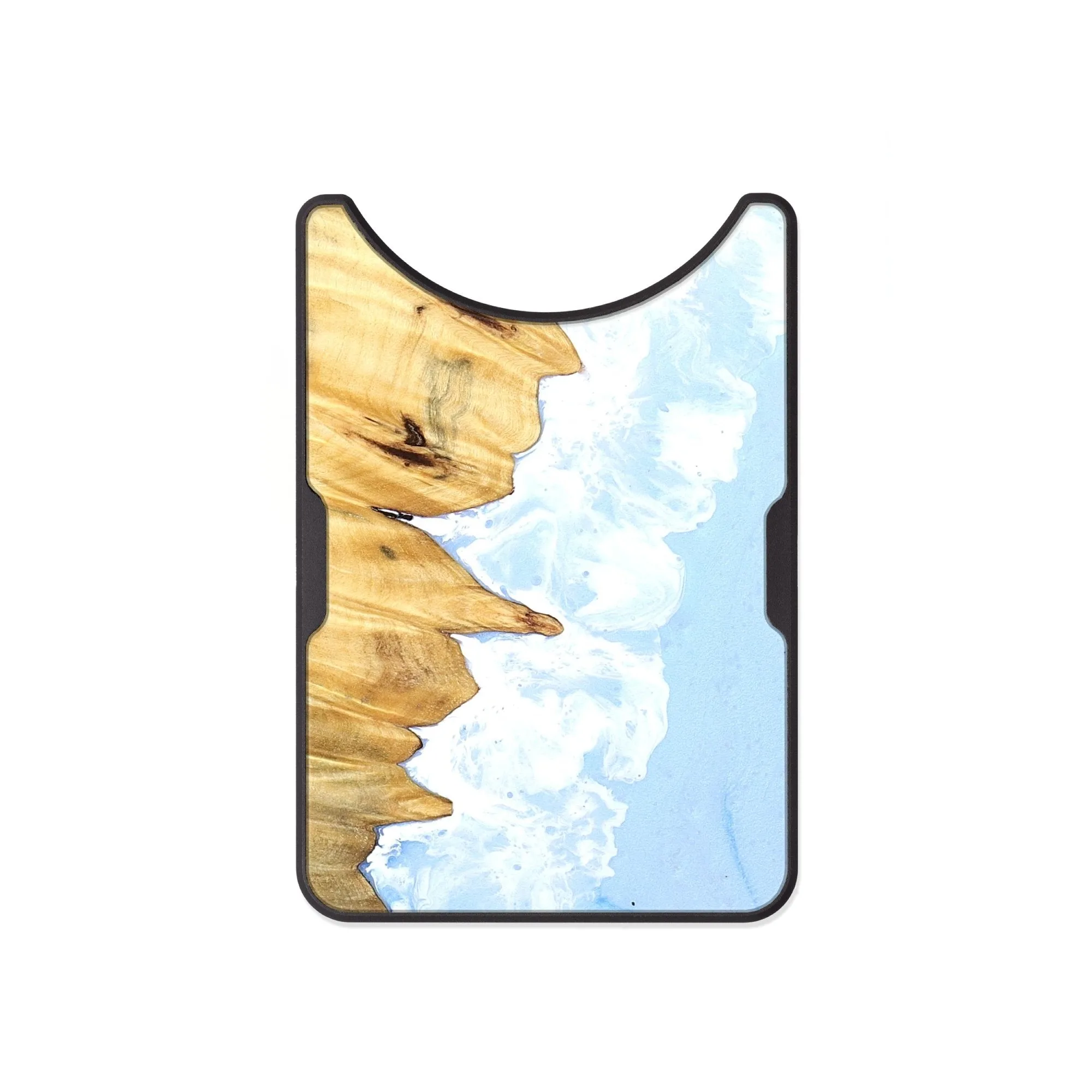
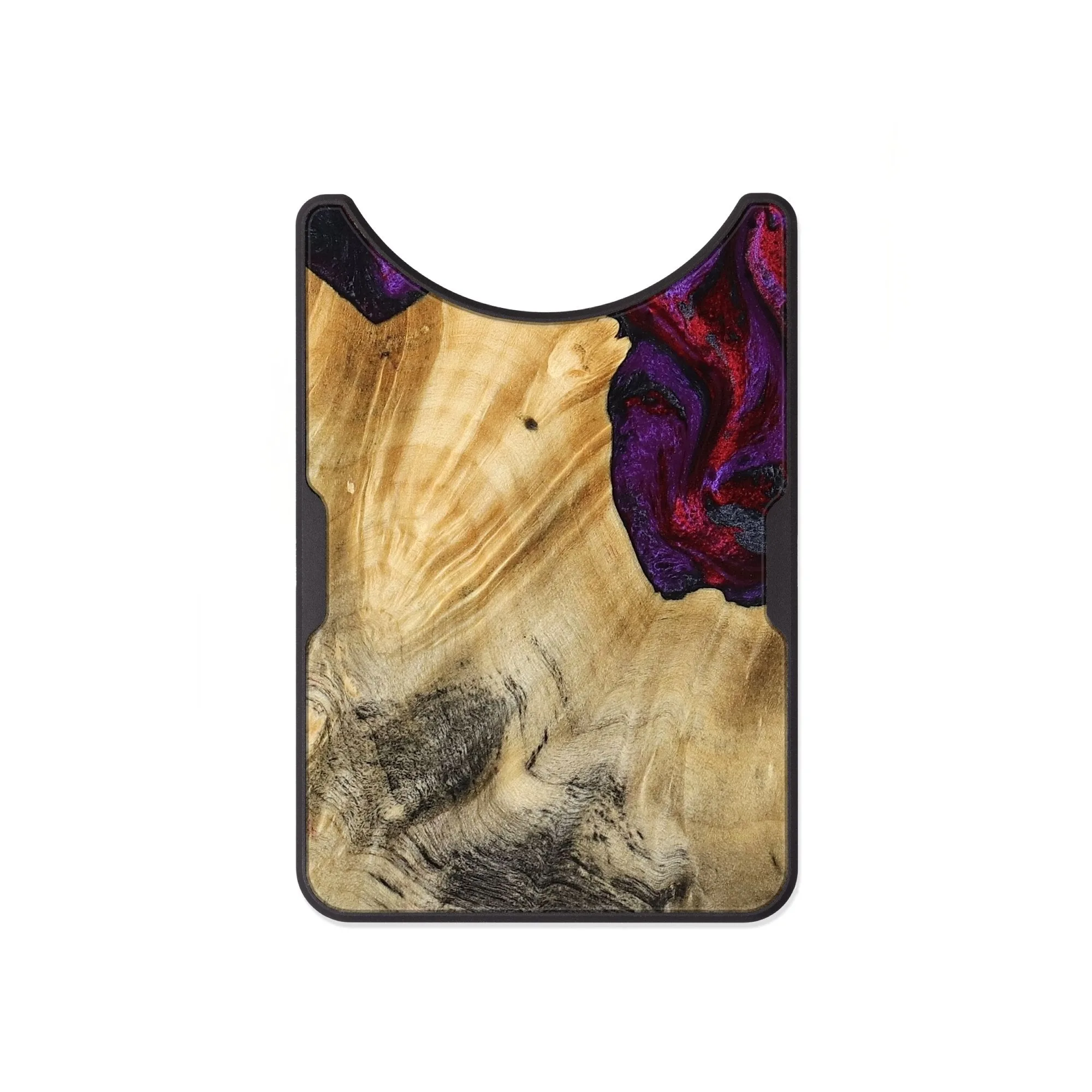
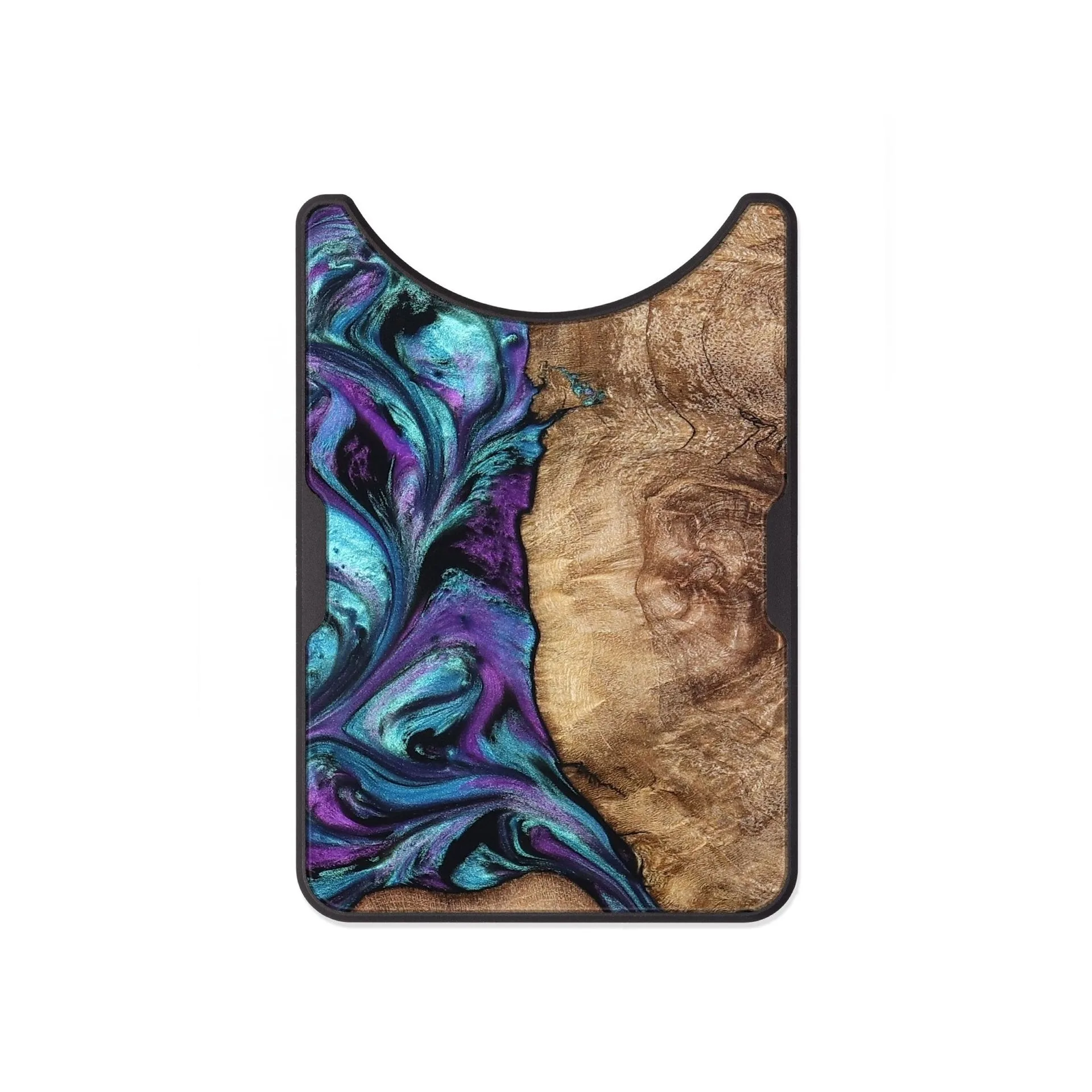
- iPhone 17 Pro Max Wood Phone Case - Mandie (Blue, 799437): Protective outer rubber shell, perfectly fits your iPhone 17 Pro Max, keeps your phone safe from drops, wireless charger compatible, case extends throughout camera bump. The rubber shell provides grip and drop protection, while the extended camera bump guards your lenses.
- iPhone 17 Pro Max Wood Phone Case - Geralyn (Cosmos, 824038): Protective outer rubber shell, perfectly fits your iPhone 17 Pro Max, keeps your phone safe from drops, wireless charger compatible, case extends throughout camera bump. This case offers the same protection with a unique cosmos-inspired pattern, so you don't sacrifice style for safety.
- iPhone 13 Wood Phone Case - Carissa (Coastal, 824059): Protective outer rubber shell, perfectly fits your iPhone 13, keeps your phone safe from drops, works with our wireless chargers. Even for older models, you get the same rubber-shell protection and wireless charging convenience.
Which case fits you?
Best for
- People who want a unique, natural look and don't mind a slightly firmer grip.
- Those who prioritize long-term durability and scratch resistance over maximum shock absorption.
Not for
- Users who frequently drop their phone on hard surfaces and need the best possible shock absorption.
- Those who prefer a soft, flexible case that's easy to remove and reattach.
Choosing between wood and silicone ultimately comes down to your priorities. If you want a case that stands out, offers solid drop protection, and lasts for years, Carved's wood cases are a great choice. If you're prone to drops and want maximum cushioning, a silicone case might be safer. But with Carved's rubber shell and resin-reinforced wood, you get a compelling blend of style and protection that many silicone cases can't match.