Quick answer
Most tent stove problems come down to four things: airflow, pipe joints, fuel, and gaskets. Work through them in that order before you blame the stove. If the stove body itself is warped, cracked at a weld, or the pipe has burned through, stop repairing and replace the part.
A stove that smokes into the tent, refuses to hold heat, or falls apart during setup ruins a cold hunt faster than a missed shot. The good news is that most failures are predictable and fixable in the field with a small kit.
This guide covers the common problems you will actually see on a hot tent stove, what causes each one, and the point where a fix stops being worth your time. Keep it simple: diagnose first, then act.
Smoke rolling back into the tent
Symptom: smoke spills out of the door or pipe joints instead of going up the chimney. Likely cause: cold pipe, downdraft, or a blocked spark arrestor. Corrective action: warm the pipe with a small hot fire first, then add fuel. Check the arrestor and cap for creosote or debris. If the tent is sealed tight, crack a vent to give the stove makeup air.
If smoke still backdrafts after you have warmed the pipe and opened a vent, the issue is usually chimney height or a downdraft caused by nearby terrain or trees. Add a pipe section if you carry one. If you cannot get a clean draft, stop burning and vent the tent. A stove that will not draft is a carbon monoxide risk, not a maintenance problem.
- Start every fire small and hot to establish draft before adding larger wood.
- Keep the spark arrestor clean; a clogged screen is the most common cause of poor draft.
- Never sleep with a stove that is backdrafting or smoking at the joints.
Weak heat and fast fuel burn
Symptom: the stove burns through wood quickly but the tent never gets warm. Likely cause: air leaks at the door, pipe joints, or damper, or fuel that is too green or too small. Corrective action: check the door gasket and pipe seams for gaps. Seal small leaks with stove cement or a replacement gasket. Use dry, split wood sized to the firebox.
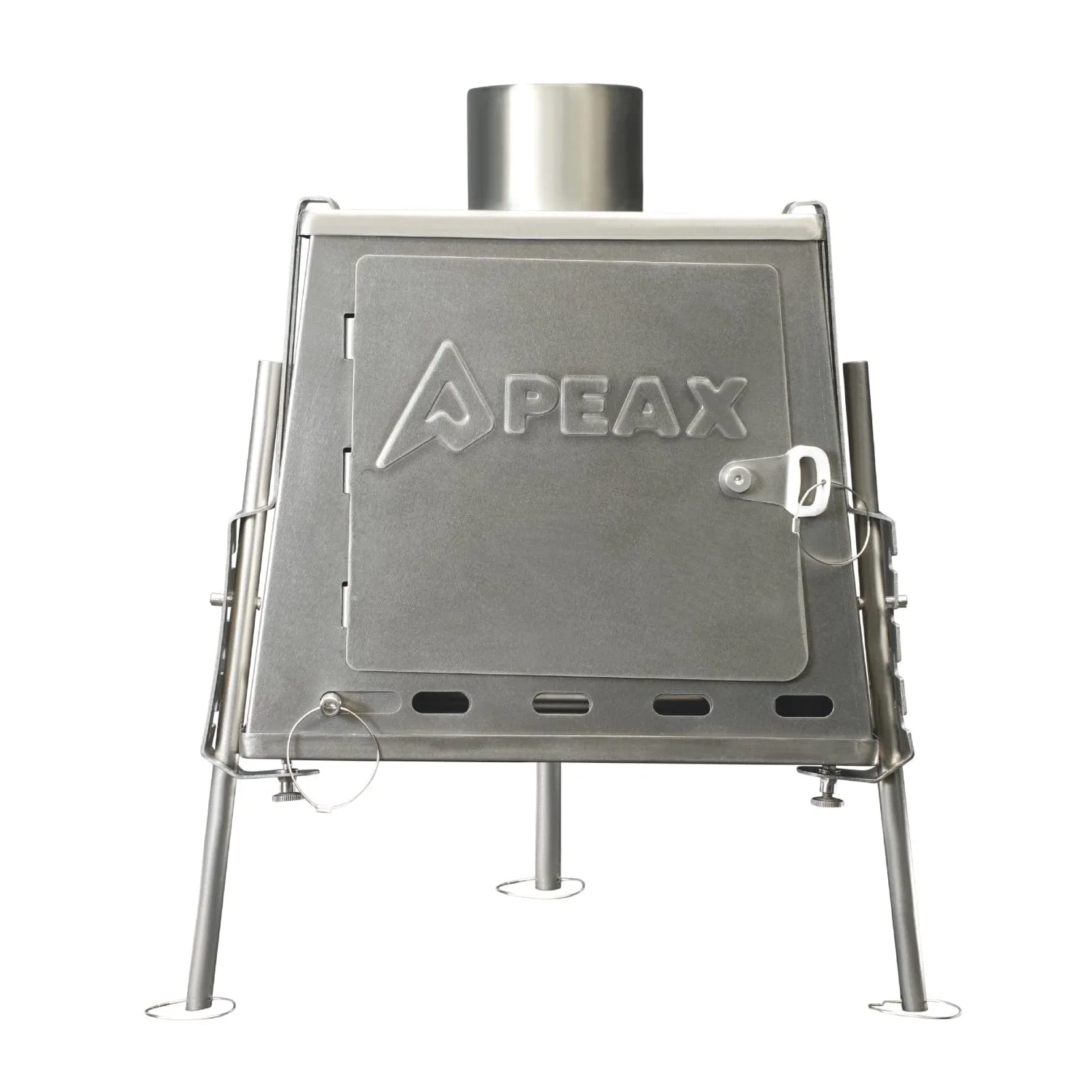
A titanium stove like the PEAX Torrid is built to create dependable heat and dry gear, but it depends on a sealed burn chamber and dry fuel. If you are burning wet wood, no amount of maintenance will fix the heat output. Split smaller, stack it dry, and feed the stove in stages.
- Dry wood beats a bigger stove every time.
- A loose door latch is a common cause of runaway burn; adjust or replace the latch.
Sticking or leaking pipe joints
Symptom: pipe sections will not slide apart, or they leak smoke at the seams. Likely cause: creosote buildup or heat distortion at the joint. Corrective action: let the stove cool completely, then twist and pull gently. Clean creosote with a wire brush. If a joint is distorted, replace that section rather than forcing it.
Pipe maintenance is the part most hunters skip. Wipe the joints after each trip, store pipe sections dry, and check the seams before you pack. A pipe that leaks at the joint will smoke you out of the tent even if the stove itself is fine.
- Store pipe sections separately so they do not dent each other.
- Replace any pipe section that has burned thin or cracked.
Gasket wear and door leaks
Symptom: the door will not seal, or you see flame licking around the door edge. Likely cause: a compressed or burned gasket. Corrective action: replace the gasket. Scrape the old gasket channel clean, fit the new gasket, and test the door seal before your next burn. A proper seal controls the burn rate and keeps smoke where it belongs.
Stove gasket replacement is a cheap fix that restores control. If the door itself is warped or the hinge is broken, a new gasket will not help. At that point, replace the door or the stove.
- Inspect the gasket before every trip; heat cycles wear it out over time.
- Carry a spare gasket and a small scraper in your repair kit.
Rust, warping, and cracked welds
Symptom: surface rust, a warped top plate, or a visible crack at a weld. Likely cause: moisture stored with the stove or overheating. Corrective action: light surface rust can be sanded and oiled. Warping and cracked welds are structural. Stop using the stove if a weld is cracked, because it can fail under heat.
This is the point where you choose another option. A cracked weld on a titanium or steel stove body is not a camp repair. Replace the stove or contact the manufacturer. Continuing to burn a structurally compromised stove risks a fire or a collapse in the tent.
- Store the stove dry and oil bare steel surfaces lightly.
- Never weld or patch a cracked stove body in the field.
Diagnosis table: symptom, cause, fix, and stop point
- Smoke backdraft: Cold pipe, blocked arrestor, or no makeup air. Warm the pipe, clean the arrestor, crack a vent. If it still backdrafts after these steps, stop burning and vent the tent.
- Weak heat: Air leaks at door or pipe, or wet fuel. Seal leaks, replace gasket, switch to dry split wood. If heat is still poor with dry wood and a sealed stove, the stove is undersized for the tent.
- Sticking pipe joints: Creosote or heat distortion. Cool, twist gently, clean with a wire brush. Replace distorted sections. If a joint will not seal after cleaning, replace that pipe section.
- Gasket wear: Compressed or burned gasket. Replace it and test the door seal before the next burn. If the door is warped or the hinge is broken, replace the door or the stove.
- Cracked weld or warped body: Structural damage from overheating or moisture. Do not field-repair. Stop using the stove and replace it or contact the manufacturer.
Products that hold up to real maintenance
- TORRID HOT TENT STOVE: The PEAX Torrid is a titanium hot tent stove built to create dependable heat, dry gear, and restore comfort in harsh backcountry conditions. Lightweight, compact, and easy to assemble. Titanium resists rust better than bare steel, and the compact assembly means fewer joints to maintain and reseal. Easy assembly also makes field diagnosis faster when something goes wrong.
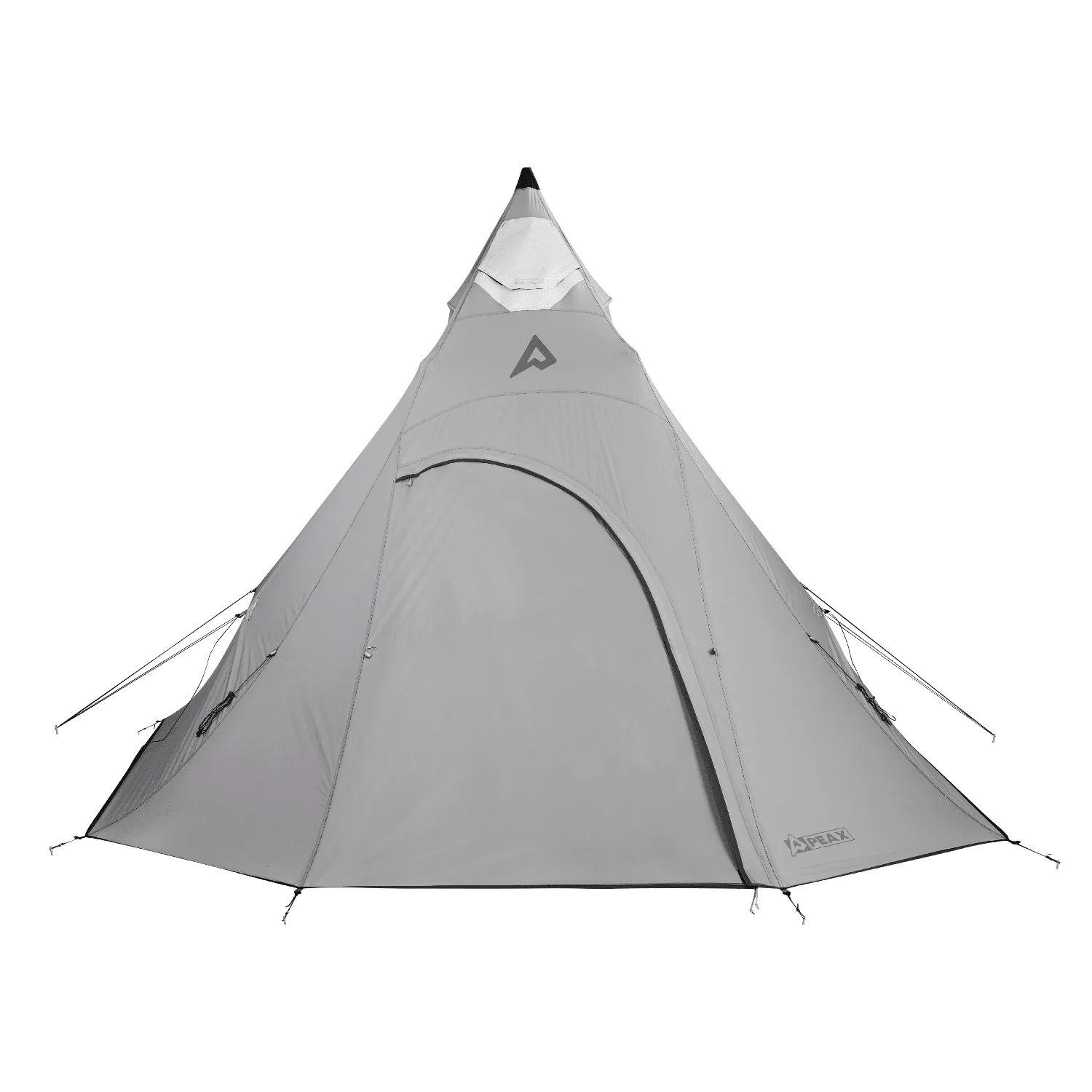
- SOLITUDE 4 TIPI [SILNYLON] ONLY: The PEAX Solitude 4 tipi is a lightweight, system built, 4 season hot tent engineered for hunters who refuse to compromise on comfort, durability, or protection. It uses 20D Silnylon fabric with STORMSHIELD Coating. A hot tent that seals well and vents properly reduces backdraft and condensation, which are two of the most common tent stove problems. The coated fabric also handles the heat and moisture a stove produces.
Most tent stove problems are airflow, fuel, or seal issues you can fix at camp. Work the diagnosis in order, carry a small repair kit, and know when a cracked weld or warped body means it is time to replace the stove rather than patch it.