Quick Answer
For toddlers, wooden blocks generally offer more developmental benefits than plastic building toys due to their open-ended nature, durability, and sensory appeal. They encourage creativity, spatial reasoning, and fine motor skills without the limitations of predefined models. However, building toys with connectors can be better for older toddlers who are ready for more complex construction challenges.
When it comes to toddler construction play, parents often face a choice between classic wooden blocks and modern building toys. Both promise to develop motor skills and creativity, but they differ significantly in how they engage a child's mind and body. Understanding these differences can help you select the right tools for your child's developmental stage.
In this comparison, we'll explore the unique benefits of wooden blocks and building toys, focusing on their impact on toddler development. We'll also highlight some high-quality options from Bannor Toys that align with Montessori principles and open-ended play.
The Developmental Benefits of Wooden Blocks
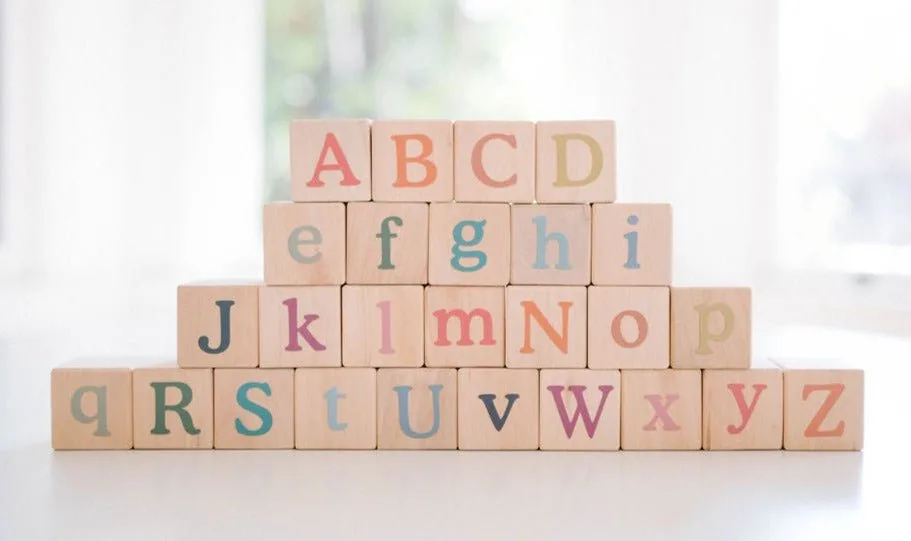
Wooden blocks are a staple in Montessori and Waldorf education because they offer endless possibilities for open-ended play. Unlike building toys with specific connectors or instructions, wooden blocks allow toddlers to stack, sort, and create freely. This unstructured play is crucial for developing spatial awareness, problem-solving skills, and hand-eye coordination.
The natural texture and weight of wooden blocks also provide rich sensory feedback. As toddlers grasp, lift, and balance blocks, they refine their fine motor skills and learn about cause and effect. Additionally, wooden blocks are durable and safe, making them a long-lasting investment that can be passed down through generations.
- Encourage creativity and imagination without preset outcomes.
- Promote spatial reasoning as children experiment with balance and symmetry.
- Provide a safe, non-toxic play experience with natural materials.
The Appeal of Building Toys
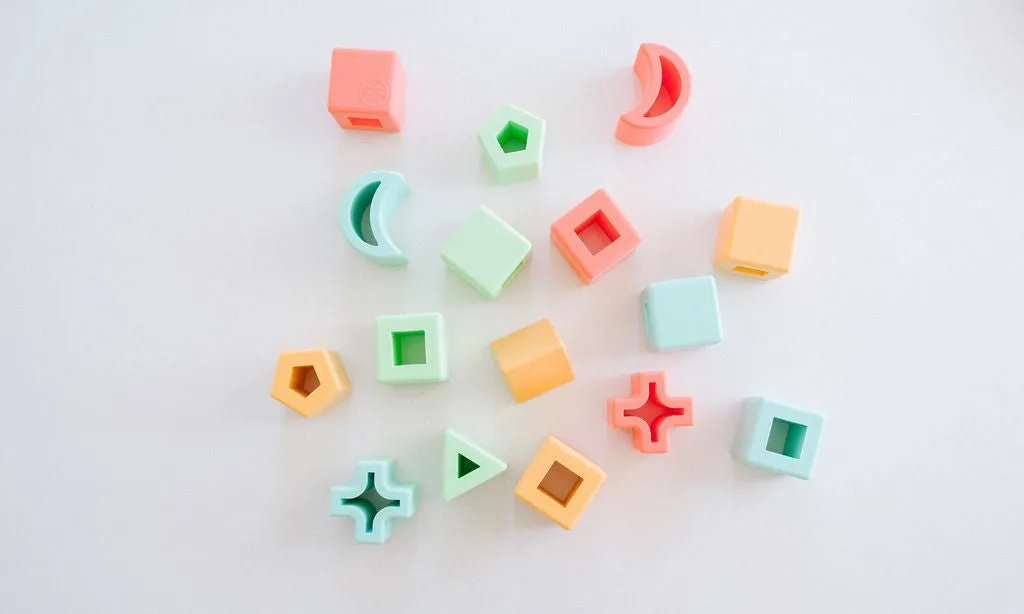
Building toys, such as interlocking plastic bricks or magnetic tiles, offer a different kind of construction play. They often come with connectors that snap together, allowing for more complex and stable structures. This can be particularly engaging for older toddlers who are ready to follow simple instructions or recreate specific designs.
However, building toys can sometimes limit creativity if they come with predetermined models. They also tend to be made of plastic, which may not offer the same sensory experience as wood. For younger toddlers, the small parts and connectors can be a choking hazard, so supervision is essential.
- Allow for more intricate and stable constructions.
- Often include themed sets that can spark interest in specific subjects.
- Require more fine motor control, suitable for older toddlers.
Montessori and Open-Ended Play: Why Wooden Blocks Win
Montessori education emphasizes open-ended play with natural materials. Wooden blocks align perfectly with this philosophy because they can be used in countless ways—from building towers to pretending they are food in a play kitchen. This type of play fosters independence and creative thinking, as children are not bound by a single purpose.
In contrast, many building toys come with specific instructions, which can inadvertently teach children to follow directions rather than innovate. While following instructions is a valuable skill, it's not the primary goal of toddler play. For parents seeking to nurture a child's innate curiosity, wooden blocks are the superior choice.
- Wooden blocks support divergent thinking, where many solutions are possible.
- They are versatile and can be integrated into various types of pretend play.
- Natural materials are more aligned with Montessori principles.
Trade-offs: Wooden Blocks vs Building Toys
- Open-endedness: Wooden blocks offer unlimited play possibilities, while building toys often have specific designs or instructions. If you value creativity and imagination, choose wooden blocks.
- Complexity: Building toys allow for more complex structures with connectors, which can be engaging for older toddlers. For older toddlers ready for challenges, building toys can be beneficial.
- Material and Safety: Wooden blocks are typically made from natural, non-toxic materials, while plastic building toys may contain harmful chemicals. For peace of mind, opt for wooden blocks from trusted brands like Bannor Toys.
Product Facts: Wooden Blocks from Bannor Toys
- American Sign Language Blocks: This set of 26 Maple blocks features ASL signs on one side and capital letters on the back, made from maple hardwood and permanently engraved. These blocks not only support construction play but also introduce early literacy and sign language, making them a multi-functional educational tool.
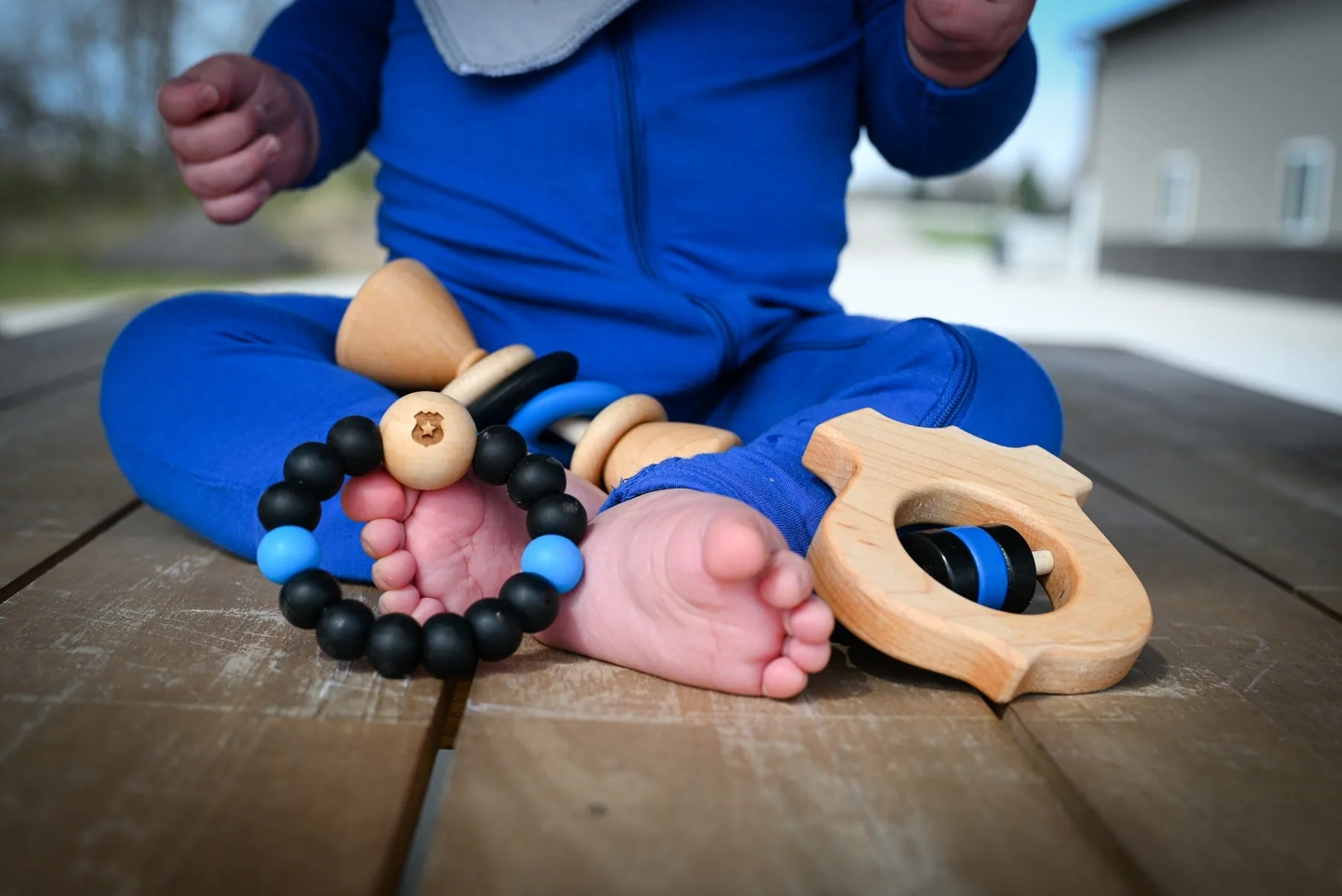
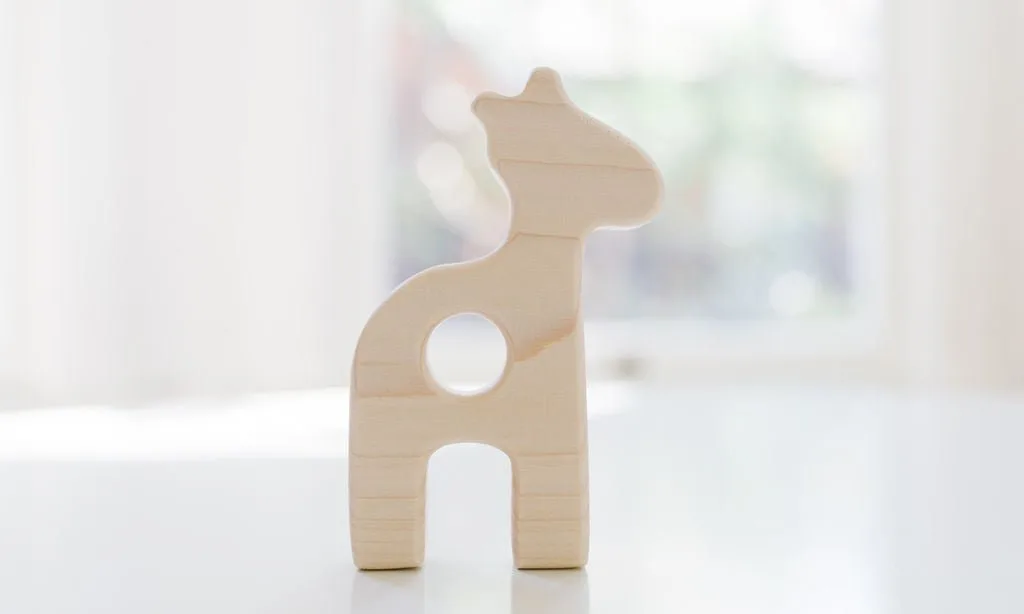
- Giraffe Wooden Baby Grasping Toy: Made from hard maple, this toy is naturally resistant to bacteria and non-splintering, sanded satin smooth with no finish. While not a block, this grasping toy exemplifies the safe, natural materials used in Bannor Toys' products, ensuring a safe play experience for toddlers.
Which is Right for Your Toddler?
Best For
- Parents seeking Montessori-aligned, open-ended play materials.
- Toddlers under 3 years old who are still developing fine motor skills.
Not For
- Parents who want toys that can be assembled into specific models or vehicles.
- Toddlers over 3 who are ready for more complex construction challenges.
In the debate between wooden blocks and building toys, wooden blocks come out on top for toddler development due to their open-ended nature, safety, and sensory benefits. They encourage creativity, spatial skills, and independent play, making them a wise investment for your child's early years. Explore Bannor Toys' collection of wooden blocks to find the perfect set for your little builder.