Quick answer
Choose the Wooden Life Cycle Board for younger children exploring natural cycles, or the STEM Anatomy Kit for older kids ready to build internal organs and compare species.
Age and readiness matter more than price
Both toys cost under $15, so price isn't the deciding factor. The real difference is the type of thinking each toy requires. The Wooden Life Cycle Board uses a familiar sequence puzzle with flash cards—great for preschoolers who are still learning order and vocabulary. The STEM Anatomy Kit asks children to assemble organ models and compare human and fish anatomy, which demands more fine motor control and abstract reasoning.
Durability and mess considerations
The Wooden Life Cycle Board is a solid, double-sided board with no loose parts beyond the flash cards. It's durable and easy to wipe clean. The STEM Anatomy Kit includes small organ pieces that can be lost or broken, and assembly may require adult help. If you need a travel-friendly, low-mess option, the wooden board wins.
Trade-offs to consider
- Learning focus: The Wooden Life Cycle Board teaches sequential stages (egg → caterpillar → butterfly, etc.). The STEM Anatomy Kit teaches organ structure and cross-species comparison.
- Motor skill level: The board uses a simple sliding or placing action. The kit requires assembling small organ pieces, which is better for children with developed fine motor skills. If your child still puts small objects in their mouth, start with the board.
- Replay value: The board offers multiple life cycles on one surface, so it can be revisited with different flash cards. The kit has a single build experience but can be reused for review.
Product facts at a glance
-
Wooden Life Cycle Double Sided Learning Board / Life cycle models and flash cards: Double-sided design with flash cards that illustrate life cycles. Children see the same cycle from two angles, reinforcing the concept without needing to read.
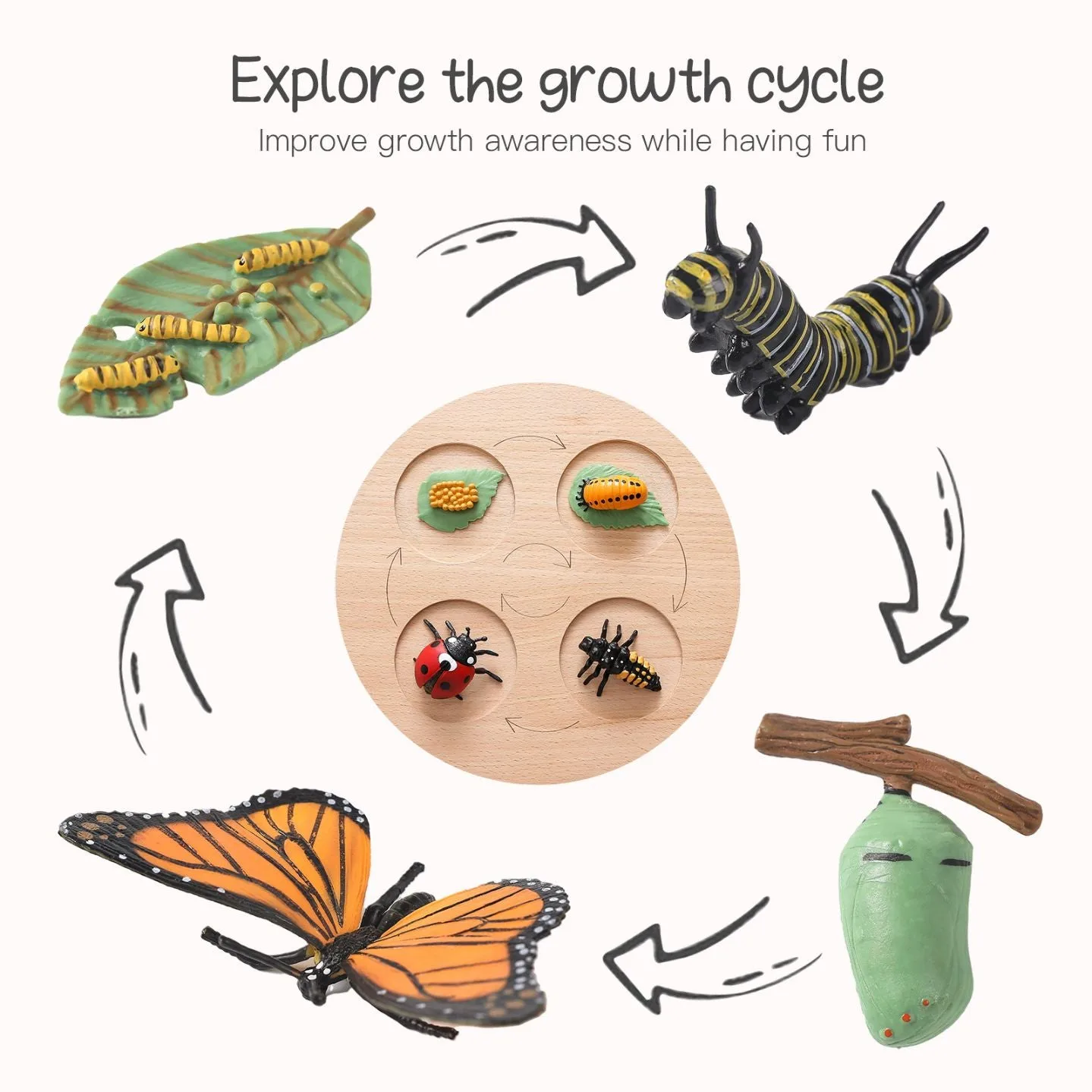
Wooden Life Cycle Double Sided Learning Board / Life cycle models and flash cards
-
STEM Science Kit. Build you own Internal Organs. Anatomy comparison: Build your own internal organs for humans and fish, then compare them. This hands-on comparison teaches anatomy and the idea that different species share similar organs.
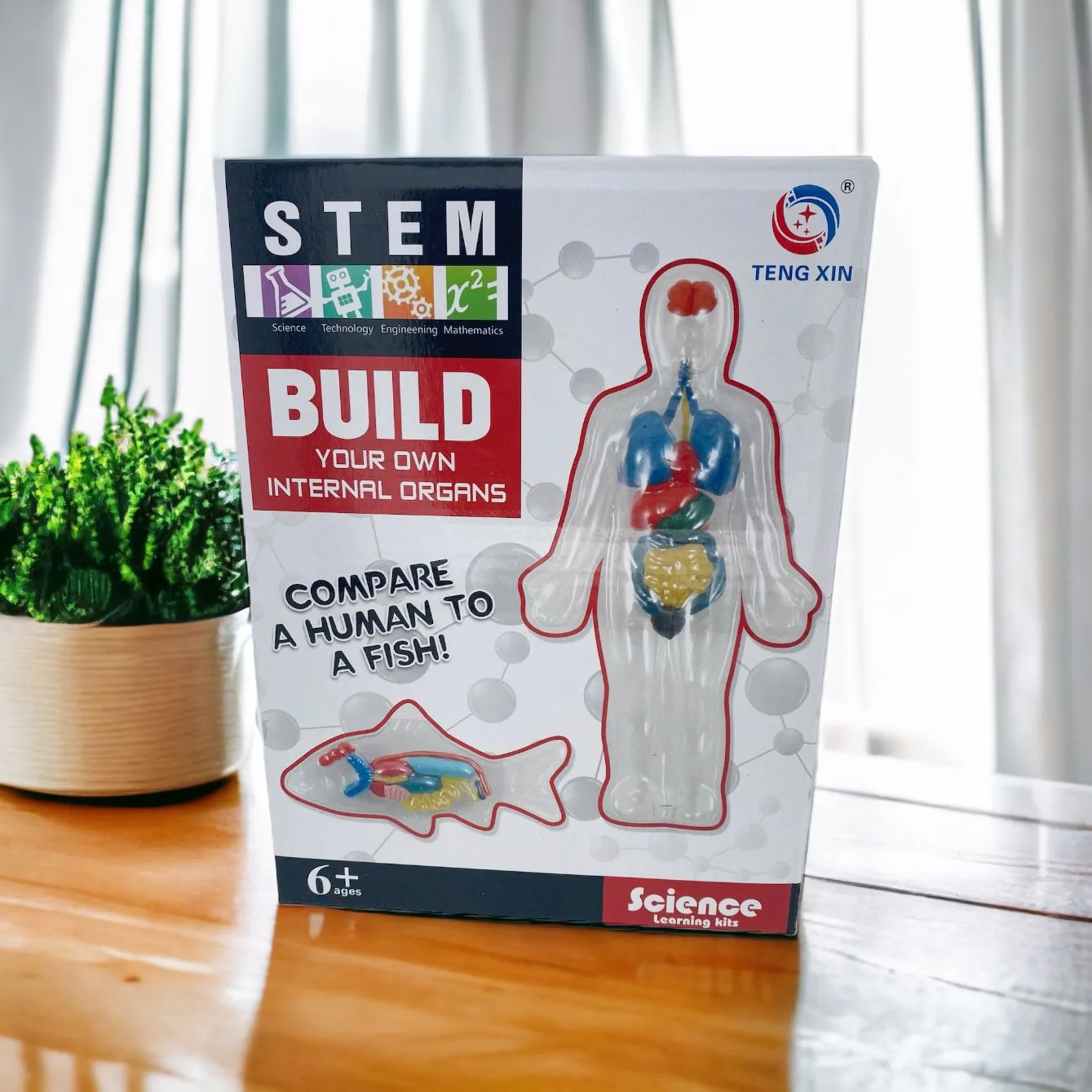
STEM Science Kit. Build you own Internal Organs. Anatomy comparison
Which one fits your child?
Best for
- Preschoolers (ages 3–5) who are curious about how animals grow and change
- Parents who want a durable, mess-free toy for on-the-go learning
Not ideal for
- Older children (ages 6+) who want to explore inside the body and compare species