Wooden spatulas are quiet workhorses in the kitchen—gentle on cookware, comfortable in hand, and naturally antimicrobial when cared for properly. But without a little attention, wood can dry out, crack, or absorb stubborn odors. Unlike metal or silicone utensils, a wooden spatula needs periodic maintenance to keep it performing and looking its best.
This guide covers everything you need for wooden spatula care: daily cleaning, deep sanitizing, seasoning wood utensils to prevent drying, and storage habits that extend their life. Whether you're using a heirloom piece or a new addition to your kitchen prep tools, these steps will help you get the most from your wooden spatula.
Daily Cleaning: Wash by Hand, Never the Dishwasher
After each use, rinse your wooden spatula with warm water and a small amount of mild dish soap. Use a soft sponge or cloth to gently remove food residue. Avoid abrasive scrubbers, which can scratch the wood and create hiding spots for bacteria. The dishwasher is the enemy of wooden utensils—the high heat and harsh detergents strip natural oils and cause the wood to crack or warp.
After washing, dry the spatula immediately with a clean dish towel. Standing water on the surface can penetrate the grain and lead to mold or mildew over time. Set it upright in a drying rack or on a cloth, but never leave it soaking in the sink. For greasy residue, a paste of coarse salt and a little lemon juice can lift oil without damaging the wood.
- Use mild soap and warm water only. Avoid bleach or abrasive cleaners.
Deep Cleaning and Deodorizing
Over time, wooden spatulas can pick up odors from garlic, onion, or spices. To refresh the wood, sprinkle the surface with coarse salt and rub with half a lemon, squeezing gently as you scrub. The salt acts as a gentle abrasive while the lemon’s acidity neutralizes smells. Rinse with warm water and dry immediately.
For more stubborn staining or musty odors, try a vinegar solution: mix one part white vinegar with three parts water, wipe the spatula with a cloth dampened in the solution, then rinse and dry. Alternatively, you can lightly sand the surface with fine-grit sandpaper (220 grit) to remove the top layer of wood, then immediately oil it to restore moisture.
- Deep clean every few weeks if you use the spatula frequently with pungent ingredients.
Seasoning Wood Utensils to Prevent Drying and Cracking
Seasoning is the most important step in wooden spatula care. Wood is porous and naturally loses moisture over time. Applying food-safe mineral oil (or fractionated coconut oil) replenishes those oils, keeping the wood supple and hydrated. Avoid vegetable oils like olive or canola, as they can turn rancid and develop an off smell.
To season, wash and dry the spatula completely. Apply a generous amount of mineral oil to a soft cloth and rub it into all surfaces, including the handle and any carved details. Let the oil absorb for several hours or overnight, then wipe off any excess. Repeat this process once a month for heavily used tools, or every three months for occasional use. Over time, you’ll notice the wood takes on a warm, rich patina.
- Always use food-grade mineral oil—never use tung oil or linseed oil, which may contain additives.
Storage: Keep It Dry and Away from Heat
Where and how you store your wooden spatula matters as much as how you clean it. Avoid leaving it next to the stove or oven, where heat cycles can dry out the wood. A cool, dry spot—like a drawer lined with a soft cloth or a countertop utensil crock—is ideal. If you store it in a drawer, separate it from metal utensils that might scratch the surface.
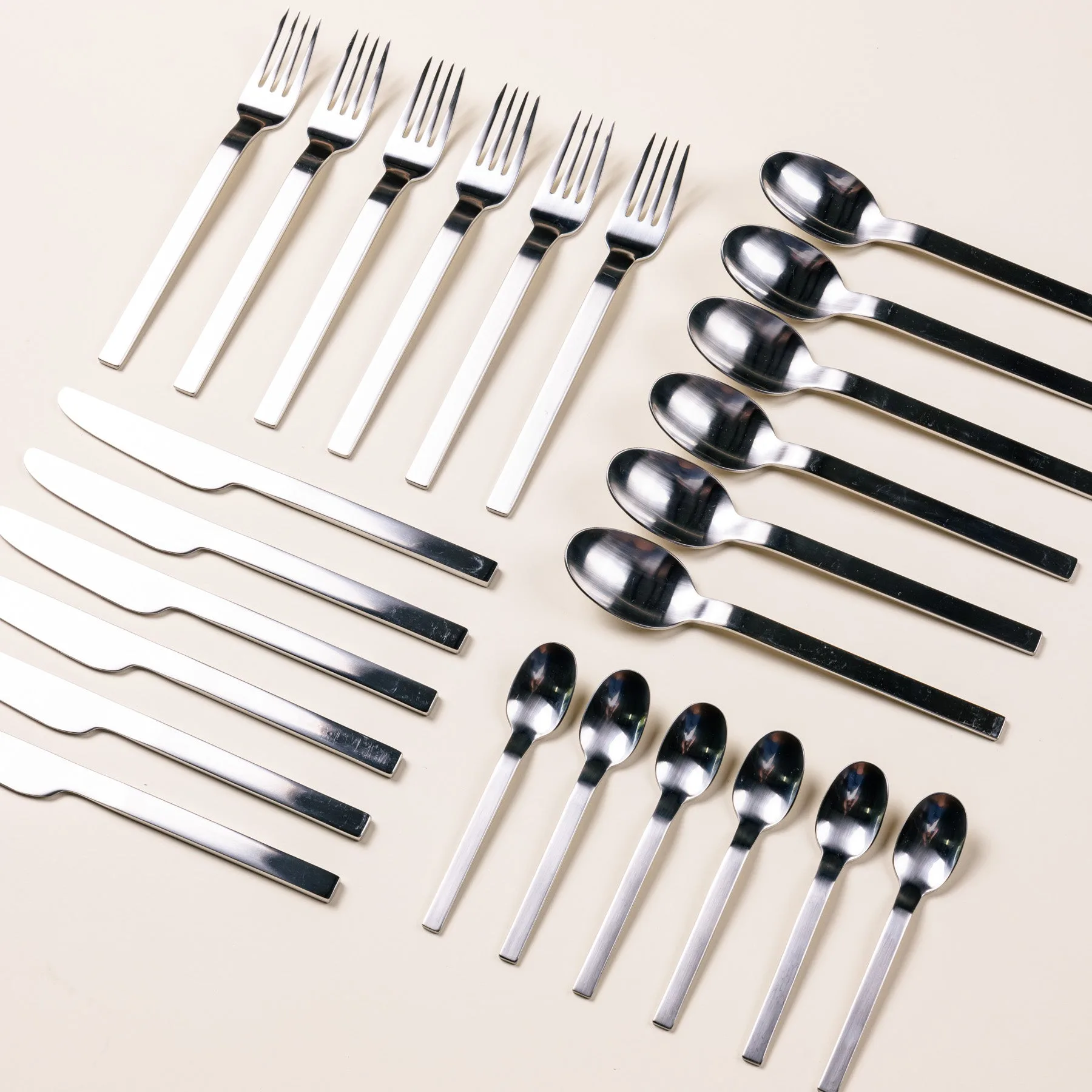
For display, consider grouping your wooden tools with other quality kitchen prep tools such as the Bistrot Vintage Dune Flatware, 5-Piece Set. The flatware’s classic styling complements the natural warmth of wood, and both benefit from being kept in a clean, organized space. Just be sure your wooden spatula gets airflow to prevent moisture buildup.
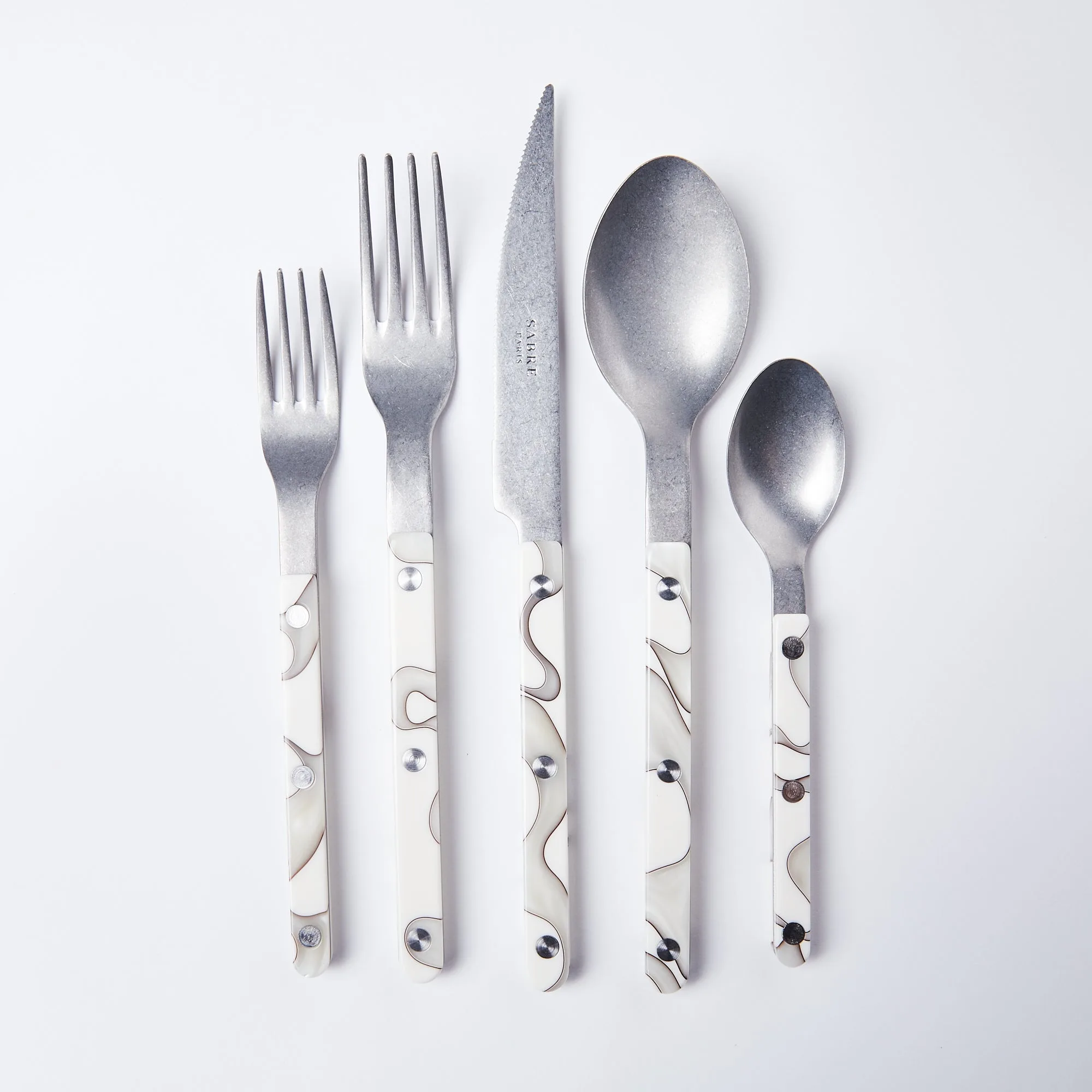
Bistrot Vintage Dune Flatware, 5-Piece Set
- Never store a wet wooden spatula in a closed drawer or container.
When to Replace Your Wooden Spatula
Even with meticulous care, wooden spatulas eventually wear out. Deep cracks that run along the grain or splinters that catch on your skin are signs it’s time for a replacement. These fissures can trap food and bacteria, making thorough cleaning impossible. Likewise, if the spatula develops a persistent musty smell even after deep cleaning, the wood may have absorbed contaminants.
On the other hand, superficial scratches and a well-loved patina are not cause for replacement. These surface marks are natural and add character. A quick sanding and re-oiling can often restore a spatula that looks a bit tired. As with any kitchen prep tools care, trusting your senses—sight, smell, and touch—will guide you. And while you’re taking care of your tools, take a moment to enjoy your morning coffee from The Mug; it’s the kind of simple ritual that makes cooking worthwhile.
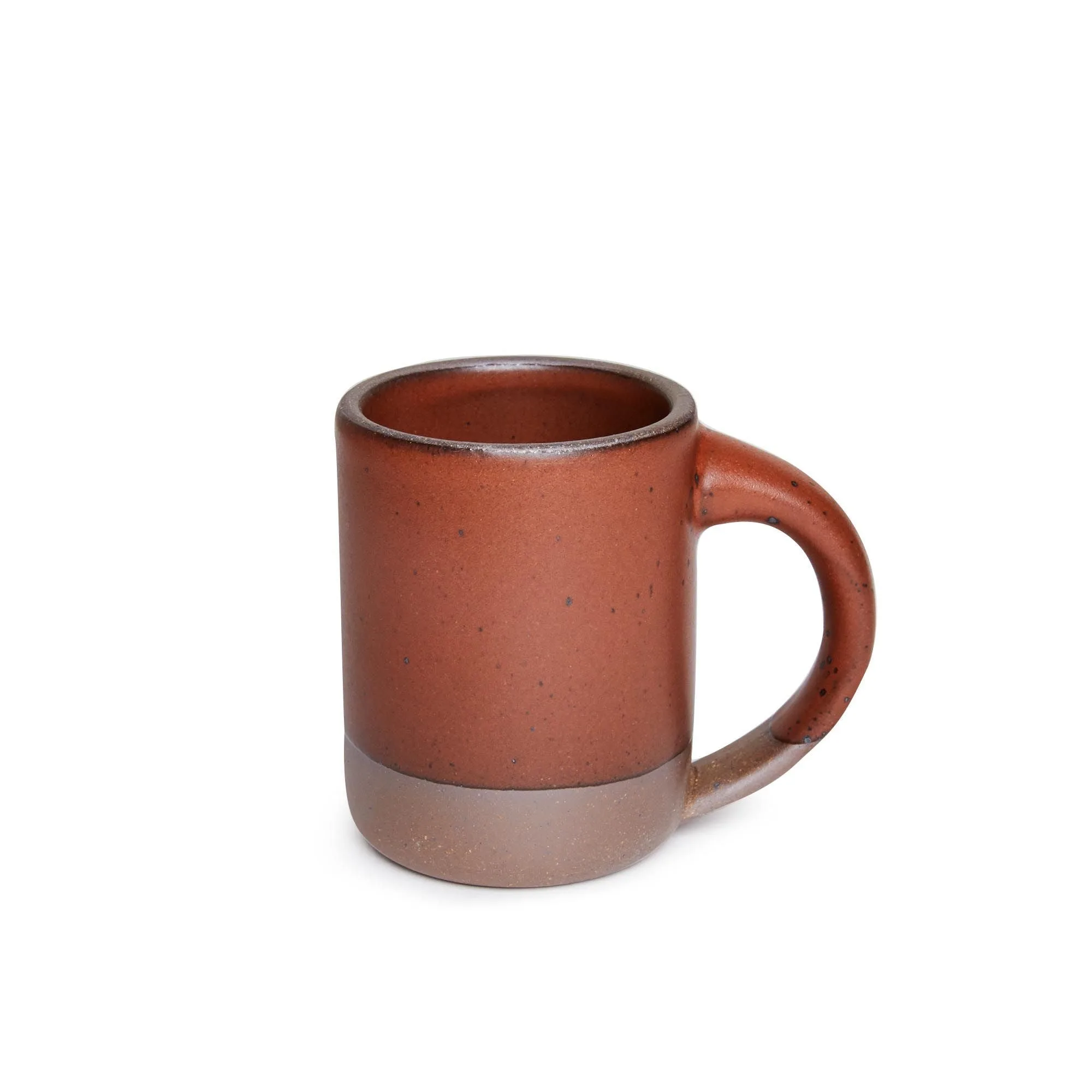
The Mug
- Replace if cracks are deep enough to catch a fingernail or if the wood feels brittle.
A well-cared-for wooden spatula can last for years, developing a smooth, dark patina that tells a story of countless meals. By following these daily cleaning habits, seasoning wood utensils regularly, and storing them properly, you protect both your investment and your cooking experience. Your kitchen prep tools deserve the same thoughtful attention you give to the food you make.